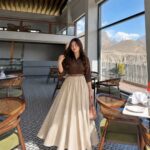

A mint-green beaded capelet works for one room, an ivory blazer with its pleated skirt for another; the basement clubs with sticky floors call for dark denim under that blazer, while marble counters and towel service get the full pairing.
1. Upscale Attire
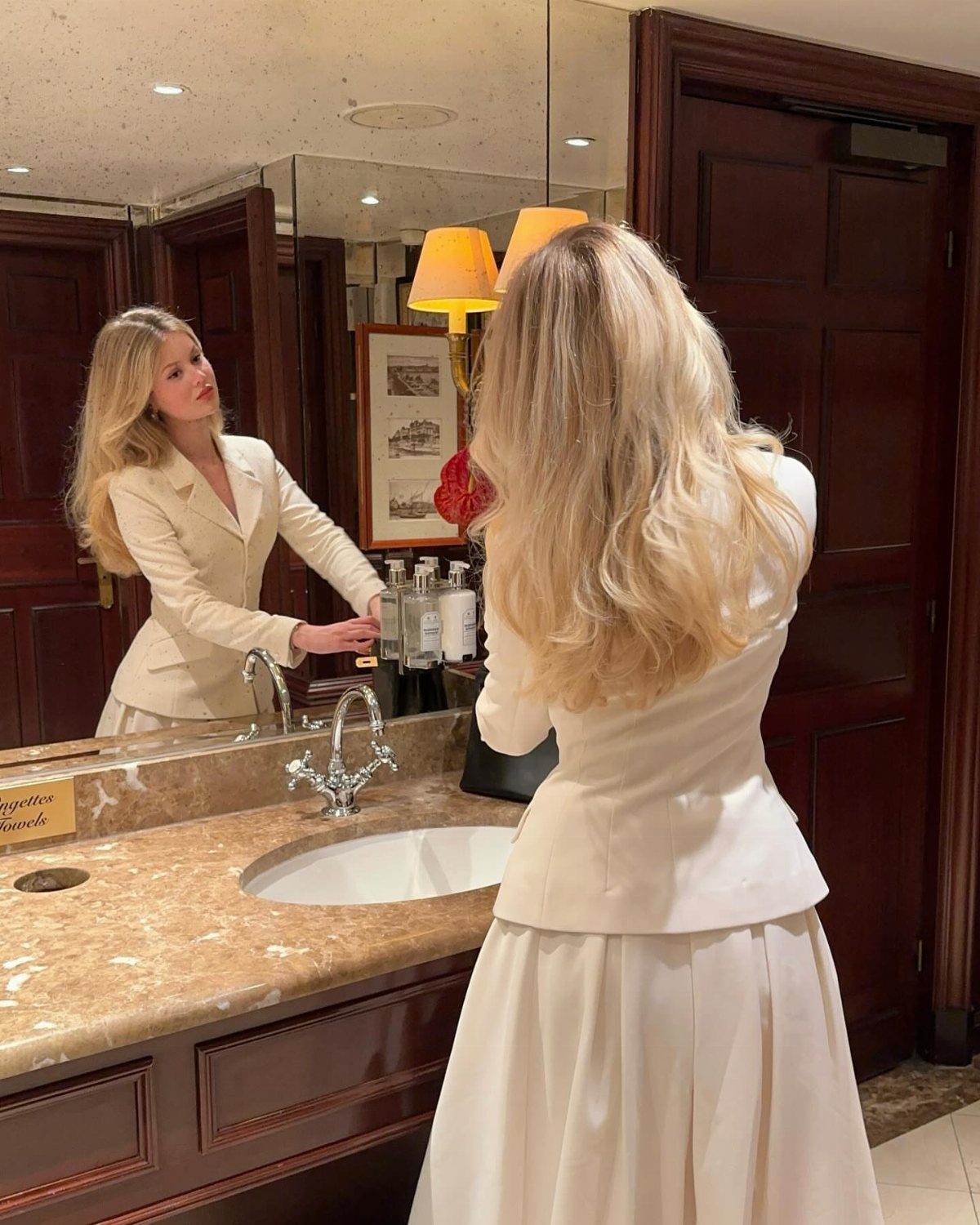
An ivory blazer over a matching pleated skirt hits the tone most upscale jazz rooms expect without feeling like a costume. The soft tailoring moves with you through a set, and tonal colors read as intentional rather than safe.
Breathable fabrics matter more than they look like they should. A room packed with bodies and low lighting turns synthetic blends into personal saunas right around the second trumpet solo.
Cotton or wool blends keep the silhouette sharp through a full set.
The real question is the room itself. A basement club with sticky floors wants this same blazer over dark denim; a place with marble counters and towel service expects the full pairing.
Check the venue’s recent tagged photos before you commit.
Small clutch, no coat check drama.
2. Comfortable Footwear
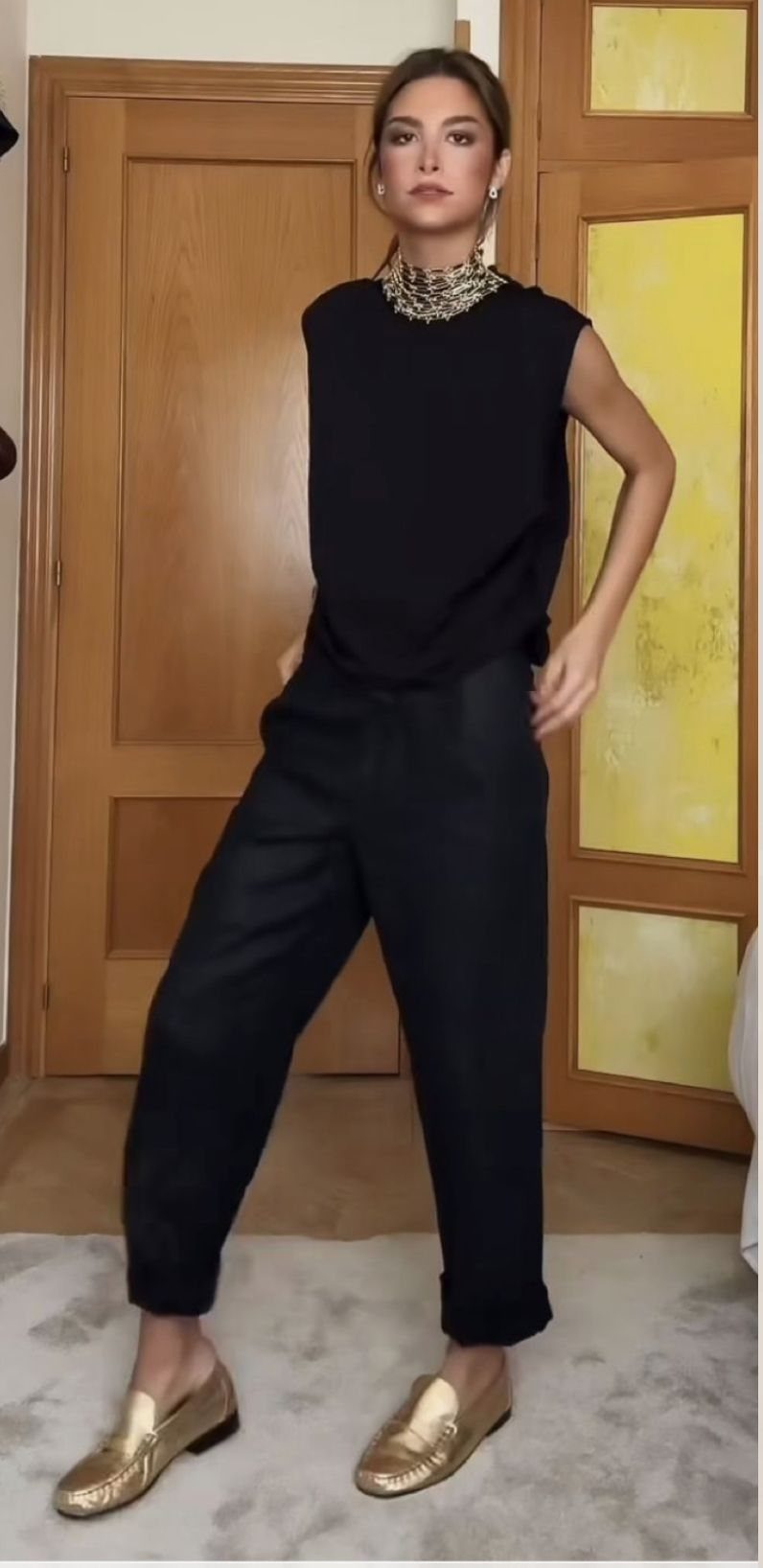
Metallic loafers in gold against cropped black trousers prove that comfort does not have to whisper "compromise."
A low block heel or polished flat carries you from dinner through the late set without the strategic sitting that comes with tall stilettos.
The collar necklace in the same warm metal pulls the eye upward and gives the outfit its reason for being. Without it, this reads as office casual; with it, the look turns deliberate.
Men have the easier math here: polished leather or a clean loafer, nothing that needs breaking in. For women, the heel height is the negotiation.
A crowded room means standing room and spilled drinks; a seated dinner-and-show format forgives more. Match the shoe to the venue’s layout, not just its mood.
One pair should carry you. Changing shoes in a club bathroom is a specific humiliation worth avoiding.
3. Jazz-inspired Fashion
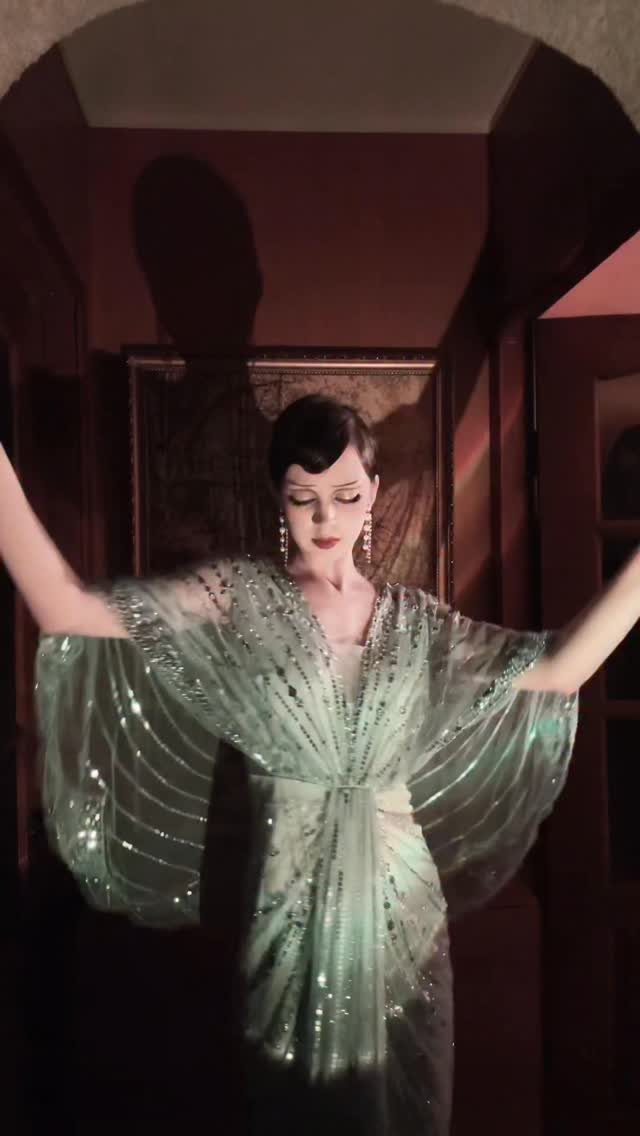
A mint-green beaded capelet with finger waves commits fully to the romance of jazz history without requiring you to source actual vintage. The modern cut keeps it wearable; the beading and sleeve volume supply the drama.
This is not a subtle choice, and that is exactly why it works. A dimly lit club with a red-tinged wall swallows quiet outfits whole.
Something that catches low light, that moves when you lift a glass or turn to catch the trumpet solo, earns its place.
The full 1920s reconstruction, fedora or flapper dress or wingtip, works best when the venue leans into the aesthetic itself.
A straightahead club in a modern room rewards a single nod, a beaded detail or a sharp part, more than full costume. Read the room’s own performance of nostalgia before you match it.
Hair and lipstick finish this look. Without them, the dress stands alone; with them, the whole thing reads as a considered choice rather than a rental.
4. Accessorizing
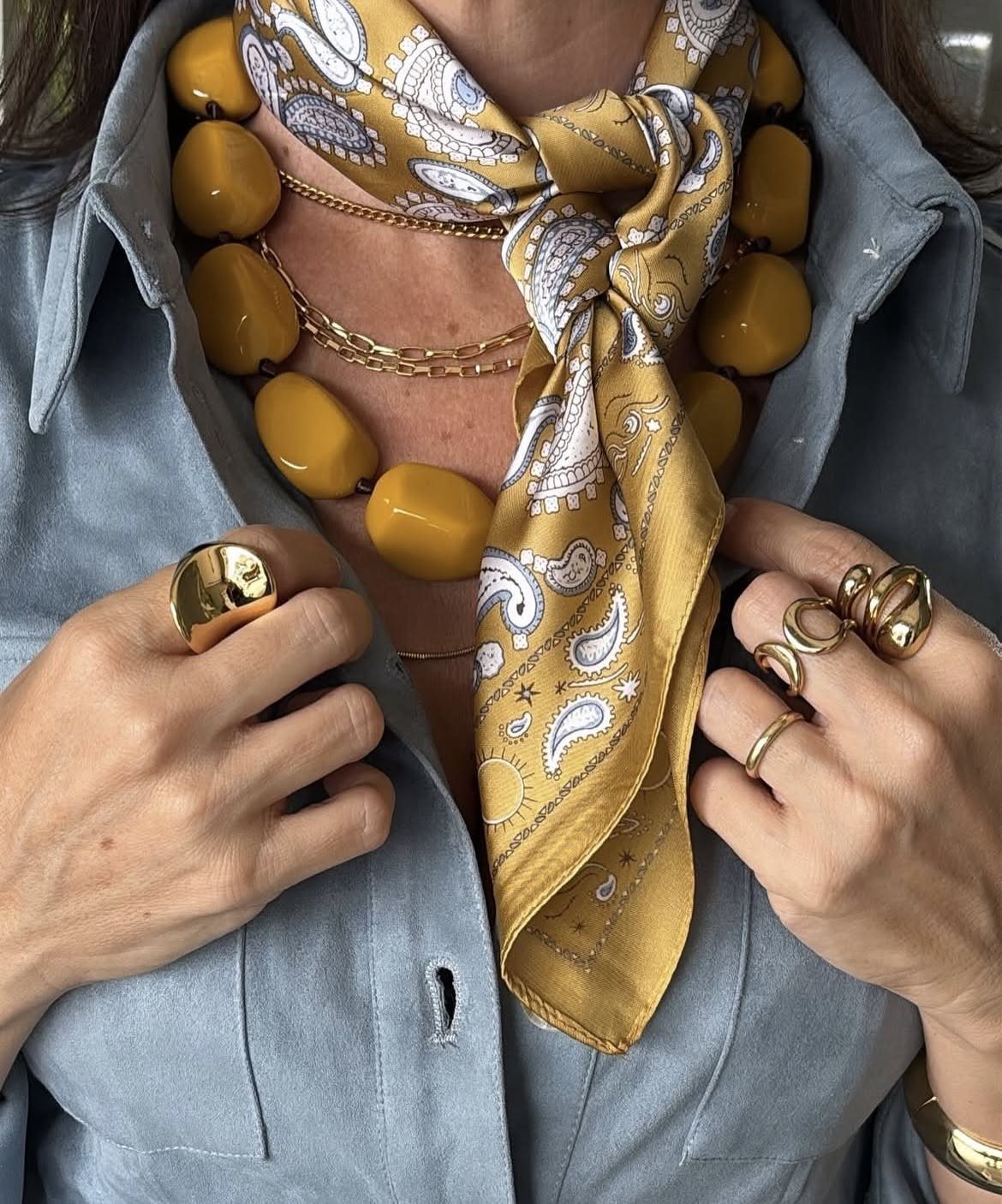
Accessories do the actual work of dressing for jazz: a neckerchief in a strong color against grey, doubled with chunky beads and layered gold chains. The shirt underneath is ordinary; the combination above it is not.
The risk here is always excess. One statement piece, or two that share a color story, holds attention.
Three competing statements and you become the room’s distraction rather than its well-dressed guest.
Hats and clutches follow the same rule. A fedora wants simple earrings; a bold clutch wants a quieter neckline.
Build around one anchor, usually whatever sits closest to your face.
For men, a pocket square or a single ring shifts a standard blazer into club territory. A necklace-scarf pairing does more than either would alone.
The test is whether you would wear the same combination to brunch; if yes, add one more layer of intention.
5. Leather Jacket and Satin Skirt
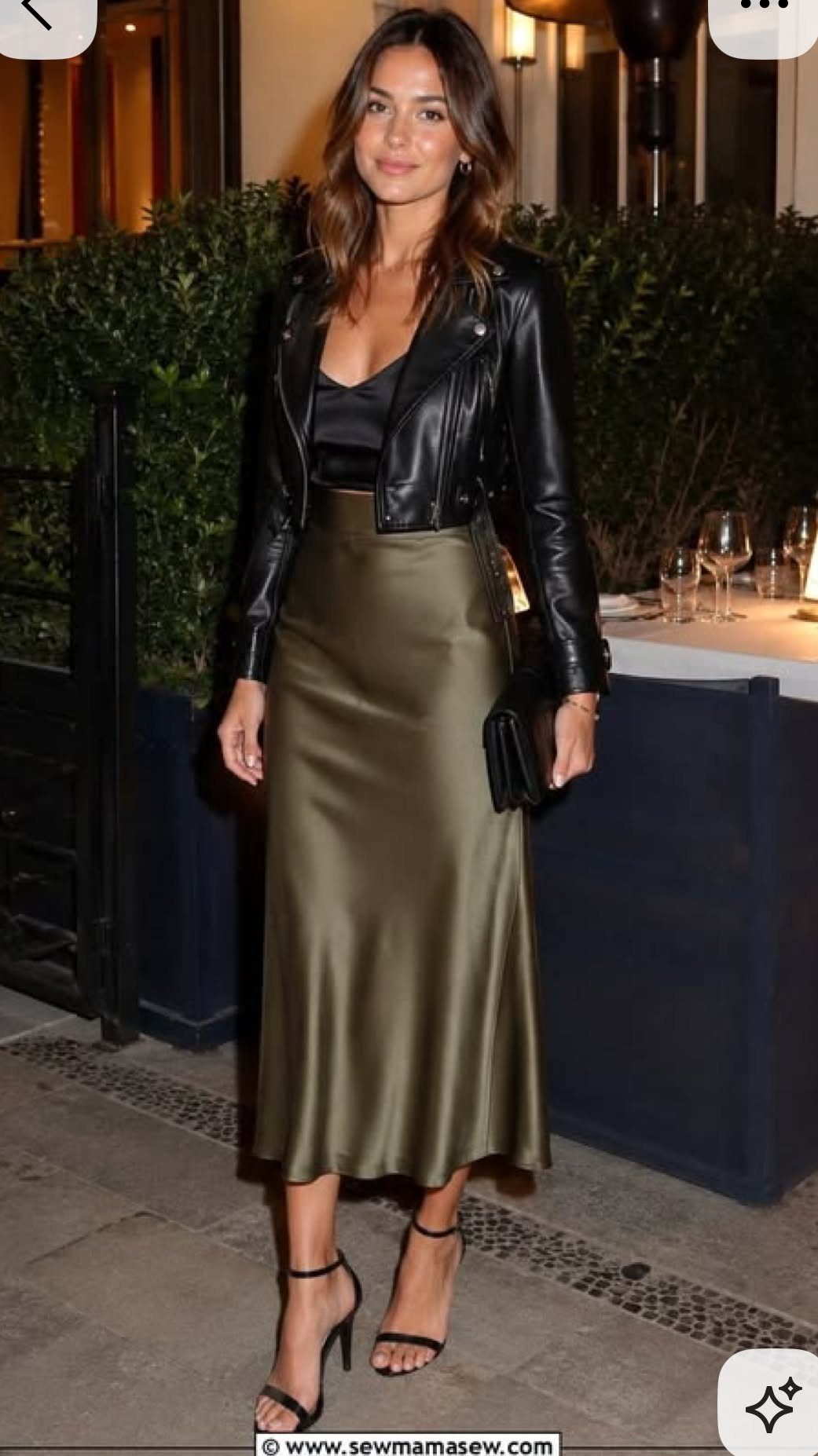
A leather jacket draped over a satin skirt reads jazz club the moment you walk in. The olive green midi length here keeps the satin from feeling too dressy; the matte leather grounds the shine without killing it.
Strappy heels finish it, though a block heel trades some height for hours of standing room near the stage.
The cut of the skirt matters more than the color: too full and the leather looks like an afterthought, too narrow and you lose the walk.
I’d pick this one for a small group where you want edge without trying too hard.
6. Silk Halter Top and Wide-leg Jeans
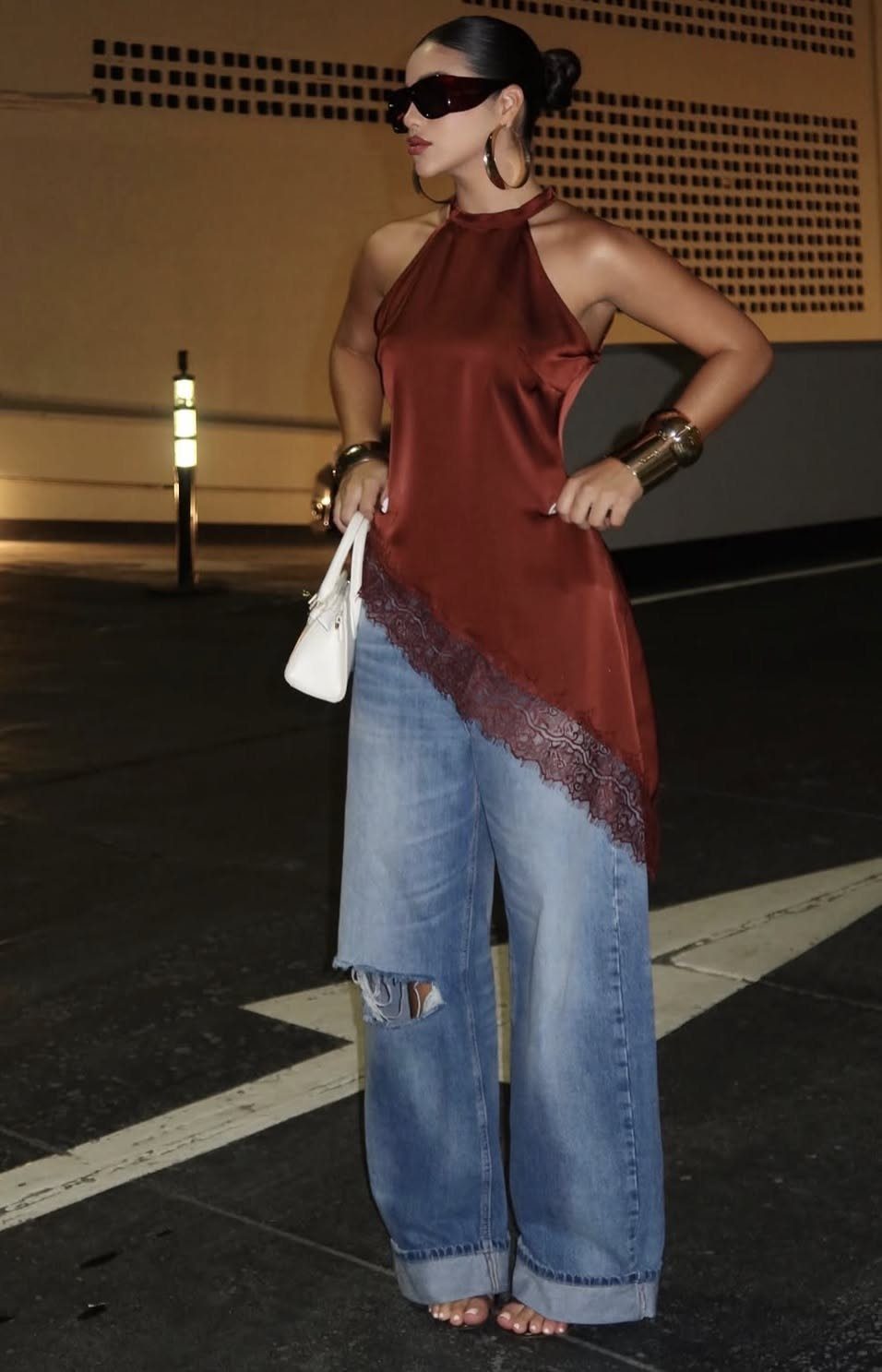
Rust silk with lace trim against ripped denim is the kind of clash that works in dim light.
The halter keeps shoulders bare for a warm club, and the wide-leg jean balances the top’s delicacy with something you can actually sit in. Gold jewelry here is simple hoops and stacked bracelets; anything heavier fights the lace.
The rip placement on the jeans matters: thigh-high reads casual, knee or below keeps the line cleaner. I’d swap the sunglasses for small gold frames once you’re inside, or skip them entirely.
This one suits someone who wants to look dressed up without wearing a dress.
7. All-black Off-the-shoulder Look
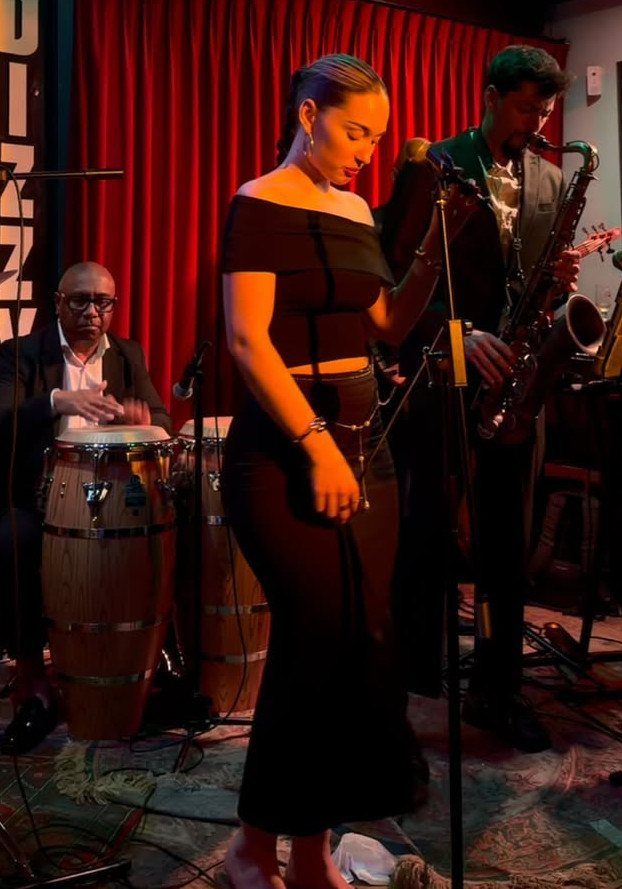
Black off-the-shoulder against red curtains is the old jazz visual for a reason. The bare shoulder line photographs well in low light, and a matching long skirt keeps it from reading as two separate ideas.
An off-the-shoulder crop works best when the skirt hits at your natural waist; pair it with a higher skirt line if you prefer a longer top, or the proportions fall flat.
Fabric with some weight holds the shape through a set; thin jersey wilts under stage lights and body heat. This is the choice for a club with actual musicians, where the room itself is part of the outfit.
8. Patterned Short-sleeve Shirt and Loafers
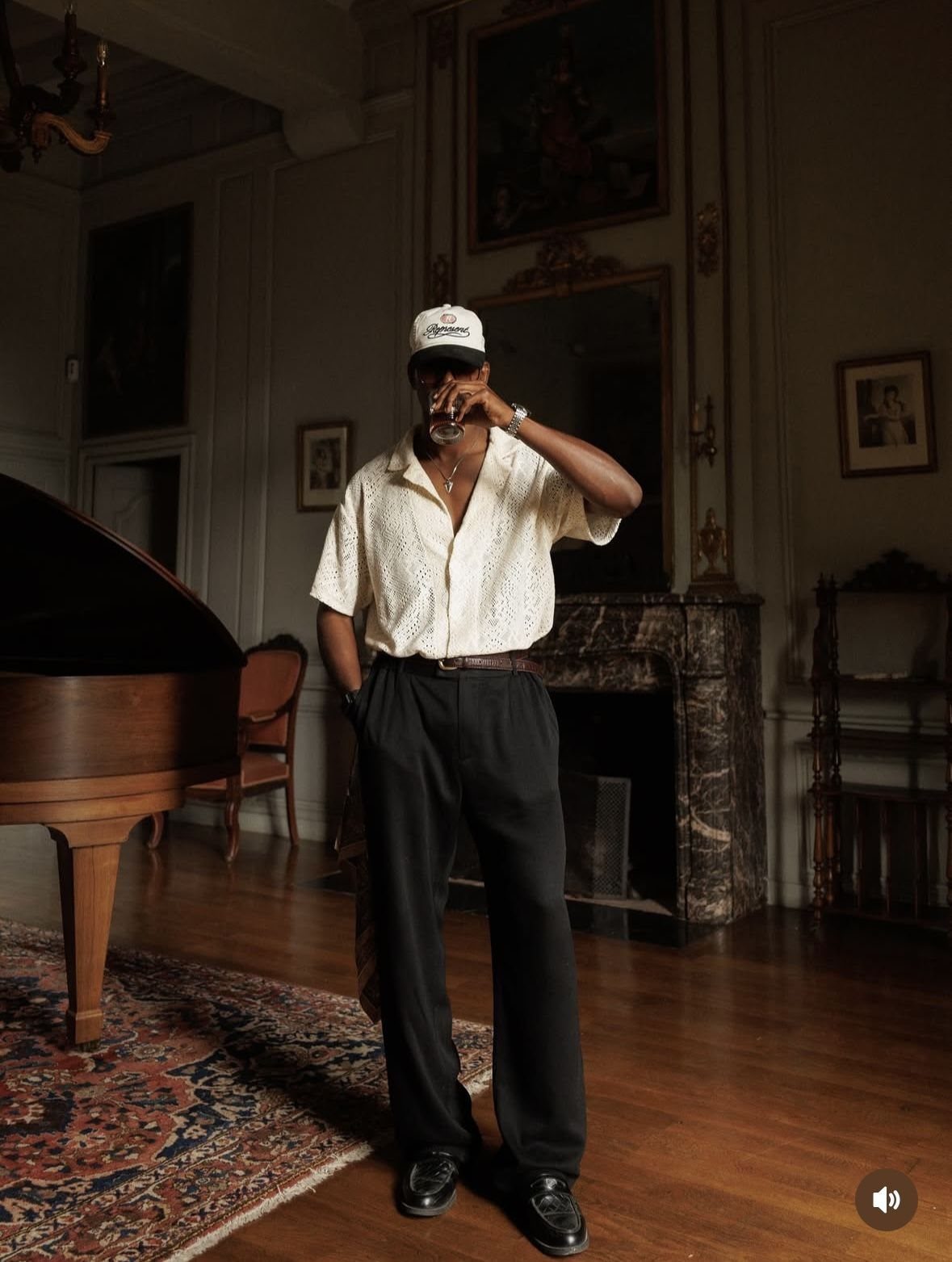
A printed short-sleeve shirt and tailored trousers is the summer version that doesn’t sweat. The cream texture here catches light without shouting; black loafers keep the floor half serious.
Cuban collar shirts in cotton or open-knit weave move air better than standard button-downs, and the short sleeve reads intentional, not office-casual.
A cap indoors is a choice I’d skip, though the structure it gives the face can work if you’re set on wearing one.
This look trades the leather jacket’s edge for something you can wear straight from a warm afternoon into the first set without changing.
Researching the Venue
The dress code listed online is usually a suggestion, not a rule. Most jazz clubs want guests to match the atmosphere rather than enforce a uniform, so smart-casual often covers it.
Jeans with a polished top can work at a relaxed room; a tailored suit or cocktail dress fits an upscale spot better.
Special events and themed nights are where a club actually enforces its dress code, so a quick call or scroll through recent tagged photos saves showing up wrong.
Tagged photos from recent weeks show what people actually wore, which is more reliable than the website’s one paragraph.
A quick look at the floor plan helps too. Standing room means different shoe math than seated dinner service.
The same blazer reads differently on marble than on sticky basement concrete.
Balancing Comfort and Style
Soft tailoring reads right here; a boardroom suit feels like you came from somewhere else. Fine-gauge knits stay cleaner than broadcloth under amber bulbs, and keeping everything in one color family lets the textures talk instead of the colors.
Breathable fabrics are not optional. Cotton or wool blends handle a packed room with body heat and poor ventilation; synthetics turn stifling before the first set ends.
The shoe choice carries the whole evening. Loafers or low-heeled boots support standing through a long set or dancing without the strategic sitting that comes with higher heels.
One pair should last from dinner through the late show; changing in a club bathroom is its own small disaster.
Dressing for the Occasion
The event type matters as much as the venue.
Grooming finishes what the outfit starts. Clean, pressed clothes set the baseline.
For men, tidy hair and trimmed facial hair sharpen the look; for women, a maintained hairstyle and subtle makeup complement without competing.
One piece of hardware, a slim watch, or a small leather clutch finishes the look when the clothes already hold their own.
Incorporating Personal Style
A single vintage element, a fedora or wingtip shoe, brings jazz culture into a modern outfit without turning it into costume. The piece should feel like yours, not borrowed from a theme party.
Accessories are the safer place for individuality.
The difference between wearing something and wearing something that fits is the piece you bought yourself and kept.
Frequently Asked Questions
What is the dress code for a jazz club?
Most jazz clubs do not enforce a strict dress code, but they do expect you to match the atmosphere.
A casual basement room accepts dark denim with a nice top or shirt, while an upscale spot with marble counters expects tailored pieces like an ivory blazer over a pleated skirt.
What kind of shoes are appropriate for jazz clubs?
Comfortable yet polished shoes are the right call, since a crowded room often means standing room and spilled drinks.
A low block heel or metallic loafer handles the usual setup: cramped tables, a sticky floor, and no guarantee you’ll sit down all night.
Are hats acceptable in jazz clubs?
Hats can work when the venue leans into jazz history or vintage styling, but they need restraint elsewhere.
A fedora wants simple earrings, not competing statements, and the hat itself should feel like a deliberate choice rather than a costume piece.
Skip it if the room is modern and straightahead; wear it if the club performs its own nostalgia.
Can I incorporate vintage or retro styles into my outfit?
A single nod to vintage works better than full reconstruction in most modern rooms.
A mint-green beaded capelet or a sharp hair part supplies the romance without requiring sourced vintage, while a full 1920s flapper dress or wingtips suit only venues that lean hard into the aesthetic.
Some clubs lean hard into Prohibition cosplay with velvet curtains and brass fixtures; others feel like any small music venue. The outfit should answer the room’s own nostalgia, not force your own.