Smart casual style runs from a single bold accessory to three full layers, and your own calendar is what settles the choice: a hotel bar demands sharper shoes, a creative office shifts the balance toward relaxed.
1. Layering Techniques
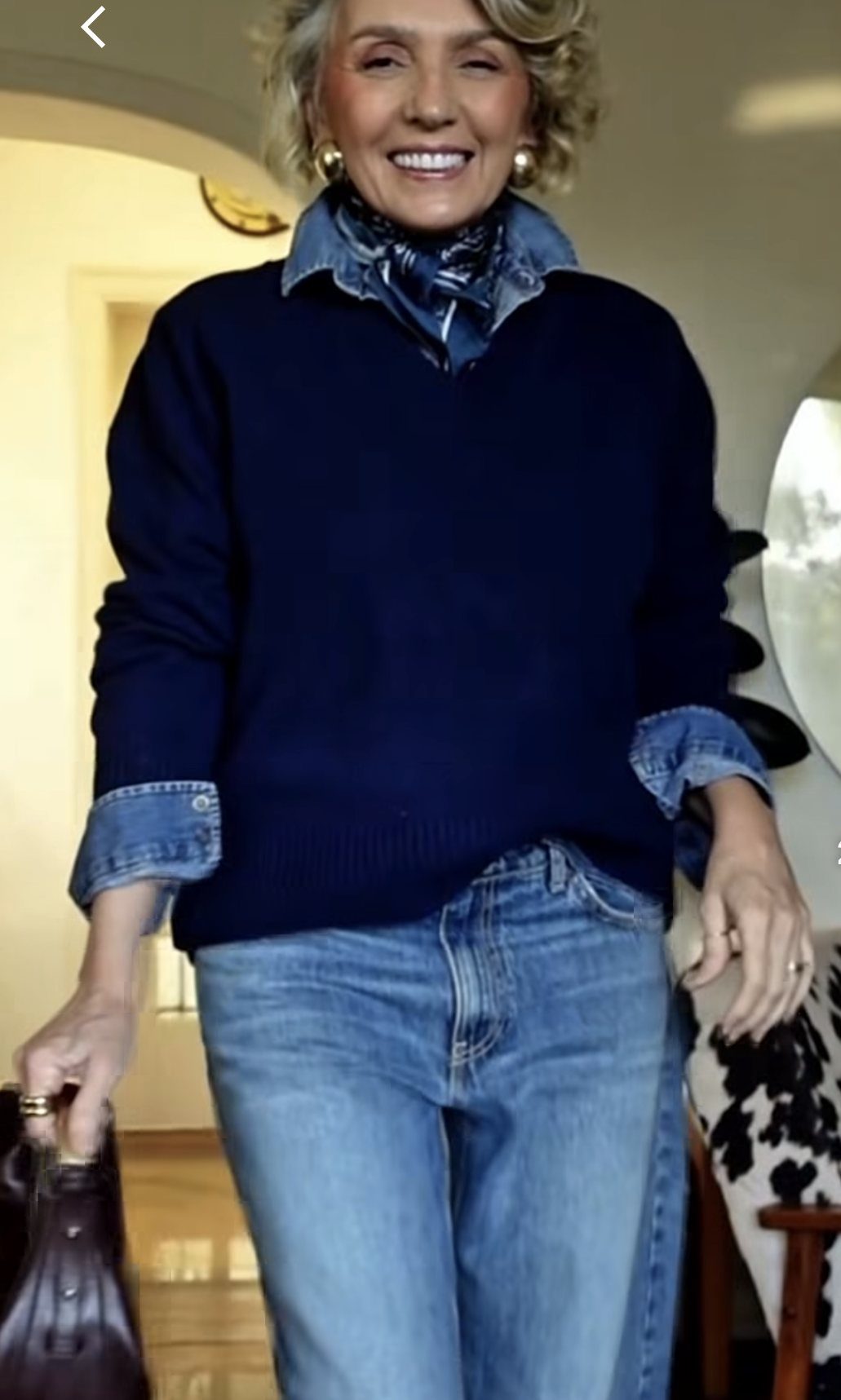
Three layers, not counting your coat, is the workable formula for most of the year. An unbuttoned shirt over a tee carries that relaxed mid-century feel without losing shape.
The base layer sets the tone: long-sleeve button-down for structure, or a tee if the day leans casual.
Your middle layer is where you adjust for temperature and occasion; a cardigan reads softer than a crewneck, a v-neck more open than a turtleneck. The top layer carries the message the room will read first.
2. Slim Jeans
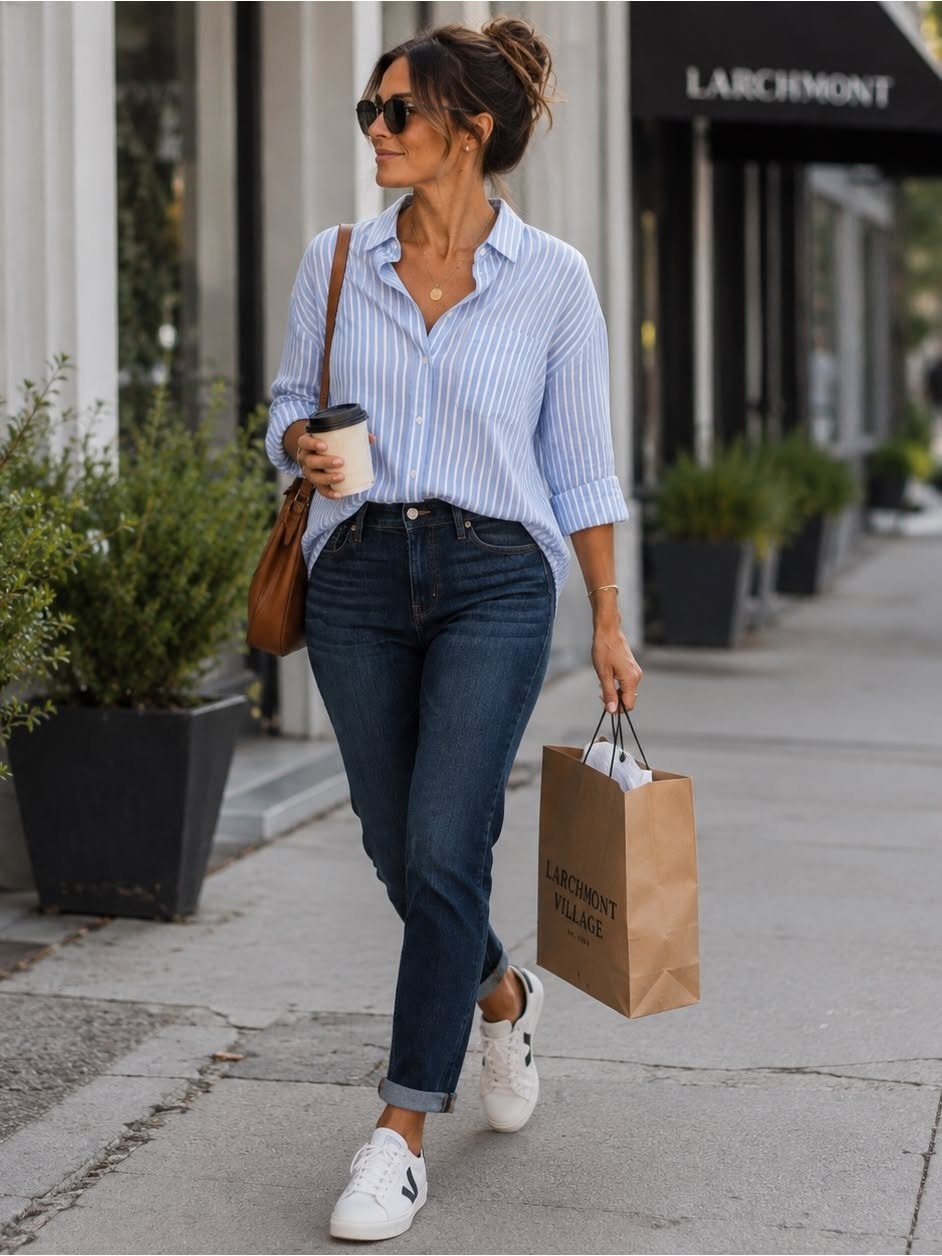
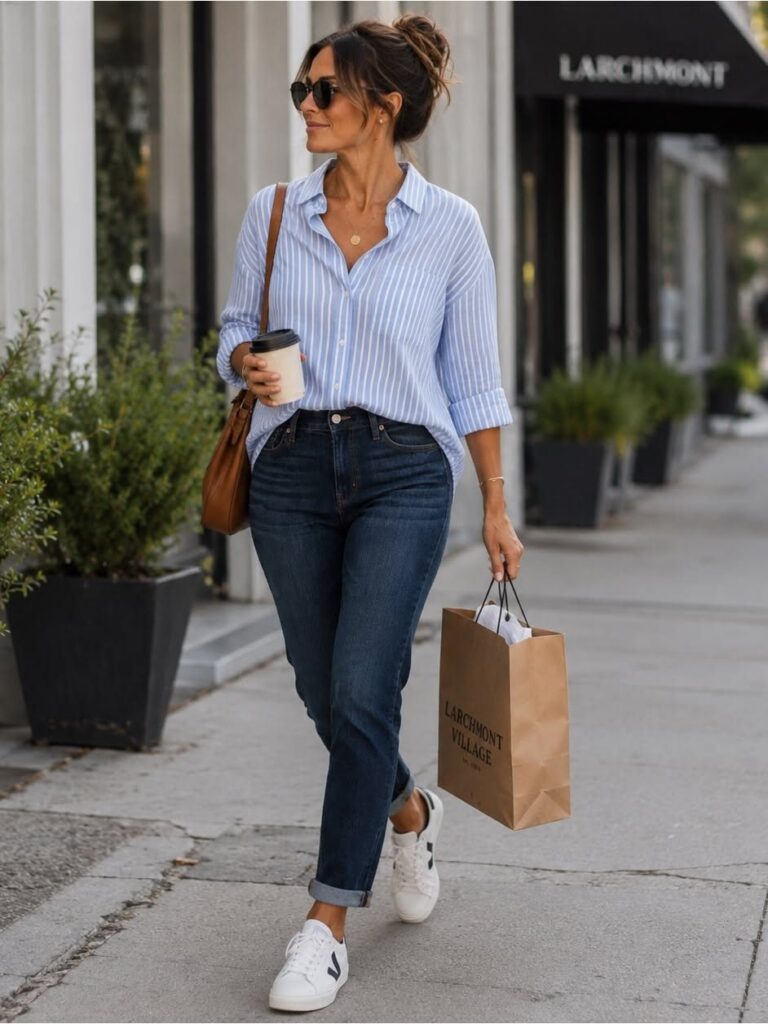
Dark, slim jeans earn their place in smart casual when the wash is deep and the line stays clean. Indigo or black without rips, without heavy fading, reads intentional rather than borrowed from the weekend.
The cut matters more than the label: too loose and the denim overwhelms; too tight and the casual side dominates. I reach for dark wash slim jeans when chinos feel too expected, especially with a tucked Oxford shirt and loafers.
Denim on denim works if the washes contrast clearly; a trucker jacket over dark jeans needs enough difference in tone to look considered, not accidental.
Your shoe choice tilts the whole look: leather loafers or clean sneakers dress it up, beat-up trainers drag it back down.
3. Essential Pieces
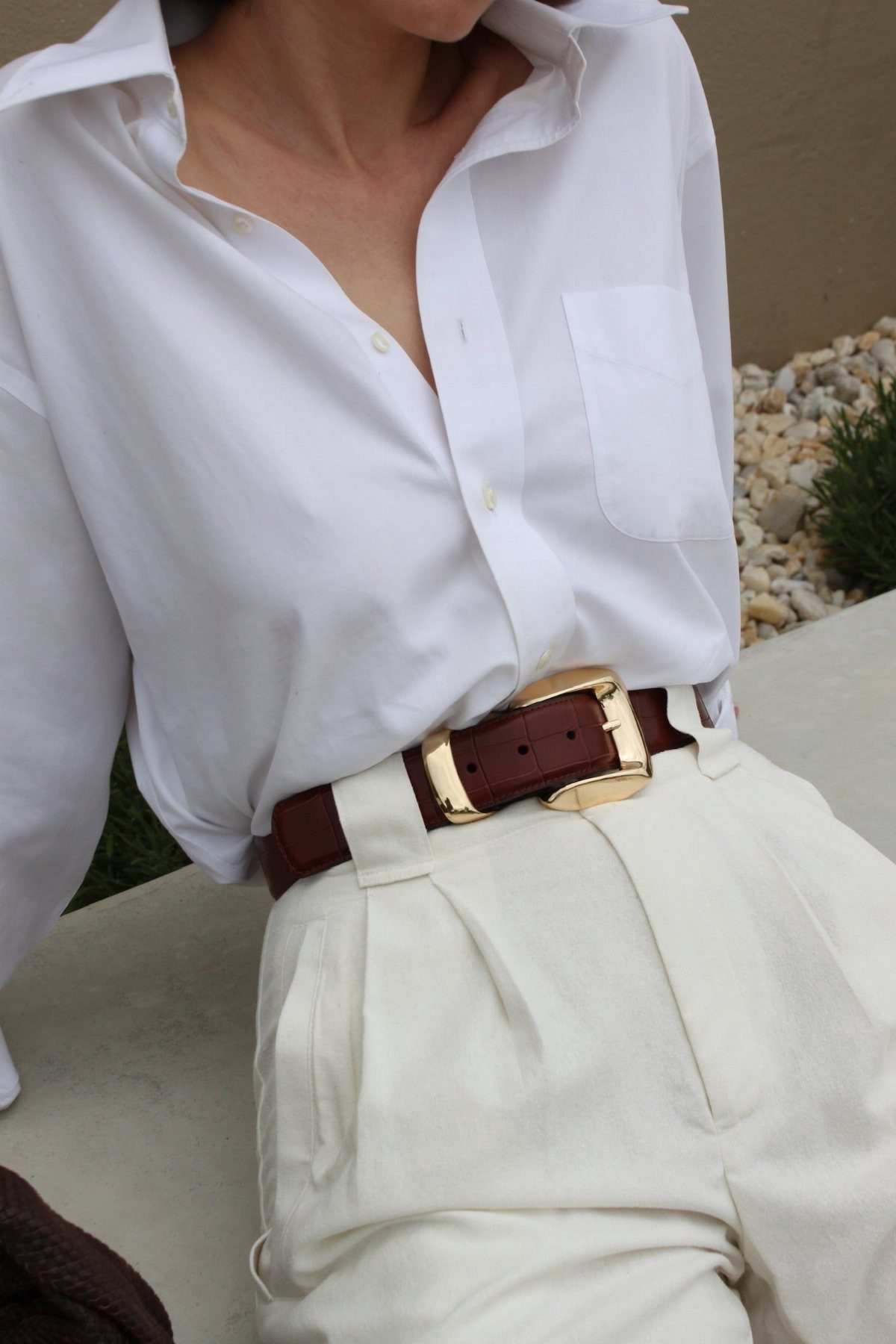
A white button-down and pleated trousers with a leather belt is the core equation, and everything else builds from there.
The blazer you add for an office dinner, the minimalist sneakers you swap in for a Saturday gallery walk, the chinos you pull out when denim feels wrong; each piece earns its shelf space by how many versions of smart casual it can enter.
I would not stock up on statement pieces early. One bold jacket or patterned skirt is enough to keep a rotation from going stale, but the backbone stays neutral and interchangeable.
For a creative workplace, the balance shifts toward casual; for a hotel bar, the same pieces get pressed and paired with sharper shoes. Check the venue before you check your mirror.
4. Invest in a Blazer
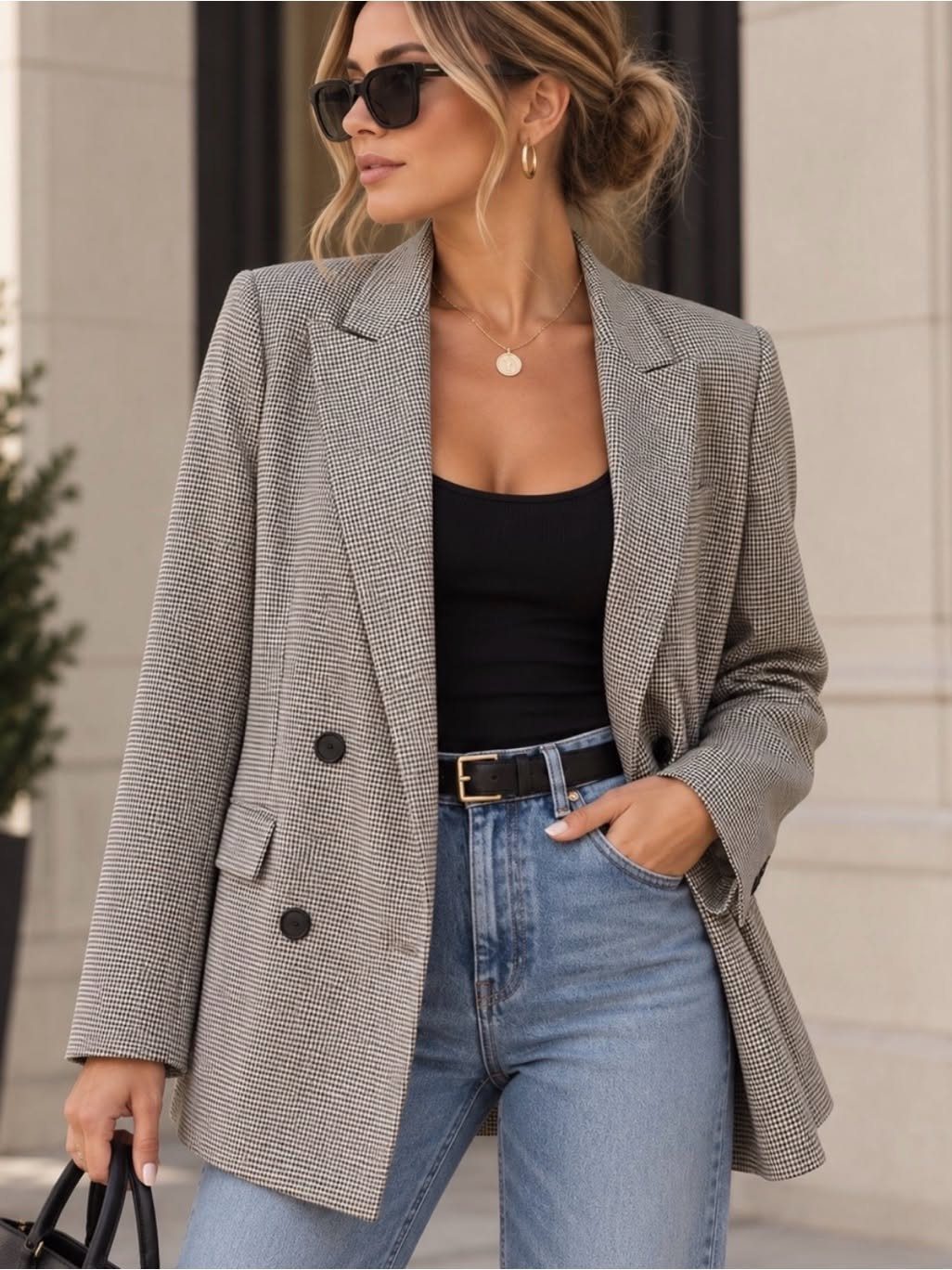
Kendall Jenner’s approach works because she treats the blazer as a structure, not a uniform.
The houndstooth or solid jacket over a simple top and jeans is the move most women can copy from their own closet: skip the matching trousers, add a belt, let the neckline stay open.
An oversized white button-up underneath, sleeves pushed up, keeps the office origin from reading too literally. I would avoid pairing a rigid suit jacket with a shirt and jeans; the combination lands in an uncanny valley between formal and broken-up.
A softer shoulder, a relaxed fit, or a textured weave all help the blazer live in smart casual territory rather than business casual. Accessories do the rest: leather tote, gold chain, sunglasses if the day allows.
5. Smart Casual for Women
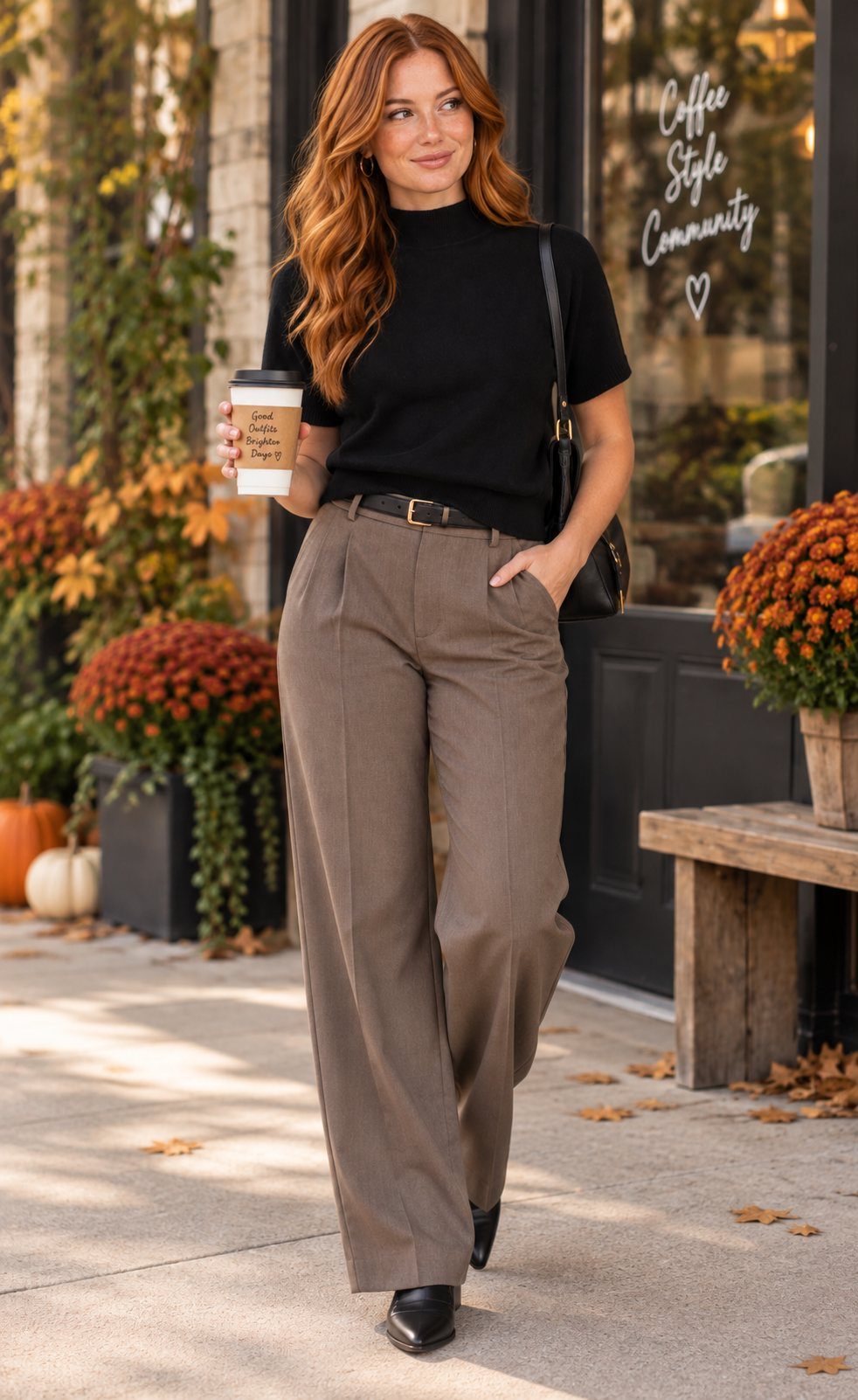
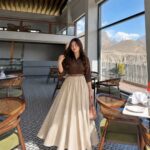
Structured brown trousers with a black short-sleeve top and pointed boots is the balance in action: one tailored piece, one relaxed, the shoes deciding which side wins.
Women get more room to mix these registers, and the piece that carries the formality matters most.
Wide-leg trousers need a fitted or tucked top to keep proportion clean; a flowy dress wants a cropped jacket or structured bag to anchor it. I would not wear two voluminous pieces together unless height is on your side.
For most frames, one fluid element with one sharp line reads intentional. A mock neck or smooth-front top keeps the midsection polished without layering; high-rise bottoms lengthen the leg and keep the silhouette deliberate.
Check your shoulder seams, your hemline, whether anything pulls or puddles before you leave.
6. Fit and Tailoring
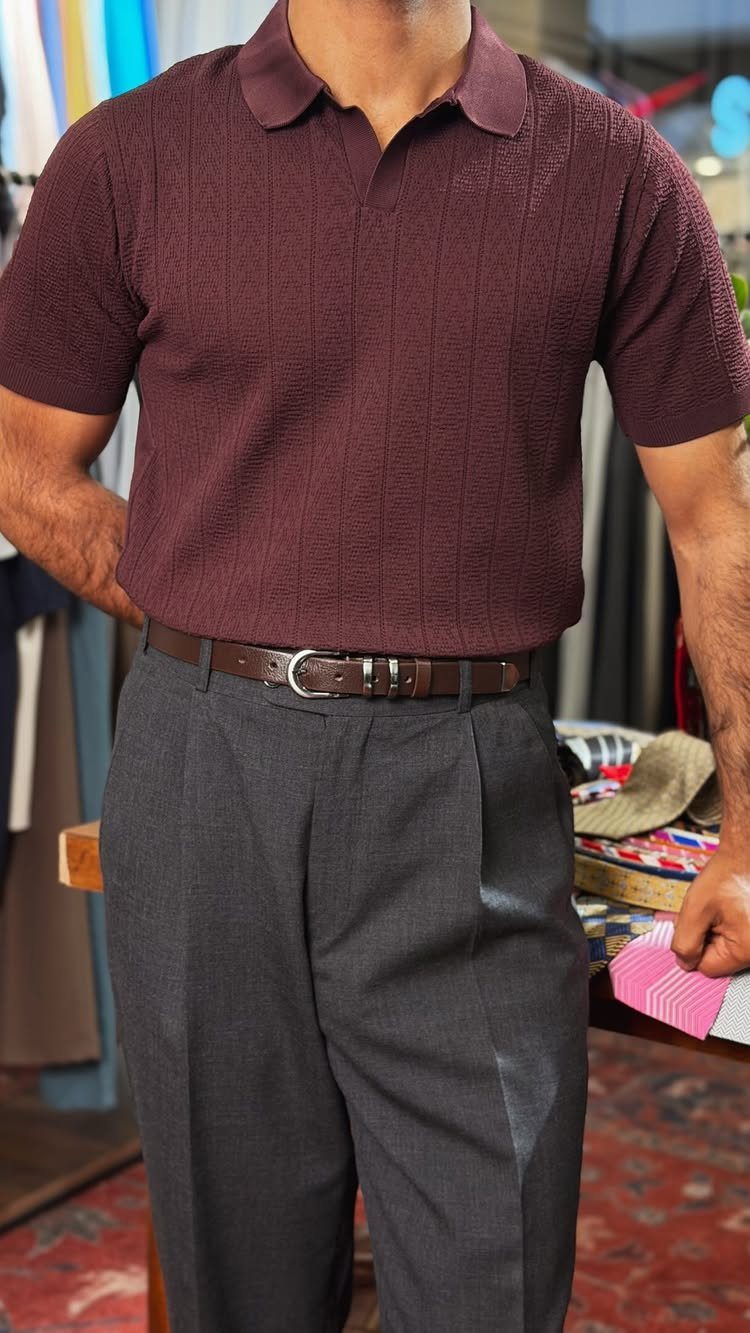
A knit that skims the torso without clinging, trousers that sit at the natural waist without bunching, the belt bridging them at the right point; these are fit checkpoints that cost nothing at purchase and everything at the tailor.
I would rather own three pieces that fit well than twelve that do not. Shoulder seams should land at the shoulder bone, sleeves end at the wrist bone, jackets close without strain.
A small adjustment taken in or let out turns off-the-rack into something that looks considered. Budget for alterations as part of the purchase, not an afterthought.
7. Accessorizing Smart Casual
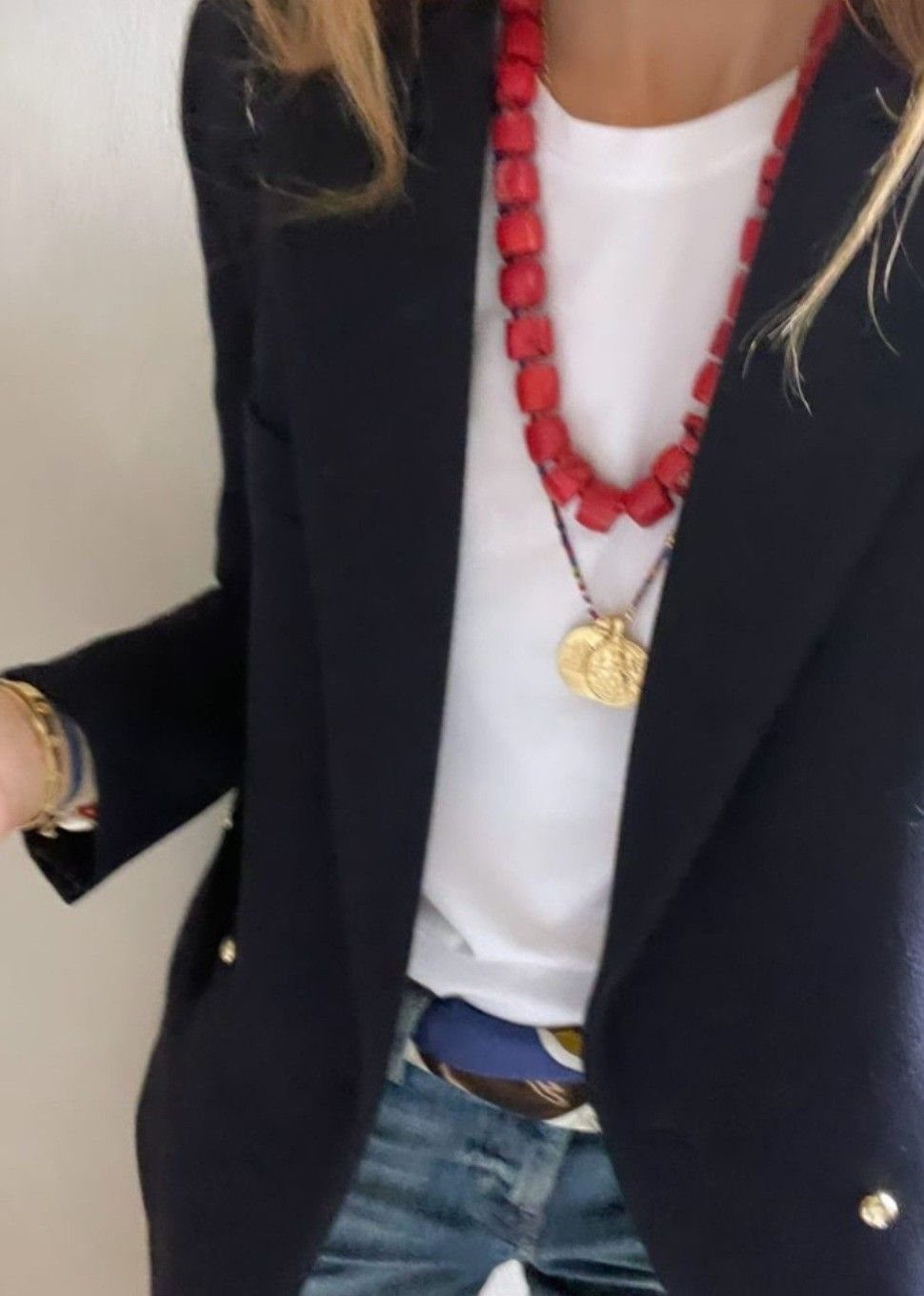
A single bold accessory does more for a blazer and jeans than a full jewelry box ever could.
One strong piece near the face, like red beads with a gold pendant, pulls the eye up and makes the whole outfit feel considered.
Start with what you already own: a leather belt that matches your shoes, a watch with a clean face, or one chain necklace. Add a second piece only if the first feels lonely.
Scarves work the same way, a wool or cashmere one in winter shifts a casual coat toward intentional.
Shoes count here too. White trainers dial a suit down; heels lift denim up.
The move that saves money: buy one quality bag in a neutral color and let it travel across every outfit.
8. Smart Casual Icons
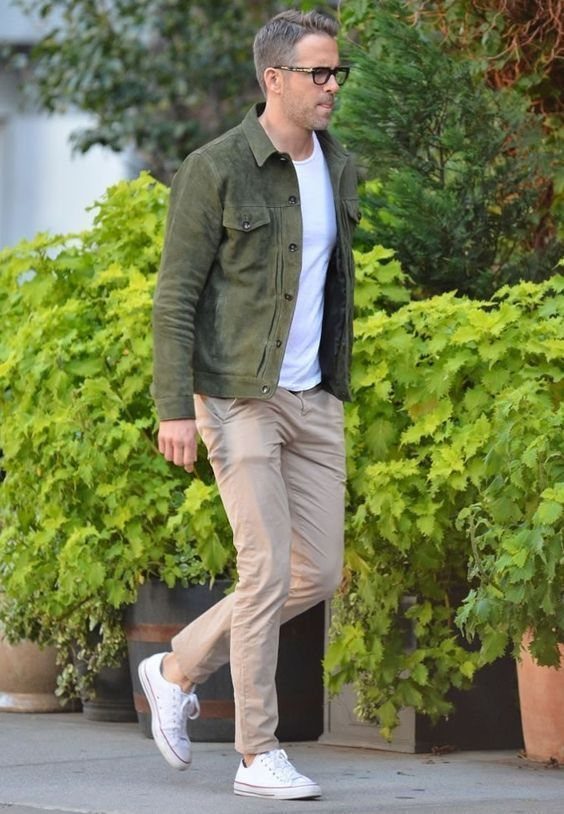
Ryan Reynolds built this look from pieces most men already have, just chosen with sharper edges. The olive suede jacket replaces a blazer without losing structure; the tan chinos sit between jeans and dress pants in formality.
White sneakers keep it grounded in real life.
What copies well: the color rhythm. Earth tones, olive, tan, cream, read as unified without matching.
The glasses add a touch that suggests thought went in, even if you need them to see the menu.
Women can borrow the same logic. A structured jacket in an unexpected texture, one tailored bottom, and shoes that look deliberate.
The icon to steal from matters less than noticing which pieces they repeat. Reynolds wears this silhouette often; that repetition is the lesson.
9. Tone It Down
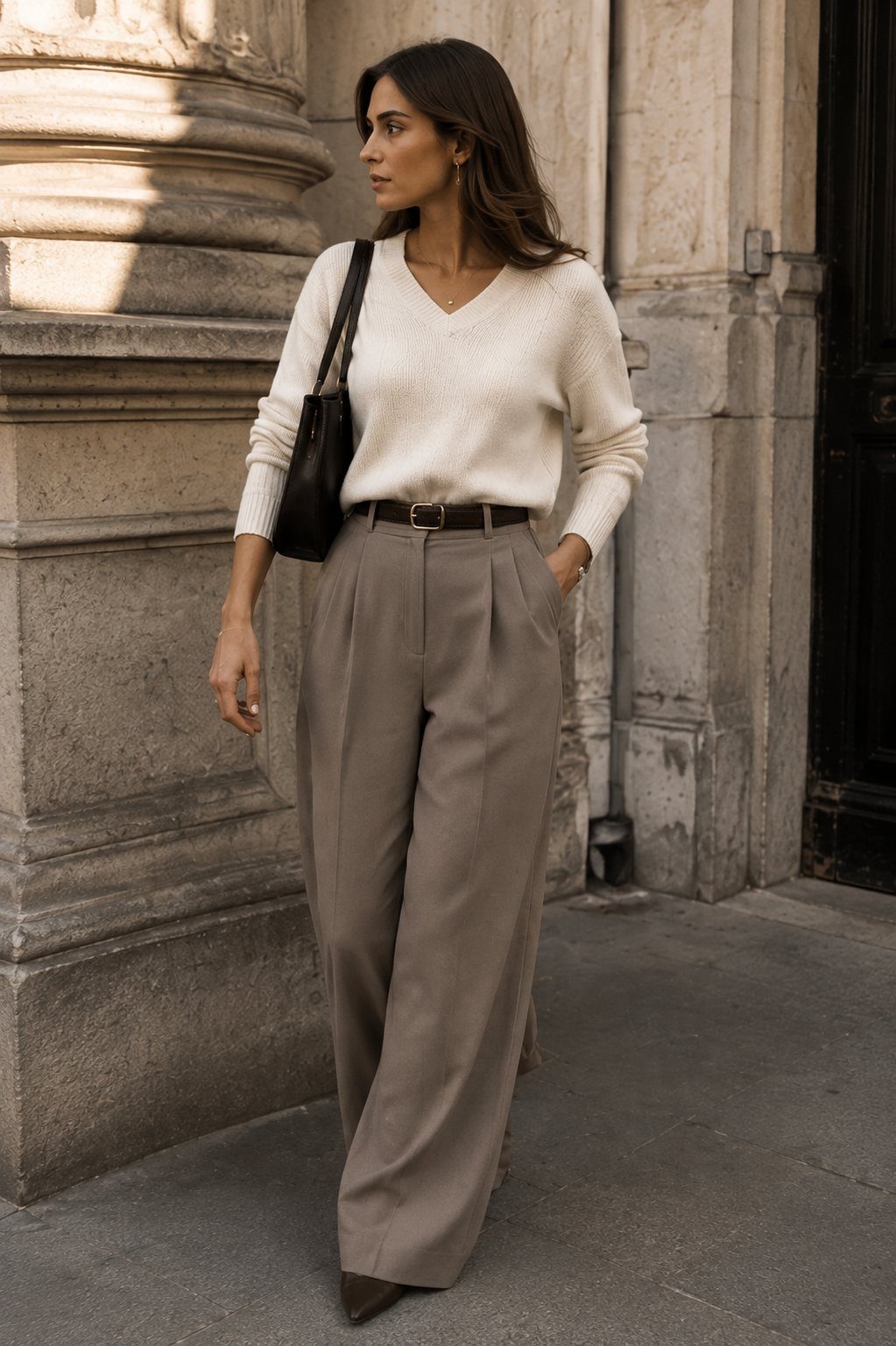
Off-white and taupe read expensive even when the sweater came from a sale rack. Dark tones do the same trick for evening or offices where you need more authority.
Bright colors pull casual, dark colors push formal. A mustard shirt relaxes a suit; a black bomber jacket dresses up weekend jeans.
The neutral route is safer when you are unsure which side of smart casual an event wants.
Gabrielle Union’s white loungewear set proved this: same fabric, different color, and she looked dressed for dinner. The belt and bag did their part, but the pale tone did most of the lifting.
Start with cream, gray, or chocolate brown when building a base; add color through one removable piece if the room allows.
10. Weekends & Travel

Weekend smart casual means pieces you can add at a restaurant door or peel off in a warm car.
Layers, shoes that work for walking, and a bag that rolls instead of dangling from one shoulder: this is how you dress for a day that moves.
A polo shirt in a stronger color than your weekday rotation works here; it signals time off without looking sloppy. Jeans or chinos, clean sneakers or boat shoes, and a jacket you can carry if the afternoon heats up.
The test is whether you could sit on a park bench and still look put-together for a spontaneous reservation.
For travel, choose fabrics that survive the bag. Wrinkled linen says vacation; wrinkled cotton just says you did not check a mirror.
Slip-on shoes save time at security and look finished enough for dinner straight from the gate.
11. Texture Is Your Friend
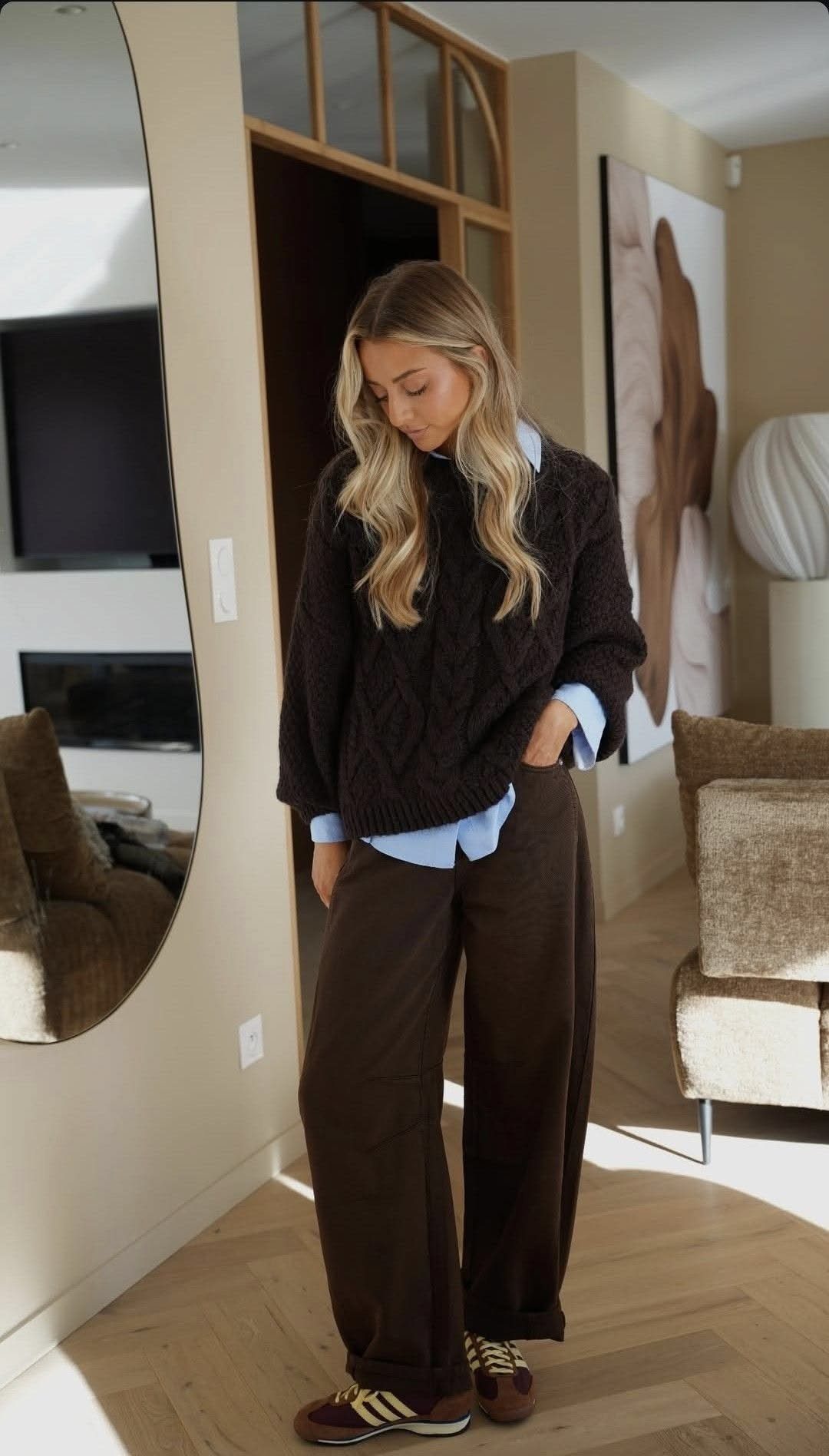
Cable knit over a collared shirt gives the eye two textures to notice without needing a third color. Brown sweater against blue shirt creates contrast through weave, not hue, a quieter way to look deliberate.
Houndstooth, herringbone, and pincord work the same: pattern built into the fabric rather than printed on top. These read as texture from across a room and stay interesting up close.
Pairing them means watching weight. A heavy knit with heavy wool trousers fights itself; the sweater works when the trousers hang light and wide.
Silk against leather, satin under knit, these pairings need one smooth and one rough. Touch both fabrics before buying.
If they feel like they belong in different seasons, they probably belong in different outfits.
12. Let the Trouser Be the Focal Point
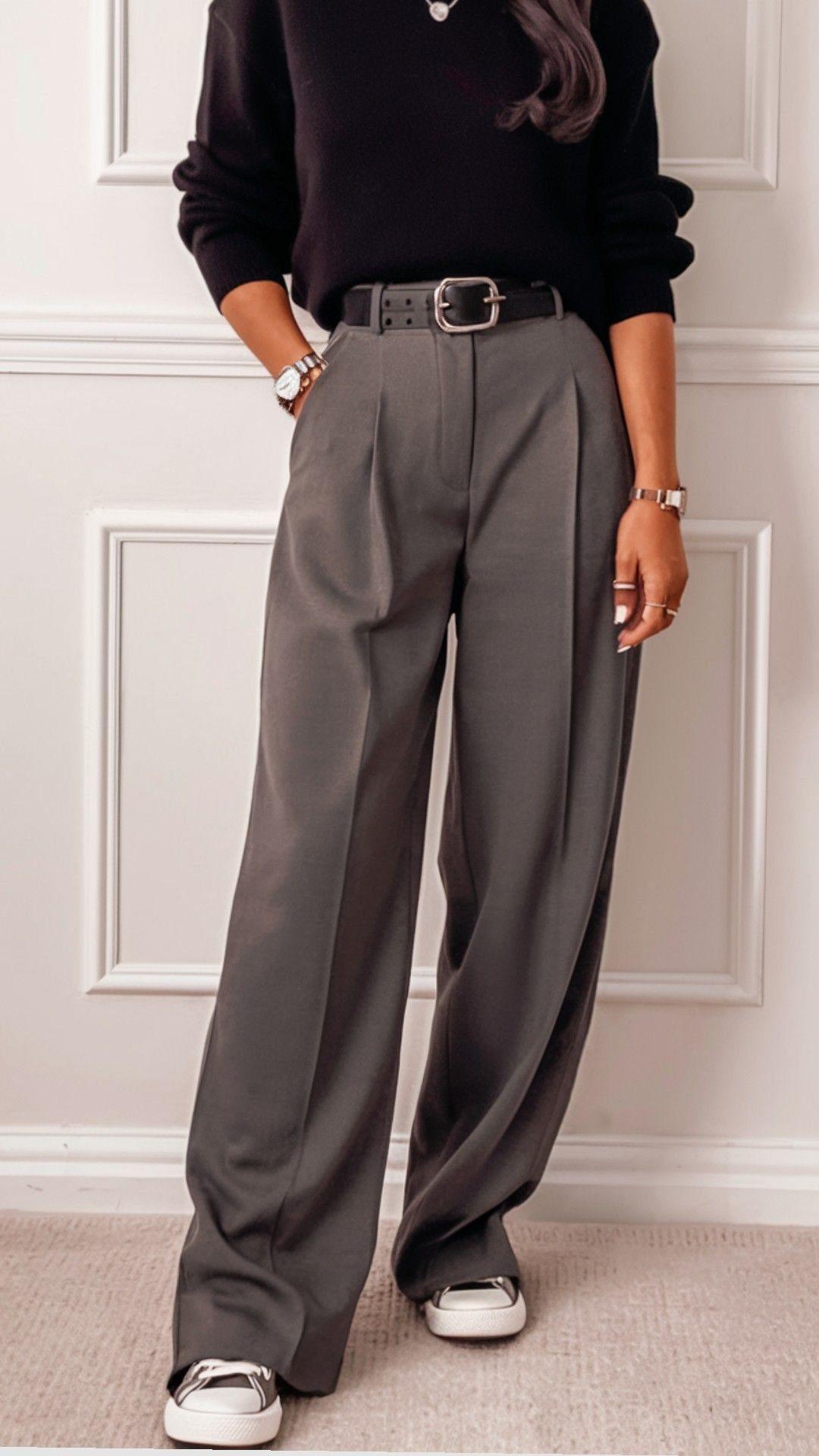
One dressy piece carries the outfit when everything else stays simple. Grey trousers with the cut and fabric of office wear stay in play after hours when a black sweater and sneakers keep them from looking lost.
Wide-leg or pleated trousers in wool or a wool blend anchor the look. The belt matters more here than with jeans, it defines the waist and shows the proportion was considered.
Jennifer Lopez used white wide-legs the same way, everything else relaxed around them.
This approach saves money over time. Buy one excellent pair of trousers, wear them with tees, sweaters, or blazers you already own.
The trousers do the formal work; the top half does the living. Best for anyone whose calendar mixes client meetings and school pickups in the same day.
13. Mixing High and Low
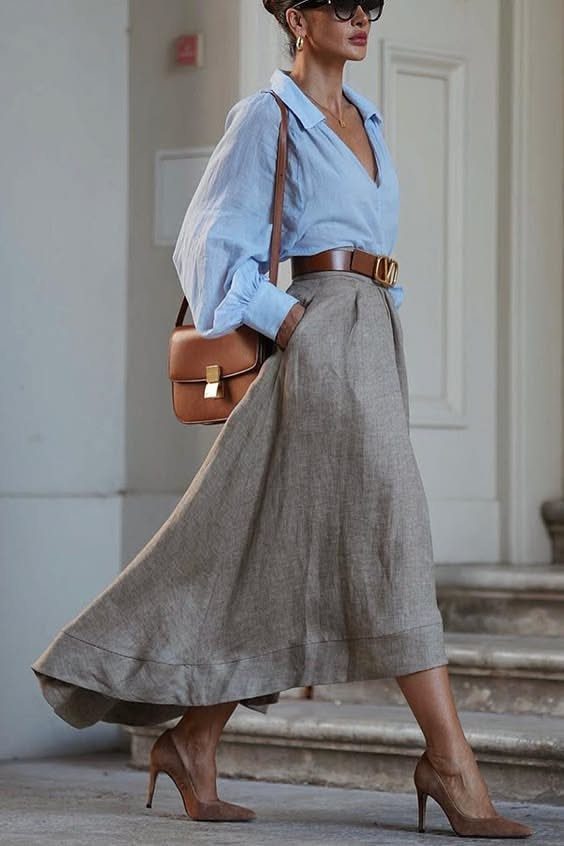
A silk skirt with a cotton button-down is exactly what smart casual means: one piece that reads dressed-up, one that reads everyday. The high-low mix is not about price; it is about formality.
A blazer reads formal, a tee reads casual, and putting them together is the whole move. Count what you are wearing: two high pieces need a low piece to balance them, and vice versa.
She could swap the heels for sneakers and need the belt or bag to step up. That is the tally to check before you leave the house: does the outfit lean too far one way?
14. Seasonal Adaptations

Smart casual in October means you are dressing for a temperature that shifts three times before lunch.
Layers you can shed one at a time keep you ready for a warm room or a cold walk: lose the overcoat and the sweater still works, lose the sweater and the shirt stands on its own.
Lightweight linen and cotton handle July, but the same logic applies. What changes is weight, not strategy.
A mid-weight knit under a coat gives you two outfits for a day that starts at forty-five degrees and hits seventy. The only mistake is dressing for the high or the low and suffering through the other half.
Balancing Smart and Casual
The mix is what matters, not the pieces themselves. One polished item with one relaxed item is the starting point; two formal pieces need something casual to balance them, and two casual pieces need something sharp to lift them.
A cotton button-down against a silk skirt, or a soft knit with tailored pants, hits the same balance from the other direction. If so, swap the shoes, add a belt, or change the bag until the tally evens out.
Color helps.
A “smart casual” dress code is one of the trickiest to dress for.
— Vogue
Importance of Fit
Clothes that fit your actual shape do more for your look than any price tag; a cheap piece that sits right beats an expensive one that gaps or sags.
"Relaxed" does not mean oversized everything.
Hem rules matter too.
Three pieces that fit well beat twelve that do not.
Avoiding Overdressing
Too dressed up and you look like you missed the memo; too relaxed and you look like you did not care to read it. The balance shifts with the room.
Err slightly toward polished if you are unsure, but not so far that you look like you are trying too hard.
Proportion helps you land in the right place. One easy piece paired with one sharp piece looks like a decision, not an accident.
A little definition at the waist and a smooth line over the hips keeps things polished without turning corporate.
Frequently Asked Questions
What is smart casual dress code?
Smart casual is a blend of polished and relaxed clothing that sits between formal and casual wear. The core idea is mixing refined items like blazers or tailored trousers with relaxed pieces such as dark jeans, tees, or clean sneakers.
Are jeans allowed in smart casual?
Yes, dark, well-fitted jeans are acceptable when the wash is deep and the line stays clean. Tuck in an Oxford shirt and finish with loafers, or throw on a blazer when the room calls for more polish.
What is the 3-3-3 rule for clothes?
A three-layer system works better here: base, middle, and top, outerwear aside. The base does the quiet work, the middle handles weather and setting, and the top layer is what people register first.