Business women style covers everything from a ponte pencil skirt you replace each season to a tailored wool blazer worth the cost of altering twice.
The deciding factor is your office’s unwritten dress code: client-facing days demand polished leather and wrinkle-free fabrics, while desk-heavy weeks reward block-heel slingbacks and stretch trousers that survive back-to-back meetings.
1. Footwear Choices
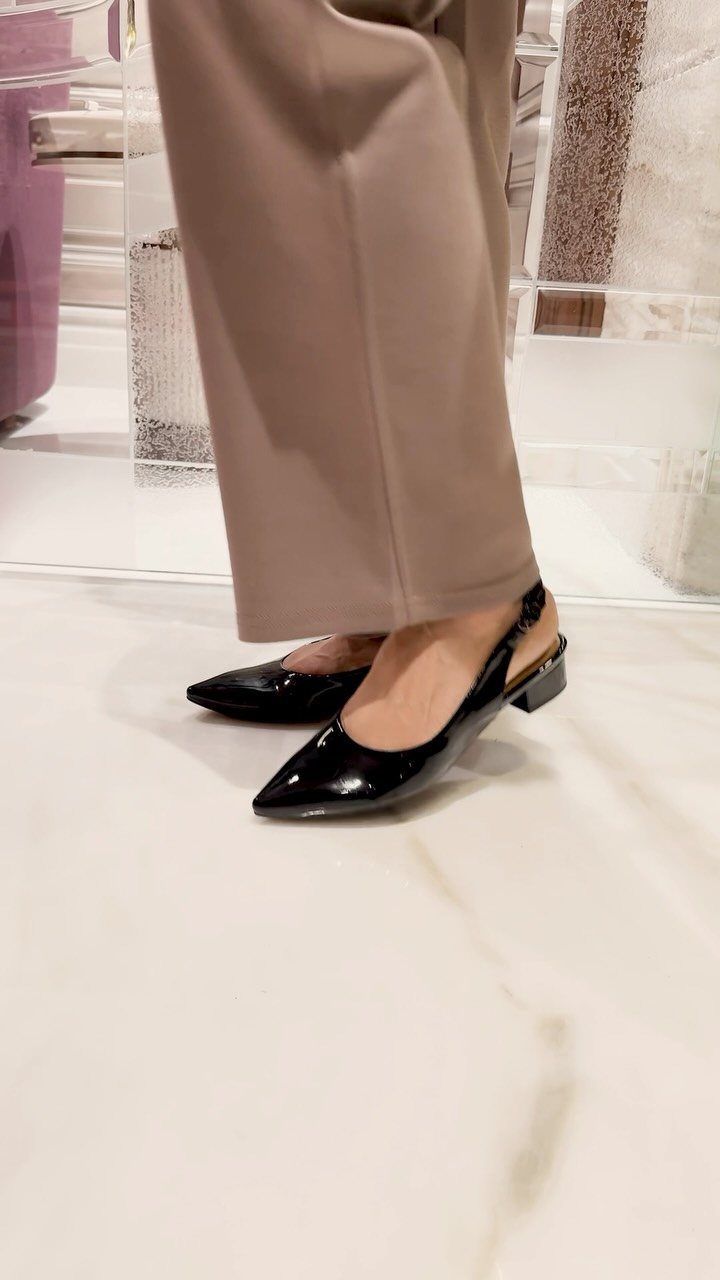
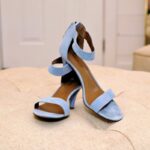
Black patent slingbacks with a low heel look polished enough for a client meeting and stay comfortable through a full day.
A one to two-inch heel gives enough lift for presence without the back pain of stilettos, and the pointed toe keeps the line formal even in flats.
Pumps and loafers belong here too; running shoes and flip-flops do not. Patent leather reads dressier than matte, so save it for client days and go with a softer finish for everyday desk work.
If your office leans casual, clean white leather sneakers can work, but they should look intentional, not like gym leftovers.
I’d pick a block-heel slingback for anyone on their feet between meetings. The stability matters more than the extra inch.
2. Business Professional Attire
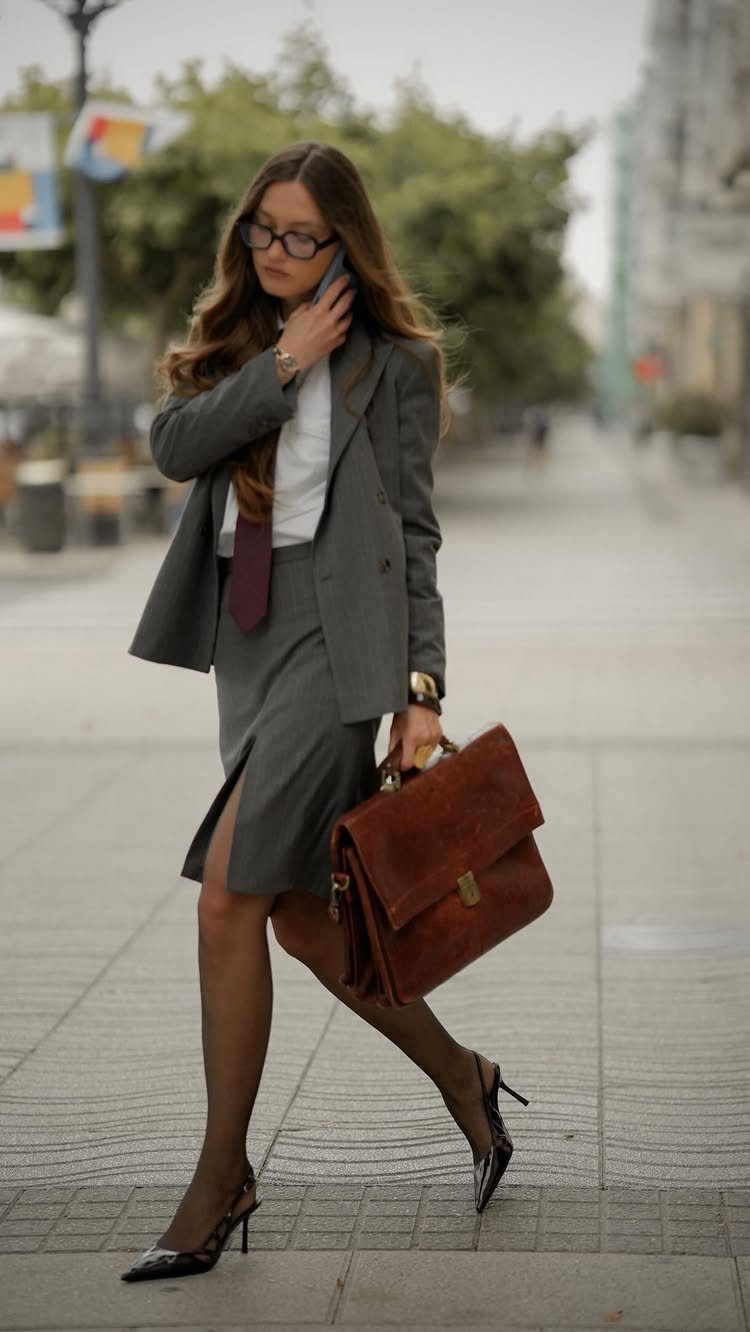
A grey skirt suit with a tie still signals authority in rooms where first impressions count. Matching separates in conservative colors keep attention on what you’re saying, not on what you’re wearing.
Blouses and button-downs are the standard top layer, though a short-sleeved silk blouse with a pocket detail works if the fabric carries the formality. Satin, chiffon, and cashmere blends read expensive; knit tees do not.
A small print paired with a larger one works when one piece stays quiet enough to ground the other.
Wrinkle-free fabrics win here. Wrinkle-resistant fabrics save the morning scramble before an early presentation.
This level of dress suits high-stakes meetings, interviews, and industries where clients expect traditional signals of competence. Silk and linen need more care and cost more upfront than synthetics or cotton blends.
3. Dress Pants
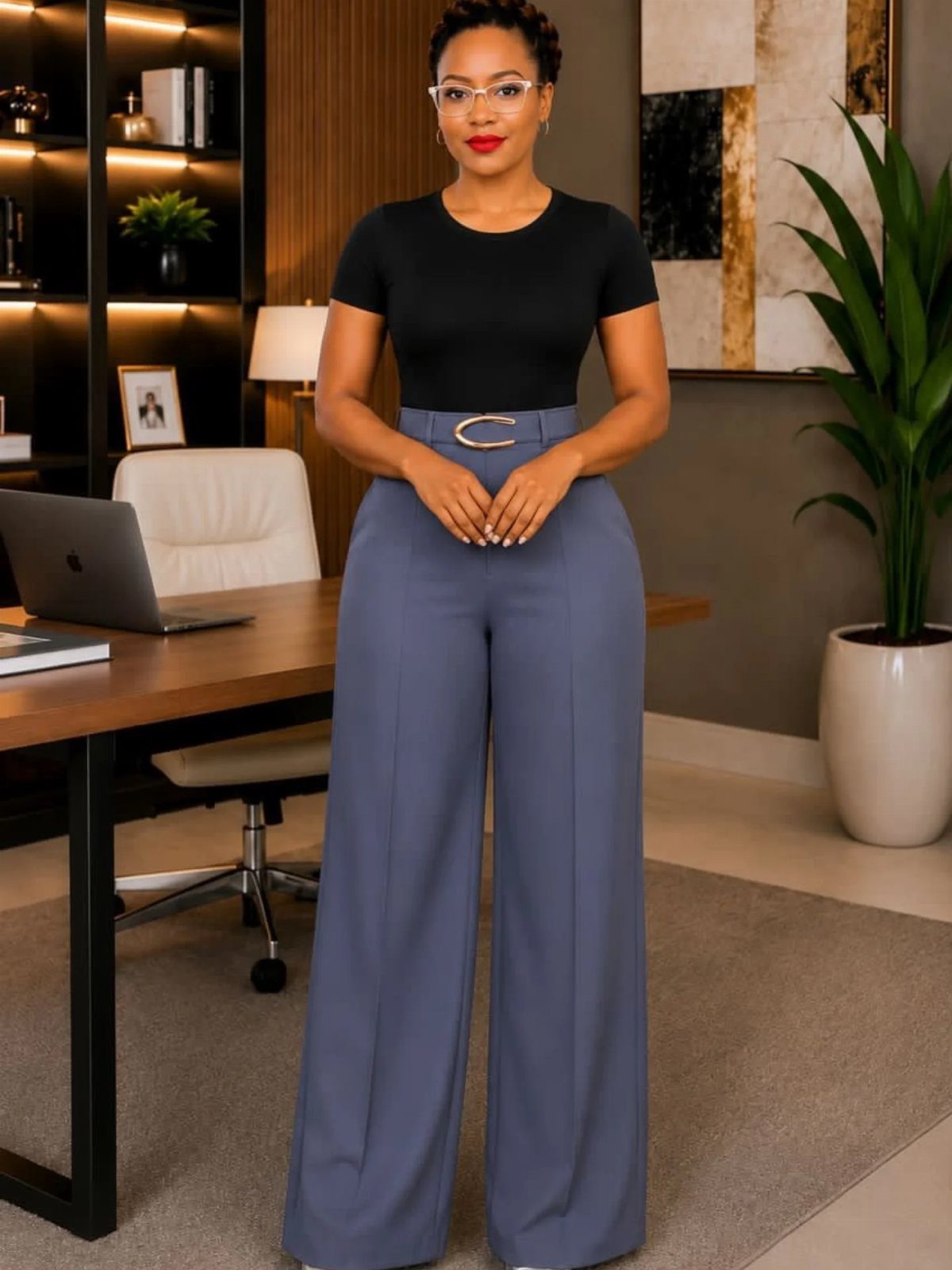
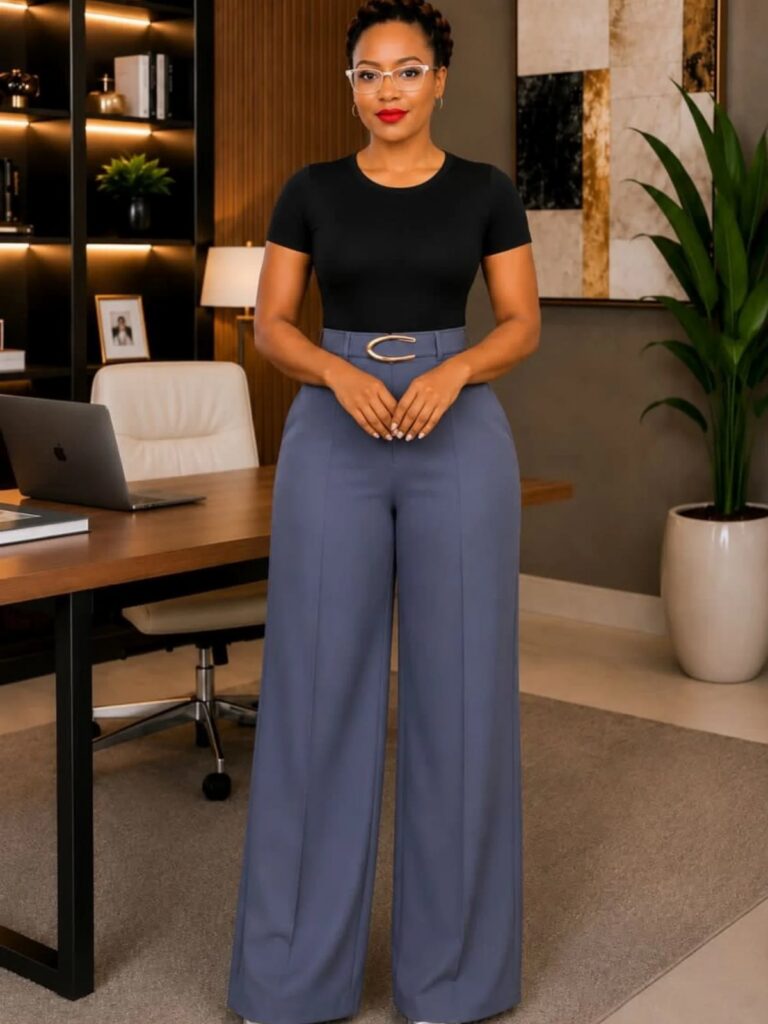
Wide-leg trousers in a dark neutral have become the default for good reason.
They move between business casual and professional depending on what you pair them with, and the high waist lengthens the leg line whether you wear them with flats or heels.
Straight-leg and cropped cuts work too; the question is your office culture and your proportions. A cropped pant shows off the shoe, which works if your loafers or slingbacks are worth displaying.
Bright colors and busy prints, florals or paisley, tilt too casual for conservative settings. Solid black, navy, or camel stay safe across industries.
Wool and cotton blends travel better than linen. Linen creases the moment you sit down at a desk; save it for days spent mostly on your feet.
Check your own mirror for where the hem falls with your usual heel height. Floor-length needs to actually reach the floor, not hover awkwardly above it.
4. Power Dress
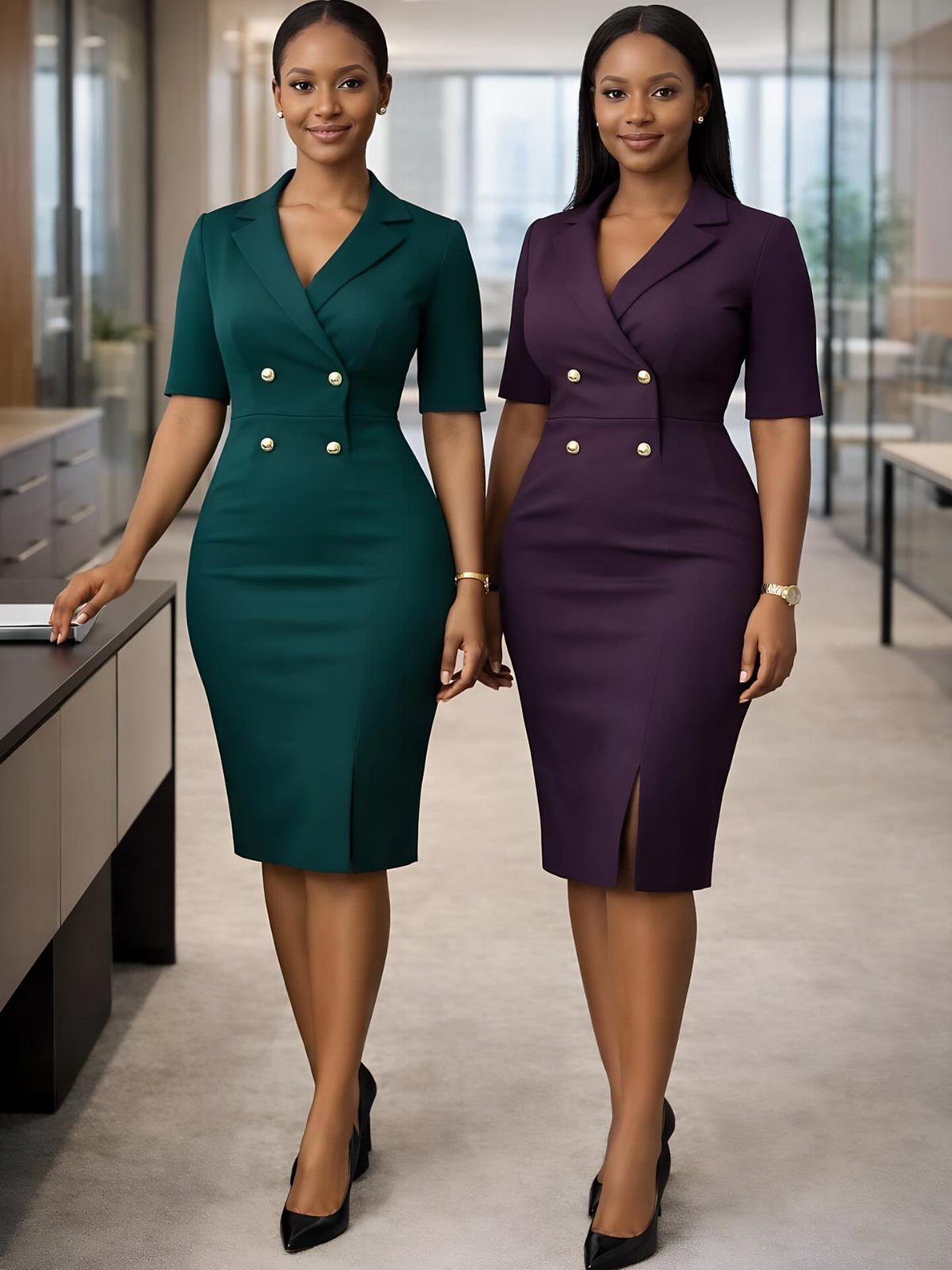
A sheath dress with clean tailoring replaces the suit on days when one decision is enough.
Fit matters more here than with separates; there’s no jacket to hide a gaping neckline or pulling seam. Look for a defined waist and fabric with enough weight to skim rather than cling.
Pair with heels for the polish, though a low slingback keeps it wearable from the first meeting to the last.
Conservative does not mean boring. Dark teal, plum, or forest green read as colors, not as statements.
This option suits anyone who travels for work or faces mornings with no time to coordinate. A dress gives less room to adapt; a spill or an over-air-conditioned room means the whole outfit shifts, not just one piece.
5. Casual but Professional Skirts
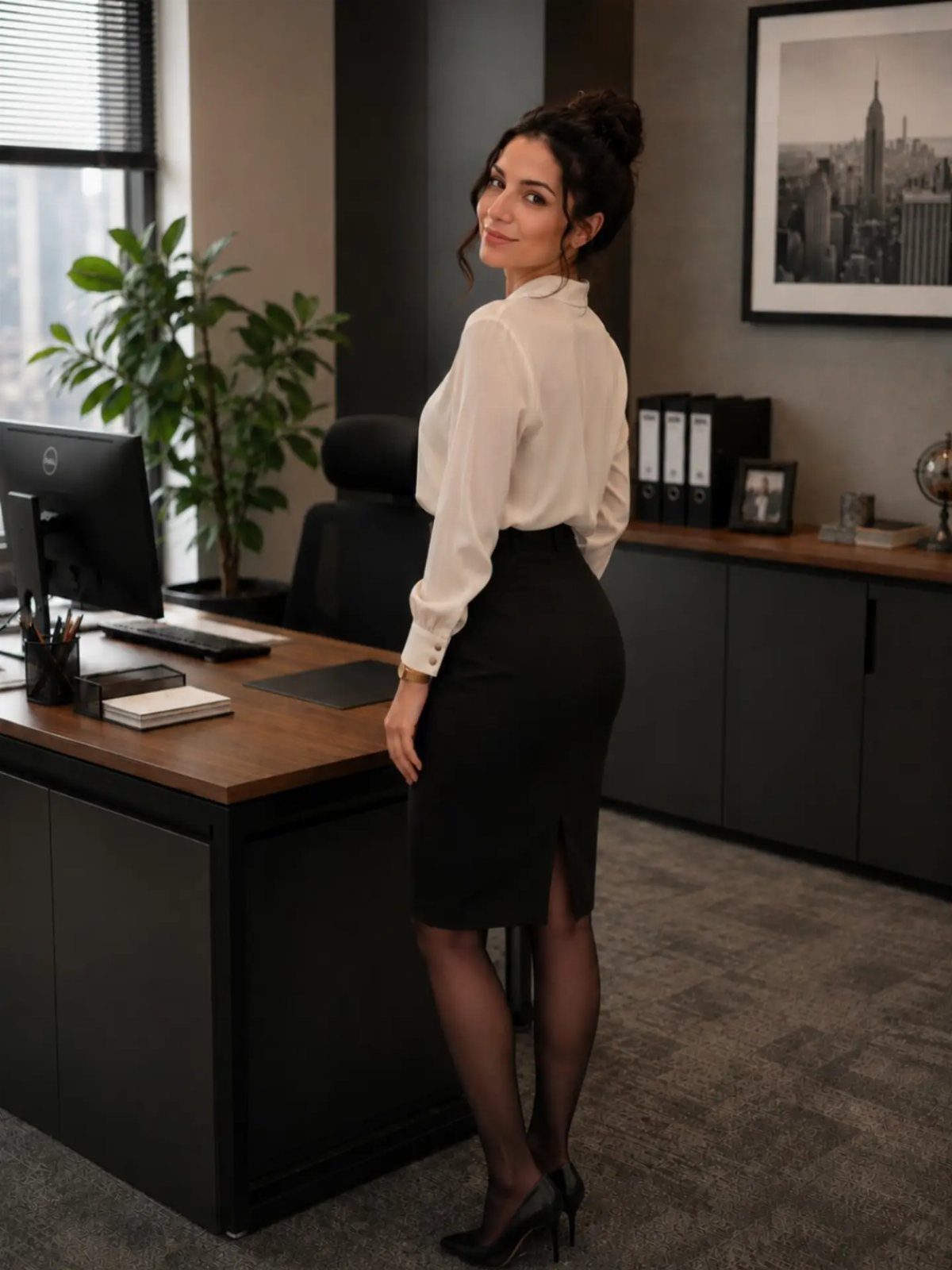
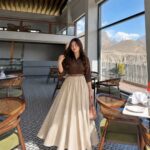
A black pencil skirt at knee or midi length grounds a white blouse into an outfit that reads intentional.
The straight or slightly flared cut is what separates office-appropriate from evening; anything too tight, too short, or too long drifts out of business casual territory.
Ponte knit works well here, stretch that still looks structured after hours of sitting. A small slit at the back aids walking; a high one changes the message.
Printed or colored skirts need a simple top to balance them. Dark denim can work in relaxed offices if the length is right and the hem is finished, not frayed.
Skip sequins, lace, skorts, and anything sleeveless or off-shoulder. The fingertip rule for length still holds in conservative environments.
6. Jewelry for a Professional Look
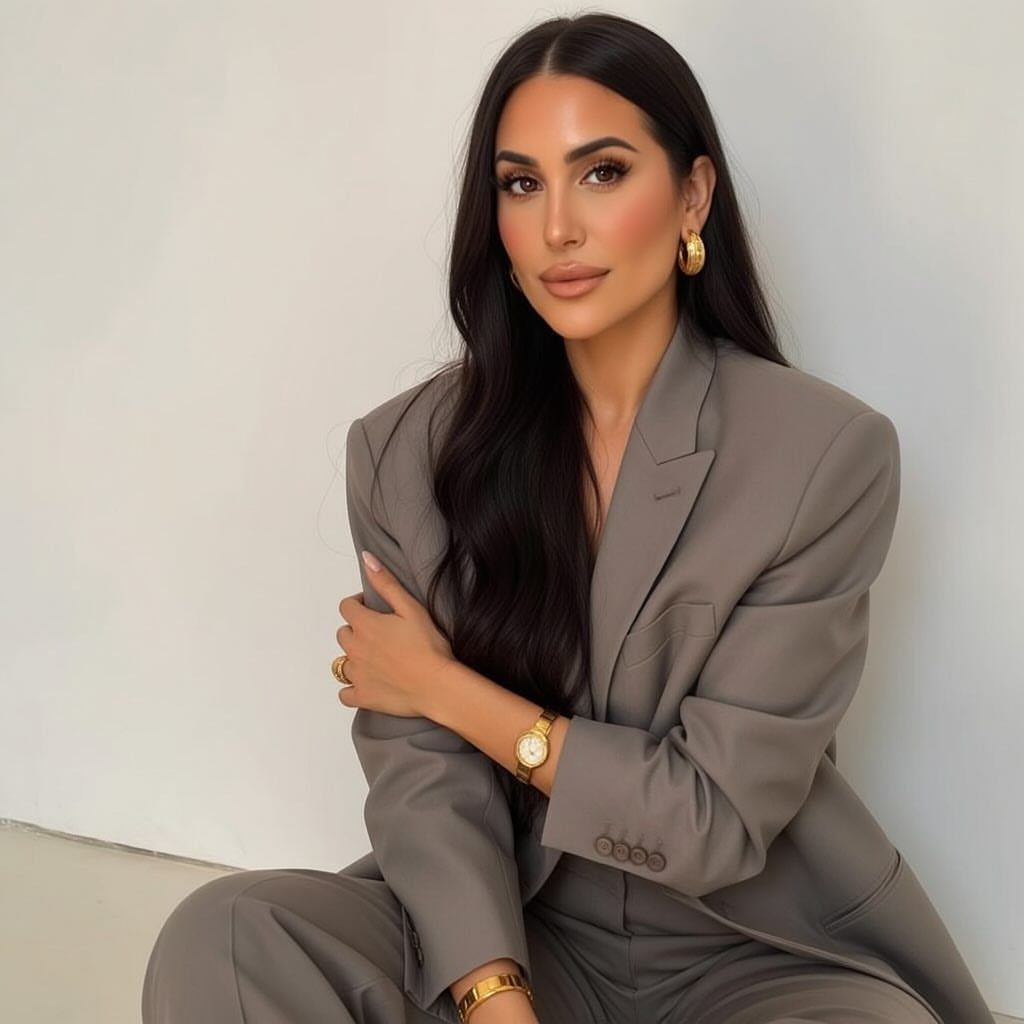
Gold hoops and a slim watch finish a pantsuit without competing with it. The rule is one focal point: either a statement piece kept small, or layers kept delicate, never both fighting for attention.
Mixing metals is no longer a mistake. A silver chain with gold hoops works if the scale is consistent and the finishes match in sheen.
For traditional offices, a single strand of pearls or a simple stone pendant on a thin chain still reads correct without reading trendy.
Bracelets click against keyboards, so I’d limit them to client days away from the desk. Earrings and a watch carry the whole look for anyone at a keyboard all day.
Size matters more than cost. A tiny genuine pearl wins against a large flashy piece that swings into view every time you turn your head.
7. Well-Fitting Blazer
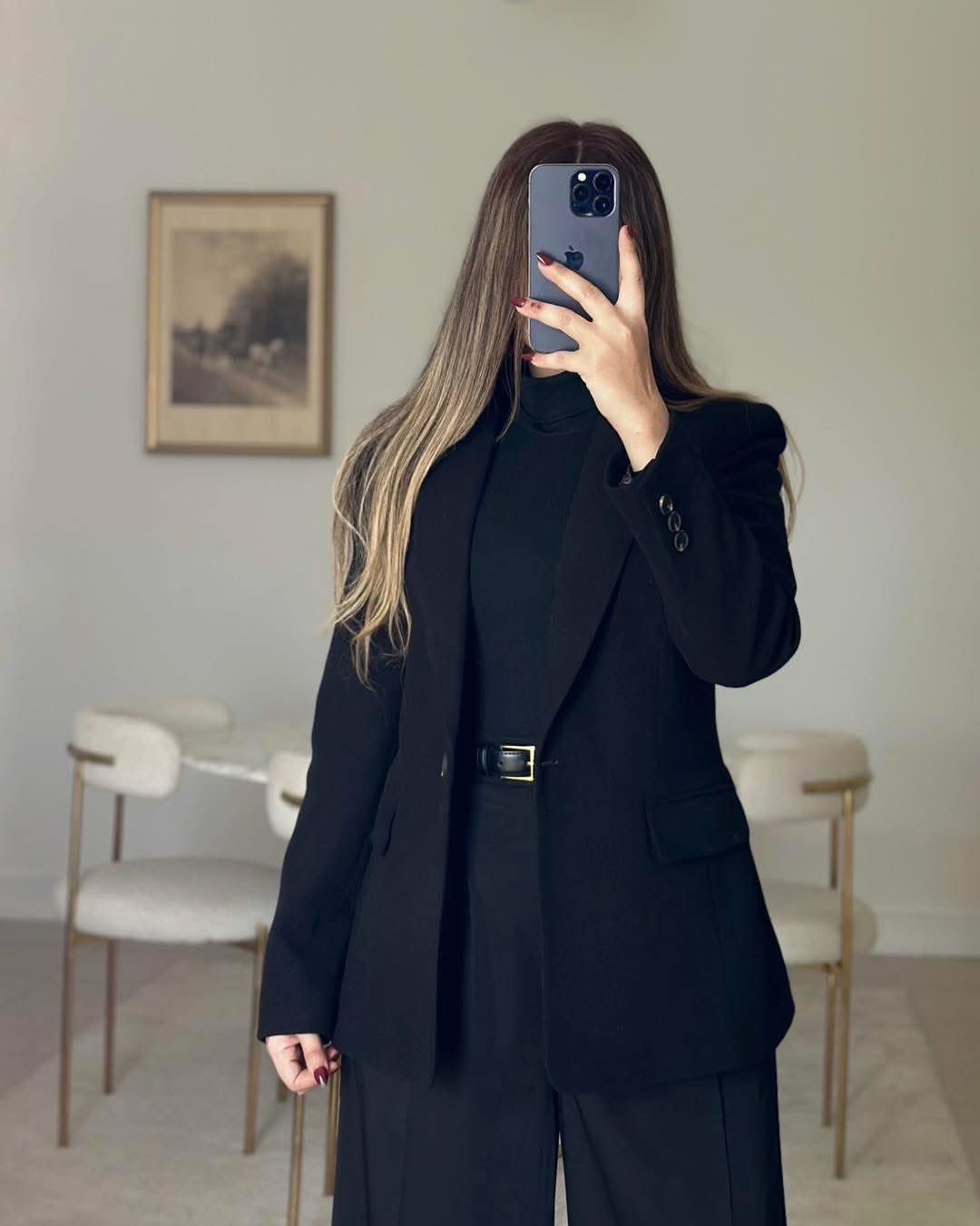
A black blazer that actually follows your shoulder line turns a turtleneck and trousers into something that reads as intentional rather than thrown-together.
A blazer that sits close to the body without pulling, with sleeves hitting right at the wrist bone and the hem landing below the hip, reads as intentional rather than borrowed.
For winter, a wool or textured weave holds its shape through commutes and long meetings. Summer calls for something lighter: linen breathes but wrinkles, so a knit scuba or structured cotton blend keeps you looking pressed in overheated conference rooms.
Two blazers in rotation, one heavy and one light, covers most offices if both stay in navy, charcoal, or black.
Tailored or slim-fit cuts balance wide-leg trousers and a-line skirts without adding bulk where you do not want it. If the blazer is the only structured piece in your outfit, everything else can relax a little.
This is the piece to spend on if you spend on one thing; fit matters more than fabric, and good tailoring fixes a mid-range buy faster than an expensive cut hides a bad one.
8. Tailored Pantsuit
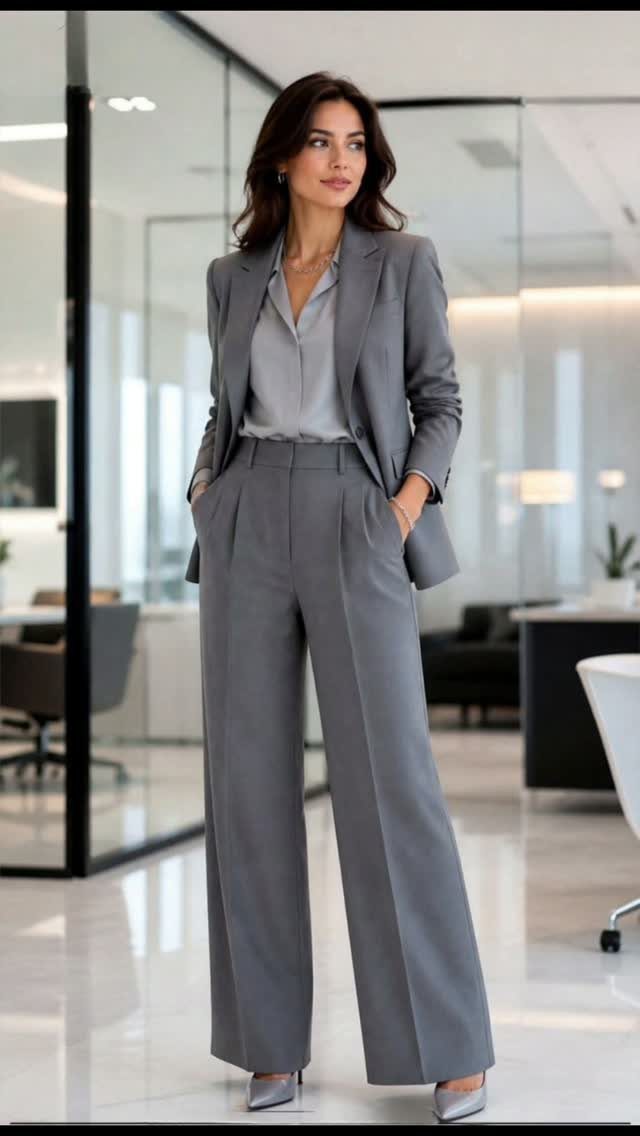
A full pantsuit signals you understood the assignment before you said a word. A grey jacket with wide-leg trousers sits at that exact point where formal still looks current, not borrowed from a decade ago.
The real value is in splitting the set. Monday’s presentation needs both pieces together; Thursday’s client lunch might only want the blazer over dark jeans with the same collared blouse underneath.
The trousers then pair with a different top Friday. Three distinct outfits from one purchase, which matters when you are building rather than replacing a wardrobe.
Sleeve and trouser length make or break the effect here. Budget for tailoring after you buy; even mid-range fabric reads expensive when the hem hits right at the shoe and the jacket sleeve shows half an inch of shirt cuff.
9. Sleeveless Top and Neutral Slacks
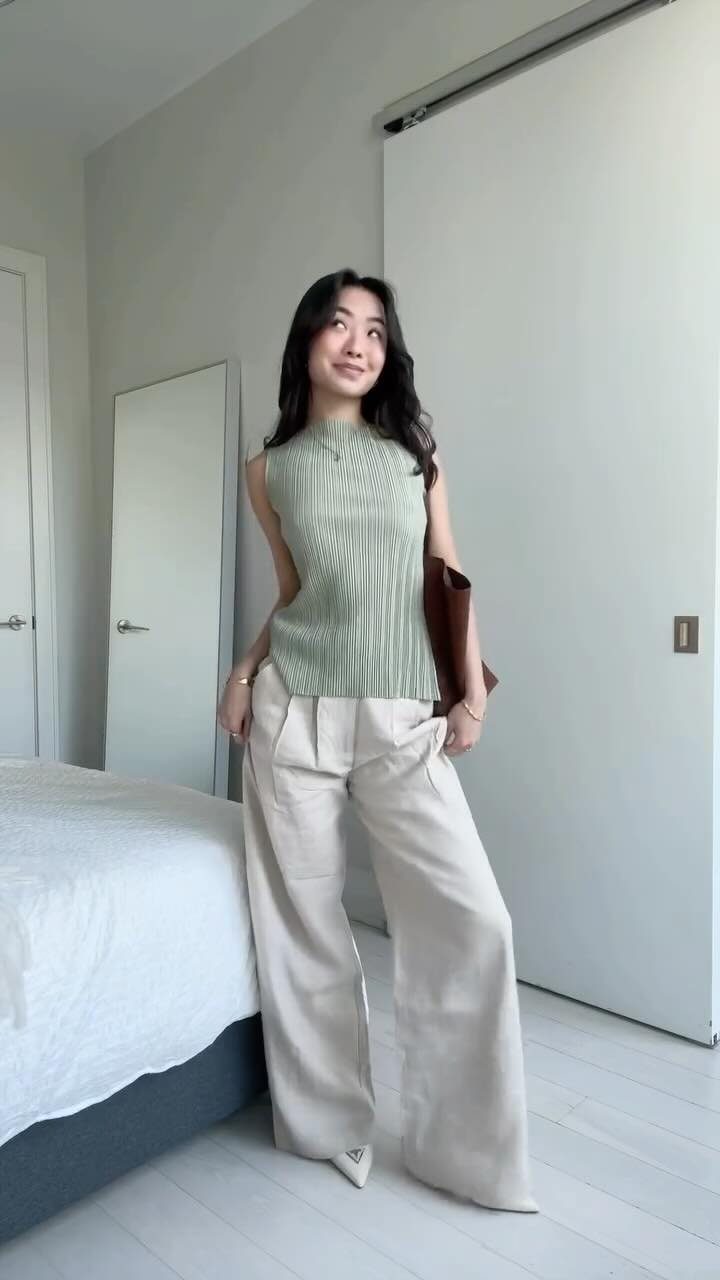
Wide-leg trousers in a neutral tone do the legwork of an outfit without demanding attention. A sleeveless ribbed top keeps the line clean through the torso, and the combination reads pulled-together without the structure of a full suit.
The proportion between top and trouser width is what changes the outcome. A fitted sleeveless knit balances volume below the waist; a looser top with the same pants drifts toward loungewear.
Check your own pieces against this: if the top skims rather than hugs, the look needs a tucked or cropped version instead.
For offices that run warm, this is the summer alternative to jacket-required days. Add a lightweight blazer draped over your chair for meetings, or skip it entirely if your floor operates on business casual most afternoons.
10. Button-Down Shirt with Pencil Skirt
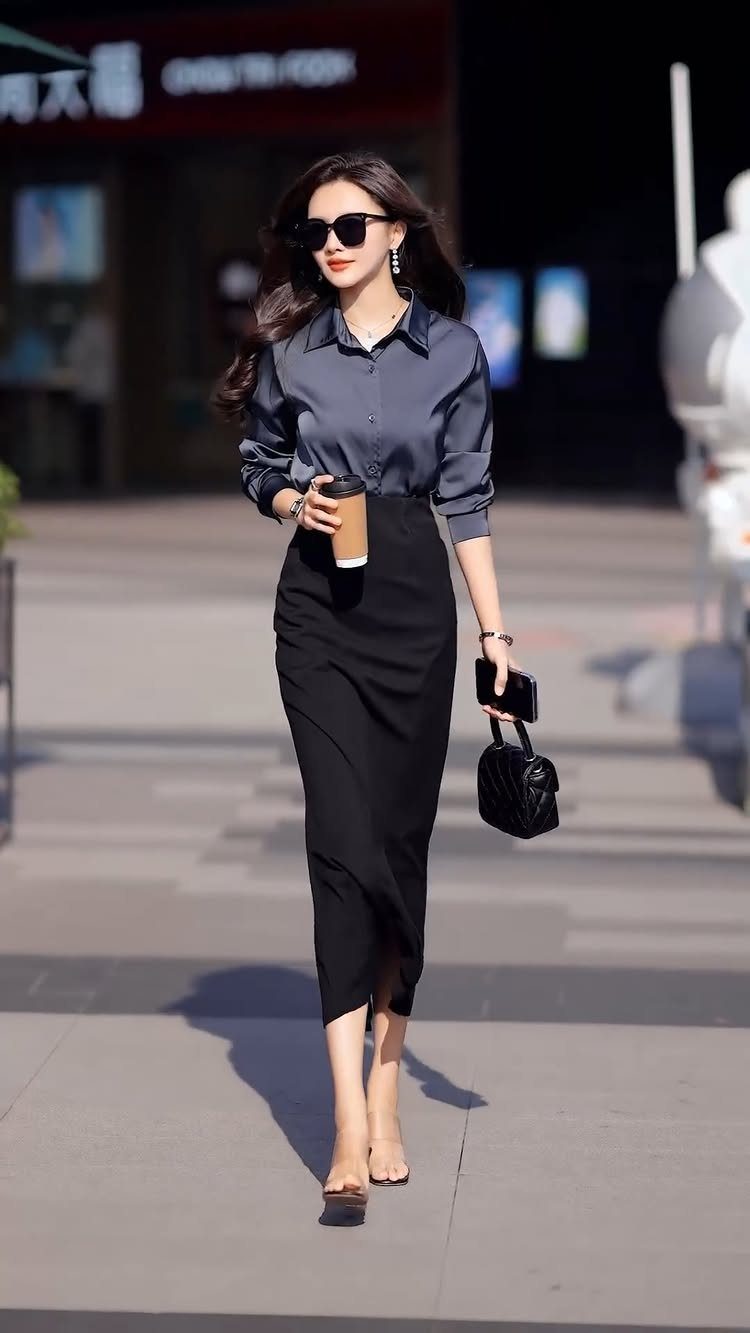
A pencil skirt and button-down shirt is the combination that never fully leaves style because it solves a real problem: looking appropriate without looking like you tried too hard.
A long black skirt with a dark grey shirt keeps the palette restrained so the silhouette does the talking.
The shirt’s sheen catches light differently than standard cotton, which lifts the pairing out of administrative territory.
A matte version works too, but then the fit has to be exact; any looseness reads sloppy without that textural interest to focus the eye.
Hem length on the skirt matters more than most people check. At or just below the knee is the workable range for most offices; higher starts requiring knowledge of your specific floor culture.
11. Pinstripe Waistcoat Over Ruffled Blouse
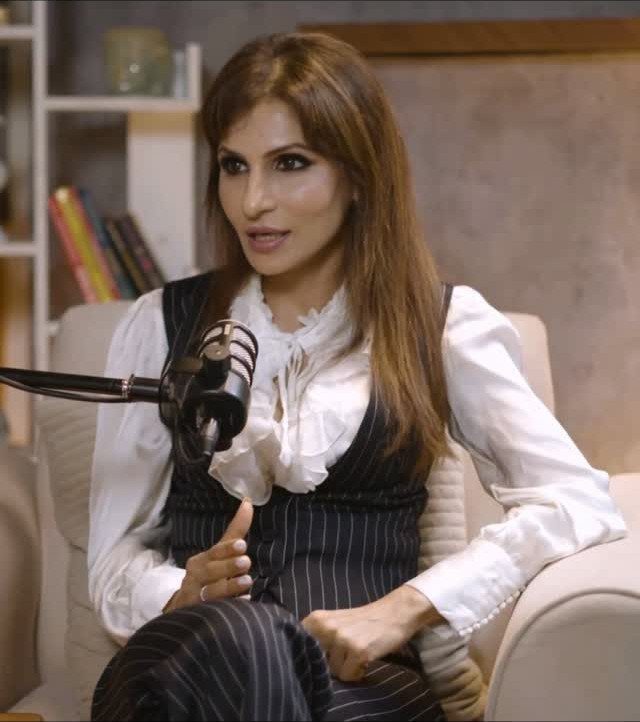
A waistcoat over a ruffled blouse borrows from menswear tailoring and softens it with fabric that moves.
A pinstripe vest keeps the line vertical and narrow through the torso; a ruffle at the neck fills the space a tie would occupy in a man’s three-piece set without copying the form.
This works best in settings where you want to be noticed as memorable rather than merely correct. The full vest-and-trouser suit is a statement; the vest alone over a simpler bottom is easier to absorb for conservative offices.
Check which version your calendar holds before you commit.
The ruffle’s volume is the variable to watch. A restrained version sits neatly under the vest; a larger one fights for space and reads costume.
Try your own blouses under the vest in a mirror the night before.
12. Professional Work Bags
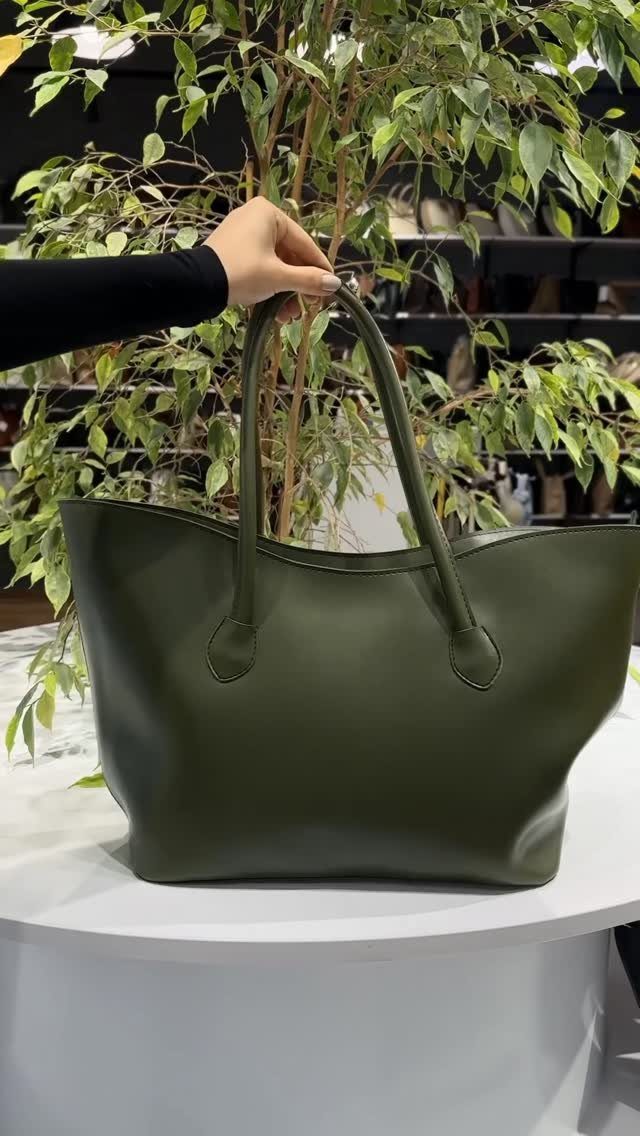
The bag that carries your laptop, your lunch, and whatever you grabbed on the way out either supports your look or undermines everything above it.
An olive green leather tote is large enough for function without the slouch that reads weekend.
Leather holds structure better than most synthetics, which matters when the bag sits on a meeting table or the floor beside your chair.
A sagging bag looks like you carry too much; a bag that stands when set down looks like you planned ahead.
Color is the choice that changes how often you reach for it. Black is safe and blends with most business palettes; olive, cognac, or burgundy adds interest without the difficulty of matching that a bright color demands.
Consider what you already own: if your coats and shoes run neutral, the bag can be where you add tone.
Fit and Tailoring
Sleeve length ends at the wrist, not draping past the hand. Shoulders sit flush at the edge, not hanging over.
A skirt hem reaches at least the top of the knee when you’re seated or walking, not just standing still. Trouser cuffs hit midway on whatever shoe you wear, which means most pants need altering for your heel height.
Even if you plan to leave the jacket open, try fastening it; the fabric should lie flat without pulling or gaping.
Coordinating suit separates give better fit than off-the-rack sets, and the pieces still pair with the rest of your closet. A mid-range jacket taken in at the waist beats an expensive one that boxes around your middle.
Workplace Culture
Your employee handbook is the starting point, not the finish.
Spend your first days watching the women at your rank and the ones above it: what they wear on ordinary days and what changes when a meeting is on the calendar. Notice what changes on meeting days versus ordinary ones.
That gap tells you the real range.
Some offices write "business casual" but mean dark denim and blazers; others mean khakis and polos. The handbook won’t capture that.
I’d rather overdress slightly on day one and adjust down than show up underdressed and try to recover.
If you’re new and unsure, a sheath dress or dark suit in a conservative color buys you time to observe without standing out.
Seasonal Considerations
Lighter fabrics need more care to stay crisp. I’d check my own mirror at midday, not just morning, for where things have settled or wrinkled.
Seasonal weight matters less than whether the fabric recovers from sitting.
Mixing Casual and Formal
Business casual is not weekend casual. The word "business" still does the work.
A camel blazer, earrings with some shape, or a printed blouse keeps the look personal without sliding into boring. Color and texture do the lifting; one at a time is plenty.
I’d use one interesting piece against quiet basics. A printed blouse with simple trousers, or a textured blazer over a solid shell.
Never interesting earrings plus a printed top plus a textured jacket; the eye has nowhere to rest.
Creative industries allow more range, but "casual Friday" in a formal office usually means chinos and a knit, not jeans and a tee. Watch what actually walks in that morning, not what the policy says.
Frequently Asked Questions
What should a business woman wear?
A business wardrobe starts with pieces that fit your actual body, not a mannequin: a blouse that closes without gaping, pants that sit at your waist, a skirt you can walk in.
Two-piece sets in cotton, wool, or a clean synthetic pass for a suit on days you need to look pulled together fast. Skip jeans and tees unless casual Friday is officially in play.
What do female CEOs wear?
Female CEOs reach for tailored suits, clean sheath dresses, and polished accessories that signal authority without distraction. Dark teal, plum, or forest green read as colors, not as statements, when you want to step outside black and navy.