Shoe kinds in this list run from a drugstore flip-flop to benchmade leather that outlasts resoling, and the deciding factor is what your day actually asks of your feet: concrete miles, carpeted meetings, or slick river rock.
A single strap with a buckle separates a monk strap from every laced dress shoe, and that small hardware change is what lets it cross from weekday suit to weekend denim without a second pair in your closet.
1. Loafers
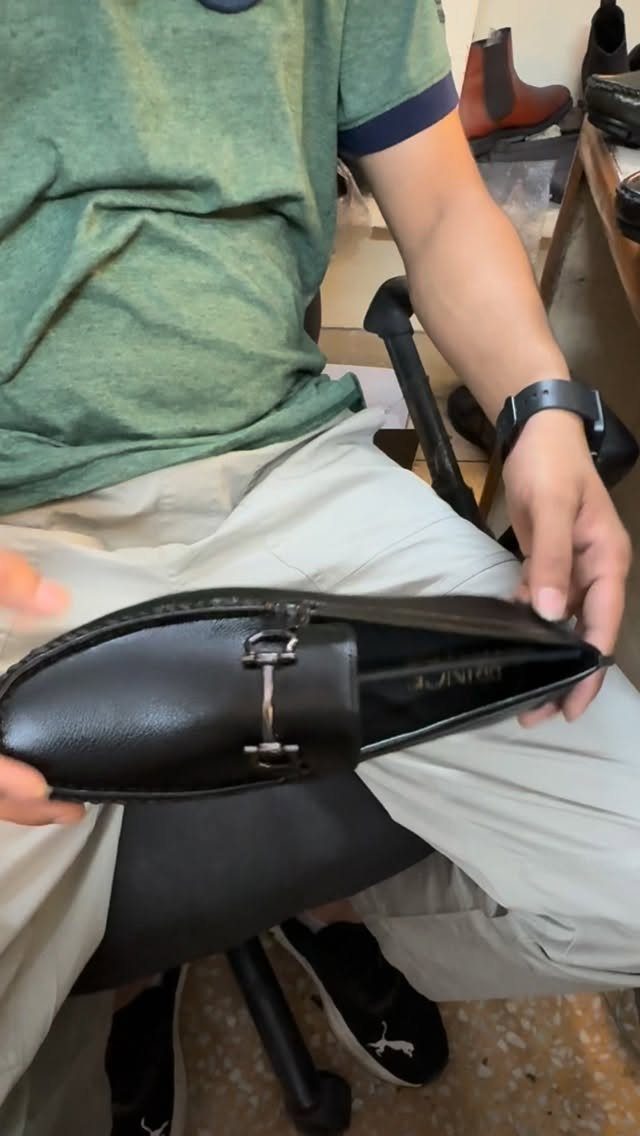
A bit loafer sits at the dressier end of a shoe that started as casual footwear. Penny loafers and tassel versions read more relaxed; the metal bit reads sharper, closer to a lace-up without the fuss of lacing.
Leather loafers pair with tailoring better than suede, though suede handles shorts and summer weddings where Oxfords feel stiff. For daily wear, I’d pick a dark leather sole for the office and rubber if you’re walking concrete.
Sizing runs generous in most brands; half down often works if you’re between sizes.
2. Sneakers
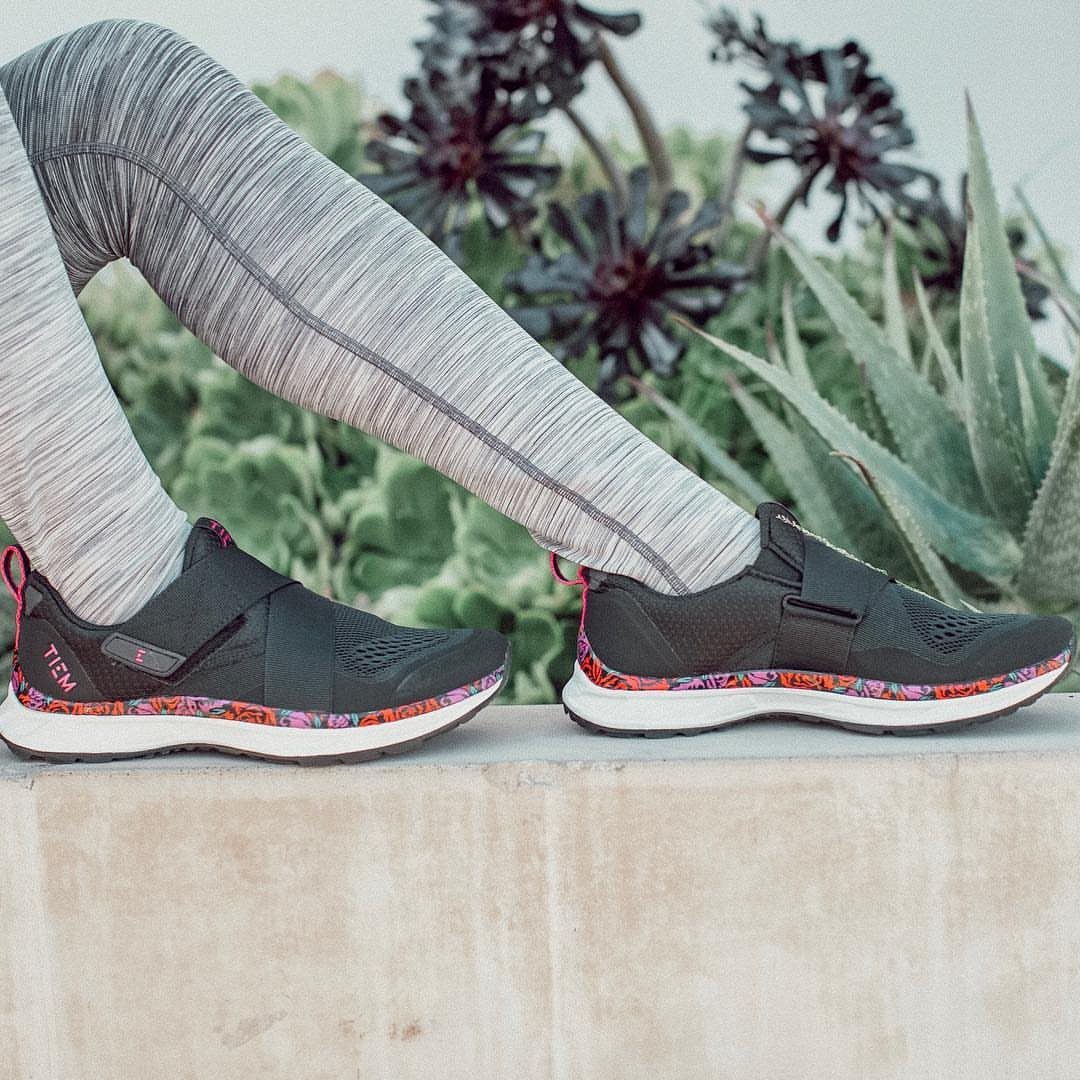
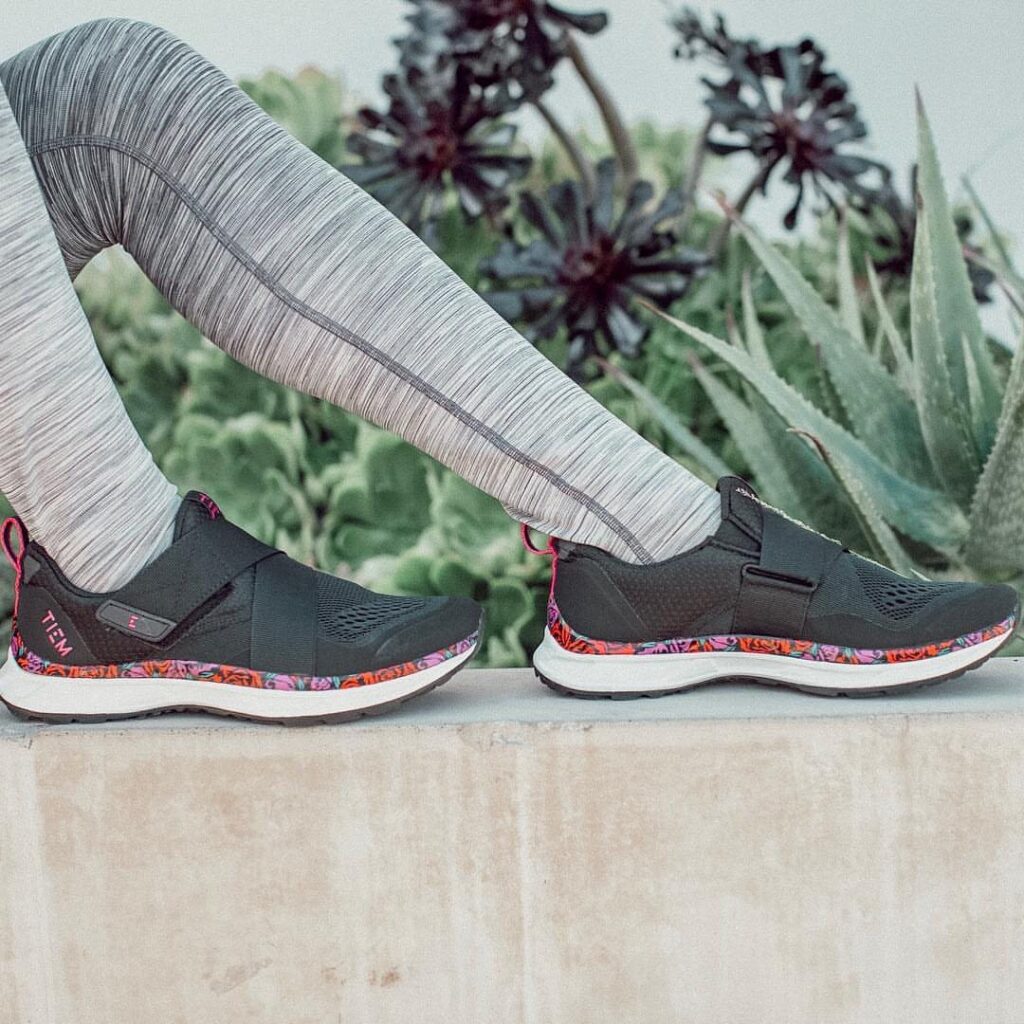
Strap-on sneakers with patterned midsoles sit at the cross of gym function and streetwear. The knit upper and cushioned sole handle walking and light training; the print keeps them from looking like you forgot to change shoes after the workout.
For travel days, I reach for this exact formula: neutral base, one loud detail. It photographs well and hides scuffing.
These TIEMs use a strap system rather than laces, which speeds airport security and adjusts mid-day when feet swell. The patterned sole adds cost; a solid midsole runs cheaper and pairs with more pants.
3. Derby Shoes
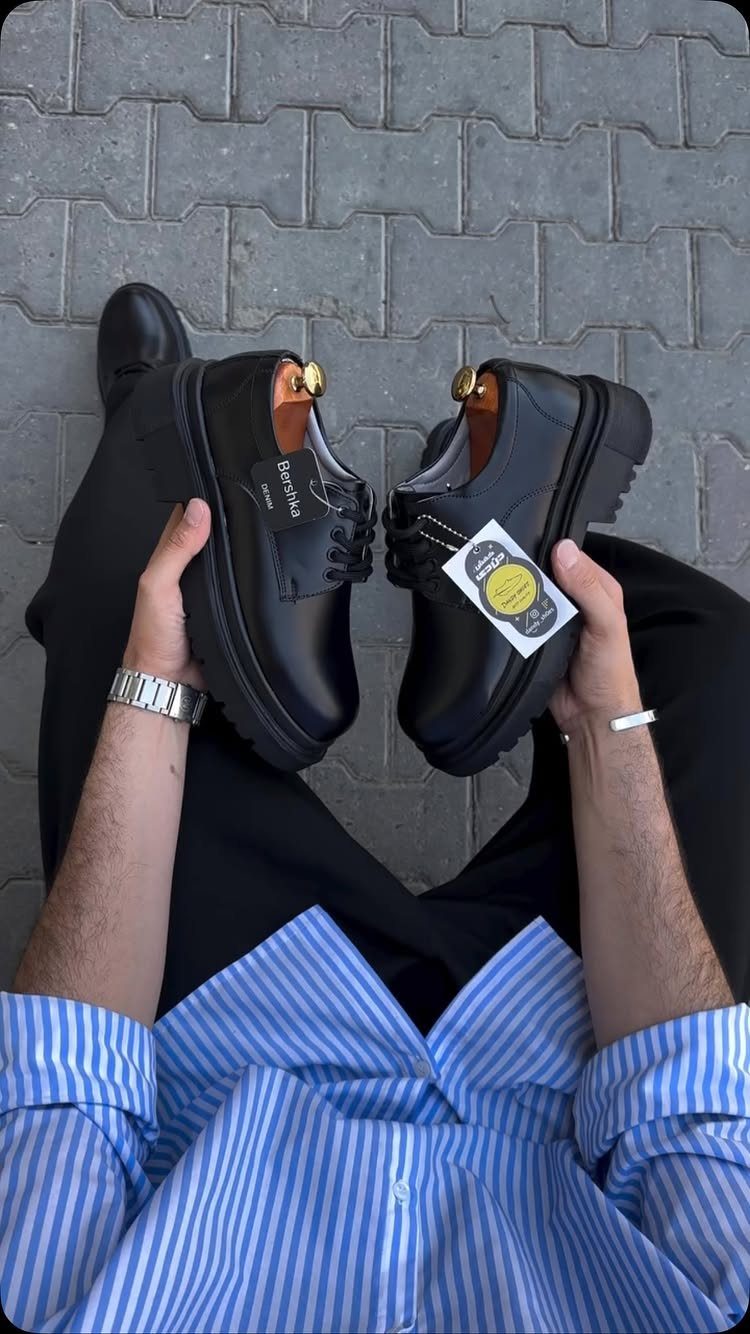
Chunky lug-sole Derbies trade some polish for grip and daily stamina. Open lacing leaves more room across the forefoot than an Oxford’s closed system; after a full day on your feet, that gap matters.
Black leather with a thick sole works in offices that accept business casual, though I’d default to brown for job interviews where the line sits sharper. The Bershka tags suggest fast fashion pricing; expect resoling sooner than with benchmade pairs.
For sizing, the open quarters let you adjust with tongue pads if you’re slightly narrow. No break-in blisters, which the closed-lace crowd cannot always claim.
4. Chelsea Boots
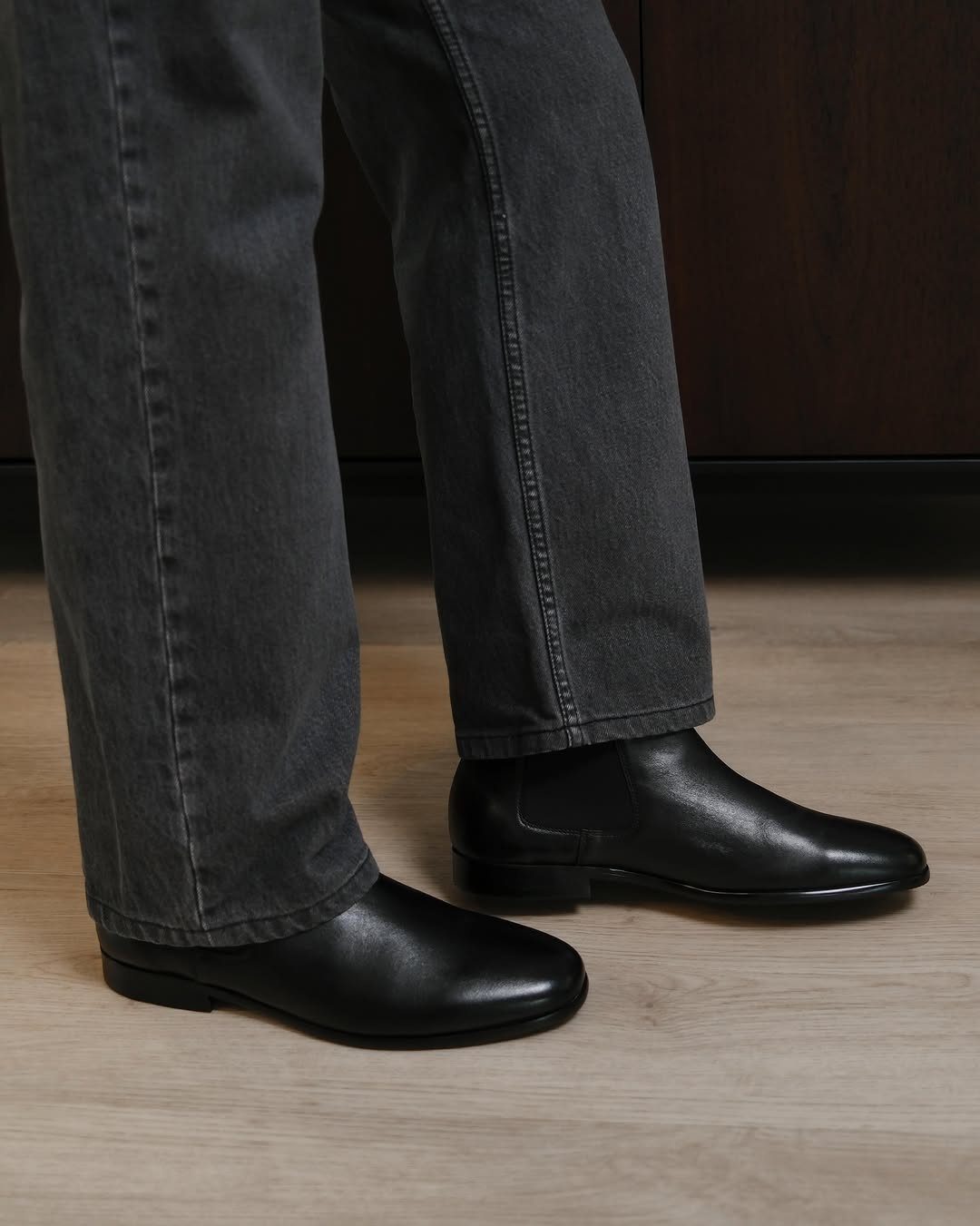
Black leather Chelseas with a smooth finish and low heel handle the gap between rain boots and dress shoes better than anything else in this list.
The elastic gusset means no laces to freeze or soak; the ankle height keeps water out without the bulk of taller boots.
Sleek pairs pair with dress pants; matte or suede versions handle jeans. For winter, I’d check whether the sole is leather or rubber; the photo doesn’t show the bottom, and that single detail decides whether you’ll slip on wet pavement.
Ankle support is what you give up. These are not hiking boots, and standing all day in them asks more of your calves than a sneaker would.
5. High-Top Sneakers
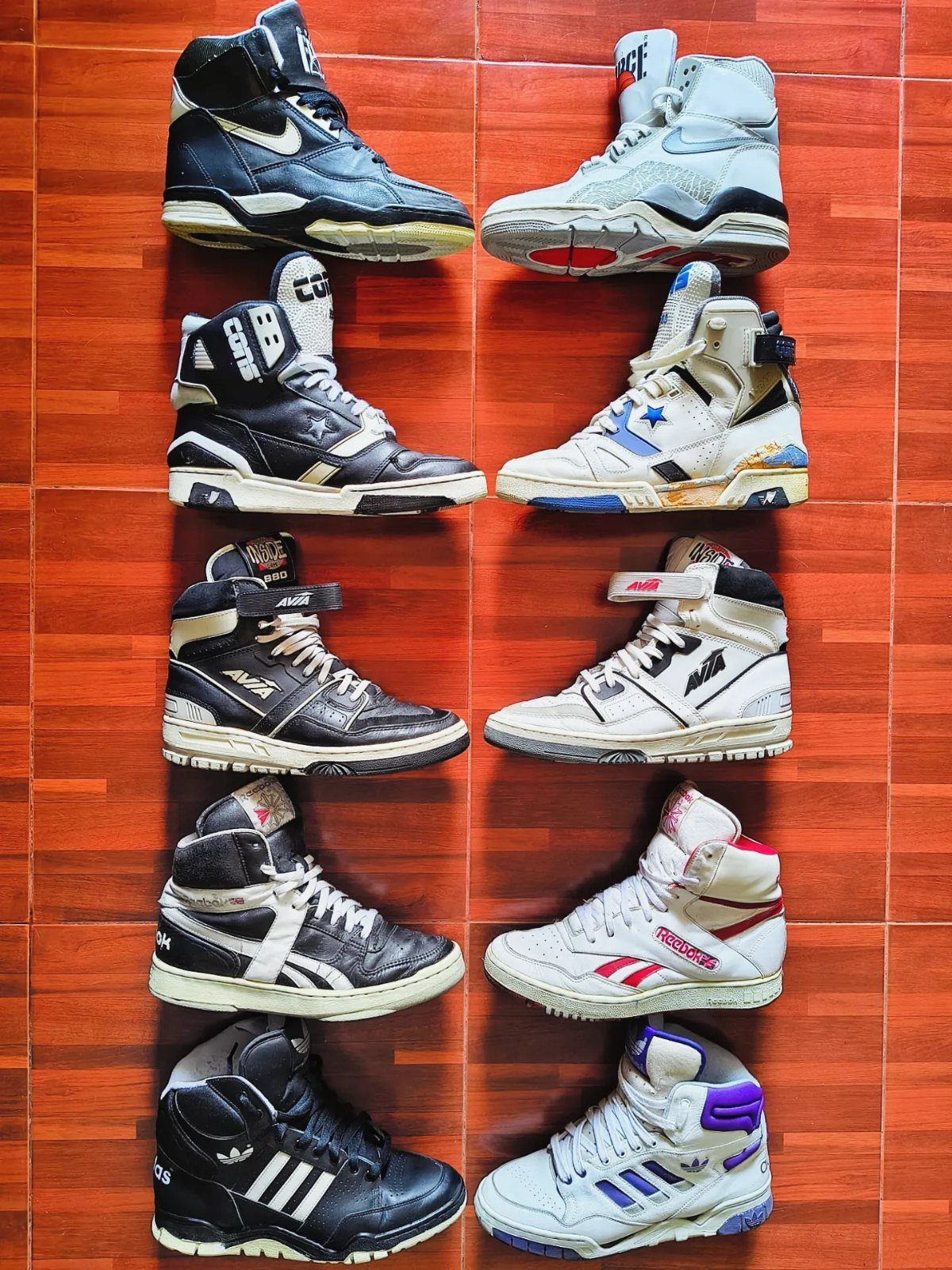
Ten pairs lined up make the point: high-tops are a category, not a single shoe. The shared feature is the cut above the ankle, originally for basketball support, now mostly a style signal.
For actual court use, I’d still want the collar; for everyday wear, the height changes how pants fall. Straight jeans stack slightly at the ankle; cropped cuts leave a deliberate gap of skin or sock.
Vintage pairs from Nike, Adidas and Reebok run narrow by modern standards. If you’re ordering deadstock or reproduction, size up or check width.
Newer retro releases often fix this.
6. Performance Sneakers
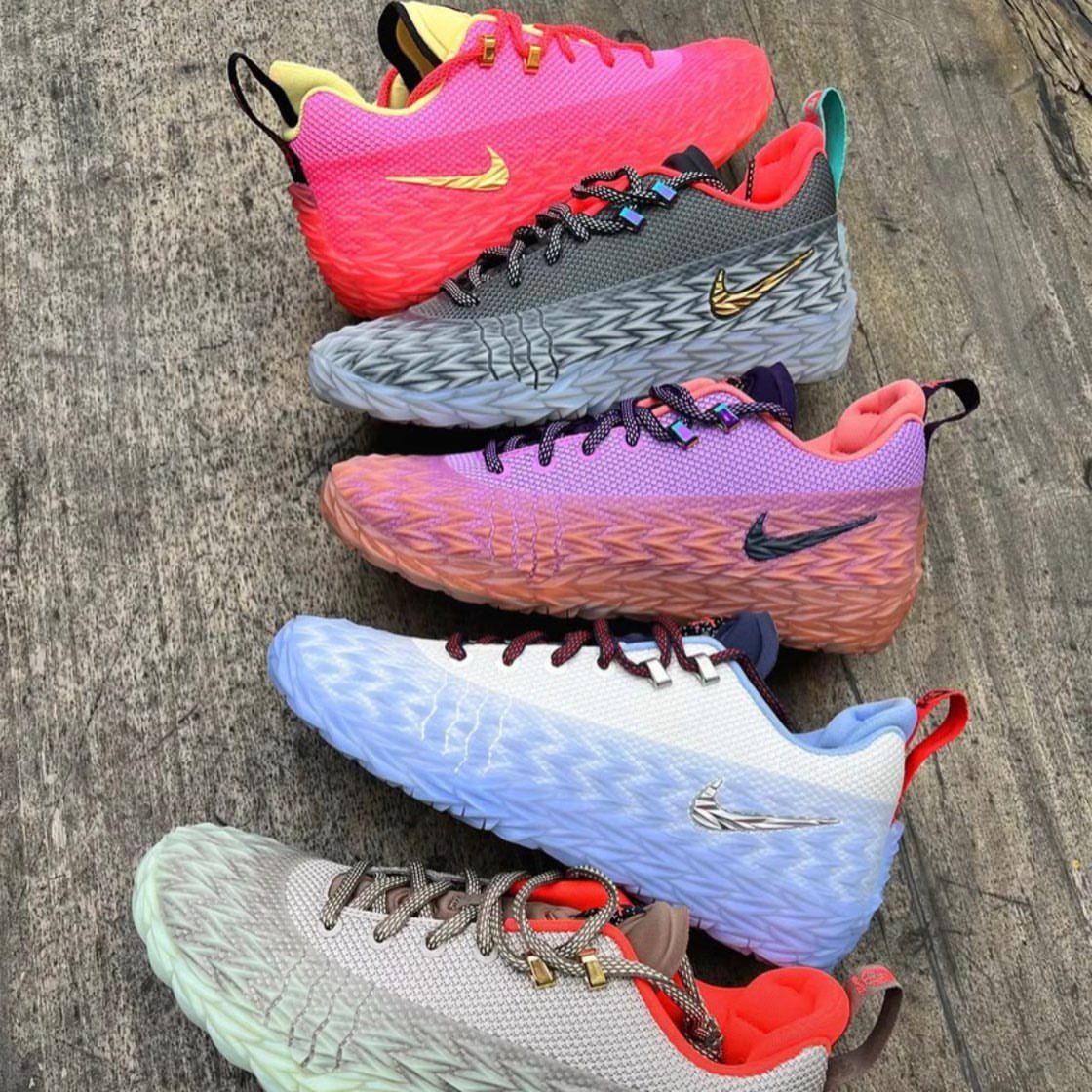
Performance sneakers are tools built for specific stress, then colored to sell. Basketball shoes need lateral stability and ankle lockdown; running shoes need forward flex and heel cushioning.
The same brand builds both, but the internals differ.
Low-tops, not high-tops, are built for speed and court feel rather than pure protection. For pickup games, I’d want the collar higher; for training runs, this cut breathes better.
Knitted uppers, when present, save weight and shape to the foot. They wear faster than leather or synthetic overlays.
Running shoes compress and lose their cushioning with use; plan on replacing them before they go flat.
7. Boots
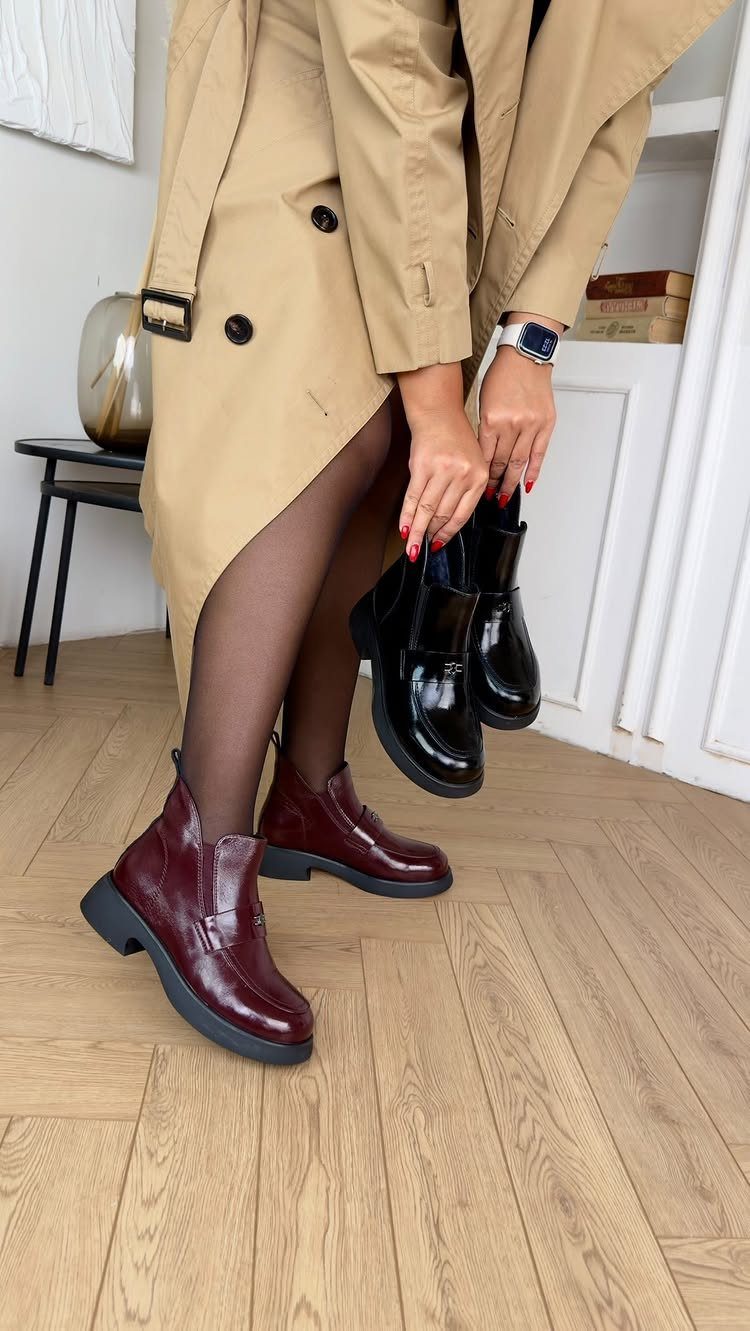
A boot that stops at the ankle works with more outfits than one that climbs higher. Glossy burgundy leather hits right at the line between dressed up and everyday, especially against black tights and a trench.
That shaft height matters most for how the boot reads: anything higher shortens the leg unless there’s a skirt gap or the boot matches the pant color.
Ankle boots come flat or heeled, and a zipper on the inside ankle saves time getting in and out. I look for that detail when I’m buying a pair I’ll wear regularly.
Leather softens and shapes to your foot; suede needs more care in wet weather but reads softer against casual clothes.
For everyday use, I’d pick a low heel and a toe shape that doesn’t fight my trousers. A slight heel dresses a boot up without making it only for evening.
8. Sandals
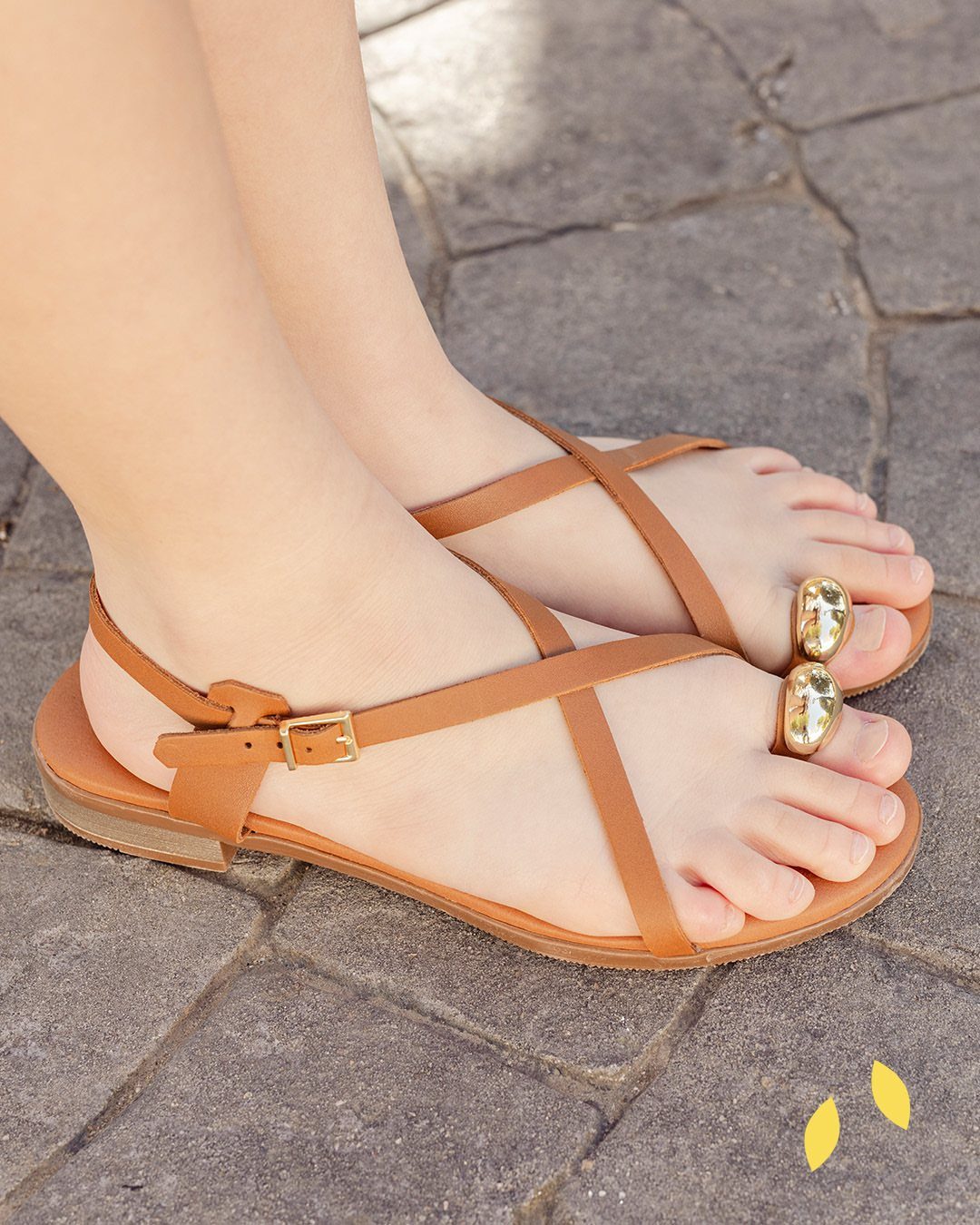
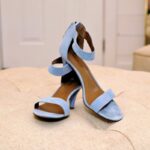
Thin straps and a flat sole keep the foot open, with gold accents that catch light against tan leather. That openness matters for breathability in warm weather, and the shoe disappears enough to let the rest of the outfit read.
Sandals range from barely-there straps to heavier constructions, but the common thread is how the sole attaches. Straps hold it on, not a full upper, so the foot stays visible.
That makes the pedicure part of the look, and the ankle and arch part of the silhouette.
Leather straps soften and mold; synthetics hold their shape but can chafe until broken in. I check where the straps sit across the bones of the foot, since a strap in the wrong place will rub by midday.
Straps set wide enough to avoid the pinky-toe joint make a real difference if that’s where you usually have trouble.
For a warm-rotation sandal, I’d want one dressy enough for dinner and plain enough for walking. This design hits that middle.
9. Heels
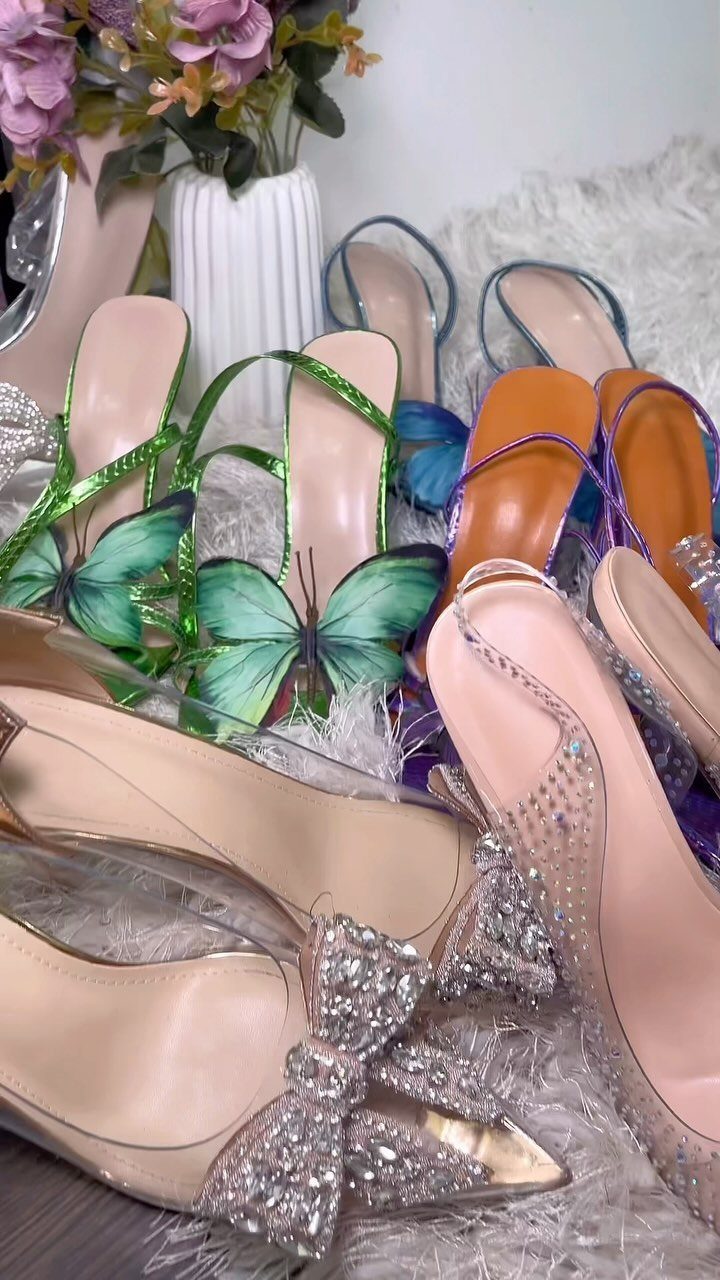
Heels change how an outfit registers: more formal, more deliberate, more grown-up. The category spreads wide, from delicate straps to solid pumps, pink to blue to tan, some with butterfly details and rhinestones catching light.
The heel itself comes in several builds. A stiletto runs narrow and steep, less than half an inch where it meets the ground, named after the Italian knife for that same slender blade.
It demands practice and a surface that won’t catch the tip. A block heel spreads the weight wider, easier for long hours or uneven floors.
A kitten heel, low and curved, gives a hint of lift without the posture shift of something higher.
I reach for heels when the occasion asks for polish, not when I’ll be on my feet for hours. The height changes your walk; the shoe changes how the clothes hang.
For regular wear, I’d pick a block heel high enough to matter without becoming the whole story.
10. T-bar Sandals
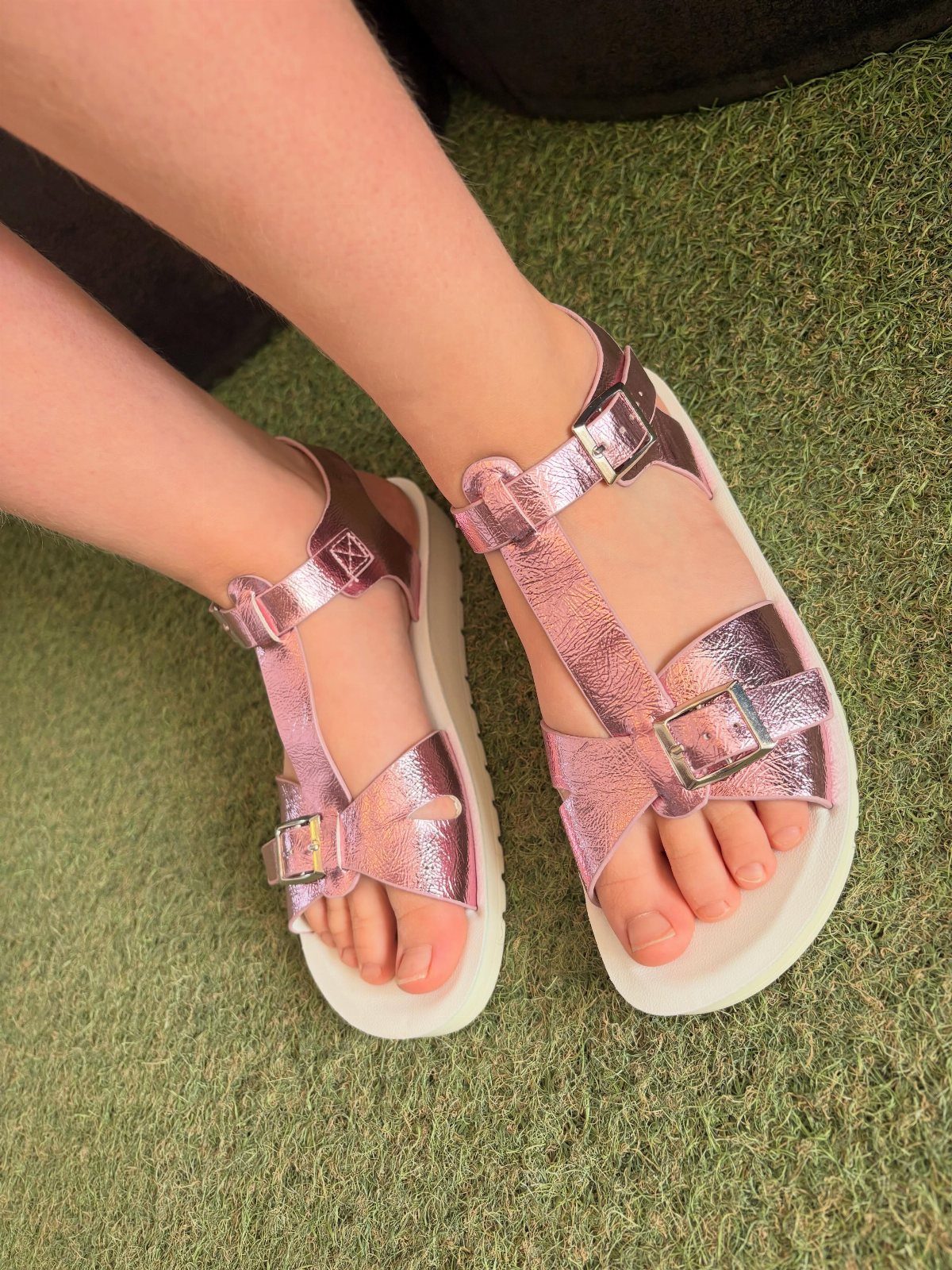
A vertical strap runs up the center of the foot, meeting a horizontal band across the instep to form that T shape. A buckle at the ankle keeps it closed.
It’s a sandal with more structure than a single-strap slide, and the T itself draws the eye to the arch.
That center strap changes how the sandal fits. It holds the foot more securely than a plain slide, which matters on days with real walking.
Metallic pink and a white sole read playful, but the same structure in leather or suede shifts toward dressy.
T-bar sandals work when you want the openness of a sandal with a bit more design to look at. I’d wear them with cropped trousers or a midi skirt, where the strap gets seen.
For a practical choice, I’d check that the vertical strap sits in the foot’s center, not pinching toward the big toe, and that the buckle adjusts enough for afternoon swelling.
11. Mules
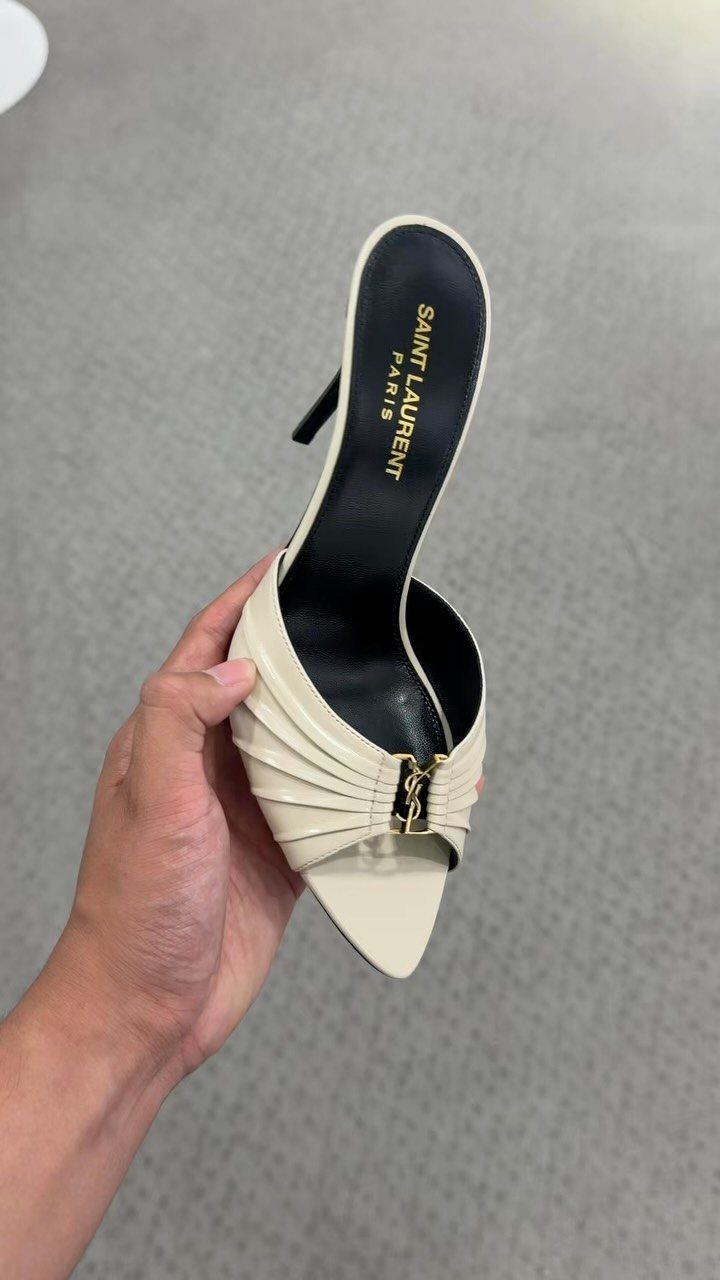
A mule has no back: you slide in and the heel stays open.
That backless construction changes how the shoe moves.
It slips on fast, which I appreciate for getting out the door, but it also slips, and a heel too low or a fit too loose means the shoe leaves your foot behind on stairs.
Mules come flat or heeled; I’d add that a heel helps keep the shoe on, since the foot presses back into the cup with each step.
The pointed toe here is elegant but narrows the fit; a rounded toe forgives more. Mules suit smart-casual moments where you want polish without the formality of a closed shoe.
I wear mine with trousers that break at the ankle, so the backless detail shows.
12. Brogues
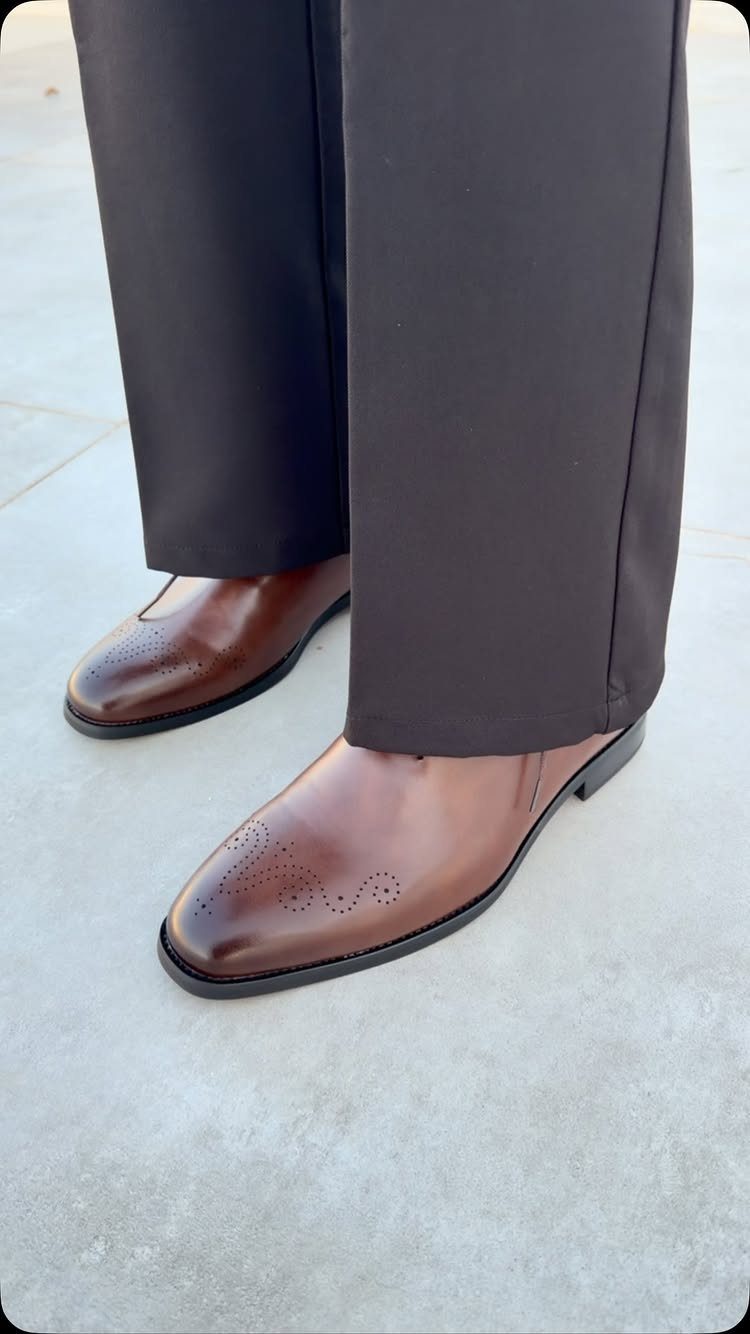
Brogues are defined by the perforations, not by the shoe beneath them.
The amount of broguing changes the formality. Full brogues, wingtips with perforations across the whole shoe, read most casual.
Quarter brogues, with decoration only along the toe-cap edge, stay closer to business wear. Enough detail to notice without becoming rustic is what I’d look for in a half brogue.
I pair brogues with texture: tweed, flannel, raw denim. A medium brown like the photo against navy and gray is a combination that doesn’t need rethinking.
The perforations add visual interest to plain outfits, and the closed construction means weather protection that sandals or loafers don’t give.
For a first pair, I’d choose medium brown leather, a half brogue, and I’d check that the perforations are clean-cut, not ragged, since the workmanship shows in the holes themselves.
13. Flip-Flops
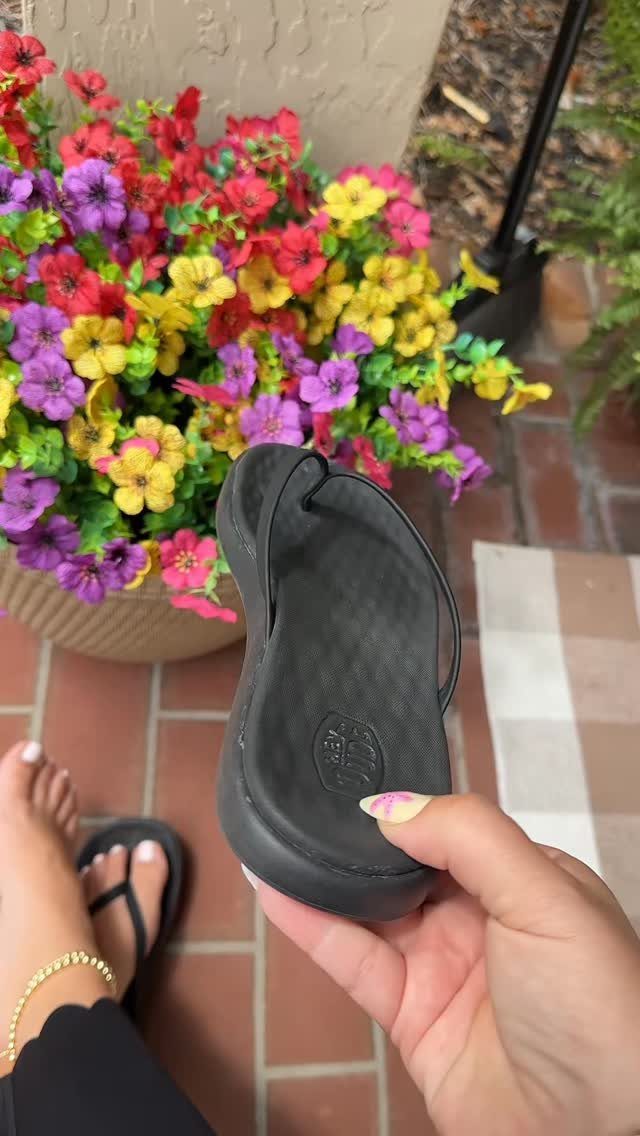
The Y-shaped strap slips between your first two toes and that’s the whole architecture. Rubber or plastic keeps them cheap and impervious to salt water, which is exactly why they live in beach bags and poolside lockers.
I keep a black pair for hotel showers and spontaneous pedicures, but I would not walk a city in them. The flat sole offers no arch support and the toe post rubs after any real distance.
For a beach wedding or a backyard barbecue, though, nothing is faster to kick off or easier to rinse.
If your only summer shoe is a flip-flop, add at least one sandal with a heel strap for walking days.
14. Combat Boots
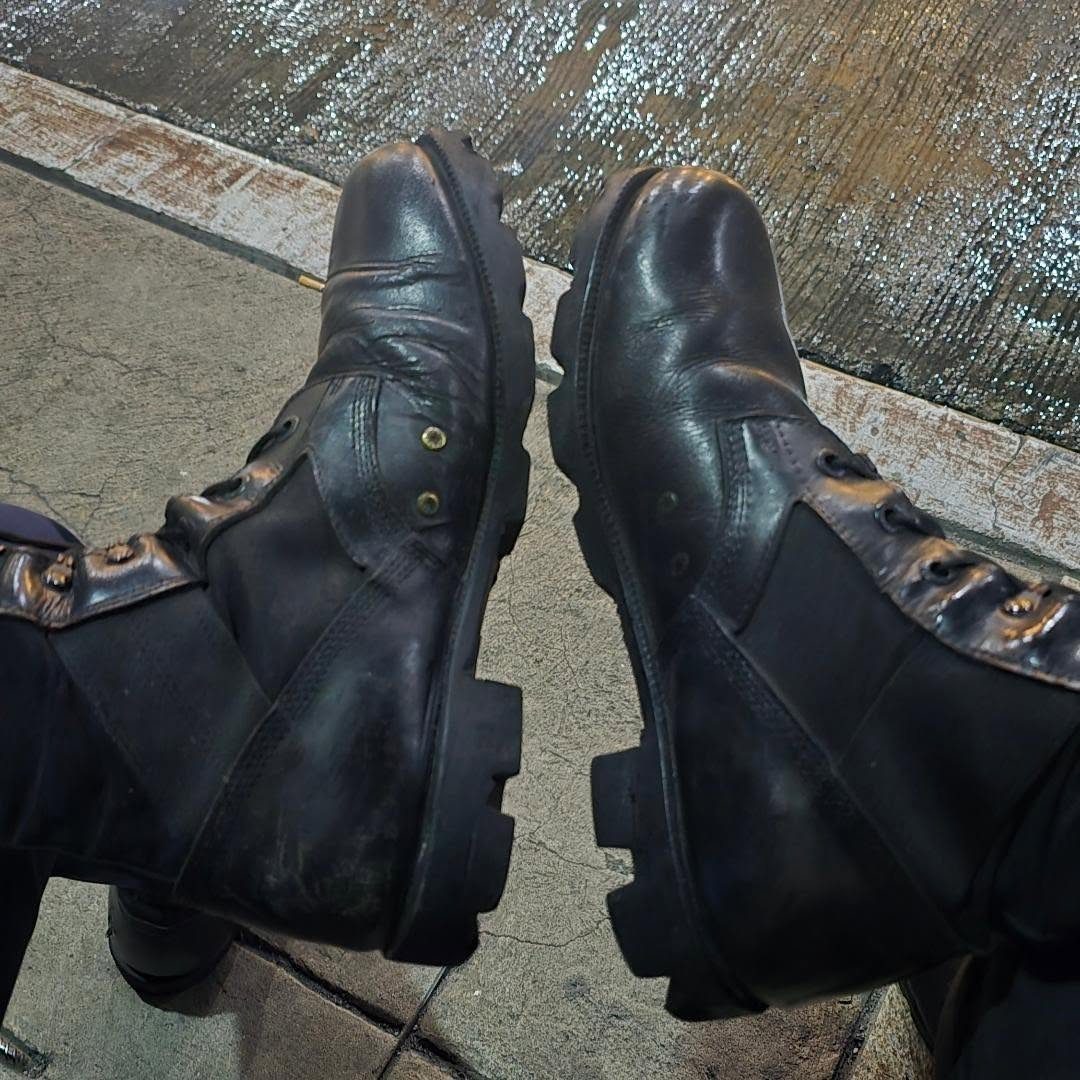
Thick lugs and a wall of eyelets distinguish boots that started in military issue and crossed into civilian closets through punk and street style. The leather breaks in slowly; the first wearings are stiff.
What you are buying is protection and weight. A true combat boot shields your ankle and clears mud, but it also announces itself.
I would wear mine with slim jeans or a midi skirt, never with wide-leg pants that fight the silhouette. The lug sole adds height without the formality of a heel.
Check whether the insole comes out. If it does not, and you need arch support, budget for a cobbler or a thinner orthotic.
15. Wedges
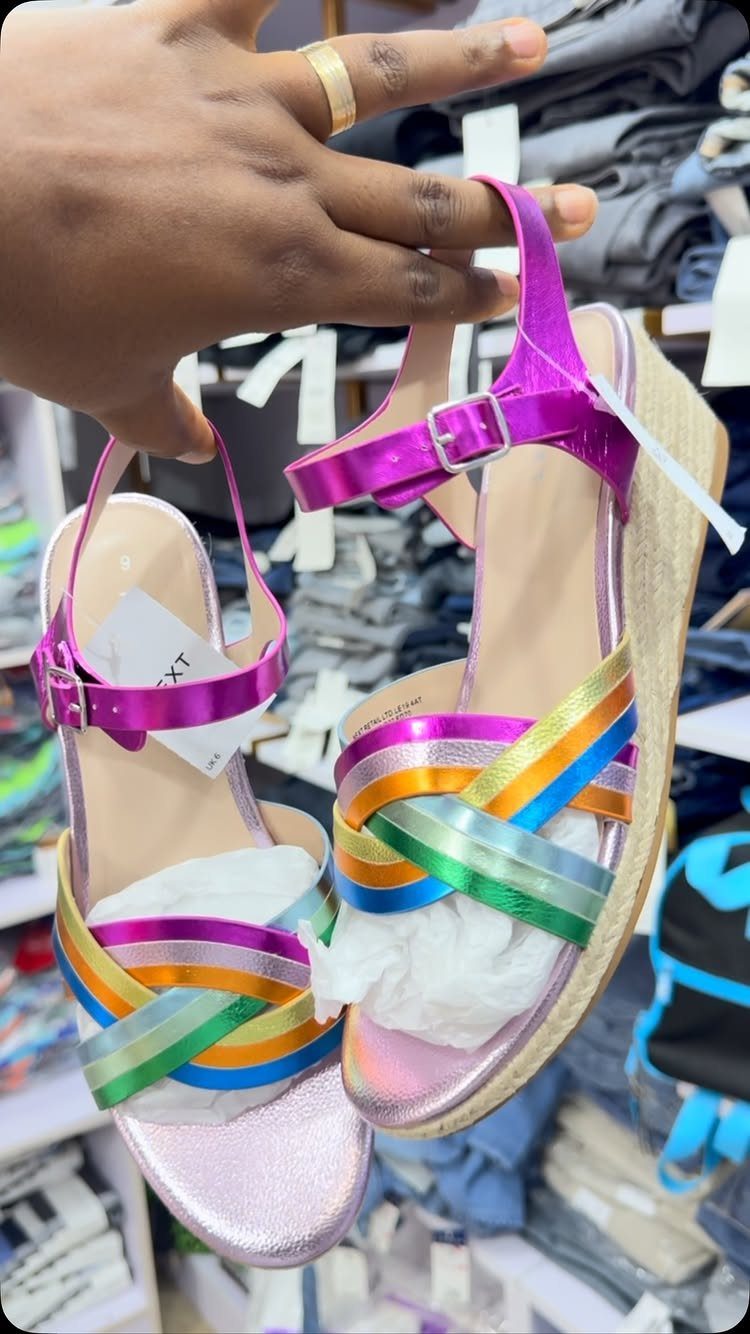
A single wedge of cork, jute, or molded foam runs from toe to heel with no break, which changes how you stand.
The pressure distributes across your whole foot instead of concentrating on the ball and heel, so you gain height without the wobble of a stiletto.
I would pick cork for outdoor weddings where heels sink into grass, and a darker wrap for city dinners where the shoe needs to look intentional.
A wedge costs you some visual bulk: it occupies more space than a heel of the same height.
Try them on carpet, not tile, to test whether the sole flexes enough for your stride.
16. Water Shoes
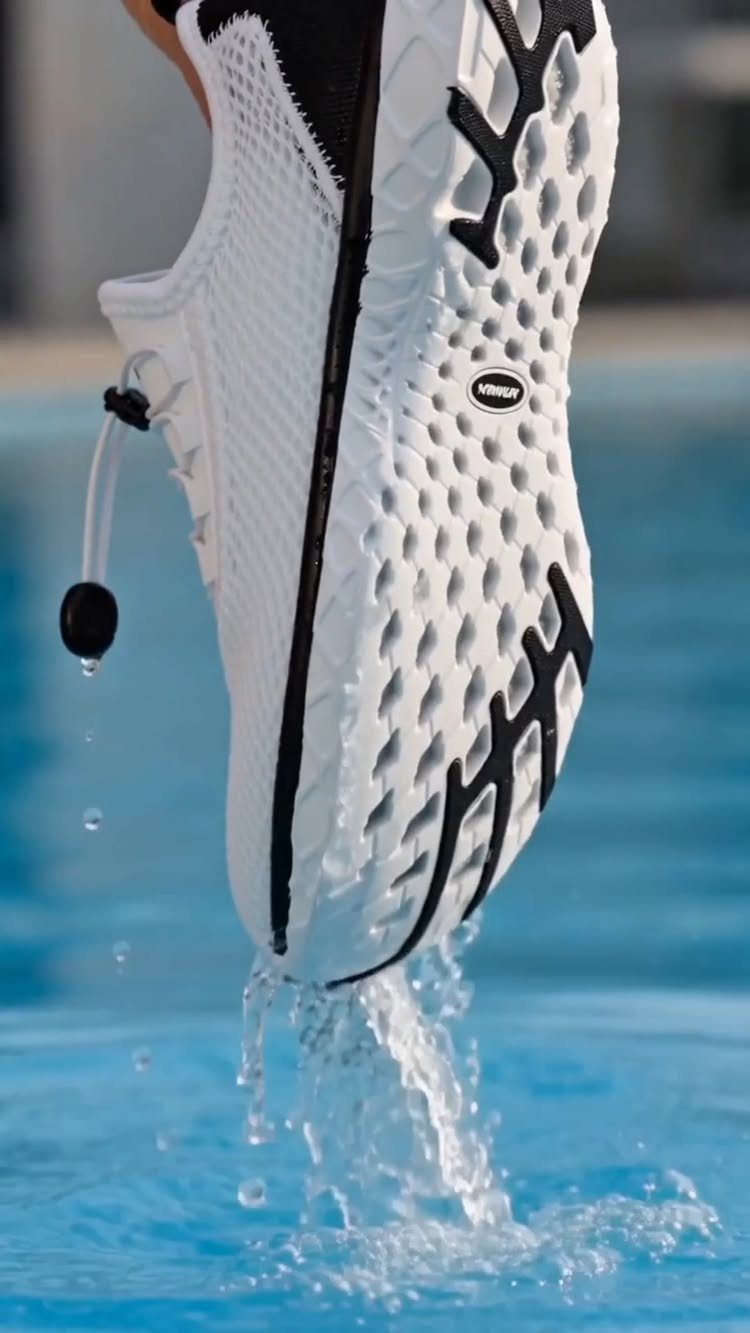
Mesh uppers and perforated soles let water pass through instead of pooling, and quick-dry synthetics mean you are not carrying a soggy shoe home. A drawstring closure cinches faster than laces when your hands are wet.
I would use these for rocky shorelines, kayak launches, or hotel pools with suspicious decking. They are not graceful; they are functional.
The sole needs enough texture to grip algae-slick stone, so test that before you trust it. Some versions add a toe bumper, which I would want for snorkeling or river walking.
Do not buy them a size large expecting to wear thick socks. The fit should be snug so the shoe stays on in current.
17. Ballet Flats
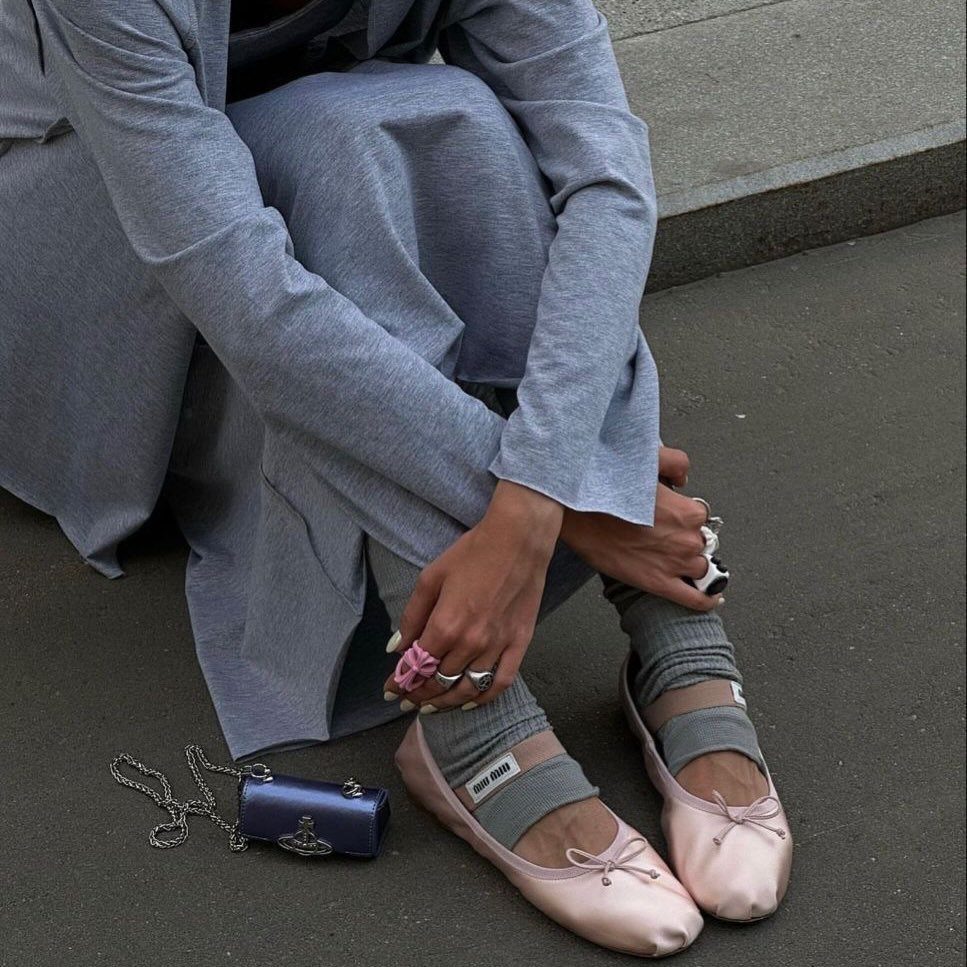
Satin uppers and a bow over the toe echo pointe shoes, but these are built for pavement.
An elastic strap keeps the heel seated without the structure of a lace or buckle, which makes them faster to slip on than a loafer and more secure than a mule.
I would wear pale pink like this with grey or navy, treating them as a neutral with texture. For a more grounded look, black leather versions disappear into cropped trousers.
The absence of heel means they flatten your silhouette; if you are petite, a pointed toe helps elongate the line.
The satin scuffs. I would save these for dry days and carry a spare pair if rain threatens.
18. Work Boots
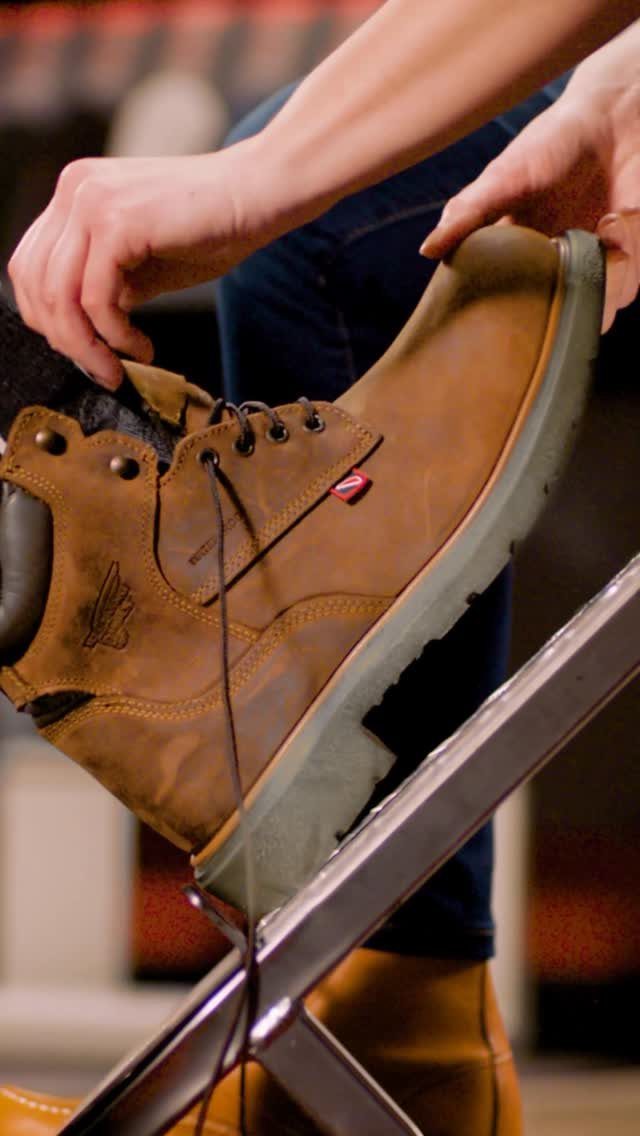
Thick leather, metal eyelets, and a sole built to absorb impact mark a boot designed for job sites rather than sidewalks. A light wedge sole suggests slip resistance rather than the deep lugs of a logger’s boot.
Steel toe or composite toe is the first decision. Steel conducts cold and sets off metal detectors; composite costs more but weighs less and stays temperature-neutral.
I would check whether the safety rating matches your workplace requirement, not assume. The laces run to the toe, so you can tighten the forefoot separately from the ankle, which matters if you are climbing or kneeling.
Break them in before your first long shift. Thick socks and short walks for a week save blisters later.
19. Monk Straps
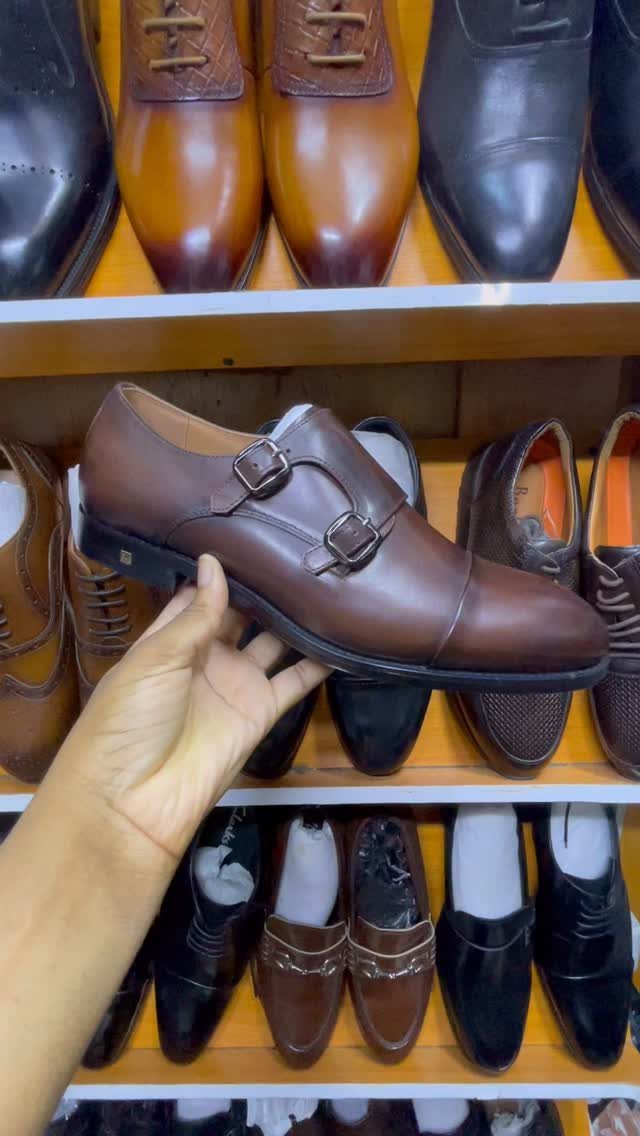
A monk strap skips laces entirely, closing instead with one or two buckled straps across the instep.
That single-strap version reads slightly more formal; the double monk, with its pair of buckles, carries more visual weight and currently sits where most men start.
Black leather in a single monk handles a business suit without raising an eyebrow.
Brown suede in a double monk loosens the same outfit into something that works with dark denim or pressed chinos, a move toward continental style that an Oxford would not permit.
The shoe sits in a useful middle space: less rigid than an Oxford, more considered than a Derby.
For the reader building a wardrobe from pieces that must earn their keep, this is the dress shoe that crosses from weekday meeting to weekend dinner without a change.
20. Athletic Shoes
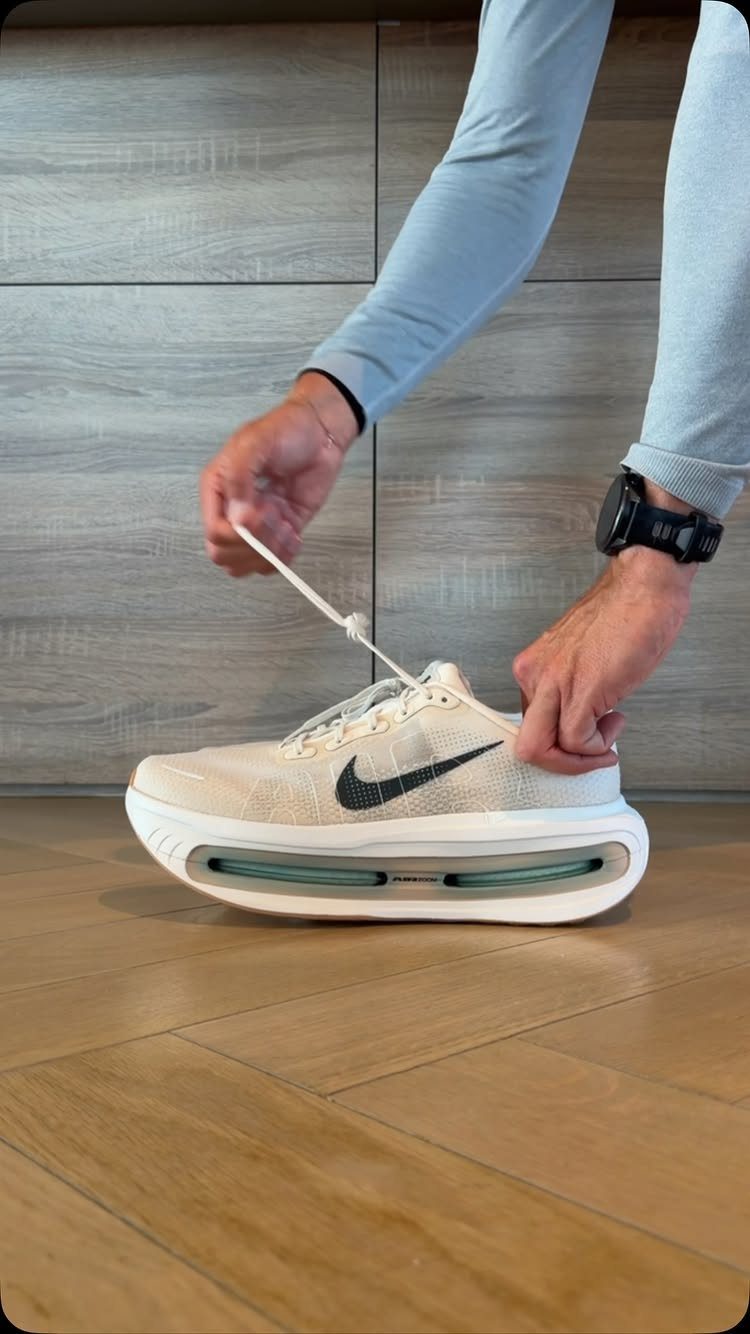
Athletic shoes are built for movement but have settled into daily wear because the cushioning and structure solve problems dress shoes create. The choice depends entirely on what the body is doing.
A runner needs forward-rolling support and heel cushioning; a tennis player needs lateral stability for side-to-side cuts; a trail walker needs tread that grips loose ground.
The visible pair shows the thick sole and visible air cushioning that running shoes use to absorb repeated impact. For gym work or cross-training, lower profiles keep the foot closer to the floor for balance.
Check the wear pattern on your current pair. Heavier wear on the inside edge means you need motion control; even wear means neutral cushioning will do.
Replace them when the midsole compresses, usually around three to five hundred miles for running shoes, though the body feels it before the number matters.
21. Espadrilles
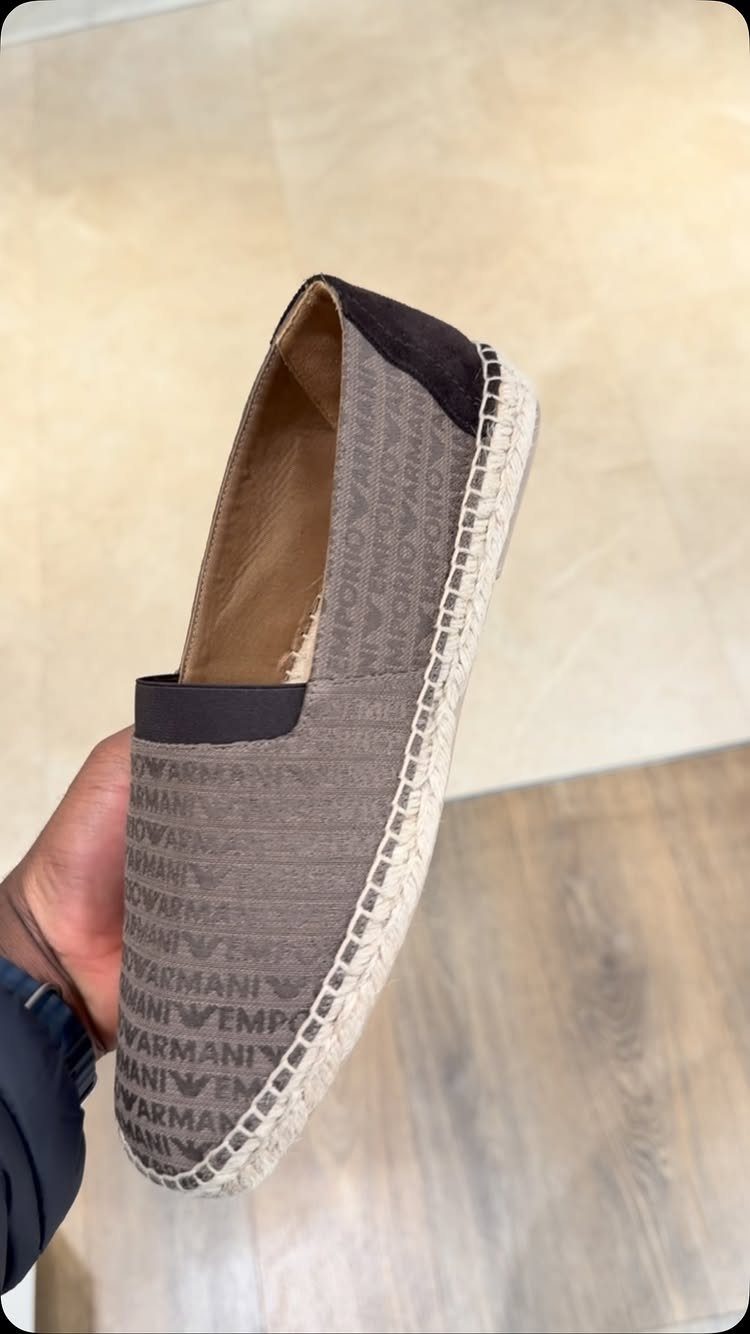
Espadrilles carry a rope sole, traditionally braided jute, that keeps the foot cool and the whole shoe light. The visible pair shows the slip-on shape most common now, though the style also comes laced or as a wedge.
Natural materials breathe, which matters in humid heat where leather traps moisture. The canvas or cotton upper breaks in quickly and forgives a slightly wide foot.
What changes the answer is where they will live: a rope sole abrades fast on city pavement, so these suit vacation walking, weekend markets, or anywhere the ground is forgiving.
The reader who wants one summer shoe for a trip could do worse. They pack flat, dry fast, and the neutral colors work with white trousers or a simple dress.
For daily city wear, a rubber-soled version lasts longer but trades some of the original cool.
22. Hiking Shoes
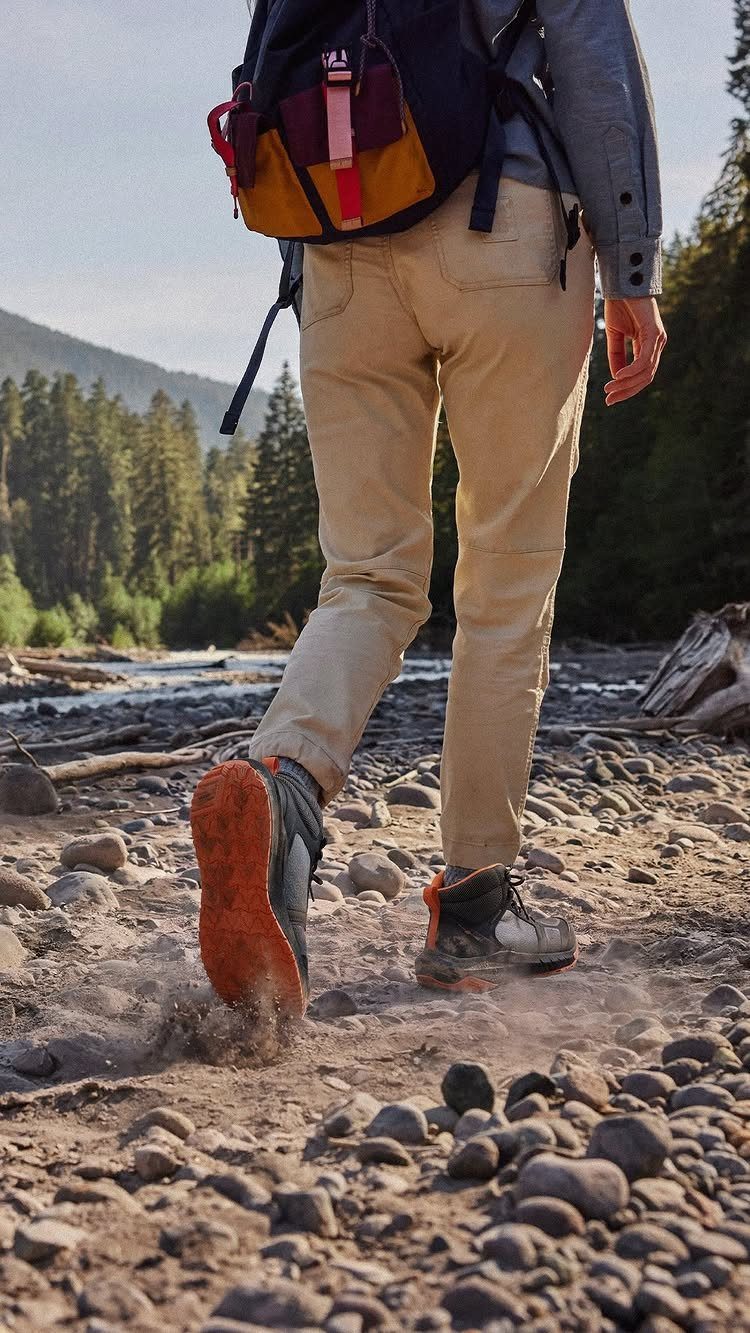
Hiking shoes protect the foot on uneven ground, and the visible pair shows the high ankle and deep tread that matter most. The orange sole is not decorative; that rubber compound grips rock and sheds mud.
A low-cut trail runner suffices for day hiking on groomed trails and saves weight over heavier boots.
Multi-day trips with a pack, or any off-trail scrambling, demand the ankle support and stiff midsole that keep a twisted step from becoming an evacuation.
Check the fit with the socks you will actually wear, afternoon when feet have swollen. Toes need room to spread on descents; the heel must lock to prevent the friction that causes blisters.
Break them in before the trip, always, no matter what the salesperson says about modern materials.
23. Slides
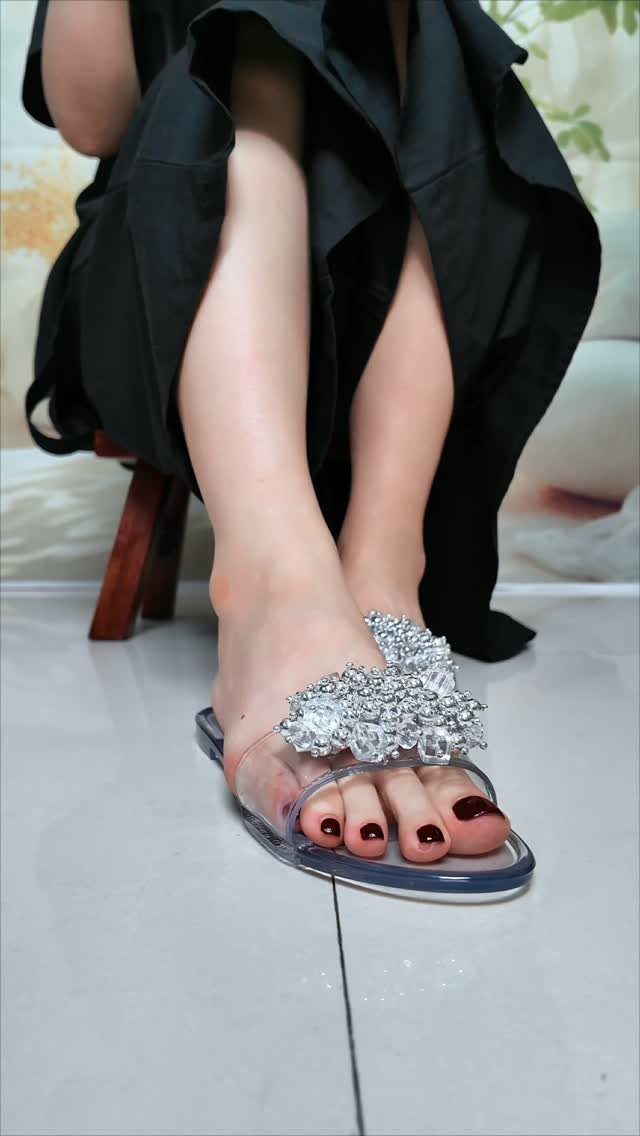
Slides are the shoe you step into without bending or buckling, and the style has moved far from its poolside basic origins. Heavy crystal on clear straps turns the backless shape into evening wear that still reads as effortless.
The form suits anyone whose priority is speed: out the door, through security, into and out of the house a dozen times. What it trades away is security on the foot.
A slide relies on the strap’s pressure across the instep; too loose and the foot slides forward, too tight and the strap rubs.
For home or casual errands, a molded footbed in rubber or foam supports without pretense. The dressed-up version suits events that do not require much walking.
These are arrival shoes, not journey shoes. The reader who needs both in one day should pack a backup.
24. Cowboy Boots
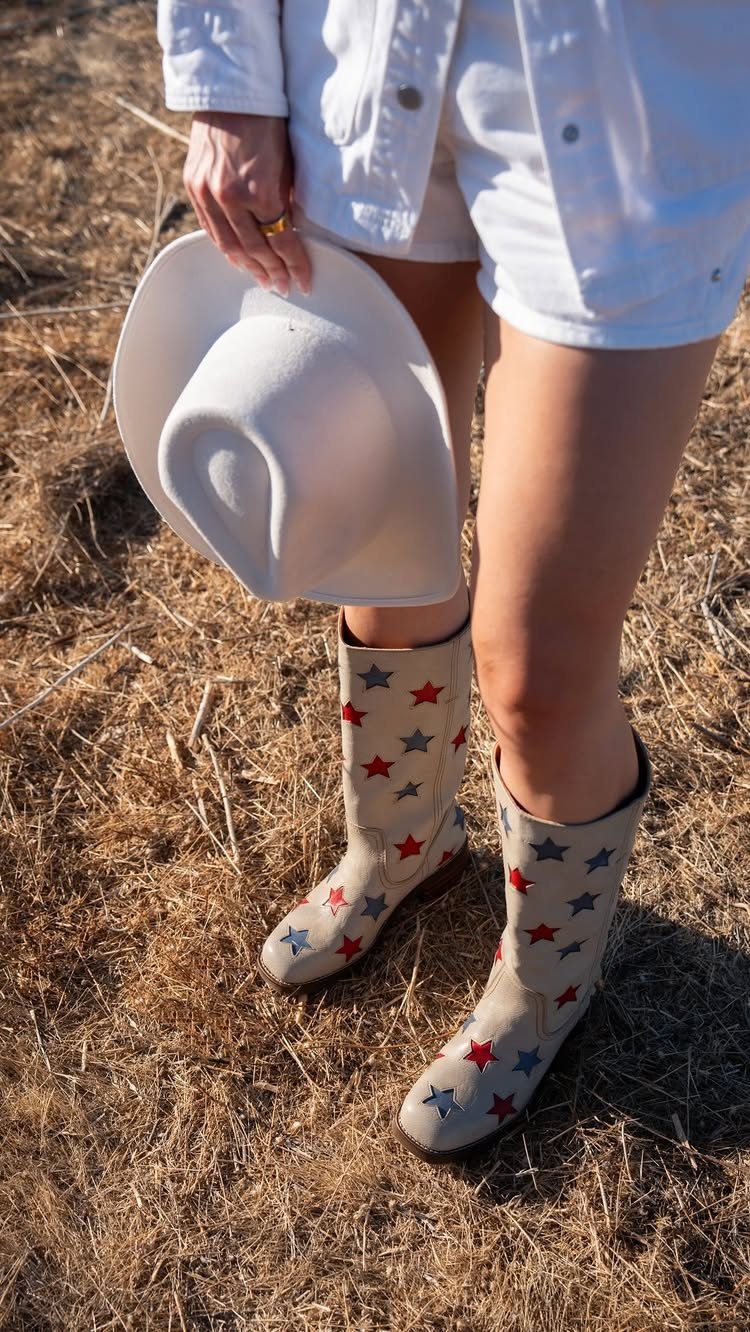
Cowboy boots carry a high shaft and pointed toe that announce themselves before the wearer speaks.
The star pattern on the visible pair leans into costume; a plain leather version in brown or black moves through a city day without the same announcement.
The pull-on construction, no zipper, means the shaft must fit the calf closely enough to stay up, loosely enough to slide over. Leather molds to the leg with wear; the first dozen outings are breaking-in time.
The pointed toe narrows the silhouette but does not squeeze if the size is right, since the foot sits back in the boot.
These suit the reader who wants one statement piece that outlasts trend cycles. Good leather resists water, scuffs rather than tears, and rebuilds at a cobbler for years.
For actual ranch or barn work, the heel keeps the foot from slipping through a stirrup; for city wear, that same heel alters posture and gait in a way some find addictive and others abandon.
25. Mary-Jane Flats
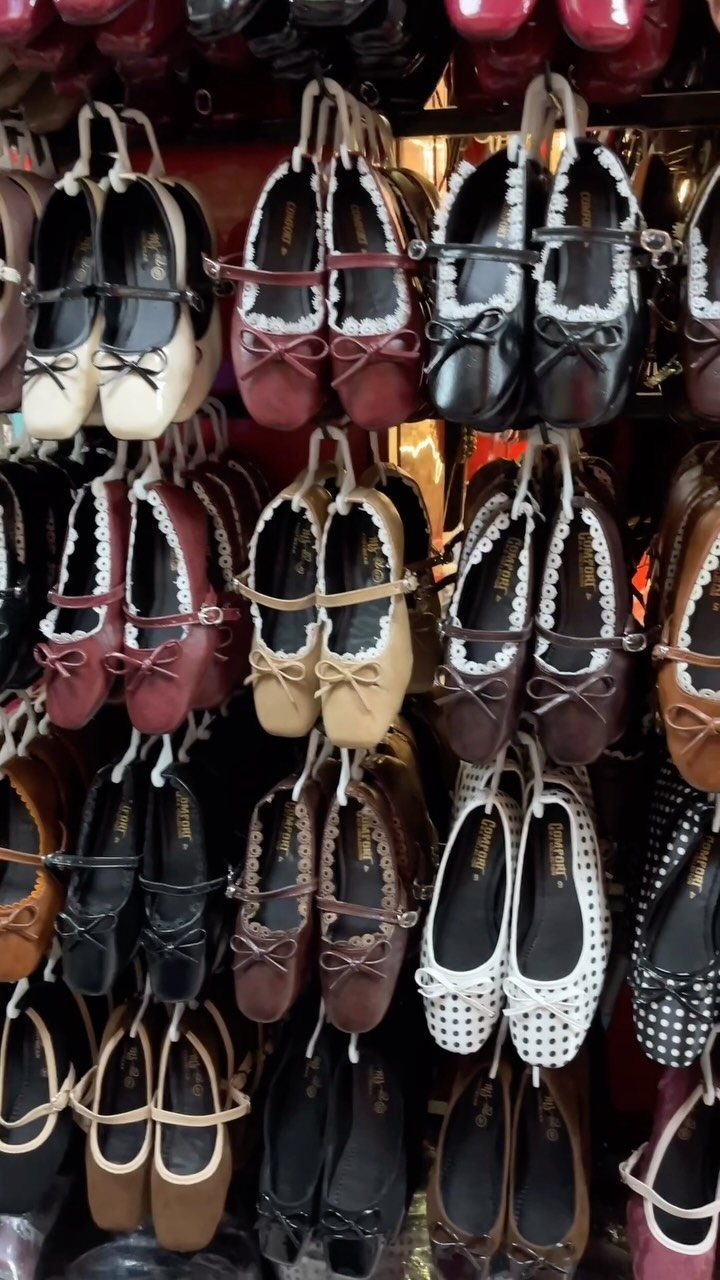
A single strap across the instep keeps Mary-Jane flats from slipping off, which makes them the safest choice for anyone walking long city blocks or chasing after kids.
The buckle or button sits low enough that it does not pinch, and the toe stays rounded or softly pointed depending on the maker.
Black leather reads office-appropriate; patent or scalloped edges lean more weekend. I would pick the plainest version for a job interview and save the decorative ones for brunch.
The name stuck after a comic strip character wore them, back when they were still called bar shoes. That history does not change how they wear, but it explains why the style feels slightly nostalgic even in a new pair.
26. Golf Shoes
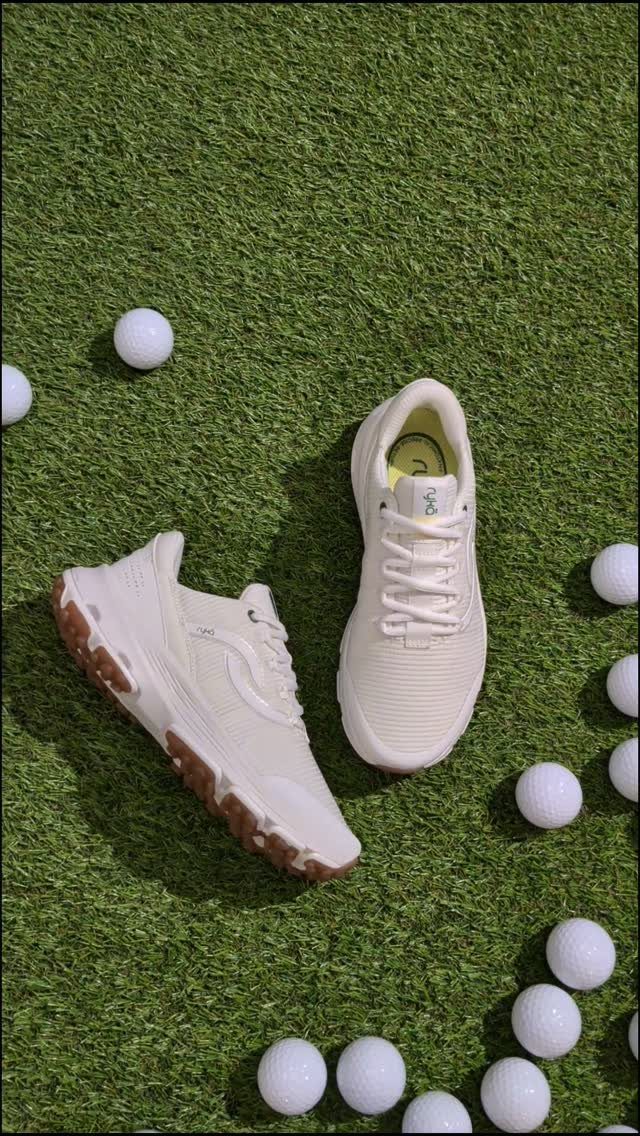
Golf shoes trade ordinary soles for short cleats that bite into turf through a swing, and that grip matters more than any other feature.
Without it, a driver on wet grass sends you sliding; with it, your lower body stays planted while your shoulders turn.
Spikeless versions pass for regular sneakers off the course, which saves trunk space if you are driving straight to dinner afterward. The Rykä pair runs athletic and padded, closer to a running shoe than the old leather saddle styles.
Check your course’s rules before buying. Some ban metal cleats entirely, and a few older clubs still require soft spikes specifically.
The right pair depends on how often you play and whether you mind changing shoes in the parking lot.
27. Platform Thong Sandals
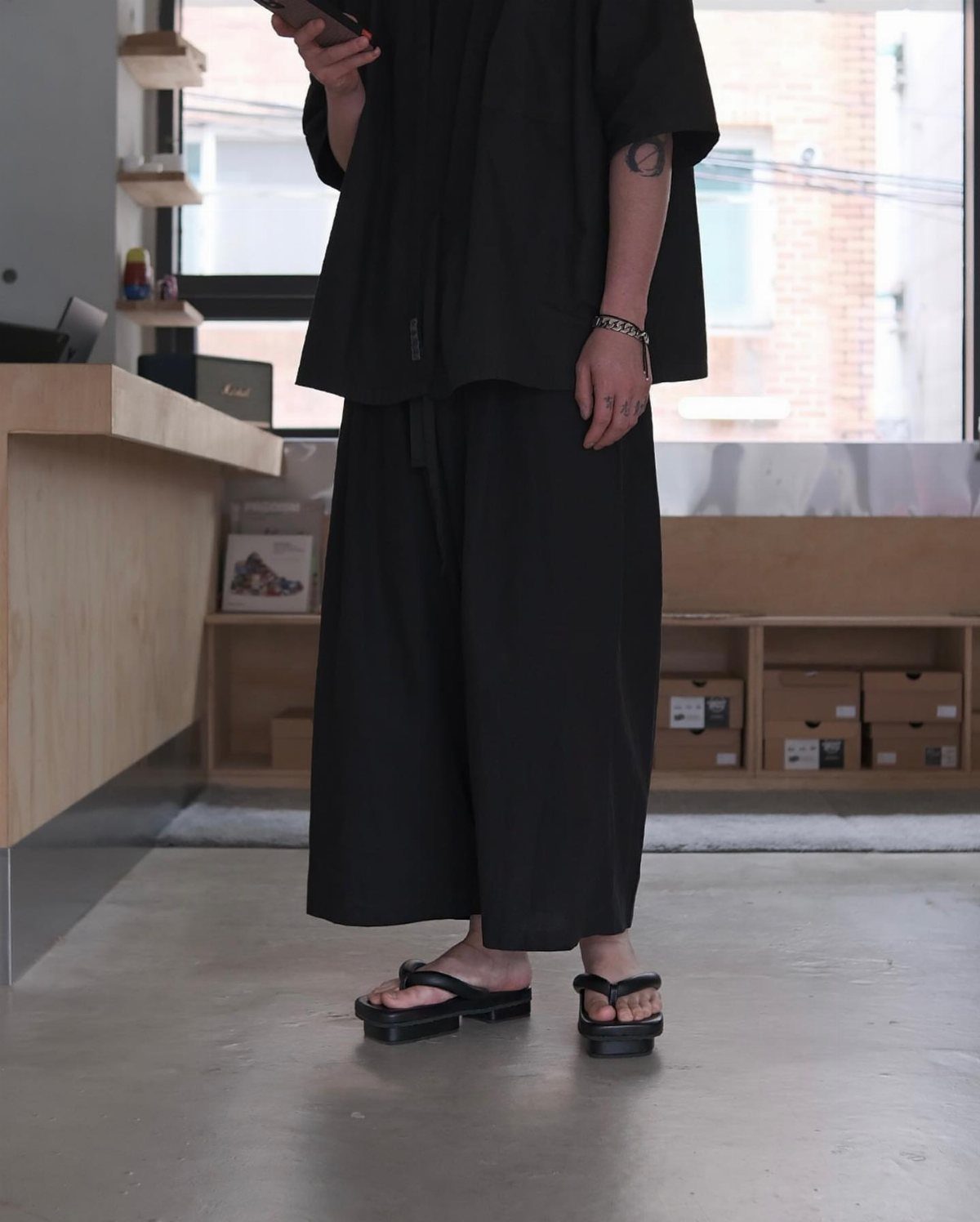
Platform thong sandals add height through a thick sole without the pitch of a heel, which keeps the weight on the ball of the foot more evenly distributed.
A black pair disappears into wide-leg trousers so the lift reads as leg length rather than shoe statement; that is the move for anyone who wants the inches but not the look of working for them.
The thong strap sits between the toes, so these suit a foot that does not chafe there.
A leather or smooth synthetic strap breaks in faster than braided or textured versions, which matters because the pressure point is single and fixed.
For warm days when sneakers feel too closed and heels feel too committed, this is the middle ground. The platform raises the foot off hot pavement, and the open design still breathes.
Skip these if you walk long distances on uneven ground; the sole is stable but the strap offers no lateral hold. A flatform under 2 inches keeps the look modern rather than retro.
Choosing the Right Shoe
The right shoe for the right moment is less about rules than about reading the room. A wedding on grass is where cork wedges earn their keep; a stiletto would sink and a flat would read underdressed.
I would check three things before buying for a specific occasion: the sole material against the surface I’ll stand on, whether closed lacing or open lacing matches the formality, and how long I’ll be on my feet.
Running shoes and hiking boots are built to take impact and uneven ground; a sneaker borrowed from the sidewalk won’t do the same job.
Fit and support deserve the same attention as color or heel height if the shoe is going to live on your feet all day.
Footwear Materials
Leather, suede, canvas, mesh, rubber, and synthetic fabrics each carry their own maintenance and performance. Canvas and mesh breathe well and save weight, though they wear faster than hides.
Inside the shoe, a cork layer between insole and outsole matters more than most buyers notice. It draws moisture and molds to the foot over time, building a custom fit.
In Goodyear-welted construction, that cork sits as insulation against temperature swings too. The footbed presses its own shape into the cork, which is why a broken-in shoe fits like no other.
Shoe Care Tips
Shoe trees work best when they match the shoe closely; too large and they stretch, too small and they do nothing. Cedar wood draws moisture out and carries a scent that beats chemical alternatives.
It takes a full day for sweat to dry; rotating pairs matters more than any product.
Wet shoes dry best at room temperature, stuffed with newspaper to draw moisture from the inside. Heat from a radiator or fireplace cracks leather.
Mud comes off with a damp cloth while it is still fresh; polish waits until the leather is clean. A protective sole, wafer-thin, saves the original from wear and replaces easily.
Wax cream matches the leather color; darker shades discolor. I would feed the flex creases specifically, since that is where strain concentrates.
The same care extends life by years, not months.
Footwear Trends
Chunky sneakers and eco-friendly materials are the current direction. The mass production that replaced handmaking dominates volume but not necessarily quality or attention; small makers still build by hand for buyers who notice stitching and sole attachment.
I would not chase a trend that fights my existing clothes. Eco-friendly materials are improving, though some synthetics still trade durability for origin story.
The test is whether the shoe lasts long enough to offset its production cost, in any material.