Fashion ad campaigns run from a single cream knit dress under natural light to a pink food truck with a claw machine and a built-out festival camper van, and the best ones know exactly when to keep it quiet and when to turn the volume up.
The deciding factor is what your brand actually has to say: a cinematic story, a stripped-back visual, a festival moment worth traveling for, or a celebrity face that stops the scroll.
Seliger’s golden-hour taxi shot in Monaco and Rare Beauty’s $7.8 million Tajín collaboration both built the frame around that answer first.
1. Cinematic Storytelling
A campaign works best when the clothes have something to do.
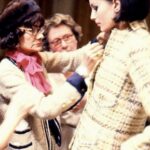
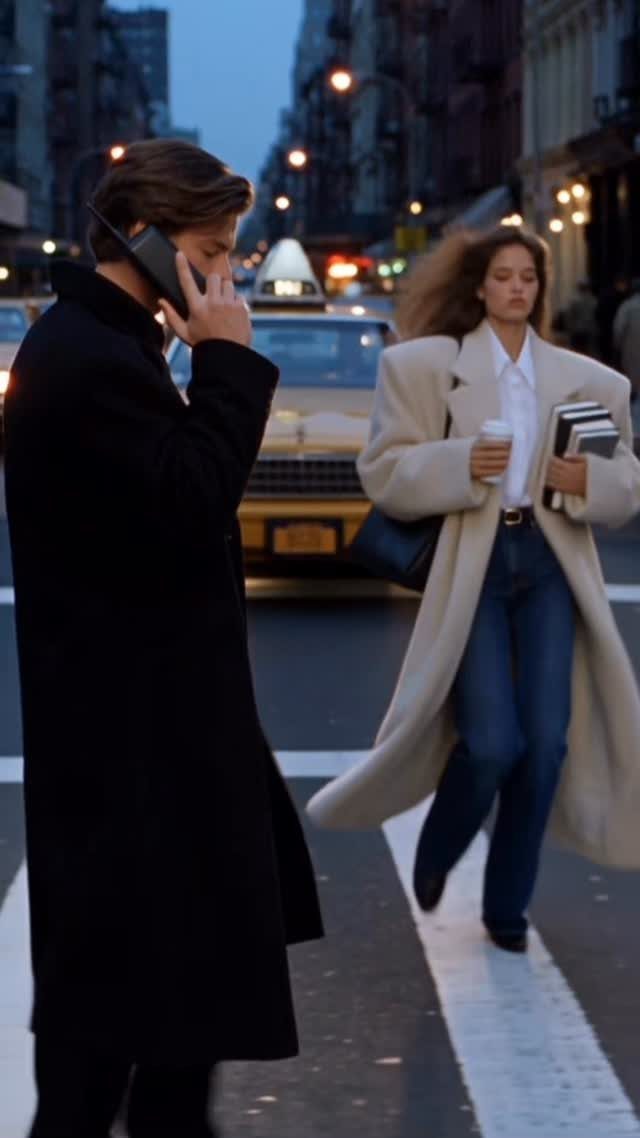
Gucci’s Monte Carlo shoot turned a black coat and an oversized beige one into characters crossing a street at golden hour, the taxi and the vintage phone giving the viewer a reason to stay for the next frame.
This suits anyone whose product has a story built in: heritage fabrics, a founder’s journey, a city where the pieces are made.
The method is chapter-based release across print, digital, and video, each image a story beat rather than a product shot.
Mark Seliger shot this in Monaco with a diverse cast; the light is hour-specific, so schedule around it, not against it.
This asks more of your time and location budget than a standard shoot.
A single-city narrative in a neighborhood your audience already posts from, shot in that same warm light window just before sunset, costs noticeably less while keeping the cinematic feel.
2. Minimalism Meets Authenticity
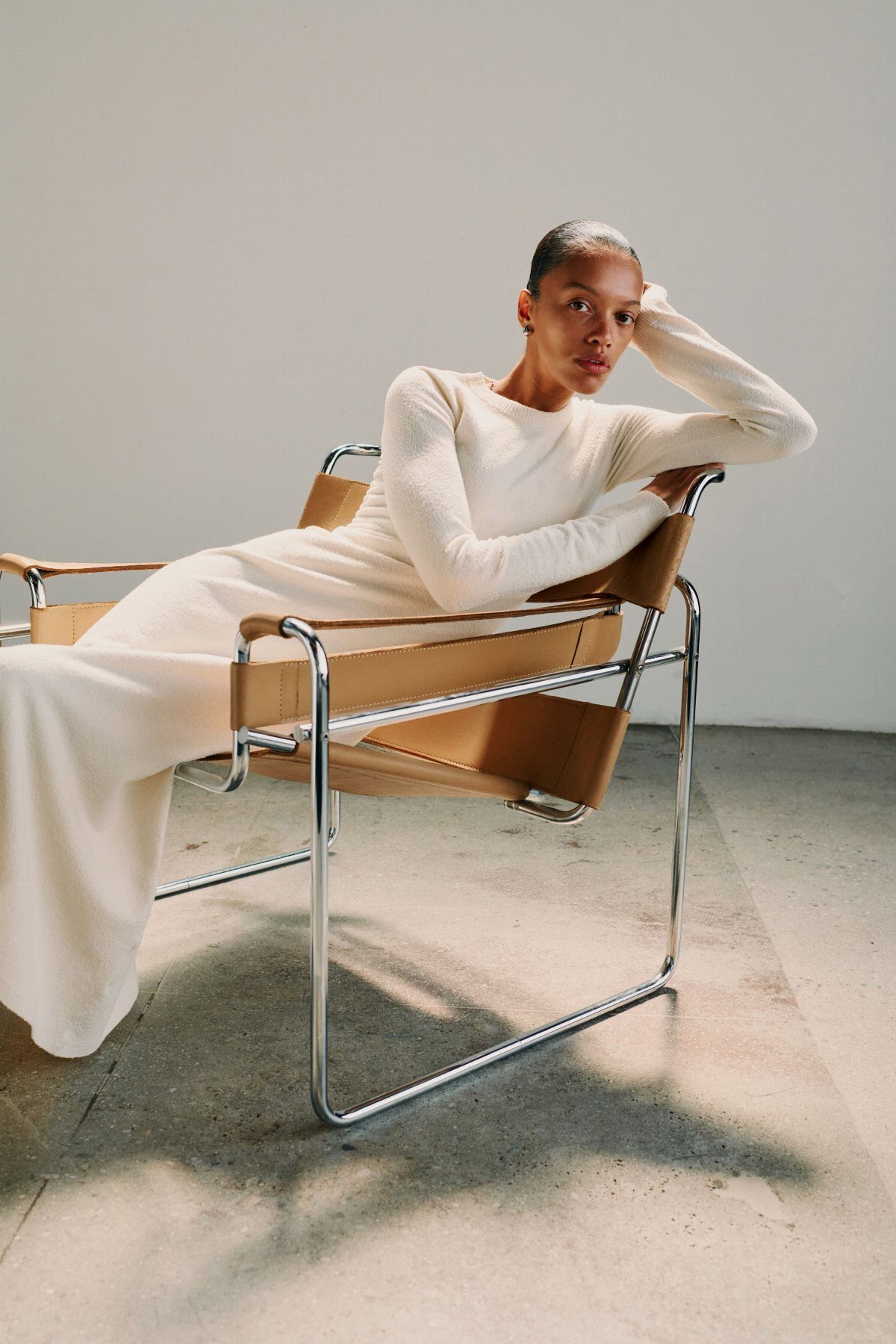
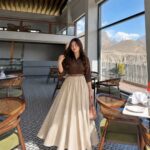
Calvin Klein’s "Feel the Fit" denim campaign stripped styling down to a woman in a cream knit dress, a leather chair, and a concrete floor.
This approach wins for brands whose fabric or cut is the actual story. Candid photography costs less in production polish, and the 34% social engagement lift the "Calvins or Nothing" reboot saw came from that intimacy.
The how-to: barely styled subjects, plain backgrounds, natural light if you can get it, and no more than one gesture per frame. Richard Avedon’s original Brooke Shields shoot proved the principle decades ago; the provocation has changed, the closeness hasn’t.
Best for direct-to-consumer labels with a fit or fabric claim to prove. Skip it if your differentiation is pattern, color, or occasion variety; those need more visual noise to register.
3. Festival Activations
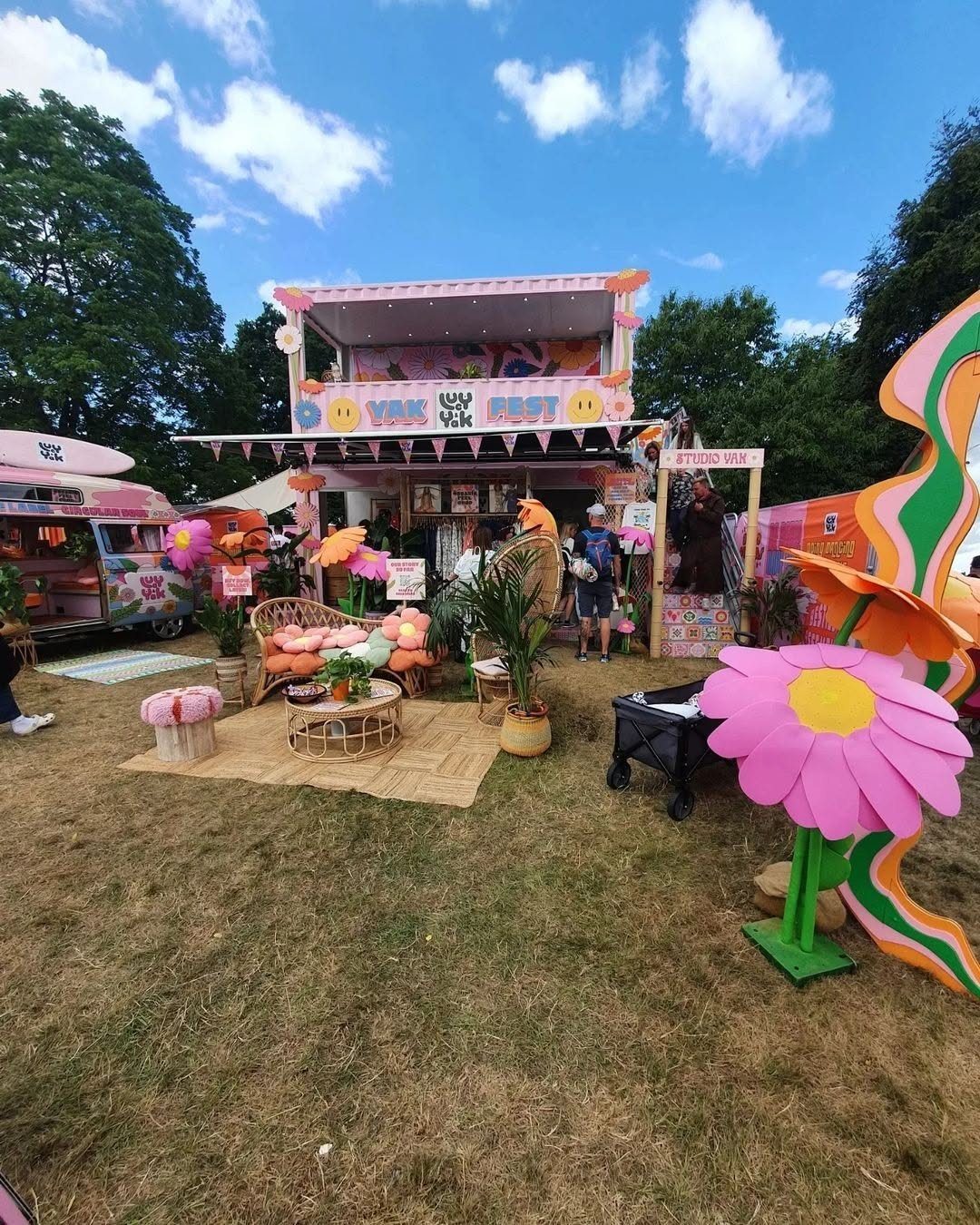
Festival crowds arrive already photographing everything.
Rare Beauty’s Tajín collaboration hit $7.8 million in media impact value, nearly double their makeup average, by aligning with a brand that shared their social values. The method: build the photo moment first, the product second.
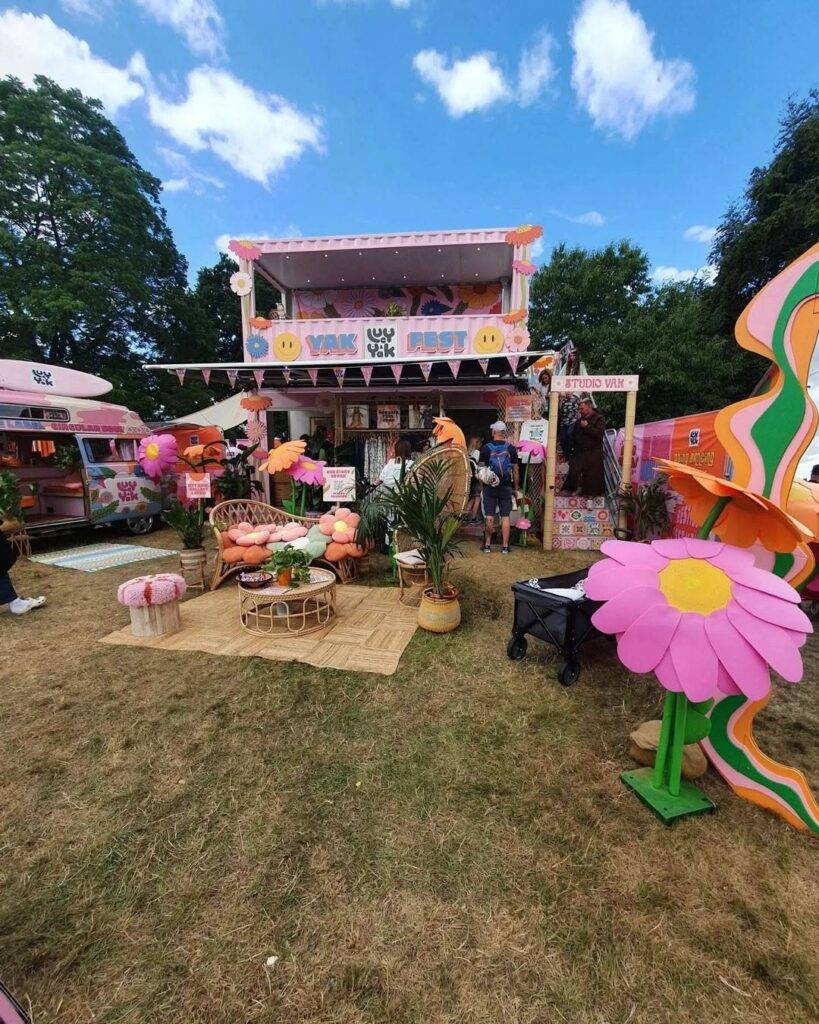
The Yak Fest version uses a camper van and food truck as natural gathering points; the flowers and furniture give people a reason to stop and a background to post against.
Costs run high for build and breakdown, and weather is a variable you cannot price out.
This suits brands with a bold visual identity that reads at distance. A quieter aesthetic gets lost in the field; those labels should sponsor an existing lounge instead of building their own.
4. Pop-Up Shops
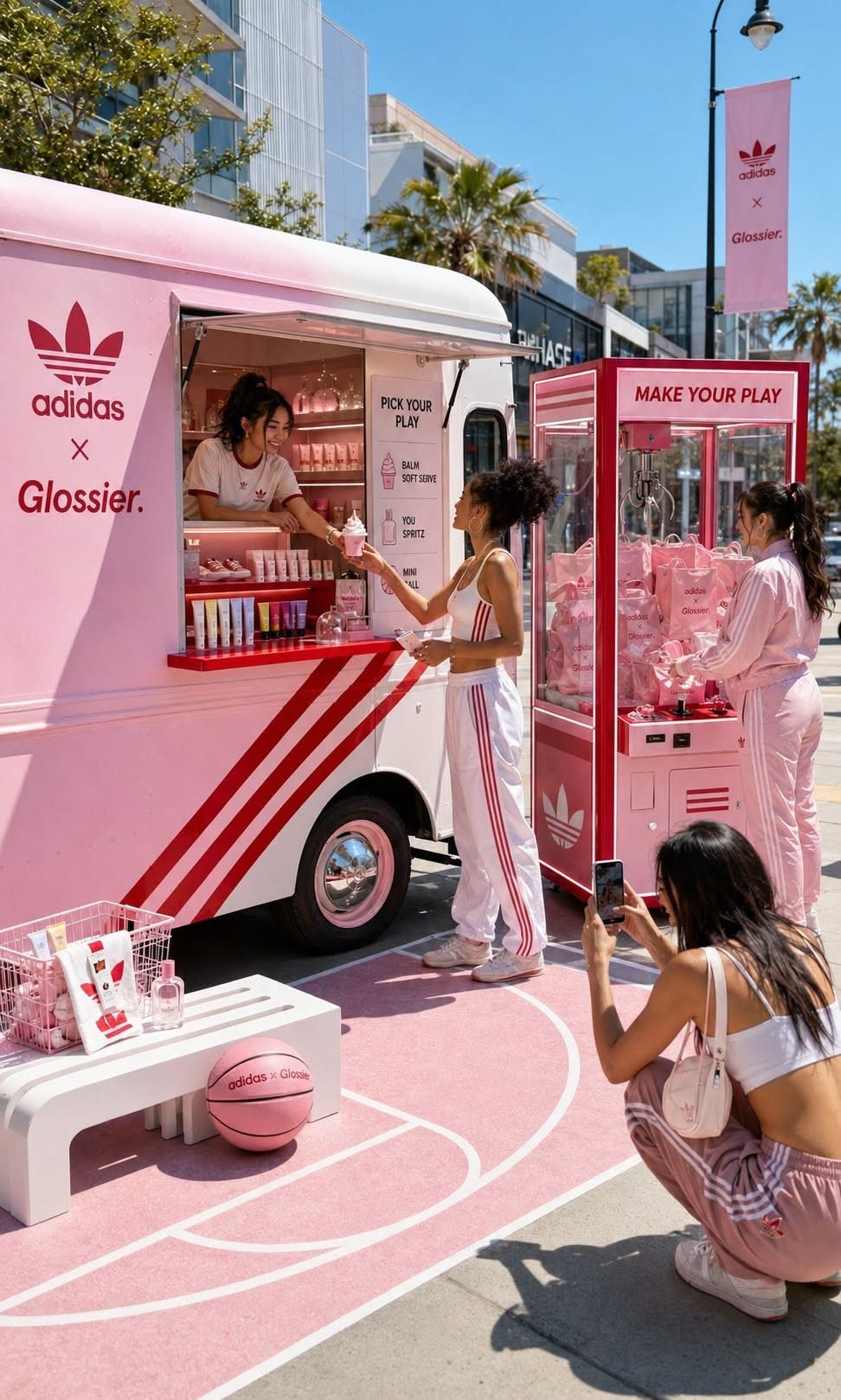
A food truck in Glossier pink with a claw machine and mini basketball court turns a product drop into an afternoon.
The Adidas collaboration showed women interacting around the truck, not posed with it, which makes the scene feel found rather than staged.
Pop-ups work when they ride existing demand: holiday shopping periods bring built-in foot traffic and intent, so the calendar does half your marketing. The how-to is timing first, then the interactive element.
A claw machine costs less than custom buildouts and gives people a repeatable action to film. The pink-and-white color scheme reads instantly as Glossier; your version needs that same single-color recognition.
Best for brands with a single hero product or collaboration to focus on. Skip if your range is wide and unconnected; the temporary format rewards a clear story, not a catalog.
Importance of Visual Disruption
A campaign that stops the scroll does so with one clear visual idea, not ten. The single perfectly executed concept beats scattered experimentation every time.
A face, famous or not, can do the work of a million-dollar set if it stops the scroll. Cultural relevance works the same way: campaigns that reflect what is already in conversation land harder than those trying to manufacture it.
The courage to polarize matters too. Work that disturbs nobody moves nobody.
For brands without runway heritage, this means finding the unexpected angle in your own story.
Engagement Metrics
User-generated content still leads every format for engagement. Short-form video comes next.
Carousel ads work well when you need room to walk someone through a product. Static images lag behind, though they still have their place.
A single campaign rarely needs all three. Match the format to the job.
New labels proving quality benefit most from UGC; established names with a single hero product can lead with short video and let carousels handle the rest.
Production matters less than distribution. A candid customer video shot on a phone, posted where your audience already scrolls, outperforms a polished studio piece that interrupts the wrong feed.
Cultural Timing
A campaign needs a reason, a date on the calendar: something shipping, something opening, two names together, a season turning. The strongest share four traits.
One clear idea. A physical or visual centerpiece.
A location where your audience already gathers. The plan that keeps the conversation going after the balloons come down.
Context shapes what works. Growth is flat again and shoppers are comparison-hunting harder than ever; a campaign that gets passed around for free beats one you have to keep feeding.
The calendar can do half your marketing.
Celebrity Influence
The casting works when the person shows up as themselves, not as a mannequin with better bone structure.
Doja Cat’s M·A·C ambassador reveal at the 2025 VMAs, where she bit into a Lady Danger lipstick on the red carpet, drove $2.8 million in media impact value within 48 hours.
Kris Jenner’s "I Only Wear MAC" announcement a week later pulled even more MIV; that single joint Instagram post outperformed a typical brand placement by a factor most marketers would not predict.
Editorial campaigns run €50,000–€150,000; major seasonal campaigns with video production and cross-channel media buying, €300,000–€1,000,000. For smaller budgets, the lesson is in the method, not the scale: choose faces who already embody your values, then let them behave naturally.
Frequently Asked Questions
What are some examples of ad campaigns?
Gucci’s Monte Carlo shoot put outerwear on bodies in motion, crossing streets at golden hour with taxis and vintage phones that gave the eye somewhere new to land in every frame.
Rare Beauty’s Tajín collaboration hit $7.8 million in media impact value by aligning with a brand that shared their social values at a festival activation.
What makes a fashion marketing campaign successful?
The campaigns that stick usually hang on one clear idea, give people something to touch or look at, meet the audience where they already are, and have a plan for keeping the conversation going once the event wraps.
How do fashion brands use pop-ups in campaigns?
Pop-ups create physical locations for customers to engage with products during launches or events, riding existing demand like holiday shopping periods when foot traffic and intent are already high.
Glossier’s pink-and-white palette registers as theirs in a split second; any brand running a pop-up needs that same instant color recognition.
What are the top best marketing campaigns?
The campaigns that matter get people through the door, into the fitting room, and to the register, not just looking polished in a pitch deck.
In 2025, fashion brands that wove in music, film, and personal moments saw those moments travel farther when the right voices carried the story.
What are the best advertisements of all time?
Richard Avedon’s original Brooke Shields shoot for Calvin Klein proved that candid photography and intimacy could sell denim decades ago, and the "Calvins or Nothing" reboot saw a 34% social engagement lift from that same closeness.
Versace’s supermodel era and Benetton’s social activism also made history by tapping into cultural conversations rather than creating them.