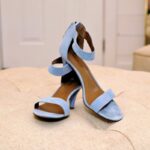

The 9 ideas below range from a slip-on flat to a platform sandal with an ankle strap, and the right one depends on whether your day calls for polish, presence, or neither.
1. Loafers
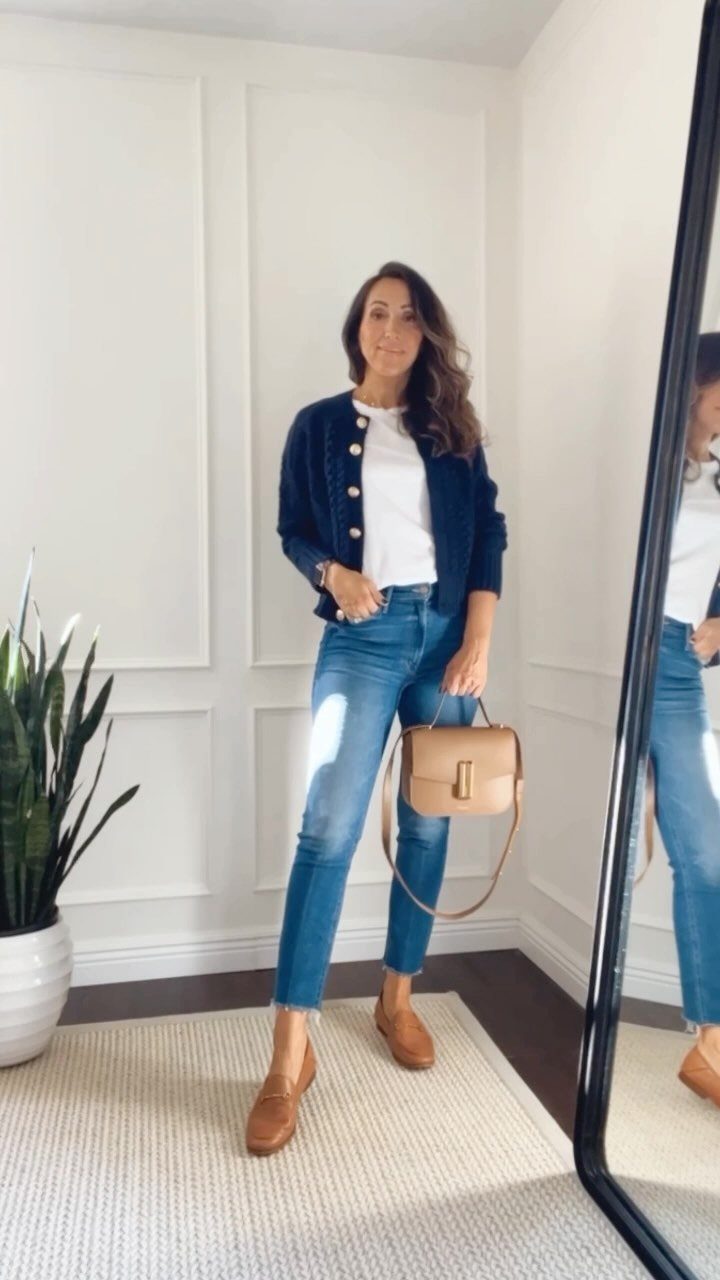
A penny loafer in brown leather turns the simplest jeans-and-tee into something intentional. The heel sits low enough for all-day wear, and the vamp keeps the line clean where a sneaker would bulk up.
I reach for these when I need to look pulled together without trying hard. The slip-on shape means no laces to fuss with, and the leather softens into your foot over time rather than staying stiff.
For straight-leg jeans, a loafer with a slightly elongated toe balances the hem width. With skinnies, a rounder toe keeps proportions from feeling too sharp.
Skip the socks or go no-show; a visible athletic sock breaks the look.
A navy cardigan and tan bag finish it, though any neutral layer works. These suit women who want polish without the formality of heels.
2. Ankle Boots

Black leather ankle boots with a block heel add structure that sneakers cannot touch. The shaft height matters most: it should slip cleanly under your jean hem, not bunch against it.
I find this pairing works best with slim-straight or skinny cuts where the boot can sit close to the leg. A heavy sole overwhelms narrow jeans and breaks the line at the ankle; a sleeker profile keeps the silhouette continuous.
For ripped denim, the toughness reads as deliberate rather than sloppy. With dark indigo and a black top, the whole look pulls together for evening without requiring a change of shoes.
Check that the heel feels stable for your stride. A boot that wobbles sits in the closet.
3. Combat Boots
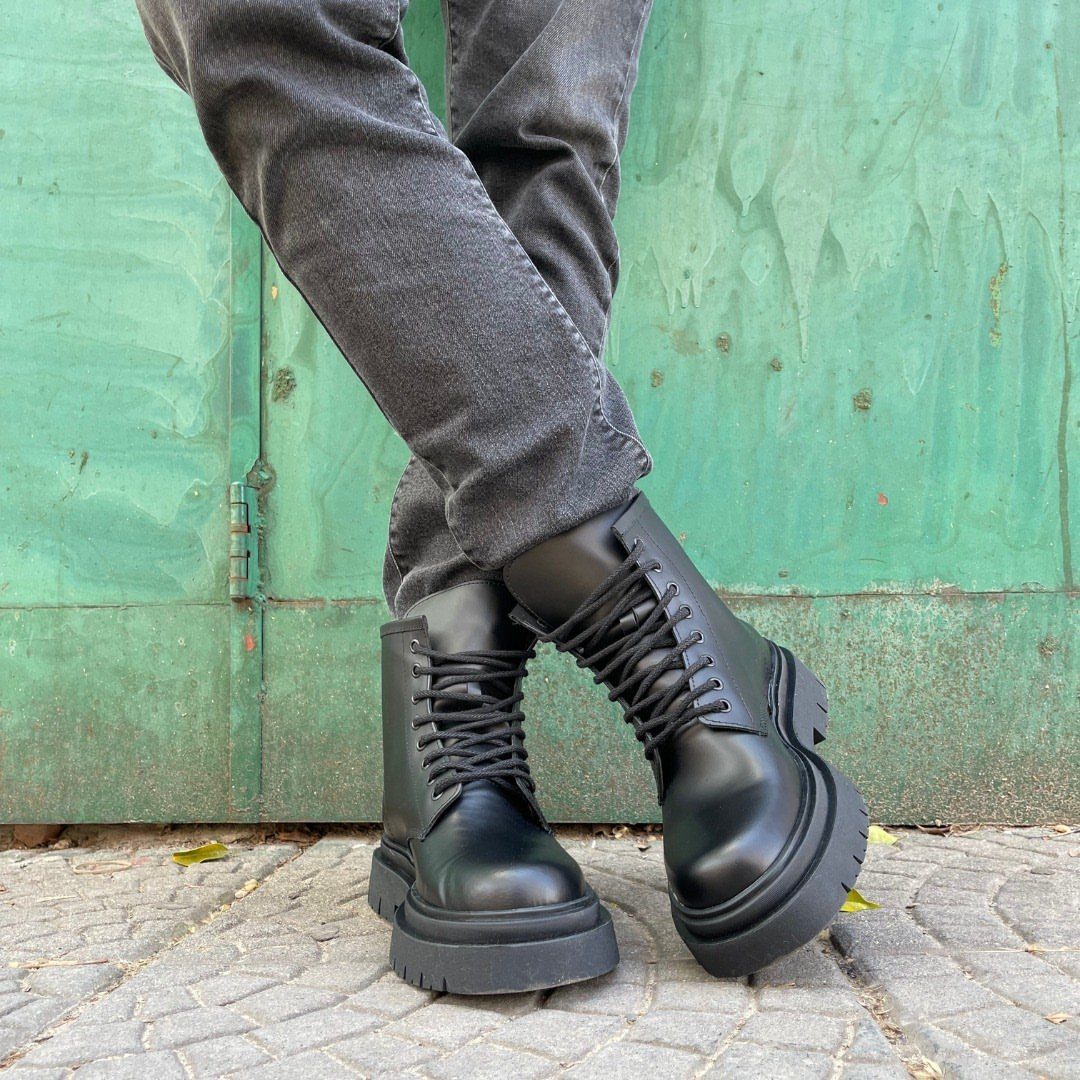
Thick-soled combat boots give jeans a weight they do not have on their own. The laced front and platform sole add visual heft that balances wider legs or longer hems.
I wear these when I want the outfit to read as considered rather than thrown on. Grey denim keeps the palette muted; black jeans push further into punk territory, light wash into contrast.
Where the jean hits the boot matters most. A full-length leg should fall cleanly over the boot tongue, or you can cuff to show the laces.
Half-covering the boot looks accidental.
These trade away refinement for presence. If your day includes a lot of walking, the platform adds height without the pitch of a heel, though the weight costs you over distance.
4. Mules
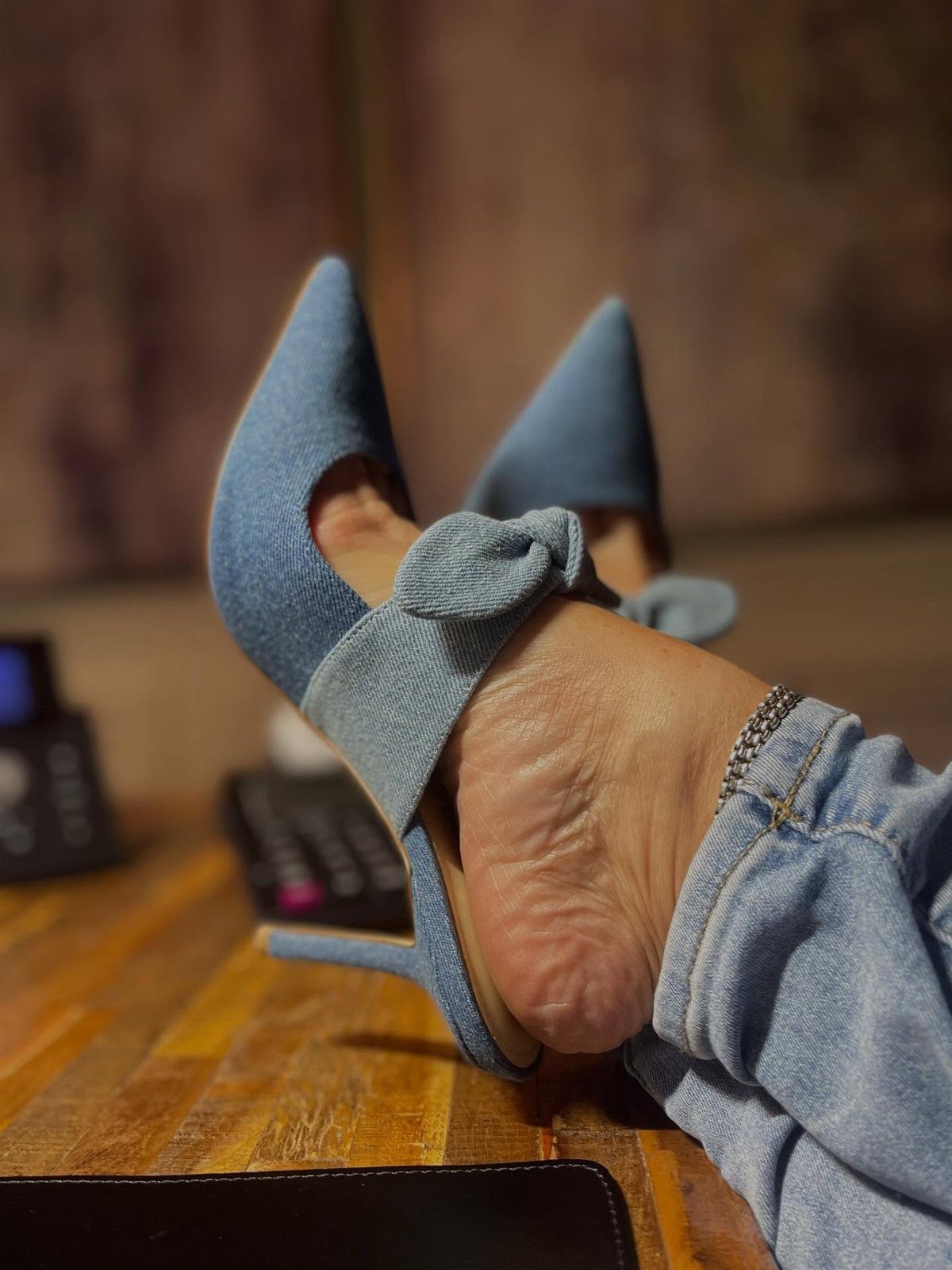
Pointed-toe mules in a pale leather do something no closed-back shoe manages: they elongate the ankle while staying easy to step into.
The open heel keeps the look light, and the pointed toe extends the leg line past where the jean ends.
I like these with cropped jeans where the mule becomes the focus. Light denim with light shoes keeps the extension continuous.
A darker mule against pale denim would chop the leg visually.
The heel here is moderate, enough to lift without pitching you forward. Flat mules work too, though they lose some of the leg-lengthening effect.
These suit warm days and indoor settings. A mule that slips off with every step needs a tighter fit or a different choice.
5. Dress Shoes

Polished black oxfords against dark denim blur the line between casual and formal in a way that works for dinner or a date. The shine and structure signal intent; the jeans keep it from reading as office wear.
I would not try this with faded or ripped denim. The contrast fights itself.
A dark wash with minimal distressing lets the shoe set the tone, and a coat layered over a sweater bridges the middle ground.
The pairing works on women the same way. Women might choose a brogue with a slimmer sole or a monk strap for the same effect.
Keep the sock dark and thin; a thick athletic sock undermines the shoe’s refinement.
This trades comfort for authority. If you are standing for hours, the leather sole will tell you.
6. Pumps
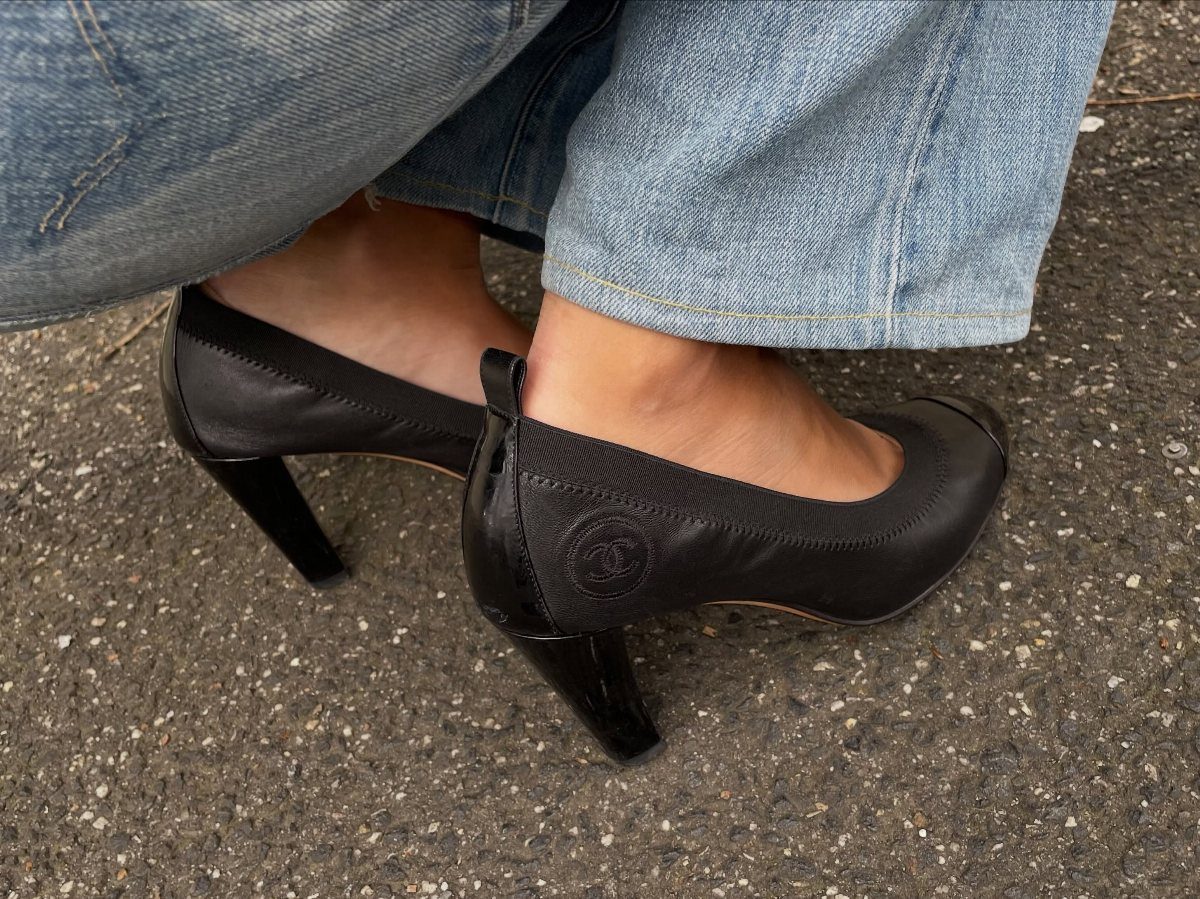
A black leather pump with a moderate heel turns jeans into a base for anything from a meeting to a bar. An embossed logo is a detail I’d skip; a plain pump keeps the focus on shape rather than branding.
I reach for pumps when skinny or straight jeans need to read as deliberate. The jean acts as a neutral, and the heel does the work of dressing it up.
A pointed toe extends the leg; a round toe softens the look for daytime.
Nude pumps against dark denim create a longer line still, though they show scuff faster. For comfort, a block heel carries you further than a stiletto without losing the effect.
Check that the hem clears the heel back. A jean dragging under the shoe looks careless and frays the denim.
7. White Sneakers
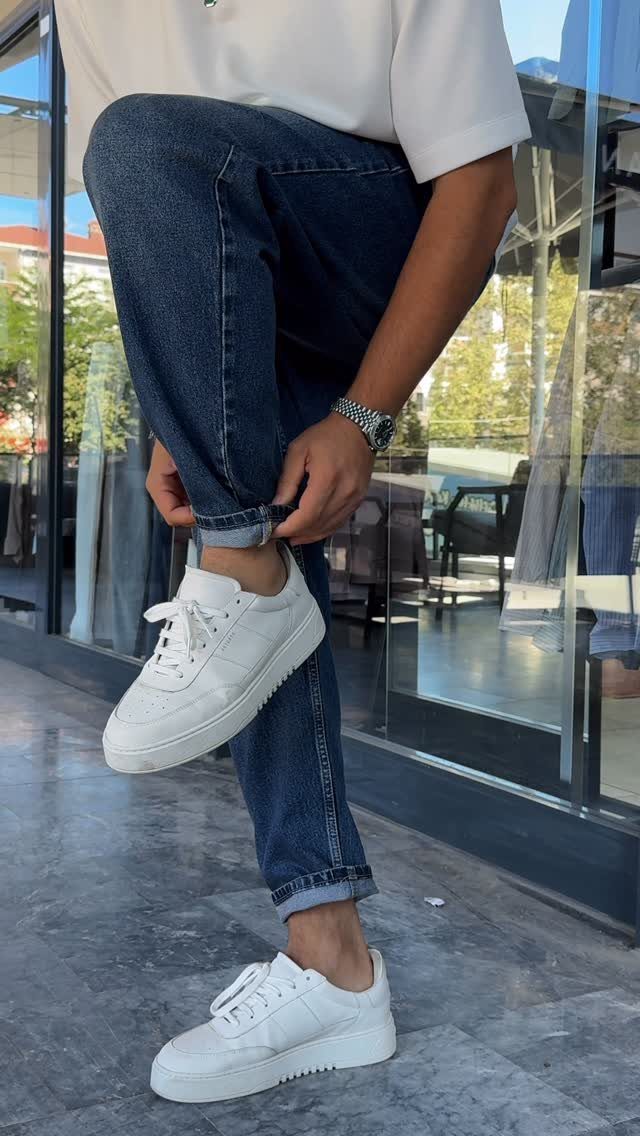
A clean white leather sneaker turns cuffed blue jeans into something intentional rather than thrown-on. The retro runner shape sits slim against the ankle, no bulk spilling over the cuff, and that narrow silhouette keeps the leg line long.
Canvas pairs drop much lower if leather feels like too much commitment for a shoe that will scuff.
Keeping them actually white takes work. I wipe mine down every third wear and keep a magic eraser by the door for the rubber trim.
Socks matter here: no-show in summer, a thin crew in fall if the cuff sits high enough to flash it.
This pairing works for anyone whose jeans see more grocery stores than galleries. Rain turns white leather grey in one afternoon.
8. Ballet Flats
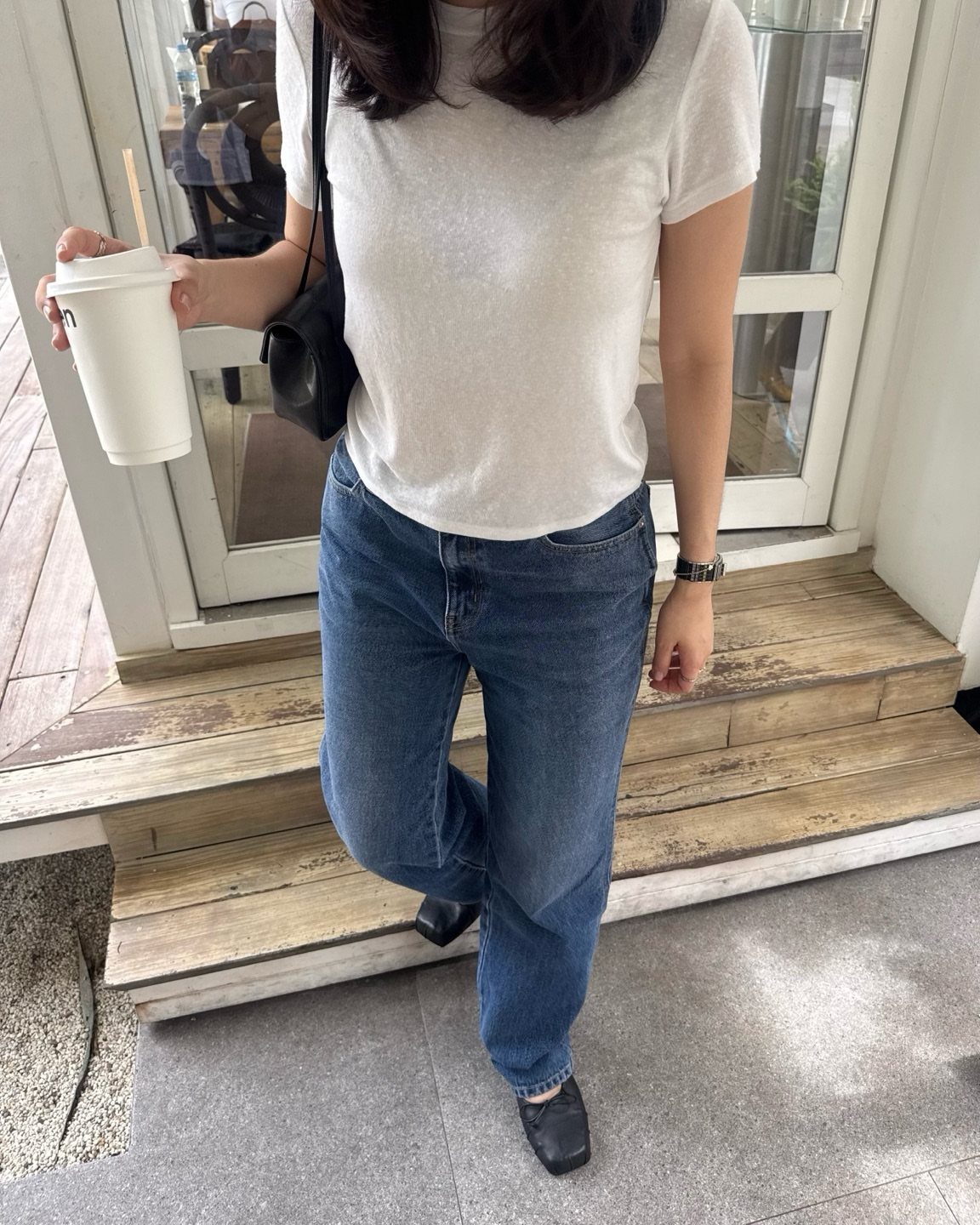
Black leather ballet flats against blue denim reads Parisian lunch rather than office drone, especially when the toe is square and the jeans sit at ankle length to show the whole shoe.
The woven or bowknot details on some versions add texture without competing; I skip anything too embellished near the toe, where jeans already bunch.
Sizing runs generous on most knit-lined pairs. Dream Pairs makes arch support options if you are walking more than sitting, and foldable versions travel well for a shoe change at work.
Skinny and straight-leg jeans both work here; wide-leg hems swallow the flat entirely and look accidental. The comfort is real but the sole is thin, so I swap to something with more cushion for a day of concrete sidewalks.
9. Platform Sandals
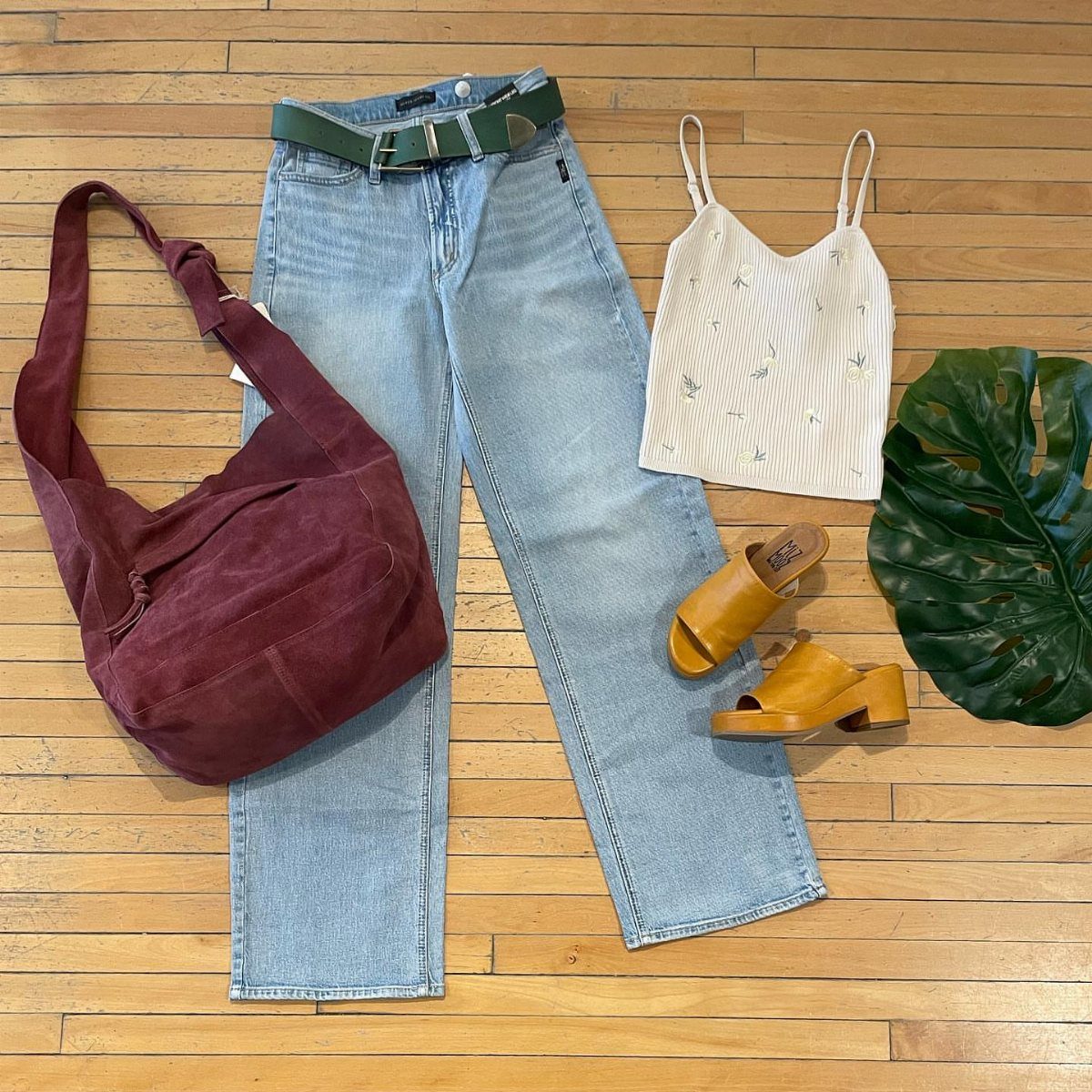
Platform sandals solve the one problem wide-leg jeans create: hems that drag and fray.
A thick sole lifts the denim clear of the ground without the wobble of a stiletto, and the ankle strap on versions like the Free People Holt keeps the foot secure when the platform shifts your weight back.
Wood or cork soles read daytime; leather-wrapped platforms move into evening.
A wide platform under a narrow jean leg can look like the foot belongs to someone else.
Petite frames can disappear under too much platform plus too much denim; I would keep the rise high and the top fitted to balance the volume below.
These are summer-only for most of the country, and a platform mule without the back strap risks slipping on stairs.
Choosing the Right Fit
Your inseam matters before the shoes do. A jean that pools at the ankle swallows a ballet flat or loafer whole; one that hovers above the bone leaves a mule or boot nothing to frame.
Find the fit first, then the wash. Cuffing is one of those small moves that changes the whole proportion: a single roll to sit above an ankle boot, a double if you want a flash of sock with low-tops.
Try both cuffing styles instead of defaulting to just one.
The same pair shifts its mood entirely with a shoe change. Dark wash, slim straight, clean hem: that is your blank canvas.
Everything else builds from there.
Occasion Considerations
Casual settings forgive more. Sneakers, casual loafers, and canvas all read naturally against cuffed denim.
The moment you add distressing or fading, that damage becomes the outfit’s center; keep the top minimal and pick a shoe with some edge, like a bright white or black lace-up.
Solid-color denim opens the door to boat shoes or a slick leather chukka. Those same shoes against ripped jeans fight for attention and lose.
For evenings that need more than grocery-run polish, a Chelsea boot or lace-up with a cleaner jean signals intent without full formality. The shoe sets the ceiling; the jean sets the floor.
Color Coordination
Start with the occasion, then build. A dressy pairing wants darker tones head to toe; casual settings let you break the palette.
Neutrals solve most problems before they start. Brown leather against blue denim, black against black or grey, tan against white or cream: these pairings need no defense.
A bright shoe against a bright jean looks like a costume unless you planned it that way.
Cuffing introduces a third color at the ankle: your skin, your sock, or both. A no-show sock keeps the line clean for loafers or mules.
A thin crew in fall, flashed above a double cuff, adds texture without shouting.
Proportions and Balance
Wide-leg jeans need something solid underneath; a platform or block heel carries the volume without looking like the denim is wearing you.
Flares and bootcuts still want a heel, because that hem was cut to clear one in the first place.
Baggy and barrel jeans, newer shapes in the rotation, need balance above as well as below. A fitted top keeps the frame from disappearing inside all that denim.
The shoe should look like it holds its own, not like it wandered in from another outfit.
Jeans are only as good as the shoes you pair them with.
Frequently Asked Questions
What type of shoes are best for jeans?
Loafers, ankle boots, and white sneakers are the most reliable choices.
What shoes will be trendy to wear with jeans in 2026?
Platform sandals and thick-soled combat boots are the directional picks.
What are the best shoes to wear with jeans for ladies?
Ballet flats, mules, and ankle boots all work well. Black leather ballet flats with a square toe against ankle-length jeans read Parisian rather than office-bound.
What color shoes go best with jeans?
Neutrals win: brown leather for loafers, black for boots and oxfords, tan for bags that finish the look. Pale mules against light denim extend the leg visually, while dark mules against pale denim chop it.