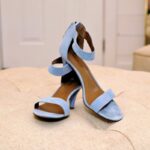
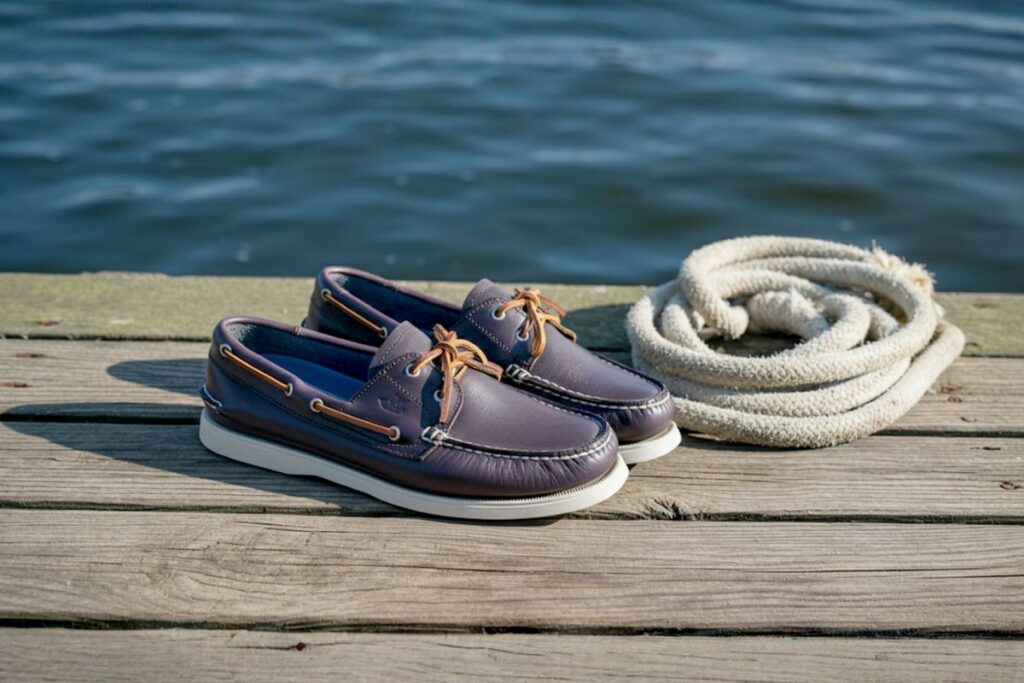
What you need changes fast if you are hauling line in spray versus standing on a dock with a drink in hand, and the sections below split along that line.
The list below starts with traditional leather that breaks in like a favorite wallet and ends with mesh water shoes built to drain and dry, with everything in between sorted by how much grip and coverage it actually gives you on a wet deck.
Every option here keeps the deck unmarked, though only a few have real siping, those hairline slits that pull water out from under your step.
1. Traditional Boat Shoes
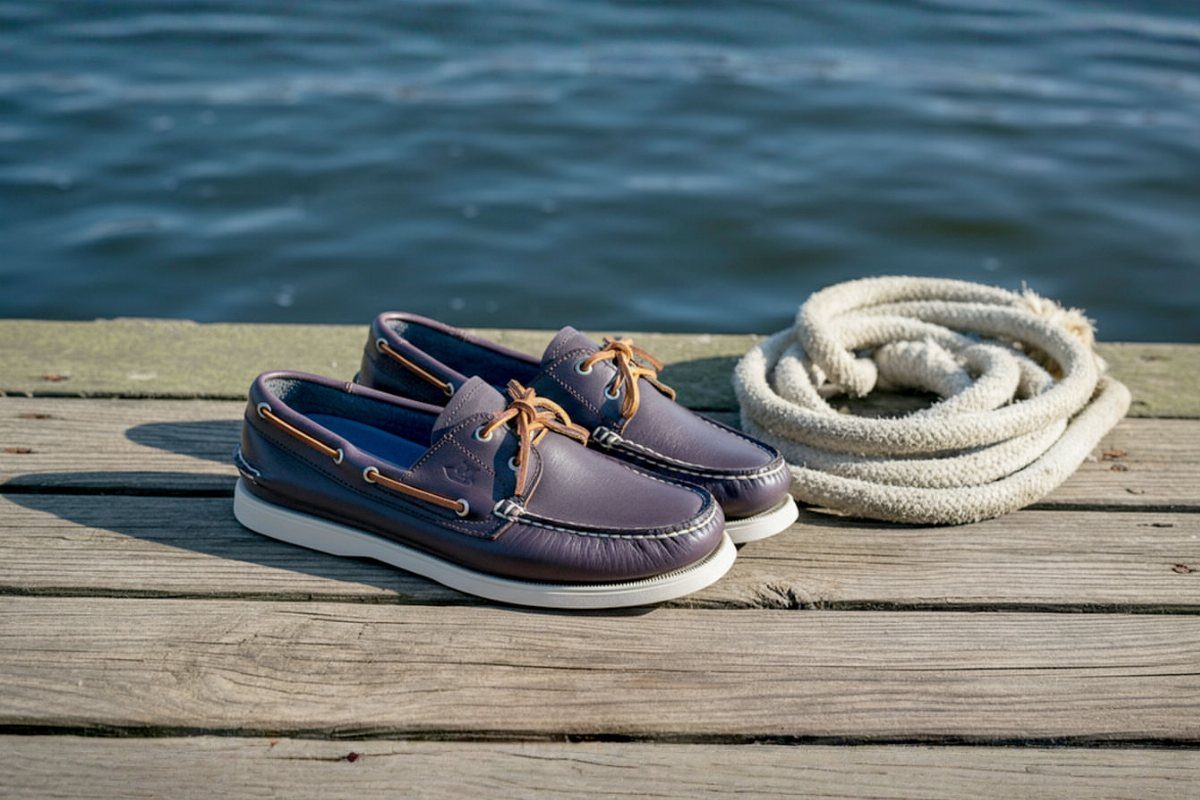
Leather boat shoes with white rubber soles are the image most people picture, and for good reason. The non-marking sole keeps the deck clean, and the leather molds to your foot over time.
I would pick these for casual afternoons on a friend’s cabin cruiser or a marina dinner where you will step off onto the dock.
Color matters less than fit. A snug heel keeps you stable when the boat rocks; loose leather on a wet deck is a hazard, not a style.
Check that the sole has actual siping, those thin slits that channel water away, not just a textured pattern. Dark brown or navy hides salt stains better than tan.
Skip these for serious sailing or fishing. They take hours to dry when soaked, and the leather stiffens.
For a calm day with more socializing than rigging, though, they still look right.
2. Sailing and High-Performance Boating
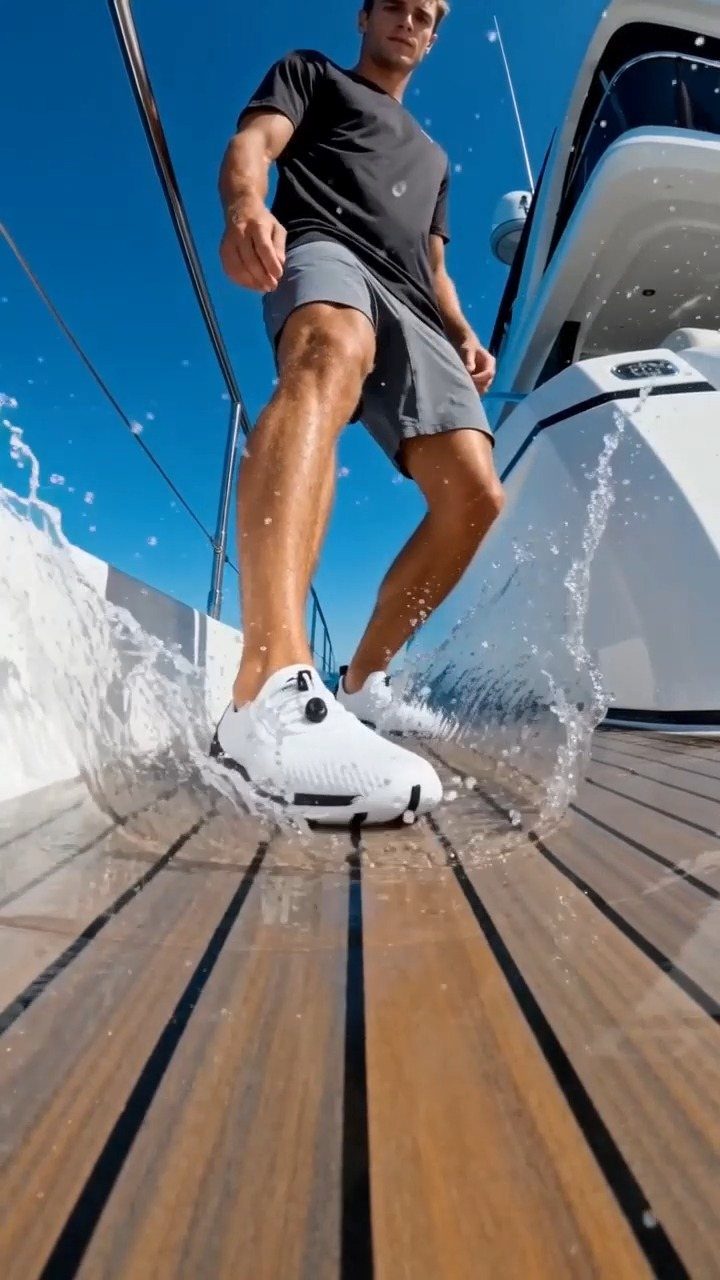
Athletic-style deck shoes bridge the gap between streetwear and function. The micro-grooved rubber outsole grips wet fiberglass better than traditional leather, and a water-repellent coating keeps salt from staining the upper.
I have worn similar pairs for casual coastal cruising on flat, sunny days.
Weather protection matters more than anything else once you are past the harbor wall. These are built for dry conditions, not a squall or a night watch in spray.
If your boating means weekends in summer with a cold drink in hand, they work. If you are racing or heading offshore, the lack of ankle support and drainage becomes a problem.
Decathlon’s Tribord line hits this niche at a price that lets you replace them every couple seasons without regret. Try them on with the socks you will actually wear; a half-size tight means blisters by hour three.
Decathlon’s technical shoes are lightweight, with a mesh upper that benefits from a plasma coating that reduces water absorption by 40 per cent.
3. Helly Hansen Skagen F-1
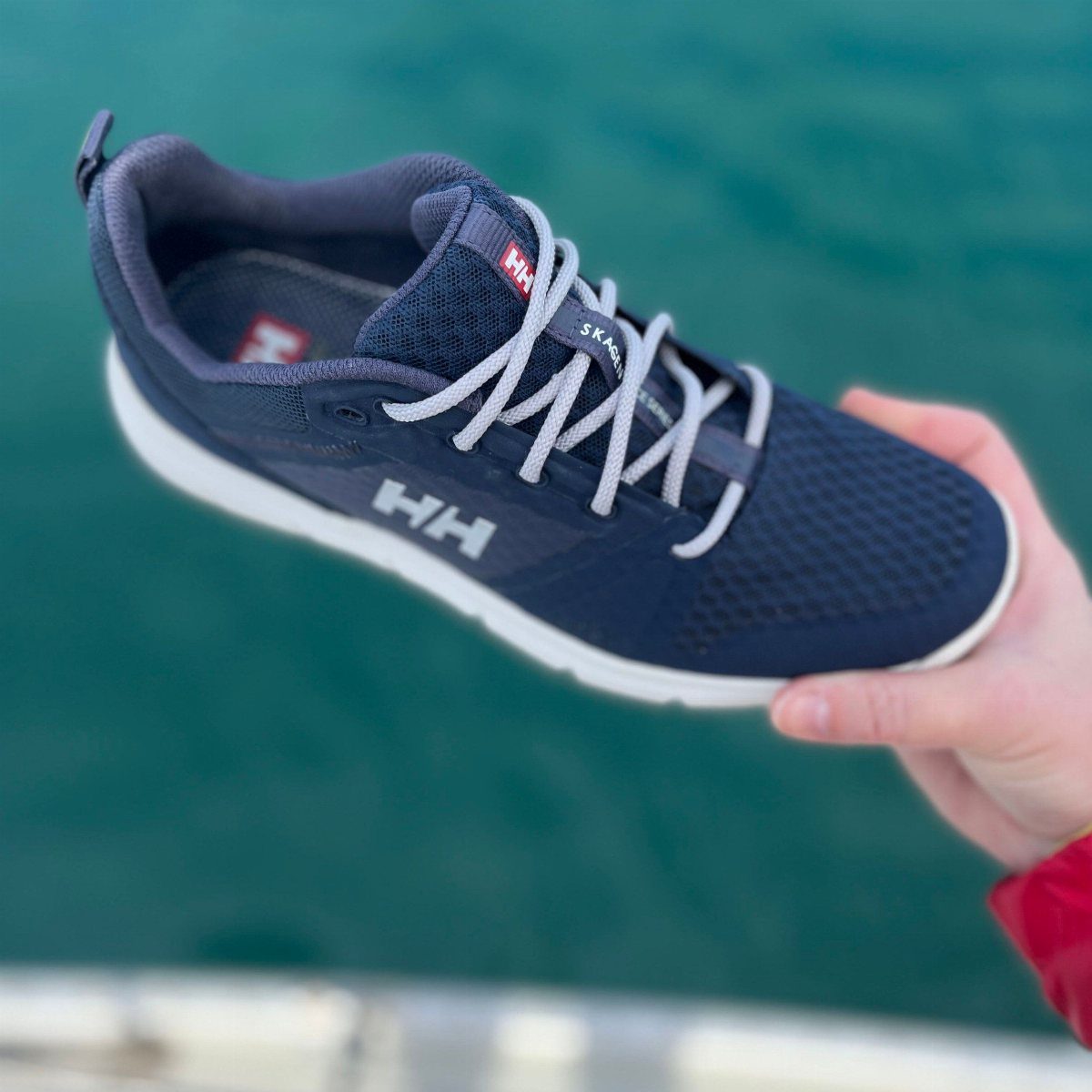
The Skagen F-1 is Helly Hansen’s answer to sailors who want sneaker comfort with deck-shoe grip. The upper is synthetic mesh and textile, the midsole is EVA, and the HellyGrip rubber outsole grips across several different deck zones.
I would grab these for paddleboarding or days when you are hopping between the boat, the dinghy, and a rocky beach.
Sizes run UK 6.5 to 12.5 in four color options. The fit sits close, which helps stability on a moving deck but can pinch by late afternoon.
Plan to wear them for active stretches, not for a long passage where you are mostly standing still.
They dry fast and breathe well, summer-optimized to the point that early spring or fall chill goes straight through. For hot-climate sailing or anyone who runs warm, that ventilation is the selling point.
For all-day wear, size up or bring a backup pair.
4. Sport Sandals
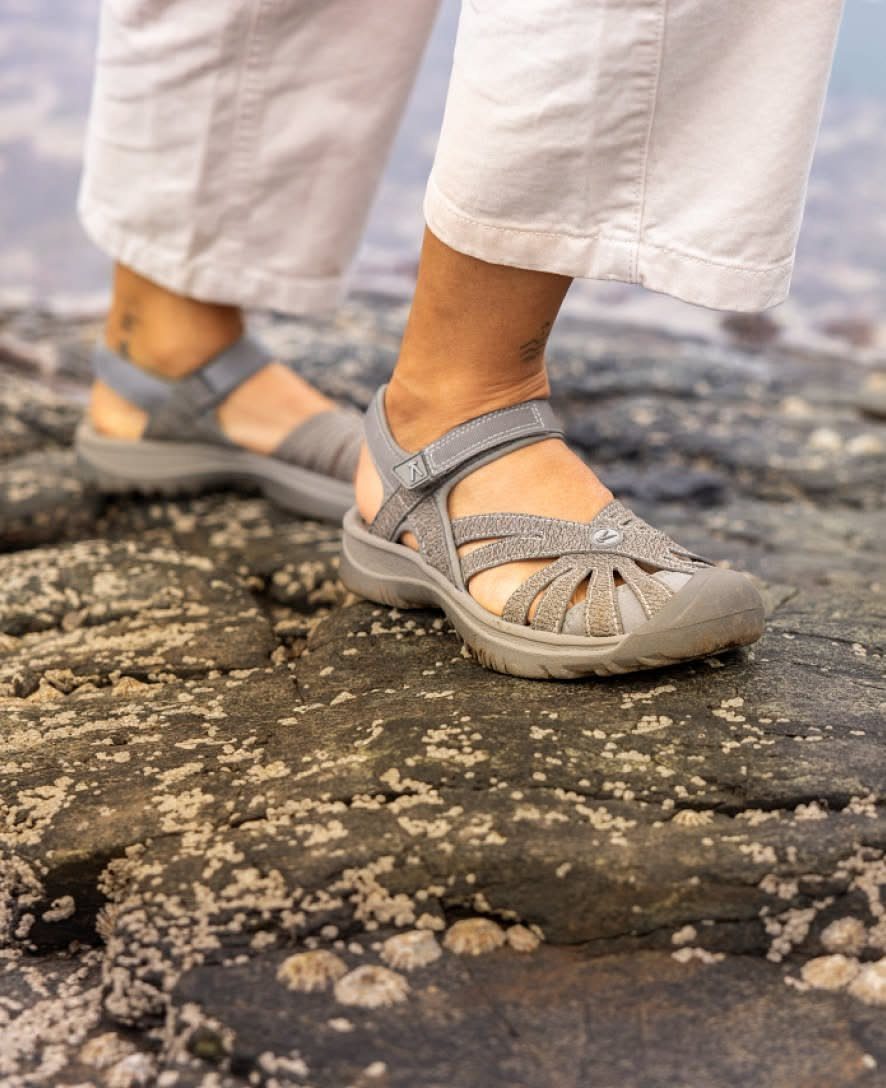
A heel strap keeps sport sandals on through beach landings and wading without the closed feel of a water shoe.
The closed-toe versions, like Keen’s SOLR, protect against deck hardware and rocky shorelines while the recycled webbing upper drains and dries fast.
I would point anyone with wide feet toward this category; the adjustable straps accommodate where a fixed leather boat shoe pinches.
The non-marking rubber compound grips wet surfaces without scuffing fiberglass, and the quick-dry lining means you can swim to shore and walk into town without changing.
Open-toe models exist, but the closed toe wins for actual boating. A stubbed toe on a cleat ends the day fast.
These trade some polish for utility; wear them where function matters more than marina fashion.
5. Water Shoes
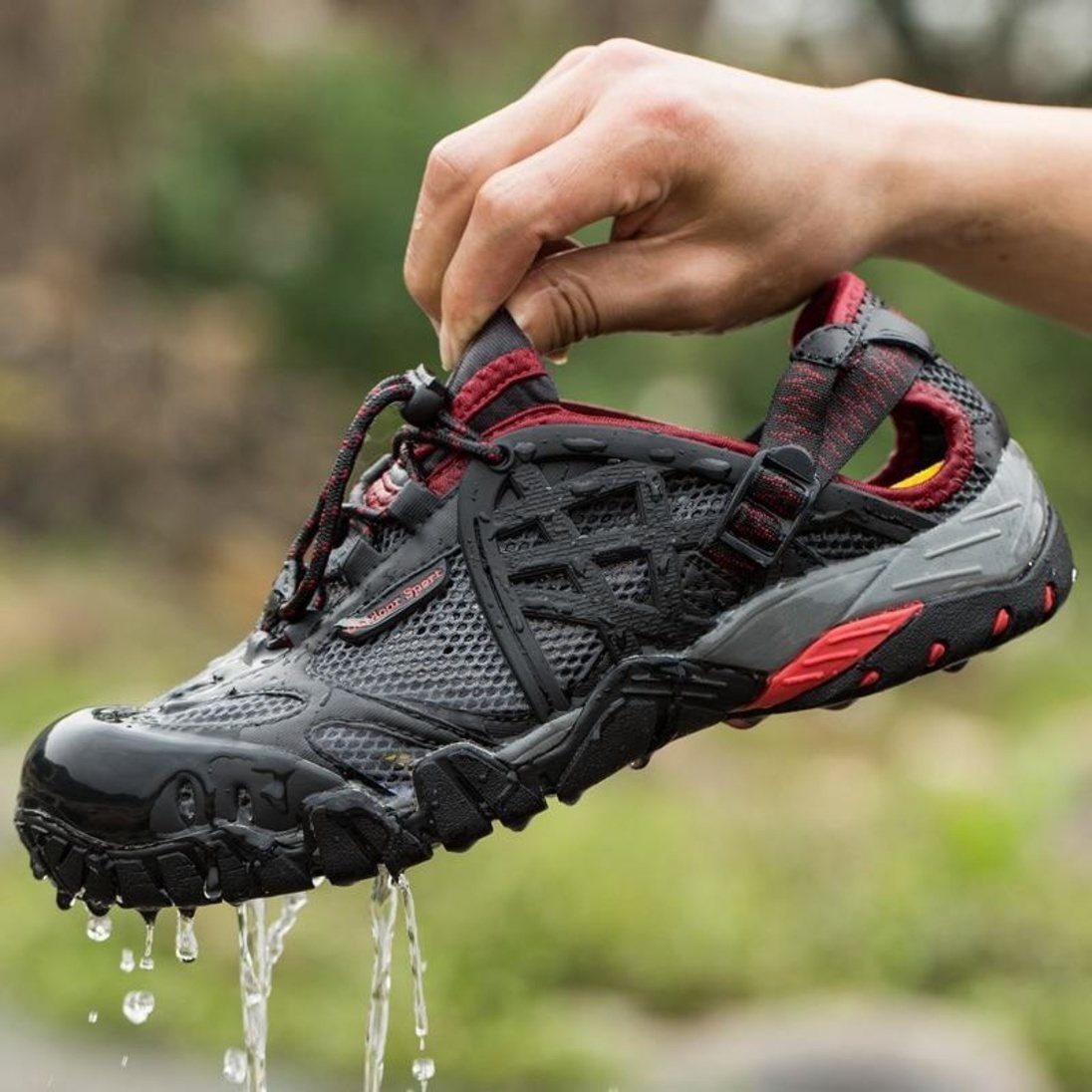
Mesh water shoes with drainage holes and slip-resistant soles are built for wading, swimming, and scrambling over rocks. The lace-up design stays on when a current tugs, and the thin sole lets you feel the bottom for footing.
I would use these for kayak fishing, snorkeling from a dinghy, or any day where you are in and out of the water constantly.
Look for rubber that grips wet rock, not just boat deck. The best pairs have a protected toe box; the mesh dries fast but offers no structure on its own.
A drainage port in the sole lets water out, though sand sometimes comes in the same door.
These are not dock shoes. The mesh looks technical, and the thin insole means hours of standing on hard deck will tire your feet.
Pack them as a second pair, not your only footwear.
6. Avoid Flip-flops
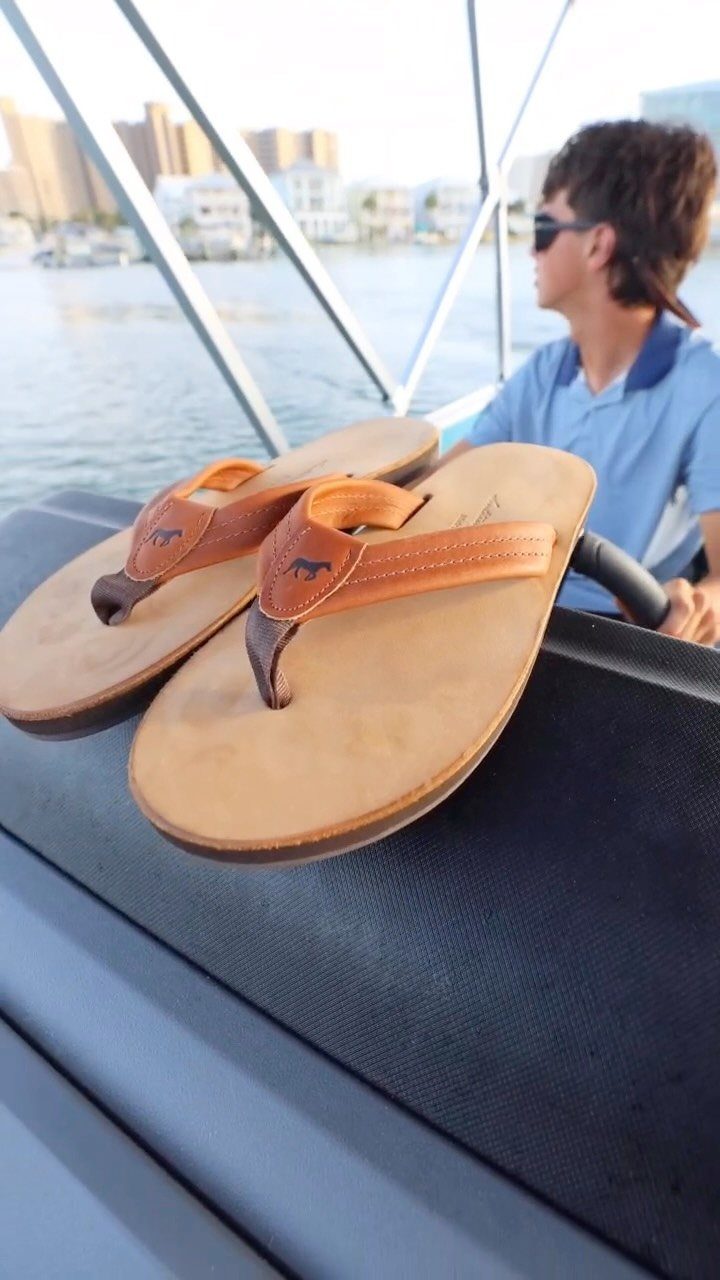
Flip-flops belong in the bag, not on your feet while underway. One wave across the bow and you are either barefoot or chasing a shoe overboard.
The argument for them, breathability and easy on-off, holds up only for a boat that never leaves the slip. Even then, a dock line underfoot or a step down to a lower deck becomes a twisted ankle waiting to happen.
Open airflow is still possible with a heel strap added; the ventilation stays, and the stability arrives with it. Save the flip-flops for the pool, the shower, or the beach after the anchor is set.
7. Perforated Rubber Boat Shoes
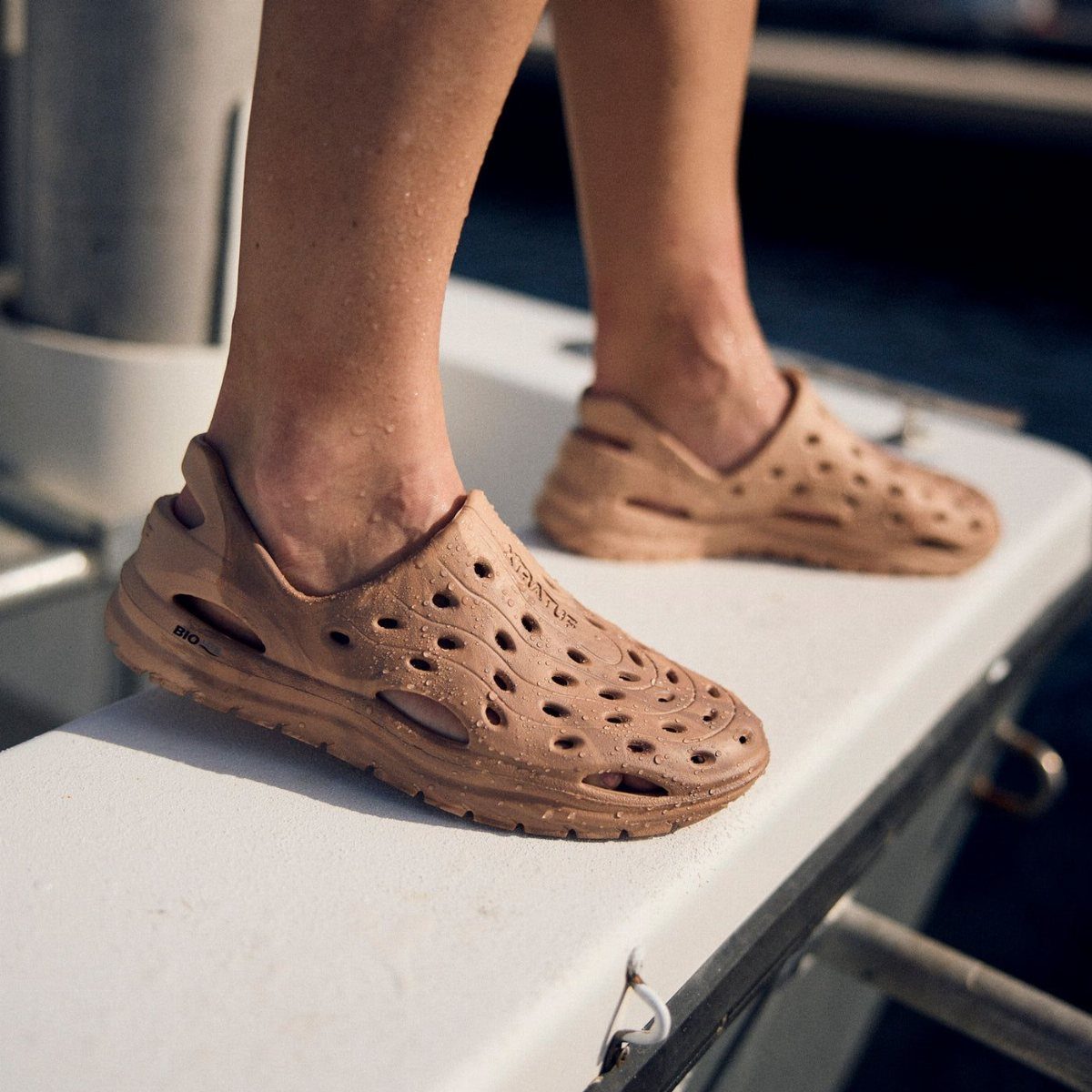
Perforated rubber lets water out faster than it gets in, which matters more than it sounds when you’re stepping through spray all morning.
The holes are small enough that pebbles and shell grit mostly stay out, and the rubber shell shrugs off fish blood, sunscreen, and whatever else ends up on a deck.
These run warmer than mesh in July and cooler than solid rubber in May. If your feet run hot, size up slightly for airflow; the material doesn’t stretch much.
Check whether the insole lifts out for drying; glued-in ones stay damp for days.
Best for day boats and fishing skiffs where you’re in and out of the water, not for offshore sailing where ankle coverage matters more.
8. Camo Slip-on Deck Shoes
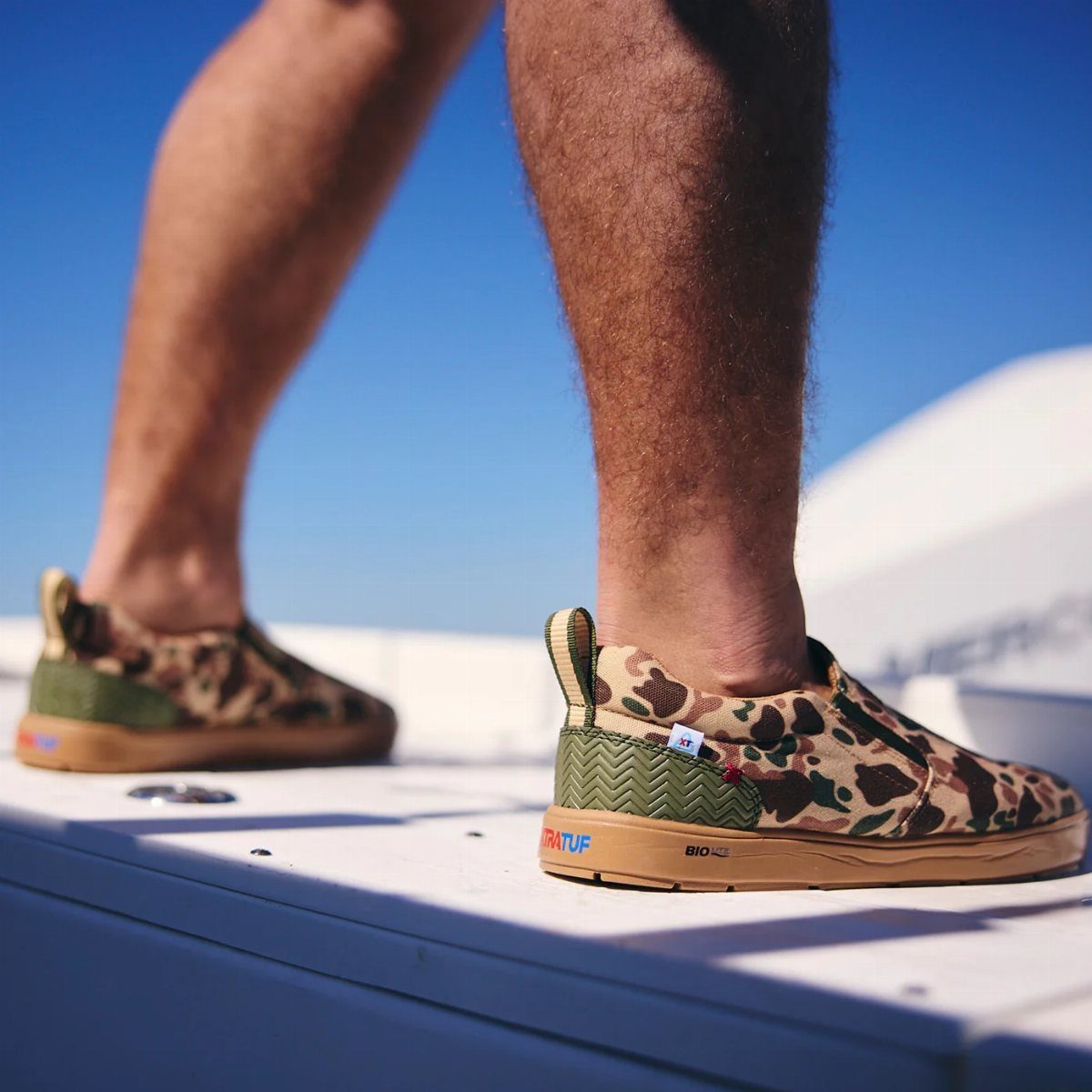
Camo on a boat reads more as workwear than hunting gear, especially in brown tones that hide scuff marks and fish slime.
The slip-on shape here has a reinforced heel counter in green, which is the part that takes stress when you kick them off one-handed.
XTRATUF prints the sole, and that sole is the reason these show up on charter boats in Alaska as often as on weekenders in Florida. The tread pattern grips wet fiberglass without the squeak some rubber compounds get.
Slip-ons trade away the snug fit of lace-up deck shoes. For rocky ramps or pitching docks, I’d want something that stays put if I step wrong.
These suit calm days and quick errands, or anyone who treats the boat like a pickup truck: load, run, hose it down after.
9. Casual Canvas Sneakers
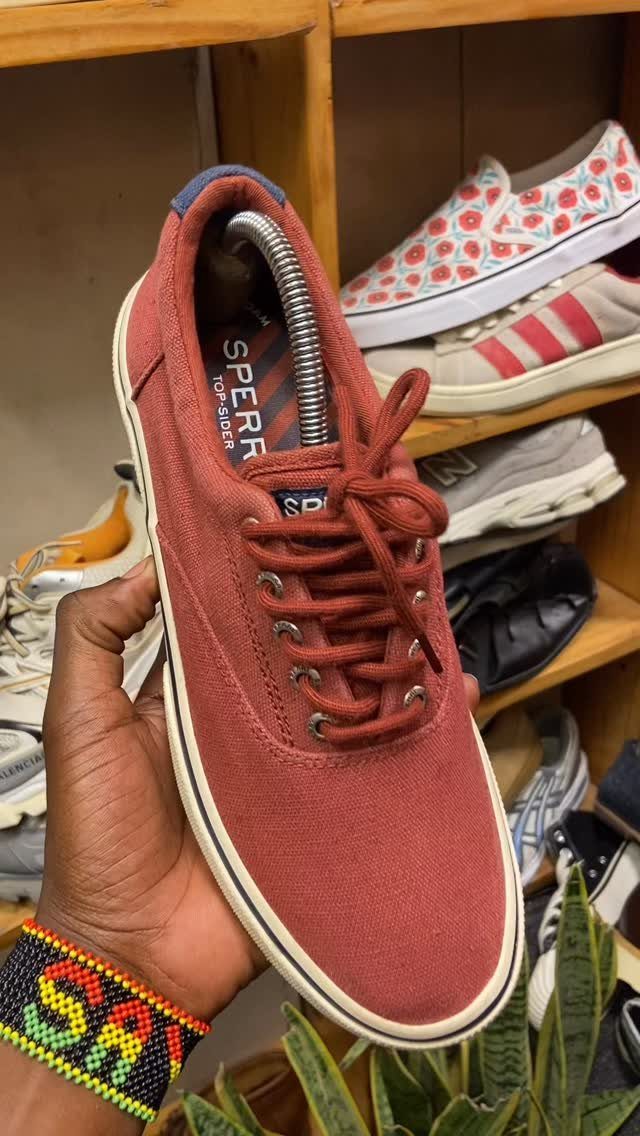
A canvas sneaker with a white rubber sole is what most people picture for "casual boat shoe," even if it isn’t what they’d pack for a regatta.
Canvas takes time to dry. That’s the trade.
If you’re only aboard for an afternoon sail in fair weather, the delay never matters. If rain is likely or you’ll be wading to shore, these stay soggy longer than leather or mesh.
The extra coverage around the ankle suits people who find traditional boat shoes too loose. For summer sailing and dockside afternoons, they’re hard to beat on comfort.
10. Breathable Mesh Boat Shoes
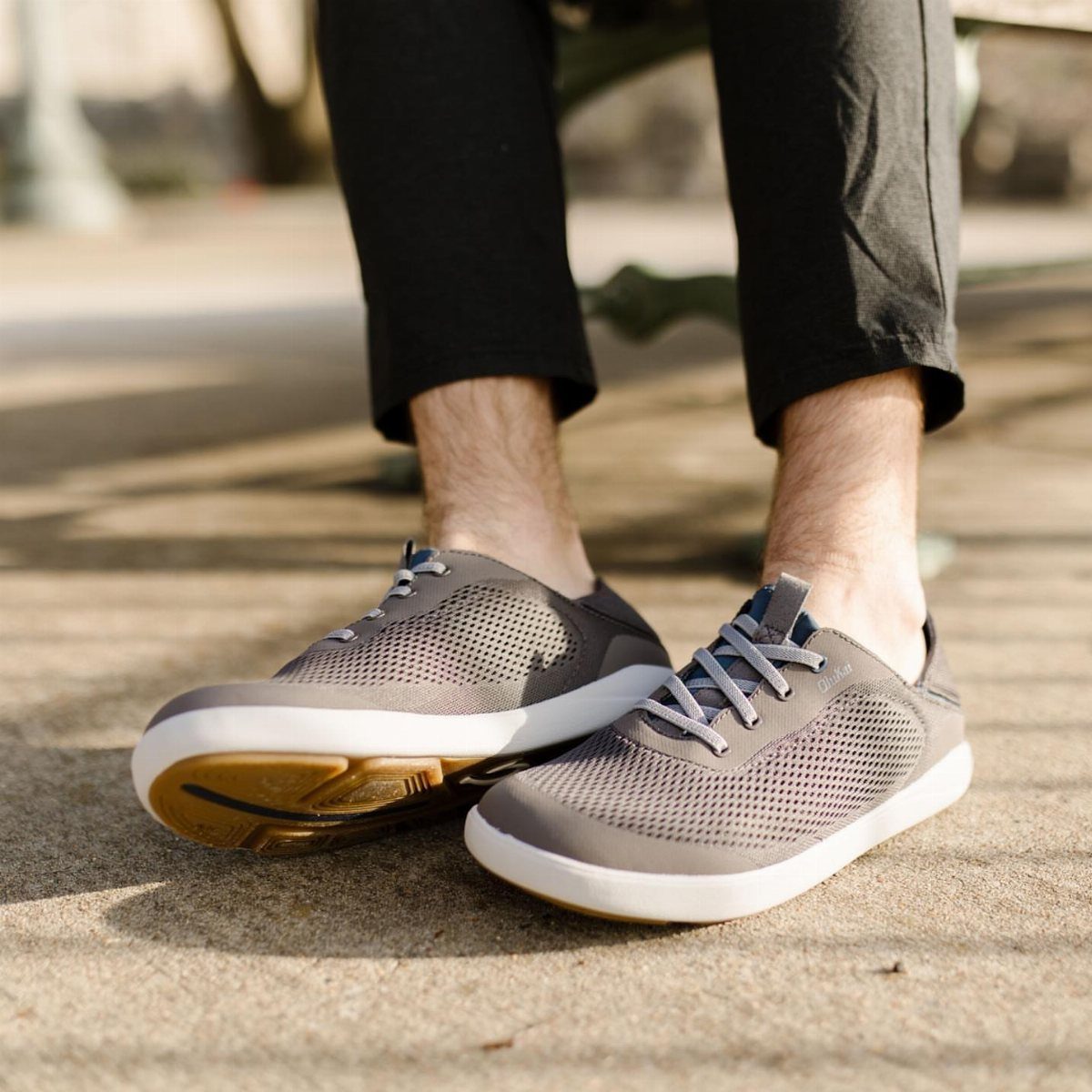
Mesh uppers dry in minutes and weigh almost nothing, which is why they dominate race deck shoes.
Breathable linings help, but the real win is how little water the mesh holds. A soaked leather boat shoe stays wet overnight; these shake out and keep going.
Fast drainage through the sole matters too, and most mesh designs include it.
The cost of all that airflow is structure. Mesh doesn’t hold its shape the way leather does, and arch support tends to be minimal.
For long days on your feet, I’d add an insole or look at hybrid designs that reinforce the midfoot. Fine for warm-weather day sailing, less so for standing watches in cool air.
11. Suede Boat Shoes
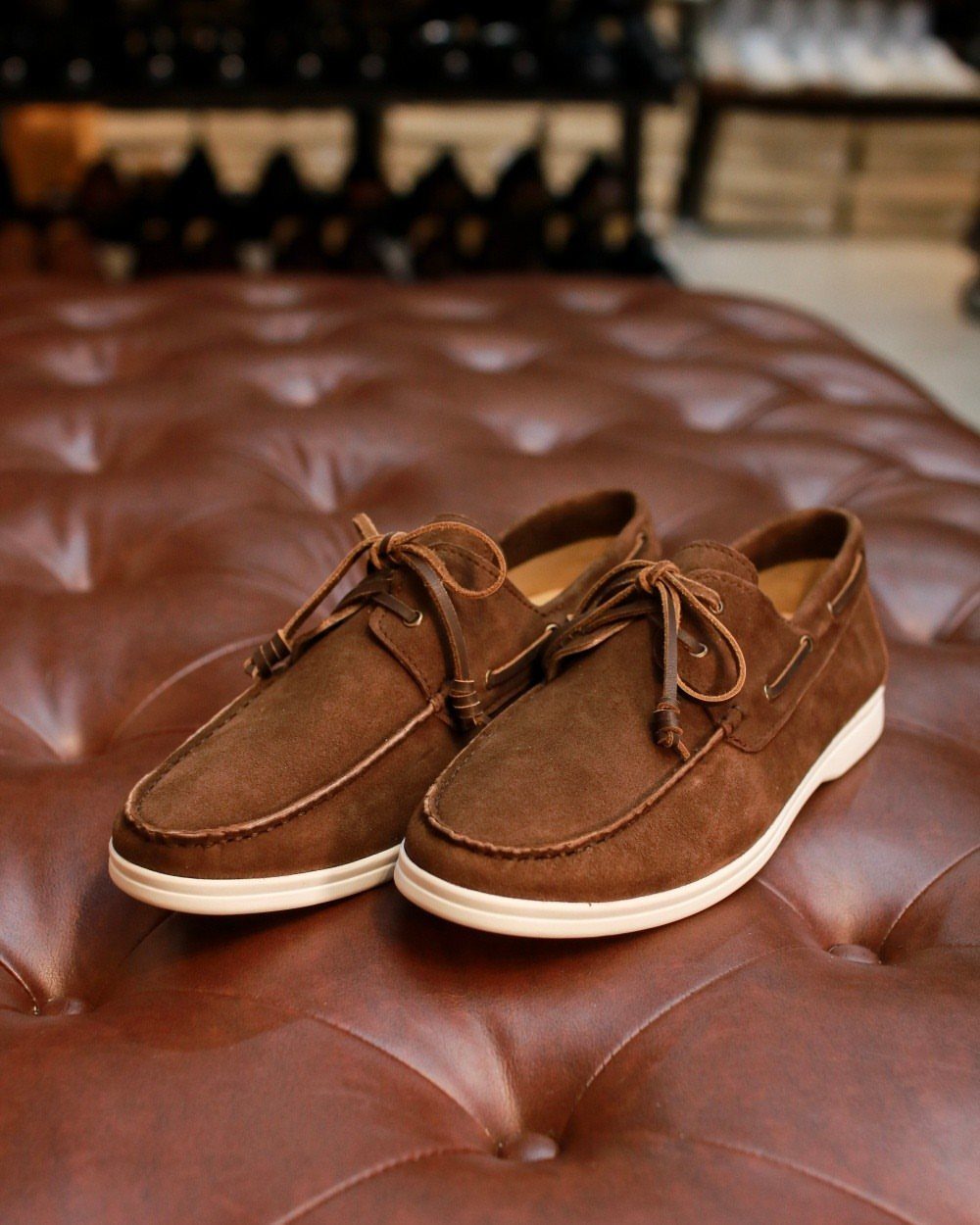
Suede on a boat is a choice you make with your eyes open. The nap holds water longer than smooth leather, shows salt stains faster, and scuffs if you catch it on a cleat wrong.
What you get back is texture and depth of color that photographs don’t quite capture, the kind of brown that looks richer after a season of wear than it did new.
These need more care: a brush after damp days, occasional treatment with something that doesn’t darken the tone. Some makers now use water-resistant suede, which helps but doesn’t make them amphibious.
I’d keep these for the boat club, the marina restaurant, occasions where appearance counts and the deck stays dry. For actual wet work, smooth leather or rubber wins every time.
Importance of Footwear
A wet deck is less forgiving than a sidewalk. Spray, rain, and the slick film left by fish or bait turn fiberglass into a surface that regular soles cannot read.
Standard shoes soak up water, grow heavy, and stay wet for hours; boat-specific footwear channels it away or lets it pass through.
Bare feet on deck invite their own problems. A chain plate, windlass, or edge of a hatch does not move for unprotected toes.
Cuts and stubbed injuries happen fast, and infection risk rises with salt water in the wound. A closed toe and a sole with actual grip remove most of that gamble.
Comfort over a long day matters too. Hours of standing on a hard deck, adjusting to the boat’s motion, tires feet that lack arch support or cushioning.
The right pair keeps you stable, dry, and still on board at sunset.
Shoe Maintenance Tips
Salt dries into crystals that chew leather and stitching. After each trip, wipe shoes with a damp cloth and let them air dry away from direct heat; a radiator or sunny windshield cracks leather and melts adhesives.
Water-repellent treatment wears off with use. Reapply it before the season starts and again at midseason if you are on the water weekly.
The coating beads spray rather than letting it sink in, which keeps weight down and slows staining.
Shoes that see constant water can sour inside. Antimicrobial linings help, but removable insoles that can be washed and dried separately extend the life of the shoe and the comfort of anyone nearby.
Mesh panels or perforations let air move through, which matters more in July than in May.
A fit that works with bare feet may pinch with a thin synthetic sock, and a half-size of room gone wrong means blisters by afternoon.
Choosing the Right Fit
A shoe that slips at the heel slides on a tilted deck. A shoe that pinches across the forefoot numbs by hour two.
The right fit sits snug at the back without pressure at the front, tested standing and walking, not just seated.
Sock thickness changes everything. Try on contenders with the exact pair you will wear on the boat; even a thin synthetic layer subtracts volume.
If you plan to go barefoot in leather boat shoes, buy for that fit specifically. Leather gives slightly, but not enough to rescue a size too small.
Blisters form where friction meets moisture. A snug fit reduces movement inside the shoe; a breathable lining reduces the sweat that lubricates the rub.
Both together keep skin intact through a full day.
Seasonal Considerations
Summer heat demands mesh uppers and drain ports that let water out and air in.
The same ventilation that saves your feet in August becomes a liability in early spring or late fall, when wind finds every gap and chill sets in fast.
Constant spray or a deck awash with water changes the calculation. Quick-drain shoes expel what comes in, which works when the water is warm and the air is too.
Rubber or neoprene deck boots keep feet dry and blood moving in cold, wet conditions, though the bulk costs you some feel underfoot.
Antimicrobial linings and washable insoles matter more in high summer, when bacteria grow fastest and shoes stay damp for days.
Plan your maintenance routine to the season: weekly attention in July, less frequent in shoulder months when shoes dry between trips.
Frequently Asked Questions
Why are shoes not allowed on boats?
Certain shoes can mark or damage decks, floors, and carpets, which is why some boats ask guests to go barefoot. High heels, wedges, platforms, and boots are the usual problems; they also lack stability when the boat heels over.
Going barefoot carries its own risks, though, like stubbed toes or cuts from deck hardware, which is why proper boat shoes with grip and protection are the safer middle ground.
Are Crocs good to wear on a boat?
Crocs are not recommended for boating. The material gets slippery when wet and the loose fit offers no real stability on a moving deck.
A heel strap at minimum is needed to keep footwear locked to your foot through wakes, wind gusts, or quick steps across a tilting surface.