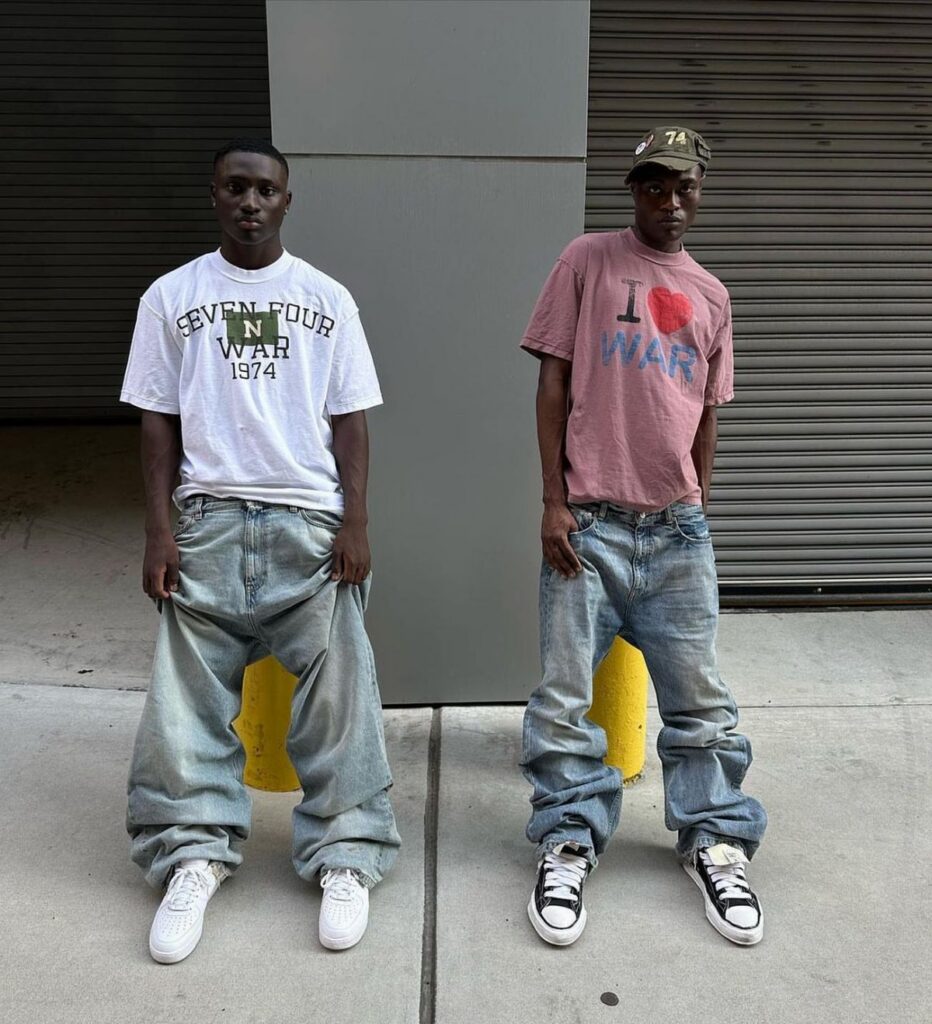
These labels sit between core tees and resale hoodies that double in price within hours, with the deciding factor being whether you want your clothes to start the conversation or finish it.
The right pick depends on how much graphic risk your daily contexts can absorb: a Palace beanie passes in offices where Hellstar’s heavier graphics would not.
1. Denim Tears
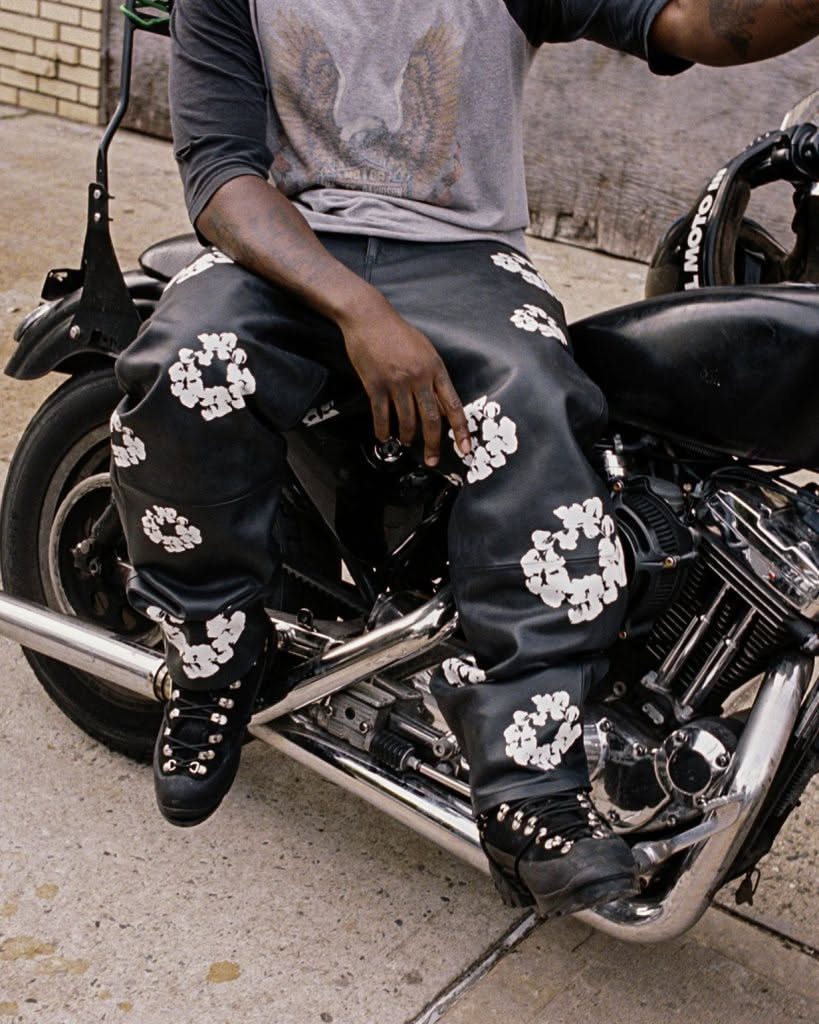
Tremaine Emory built Denim Tears from a resume most designers would trade for: creative director at Supreme, collaborator with Virgil Abloh and Ye.
The brand works best if you want clothes that start conversations about culture, not just cuts. The leather and denim pieces run limited, and resale prices climb fast.
I’d check drops directly rather than waiting; secondary markup on the cotton wreath pants climbed fast last season.
Sizing runs true, though the tailored cuts sit closer than skater brands. For body types: the high waist and straight leg flatter narrow hips and elongate shorter torsos.
If you carry weight midsection, size up or skip the fitted denim for the looser graphic tees.
2. The Hundreds
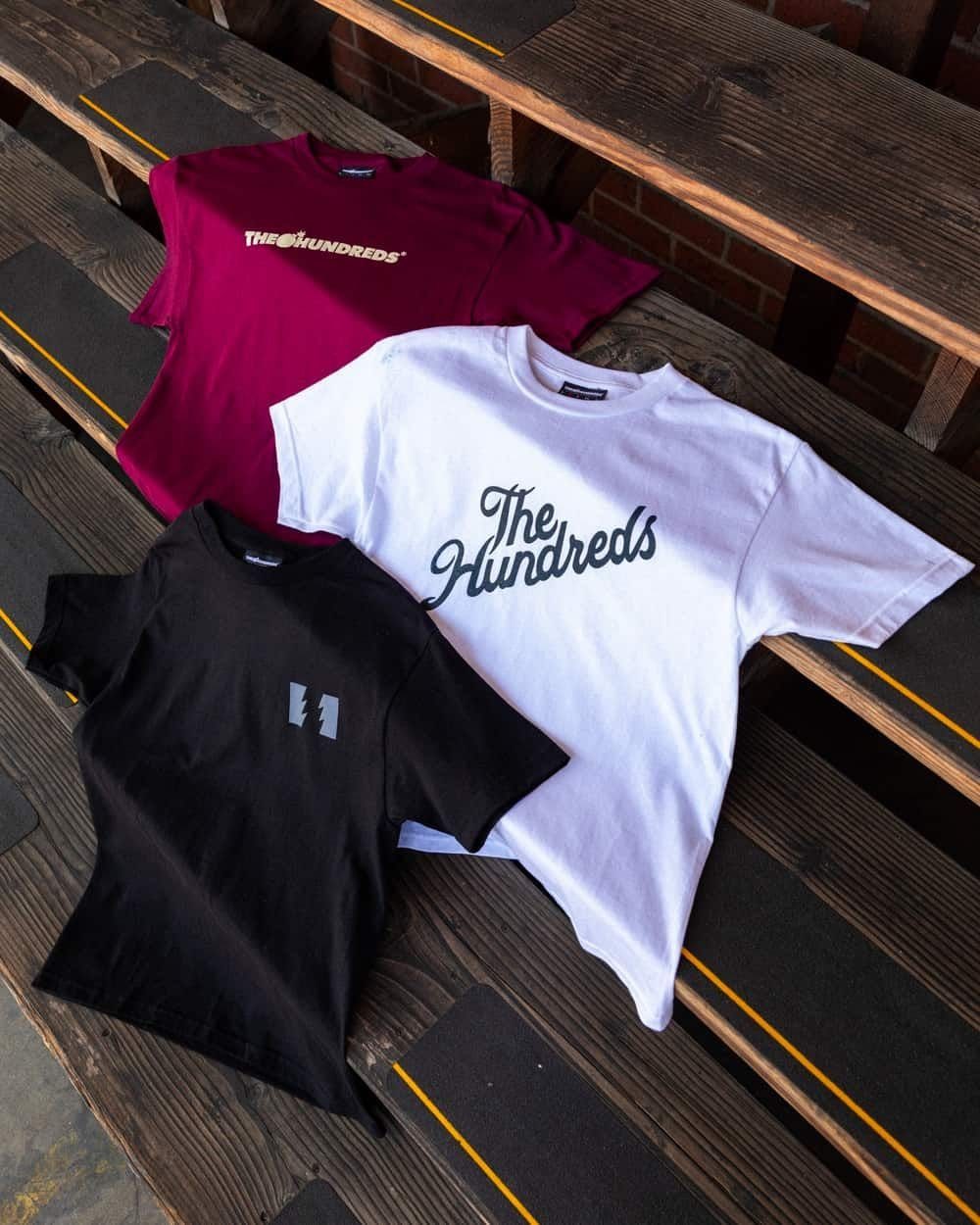
Bobby Hundreds and Ben Shenassafar started this back when streetwear meant graphic tees with something to say. The Adam Bomb logo became unavoidable because the message came first: community over customers, storytelling over hype.
The Hundreds suits readers building a wardrobe from pieces that mix easily. The 90s palette, maroon to washed black, layers under blazers or over work pants without looking like costume.
Prices sit midrange, below Palace and well below resale Supreme.
What you trade: scarcity bragging rights. Drops restock, collaborations repeat with Disney and Adidas on predictable schedules.
I’d grab the core logo tees for daily wear and skip the limited collabs unless the graphic genuinely speaks to you.
The fit runs slightly boxy; size down if you want it trim, or stay true for the skater drape that defined the era.
3. Palace
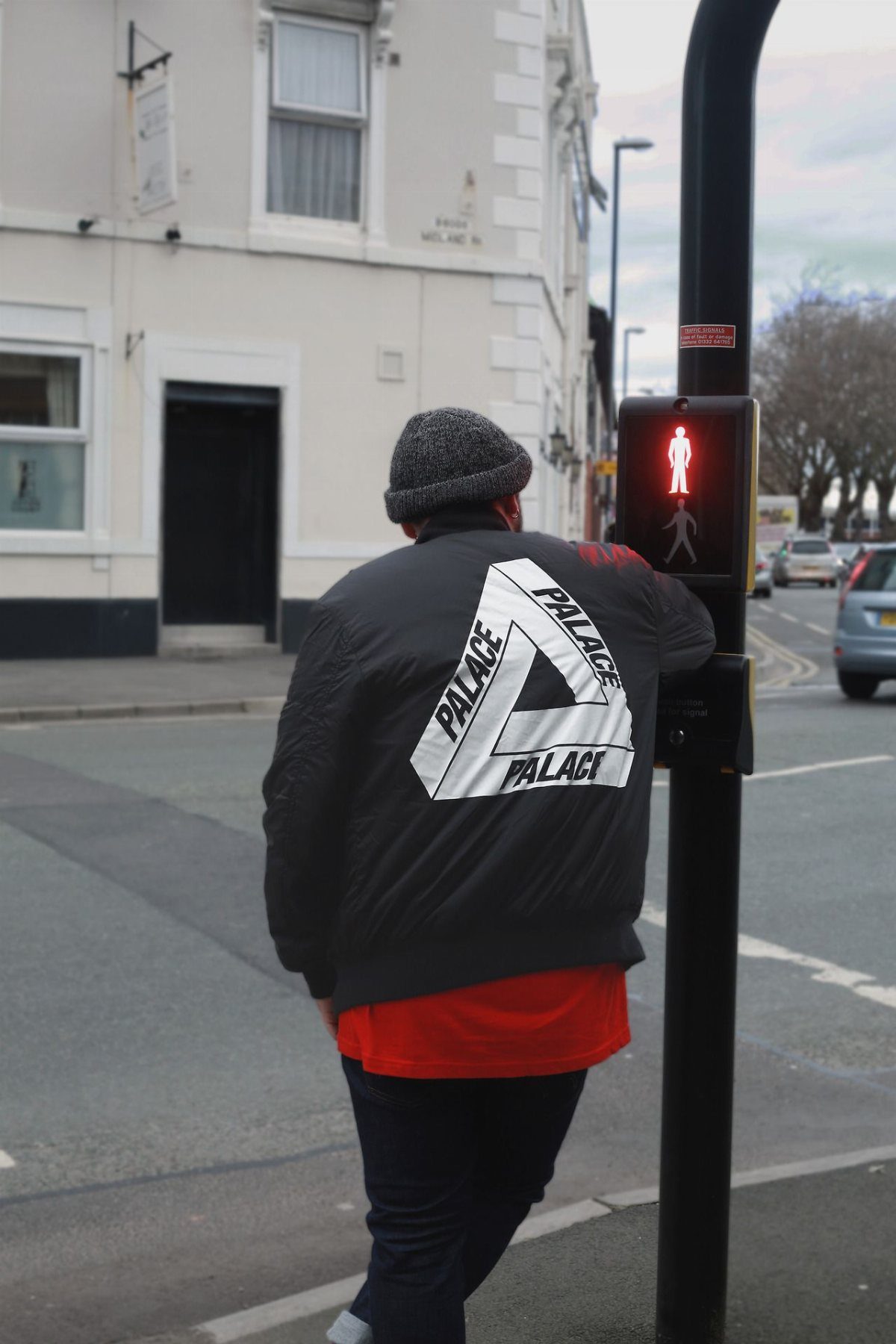
Lev Tanju and Gareth Skewis opened Palace in London with a simple formula: release constantly, collaborate widely, let the quality surprise people who came for the logo. The Tri-Ferg mark works because it signals membership without explaining itself.
The brand moves fast enough that patient buyers win. New Nike and Adidas collabs surface often; last season’s colorways hit outlet pricing before the next drop landed.
I’d follow the web store rather than paying release-day premiums, except for the Vivienne Westwood partnerships, which vanish same-day.
Palace cuts run slim through the shoulders. The bomber layers well over hoodies but binds across the chest on broader frames.
For women building a streetwear capsule, the knitwear and accessories integrate cleaner than the skate hardware; the beanies and socks outlast the graphic-heavy pieces by seasons.
4. Hellstar
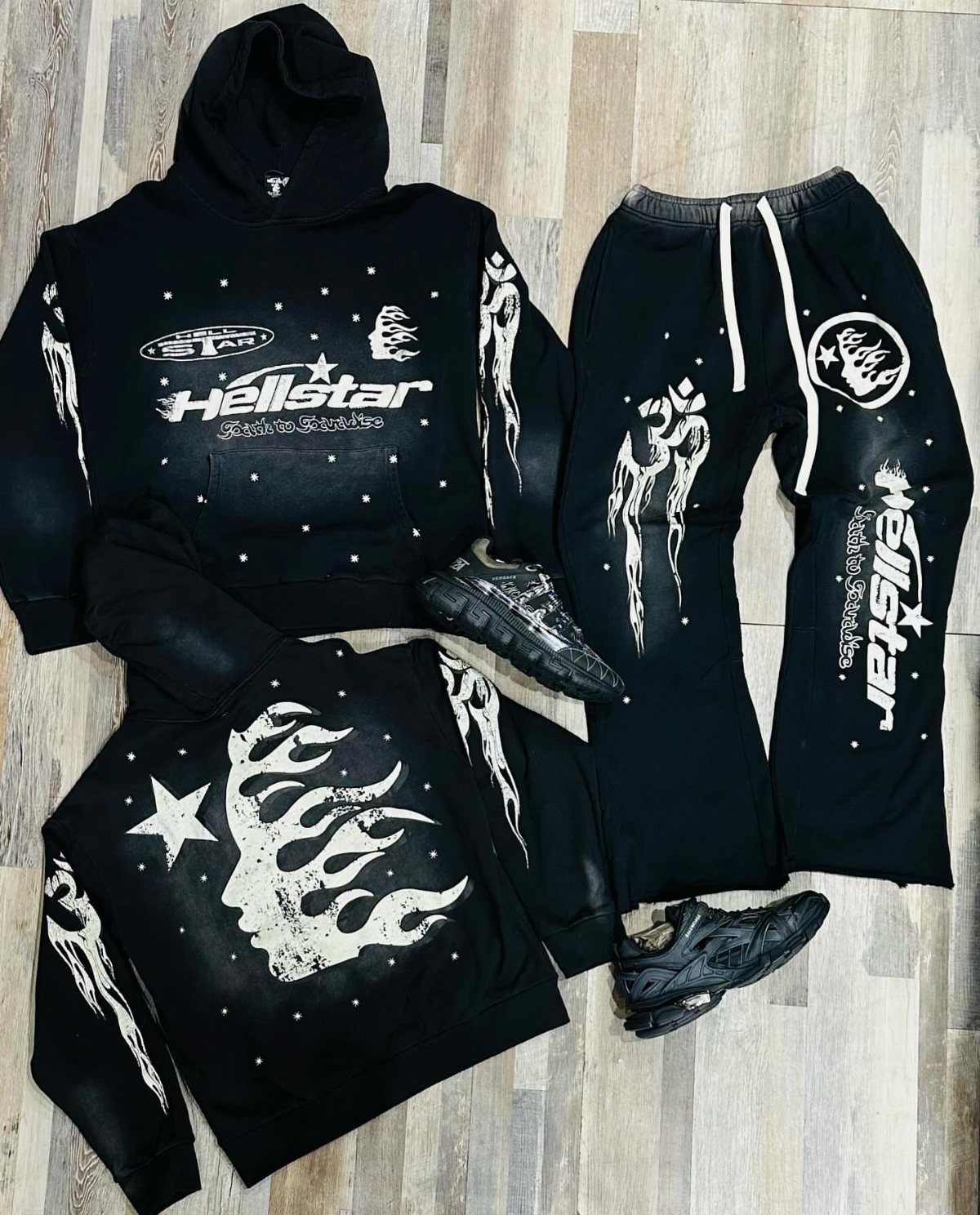
Sean Holland and Joseph Pendleton built Hellstar from DIY music culture, the kind of late-show, back-alley energy that resists corporate smoothing.
The flame graphics and religious symbolism read as costume from a distance, but the fabrication holds up: heavyweight cotton, reinforced seams, small-batch construction.
This is not a brand for subtle dressing. The hoodies run oversized by design; the drop-shoulder cut swallows narrow frames and demands confidence.
The sweatsuits work as travel or off-duty sets, though I’d avoid wearing head-to-toe outside concert or festival contexts.
Resale moves fast. Drops sell through in hours, and the Adidas and ESPN collaborations command secondary prices.
Check Instagram stories for release windows; the brand announces minimally. Sizing runs large by intent; order down if you want structure, or true size for the intended drape.
5. Warren Lotas
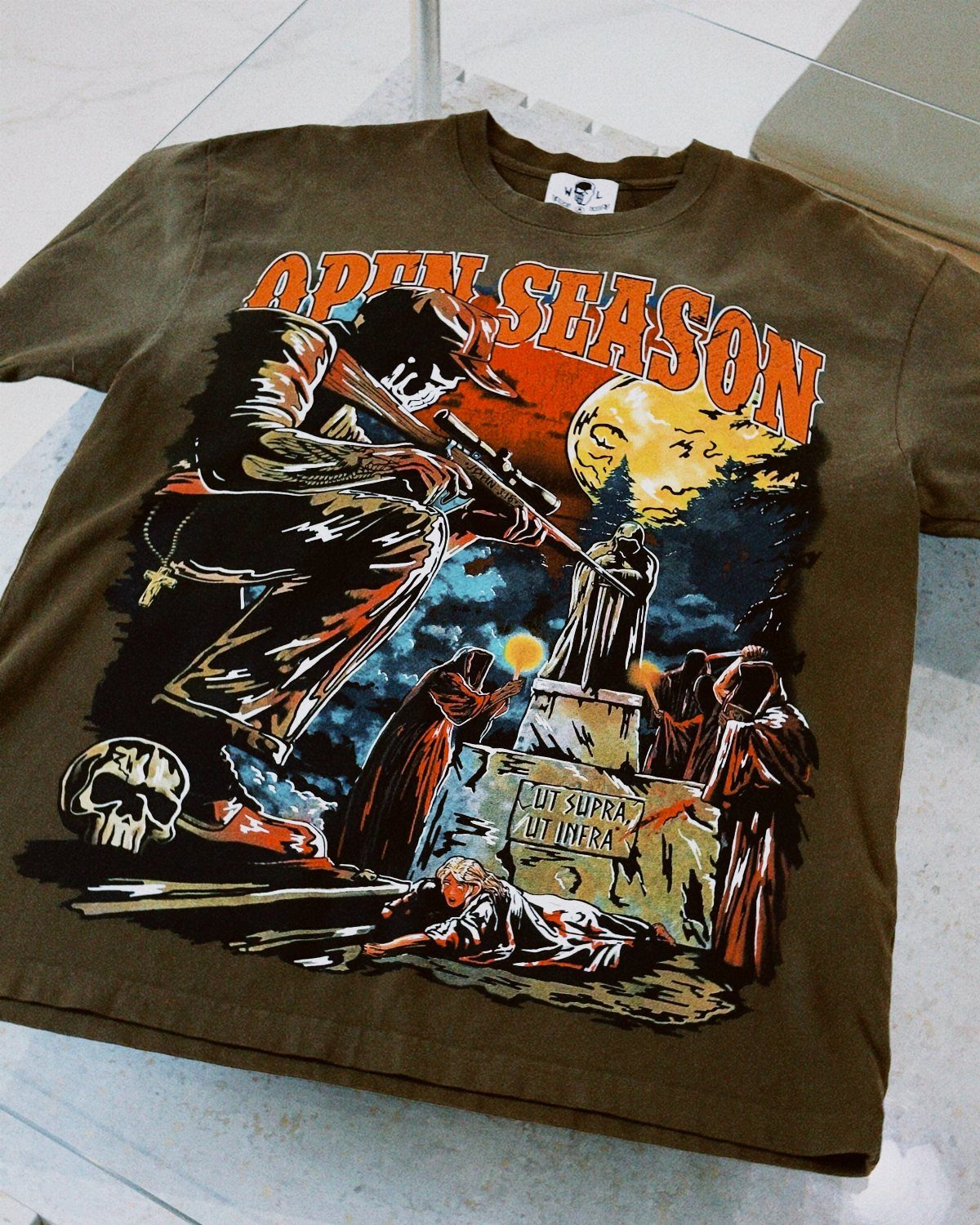
Warren Lotas prints his own punk vision onto olive cotton, the kind of graphic density that reads from across a room and rewards closer inspection.
The masked hunter, Latin text, and hooded figures carry narrative weight rare in streetwear graphics, which usually settle for logo repetition.
The line extends to hoodies and sneakers, though the tees remain the entry point. For women building outfits from existing wardrobes, this layers under black denim jackets or over slim black trousers without the costume effect of full streetwear kit.
The olive base color pairs with camel, cream, or burgundy neutrals already in most closets.
Price sits below resale hype brands, above mall tier. I’d prioritize the graphic tees for cost-per-wear value; the hoodies use similar cotton weight to competitors at markup.
Sizing runs standard unisex; women should size down one for the intended fit or stay true for oversized drape.
6. Menace
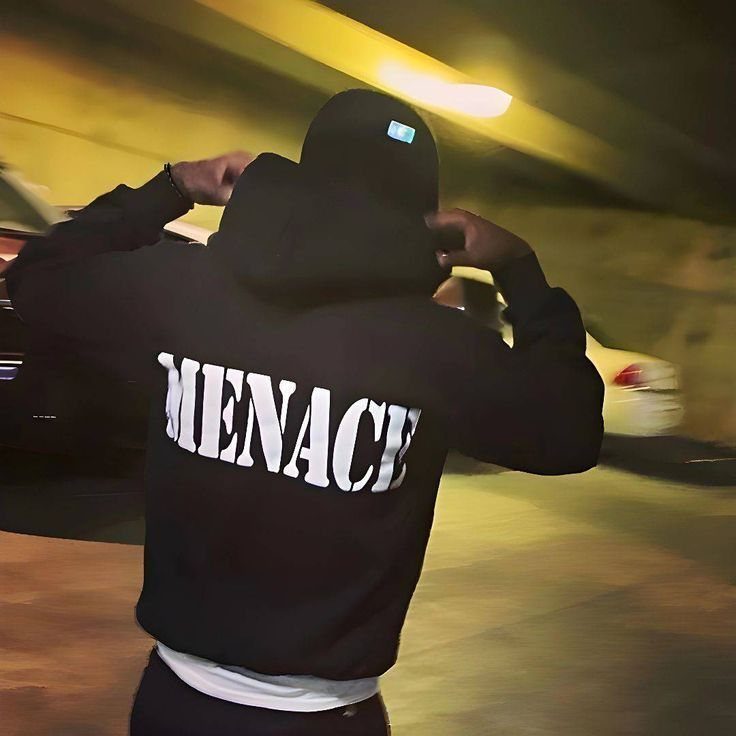
Menace operates from Los Angeles but trades the city’s sun-washed optimism for controversy and confrontation.
The clean hoodie you see, black with stark white lettering, understates the brand’s actual output: drops center on explicit social commentary that divides wearers into those who get it and those who object.
The brand suits readers who use clothes as position-taking. Each collection anchors to a contested subject; past drops addressed police violence, mental health stigma, and religious hypocrisy.
The graphics hit harder than the silhouettes, which stay basic: hoodies, tees, beanies in black, white, and washed gray.
For women building quality-focused wardrobes, Menace works as occasional statement piece rather than foundation. The cotton weight matches midrange competitors; you’re paying for the graphic risk, not fabric innovation.
I’d wear the logo pieces, like this hoodie, for everyday anonymity and save the explicit graphics for contexts where conversation is welcome. Sizing runs true; the relaxed fit flatters most body types without drowning smaller frames.
Characteristics of Underground Brands
Underground brands survive on different math than the mainstream. Small teams run them, often tied to a city or a scene, and production stays deliberately limited.
The cotton wreath pants from Denim Tears, the flame hoodies from Hellstar: these arrive in batches measured in hundreds, not thousands, and sell direct before they ever touch a wholesale rack.
That scarcity changes how you shop. Drops announce with little warning, through Instagram stories or email lists you have to join.
Construction that survives seasons is what separates these pieces from the drop-cycle churn. Hellstar uses heavyweight cotton with reinforced seams; Warren Lotas prints on olive bases thick enough to layer under denim jackets without losing shape.
Mass-market brands optimize for margin. These optimize for the repeat customer who notices.
The generational run LRG had from 2000-2010 would be a Netflix documentary everyone should watch. No one made “underground” feel so accessible quite like LRG.
— Complex
Importance of Community
The loyalty runs deeper than product. Hellstar grew through word-of-mouth and late-night social posts, skipping traditional ads to build ties through underground venues.
The Hundreds started from Bobby Hundreds blogging about community before selling a single tee; the Adam Bomb logo spread because the story came first.
That conviction resists scale. In a market flooded with venture-backed labels and fast-fashion copies, the brands that stay underground treat scarcity as permanent architecture, not a launch strategy.
Drops tie to events. The Hundreds’ Disney and Adidas partnerships return; you learn the rhythm instead of chasing randomness.
I’d follow the web stores directly rather than resale.
Quality and Materials
Small-batch construction leaves room for material choices mass production rules out. Hellstar reinforces seams on hoodies designed to survive mosh pits and red-eye flights.
The heavyweight cotton holds structure through washes that would thin cheaper fleece.
Palace lets quality surprise buyers who came for the Tri-Ferg logo.
What you pay for varies.
Cultural Influences
The DNA traces to specific scenes.
Palace carries London skate shop origins in its release rhythm and collaborative appetite. The Nike and Adidas partnerships surface constantly because that cross-pollination defined the scene Lev Tanju and Gareth Skewis came from.
Denim Tears operates at a different depth.
Frequently Asked Questions
What are some underground apparel brands?
Denim Tears, The Hundreds, Palace, Hellstar, Warren Lotas, and Menace all operate with the independence and limited production that define underground labels.
Denim Tears builds from Tremaine Emory’s cultural commentary, Hellstar comes from DIY music roots, and Warren Lotas prints dense punk graphics in small batches.
Other names that surface in this space include Sick Bastard, Death and Friends, and Silnt Chptrs, though I haven’t worn those myself.
What are the top streetwear brands?
The underground brands I follow most closely are Denim Tears, Palace, and Hellstar, each for different reasons. Denim Tears commands resale prices that rival any mainstream hype brand.
Palace collaborates with Nike and Adidas on schedules that keep it visible without sacrificing credibility. The Hundreds has been around since graphic tees meant something, and its Adam Bomb logo still signals insider status.
For the established giants, Stüssy invented this language and Corteiz is the name most often cited as shaping what’s next.
What brands is Gen Z obsessed with?
I don’t track age demographics closely enough to separate generational taste from what sells out fastest. Hellstar moves in hours, which suggests young buyers with quick reflexes.
Palace’s Tri-Ferg mark functions as membership badge, the kind of signaling that builds across age groups. I’d guess Corteiz from the broader conversation, but that’s outside what I’ve worn or watched directly.
What are some minimalist streetwear brands?
None of these brands qualify as minimalist; even the cleaner pieces carry heavy graphic or cultural weight. The Hundreds comes closest with its core logo tees in maroon and washed black, pieces that layer under blazers without shouting.
Menace offers black hoodies with stark white lettering that reads as almost blank from a distance, though the brand’s actual output is confrontational. True minimalism in this space sits outside the underground labels I’d recommend for graphic impact.
What defines the underground streetwear aesthetic?
Subversive graphics, relaxed silhouettes, and limited production runs are the three constants. Denim Tears prints cotton wreaths that start conversations about history and labor.
Small batches mean direct-to-consumer sales and resale markets that move fast.