A quick closet reorganization, a single subway commute with three outfit temperatures in one, and a few other tricks that make getting dressed feel less like a puzzle.
The right choice depends on how much of your morning you are willing to spend deciding, not on how much you own.
1. Accessorizing
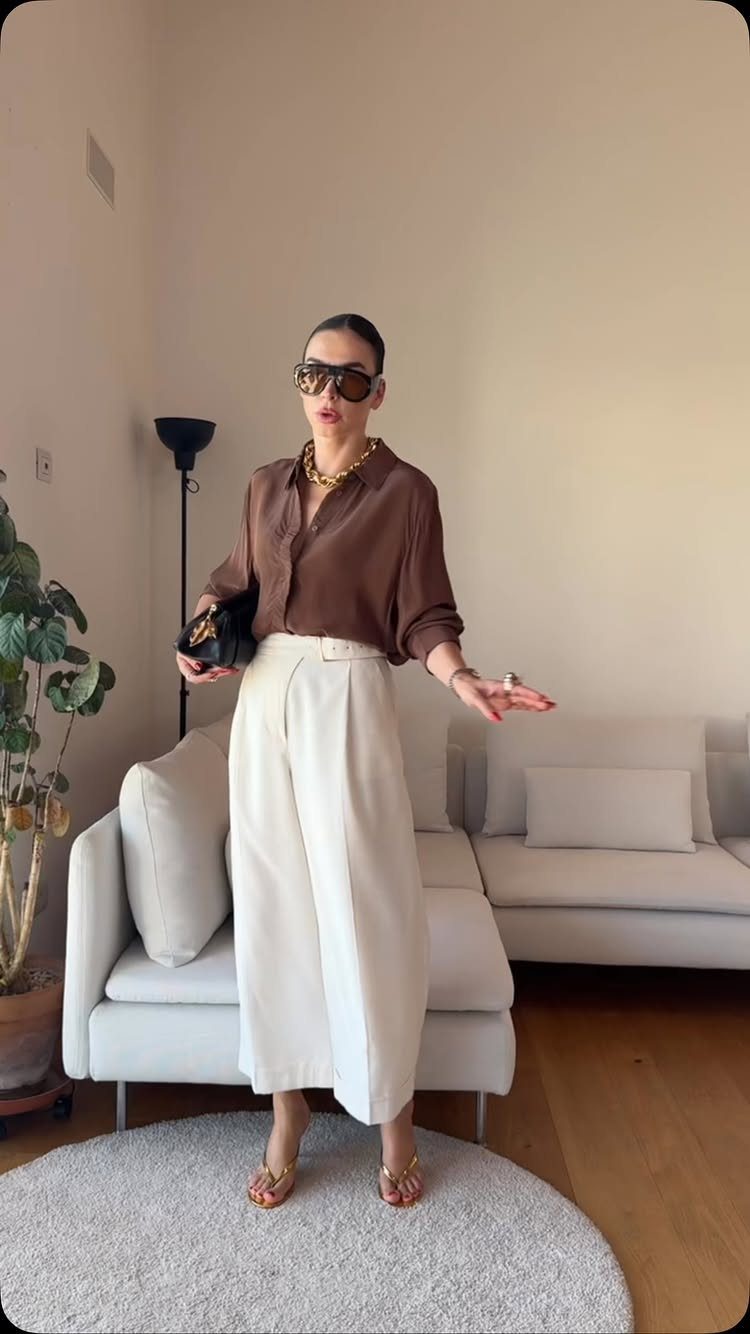
A single bold accessory does more work than three safe ones. Each piece in this look is large enough to read from across the room, but the metals match so nothing fights for attention.
Start with one statement piece, then stop. For morning decisions under time pressure, that means choosing between a heavy chain, oversized frames, or sculptural earrings, not layering all three.
The clutch here stays minimal because the other pieces already talk.
This approach suits anyone building a capsule wardrobe from fewer, better pieces. The trade is that you need one or two quality accessories rather than a drawer of near-misses.
2. Organize by Category and Color
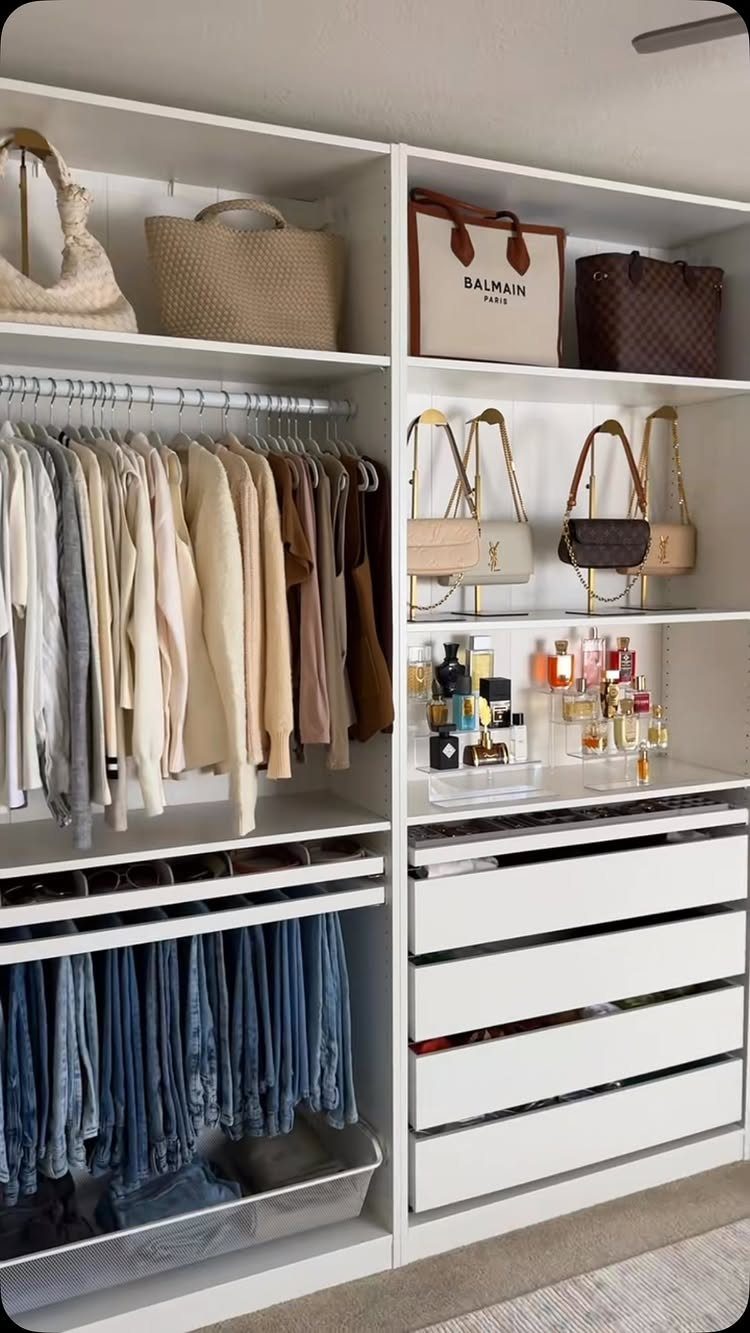
Color-ordering a closet sounds like a weekend project, but the time it saves shows up fast on a Tuesday morning.
Neutrals fading from warm to cool let you see at a glance which tops relate to which bottoms; the eye picks up harmony faster than the hand can dig through piles.
Hang pants on their own rod below shirts, not folded on a shelf where creases set in and you forget what you own. Acrylic risers for bags and perfume keep small items visible and reachable.
This system works best if your wardrobe already leans toward a coherent palette. Someone with a riot of prints and colors may need to group by pattern scale first, then by tone within each group.
3. Layering Techniques
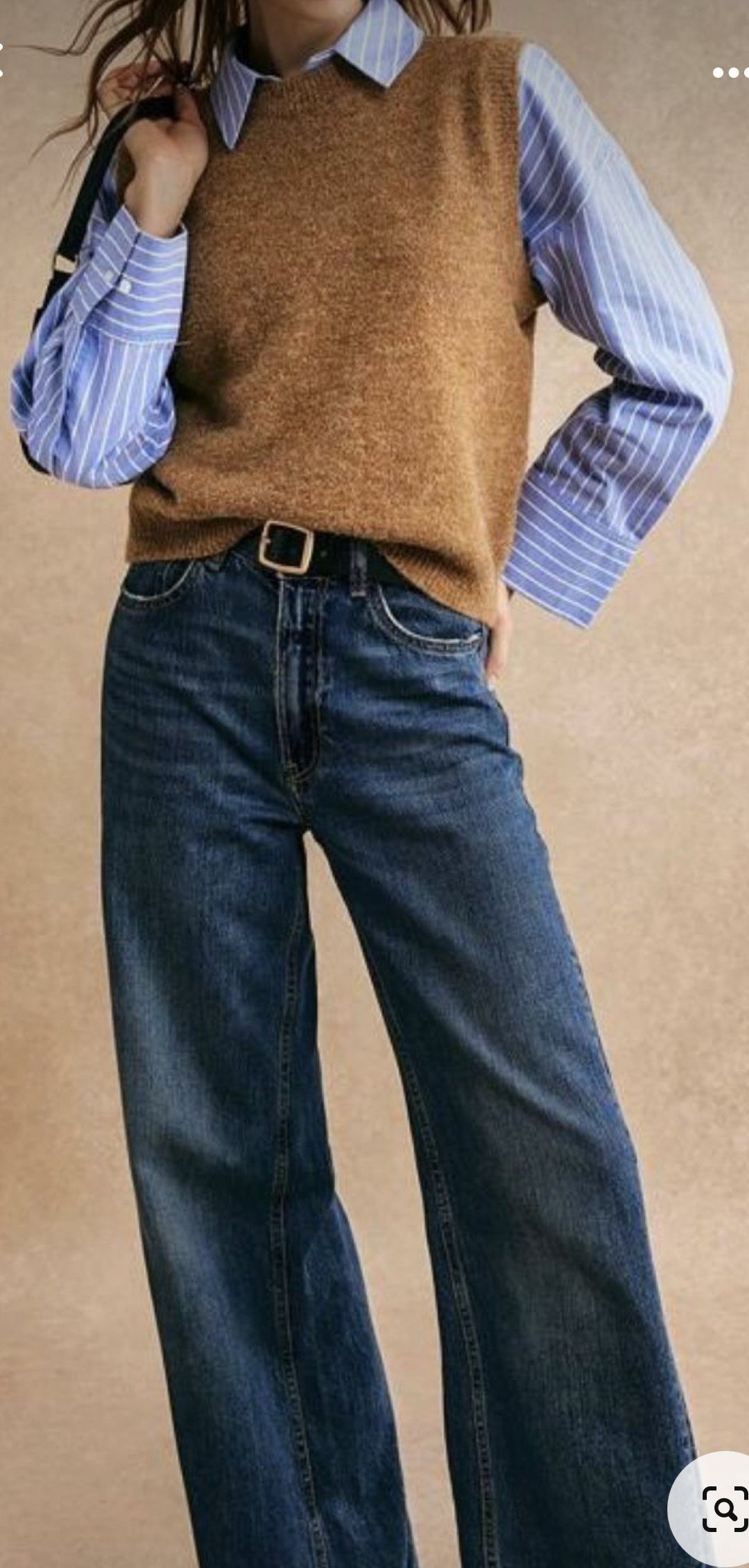
A sweater vest over a striped button-down handles morning chill, afternoon sun, and office air conditioning all in one outfit. The vest adds warmth without bulk; the shirt underneath stays crisp for meetings.
For this to function, each layer needs to stand alone. A vest that gaps at the armholes or a shirt that wrinkles under pressure fails the test.
The dark jeans ground the look and work with either layer removed.
Someone walking between subway, street and overheated lobby gains three outfits in one. The cost is carrying or tying the removed layer; a light sweater vest packs smaller than a jacket.
4. Comfortable Footwear
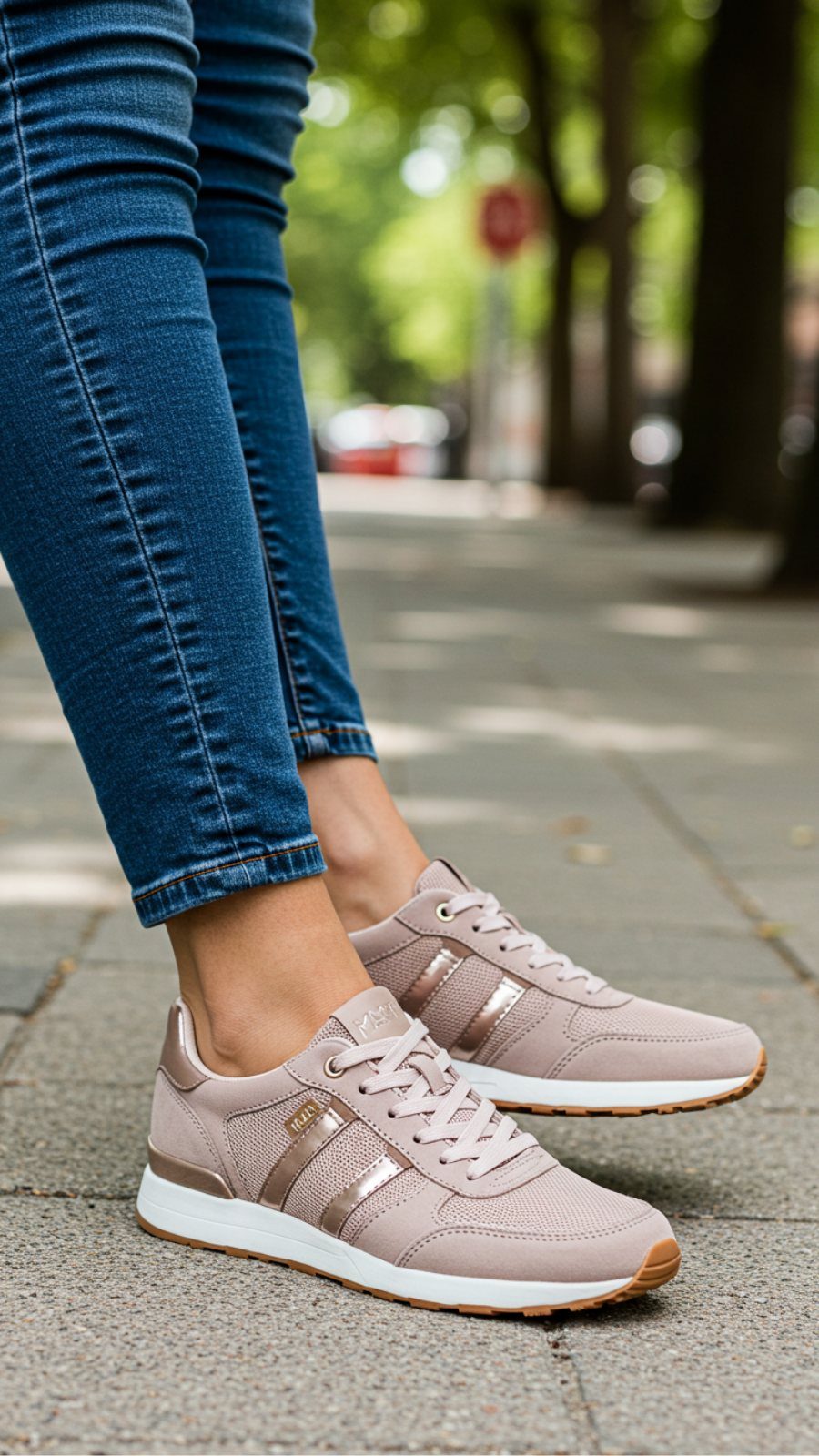
Dusty-pink sneakers with metallic accents carry a full day of errands without the costume-change moment that heels demand. The slim jean cut keeps the line clean; a wide-leg pant would swallow this shoe and throw off proportions.
For a day that includes walking, standing, and maybe one situation where sneakers feel too casual, this is the compromise that holds. The metallic detail reads intentional, not athletic.
I would not wear this to an interview or a dinner where the host dressed up. The limit is clear: these shoes signal practical, not polished.
For those occasions, a block-heel loafer trades some comfort for authority without reaching for stilettos.
5. Cardigan with Jeans or Trousers
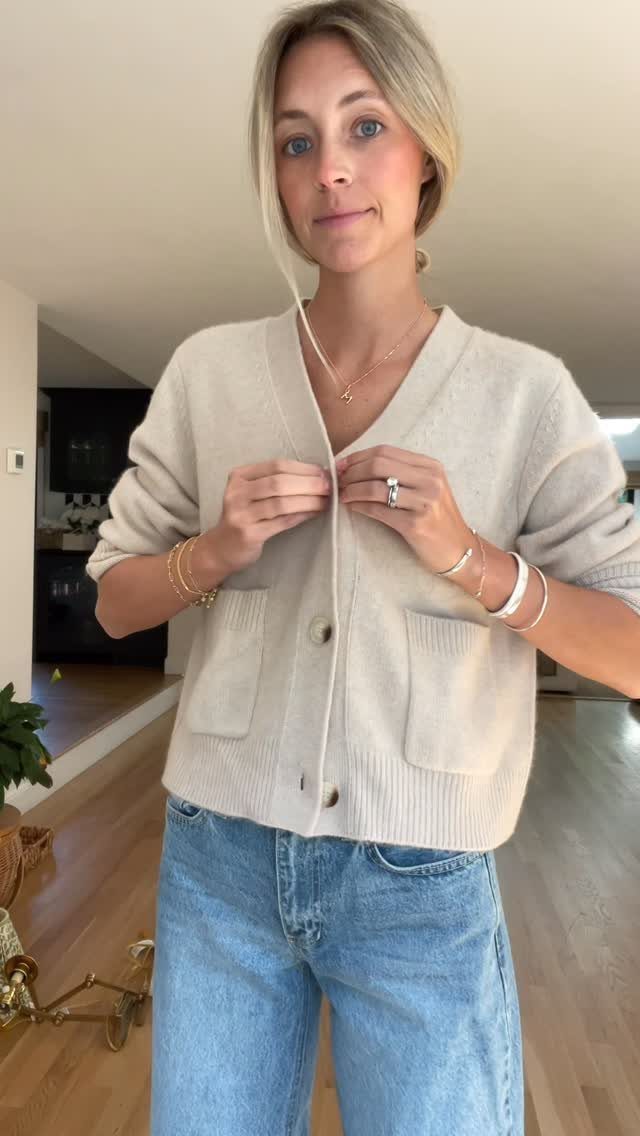
A cream cardigan and blue jeans is the combination I reach for when nothing sounds right. The knit softens the denim, the denim grounds the knit, and both pieces are probably already in your drawer.
Button the cardigan to the neck for a clean shape, or leave it open over a tee if the day warms up. Jewelry on wrists and neck keeps it from looking like you gave up.
This is the outfit that buys you time to decide what you actually want to wear.
Works best for off-duty days, coffee runs, or any occasion where "pulled together" matters more than "dressed up."
6. Crewneck Sweater with Wide-leg Pants
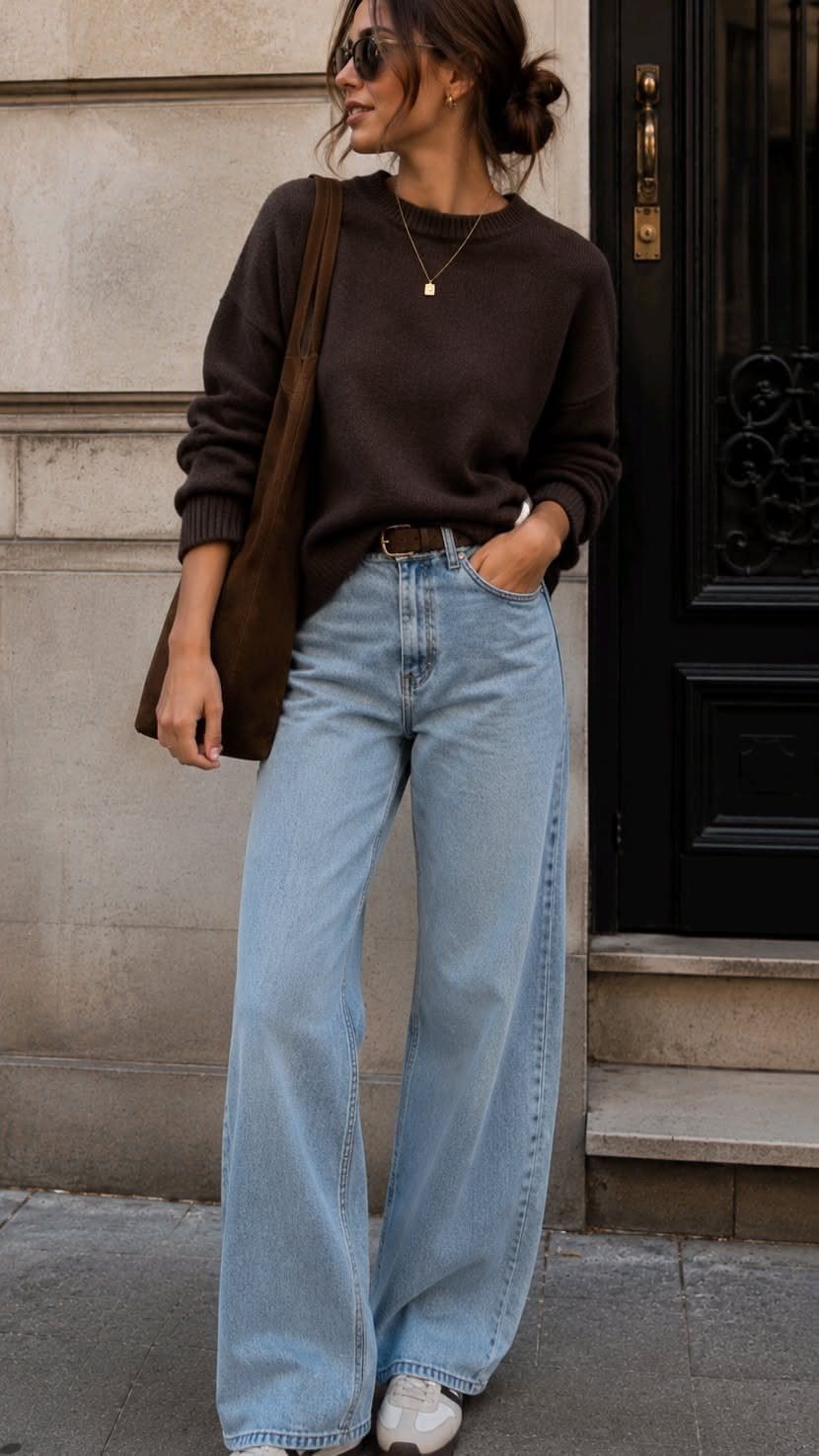
Wide-leg pants with a crewneck sweater sounds like a lot of fabric, but the proportions read intentional rather than sloppy.
The sweater stops at the hip, the pants start there, and the line between them is what makes the shape work.
A dark brown knit against light-wash denim gives contrast without trying too hard. Sneakers keep it walkable; a belt adds structure if the waist needs definition.
In hot weather I’d swap the sweater for a loose linen top in the same color family, but the silhouette stays the same.
Best for readers who want comfort without sacrificing the look of having made an effort. The wide leg also balances shoulders on a pear or hourglass frame.
7. Blazer Over a Collared Shirt
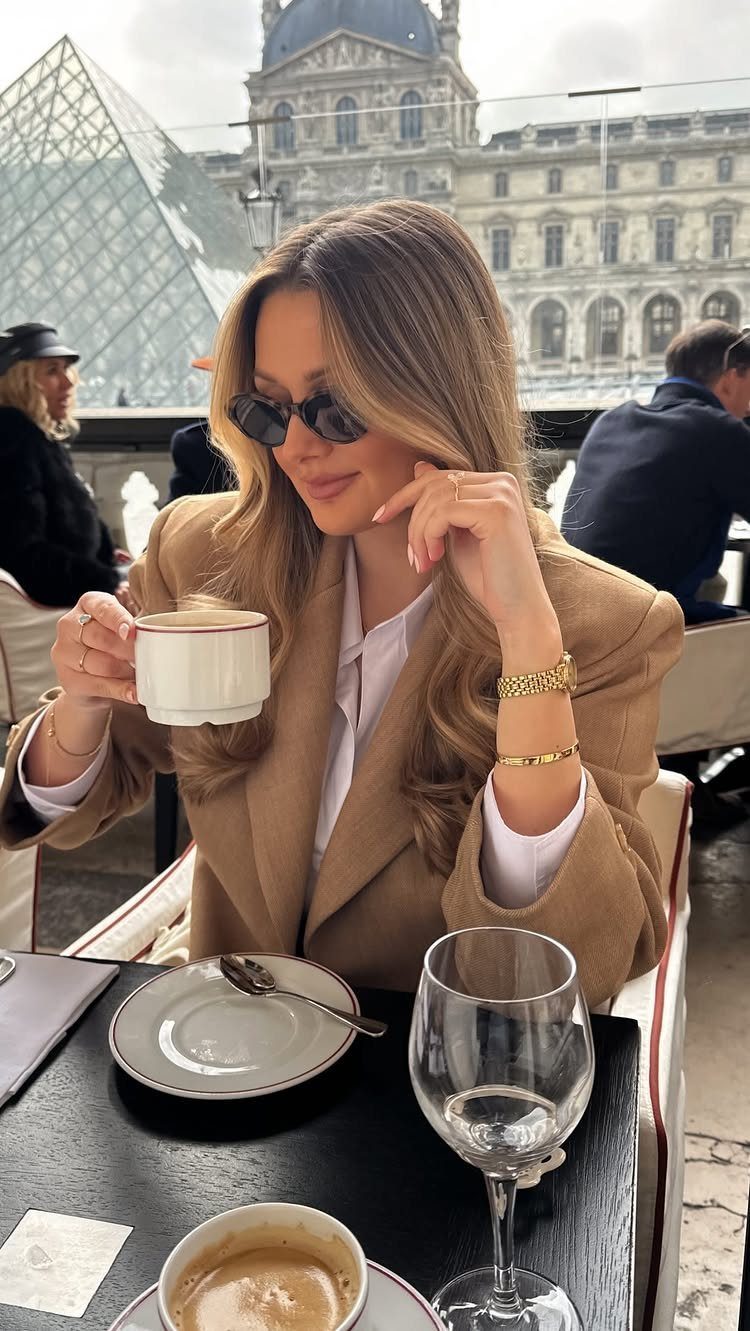
A tan blazer over a white collared shirt is the uniform of someone who has somewhere to be. This pairing already signals "appointment" without any extra props.
The shirt collar should sit inside the blazer’s lapel, not fight it. If the shirt wrinkles easily, keep a steamer at the office or choose a cotton blend with some stretch.
Sunglasses and a simple bag finish it; more than that and you are dressing for the runway, not the day.
I’d pick this one for a small group meeting, a lunch where you might run into someone, or any Saturday when you want to feel capable. Mobility takes a hit: you will not be chasing buses in this.
8. Trench Coat Over a Dress
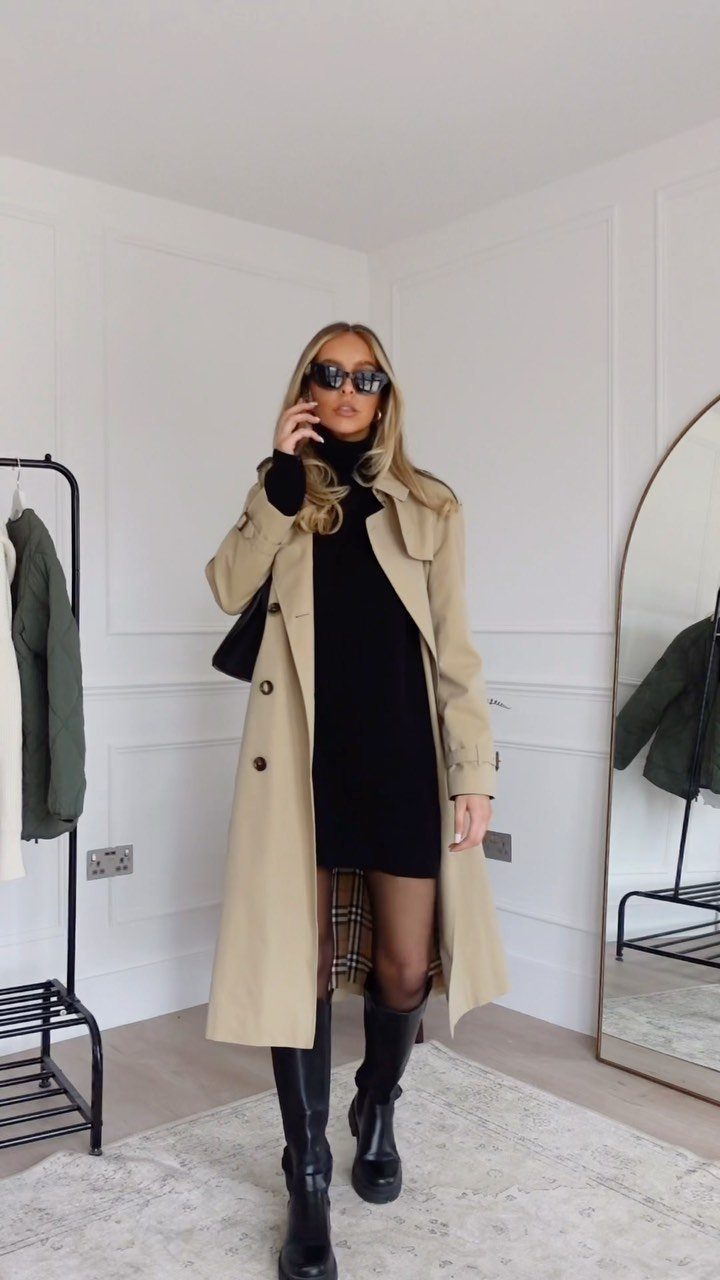
A trench over a dress solves the transitional weather problem that defeats most morning dressing. The coat adds warmth without committing to winter layers; the dress underneath stays the plan regardless of what the afternoon does.
Black tights and boots extend the dress into seasons it was not built for. The trench should be long enough to cover the hem or intentionally shorter; anything in between looks like a mistake.
Under 50°F, this needs a heavier coat or a thermal layer beneath the dress. Above 60°F, lose the tights and swap boots for loafers.
Best for days that start cool and end uncertain. The reader who runs warm should choose a lighter dress fabric; the reader who runs cold should add a thin turtleneck under the dress itself.
9. Long Neutral Coat with Monochrome Separates
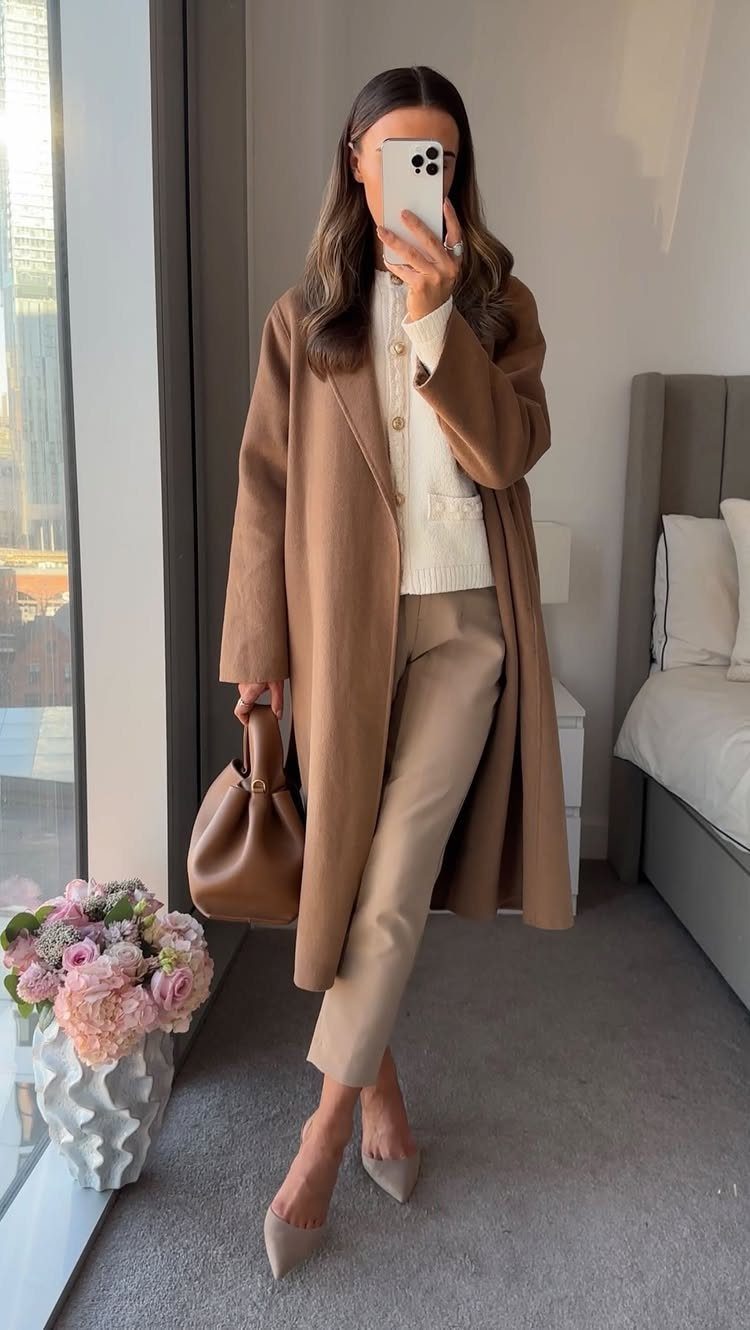
A camel coat over cream and beige is the monochrome trick that makes basics look expensive. The eye travels one continuous line from shoulder to ankle, and the coat frames it like a margin.
The separates underneath do not need to match exactly; they need to not fight. Cream, oat, sand, and camel all read as one family in daylight, less so under fluorescent office bulbs.
Check your mirror in the light you will actually stand in. Pointed-toe heels extend the leg; flats would break the line at the ankle.
This is the outfit for a day when you need to look like you planned ahead, even if you did not.
It trades away color and pattern for authority; add a brown leather bag if you need something to break the tone without breaking the scheme.
10. Patterned Blouse and Tailored Trousers
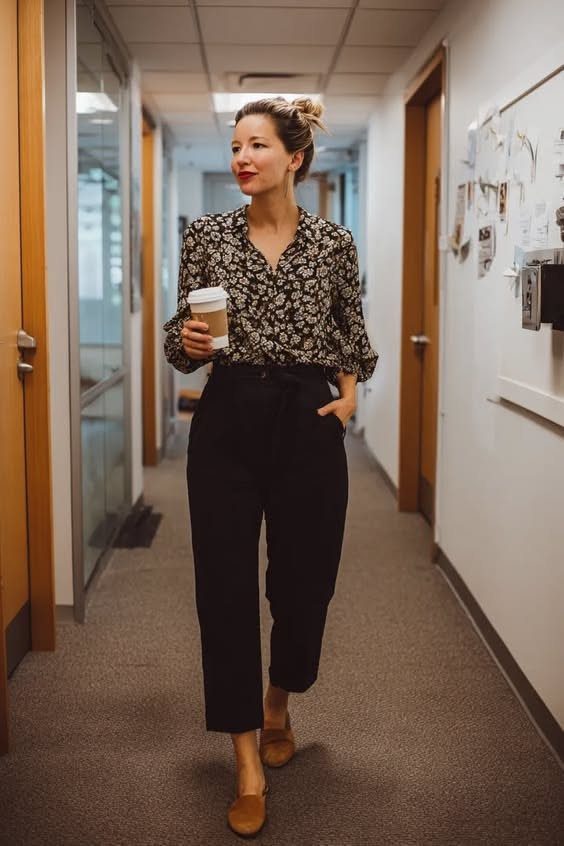
A patterned blouse with dark tailored trousers is how you wear print without surrendering to it. The blouse carries the interest; the trousers carry the structure.
Tuck it fully for a formal office, or do the half-tuck if the day is more casual than the room.
The print should be large enough to read from a few feet away; tiny florals at a distance read as mush. Loafers finish this cleanly; heels would push it toward evening, sneakers toward weekend.
Best for client-facing days, presentations, or any morning when you need to look like the competent version of yourself. Comfort takes a hit: a tucked blouse and fitted waistband do not forgive a large lunch.
A silk or viscose blend moves better than stiff cotton and still looks pressed late in the day.
11. Tee and Maxi Skirt
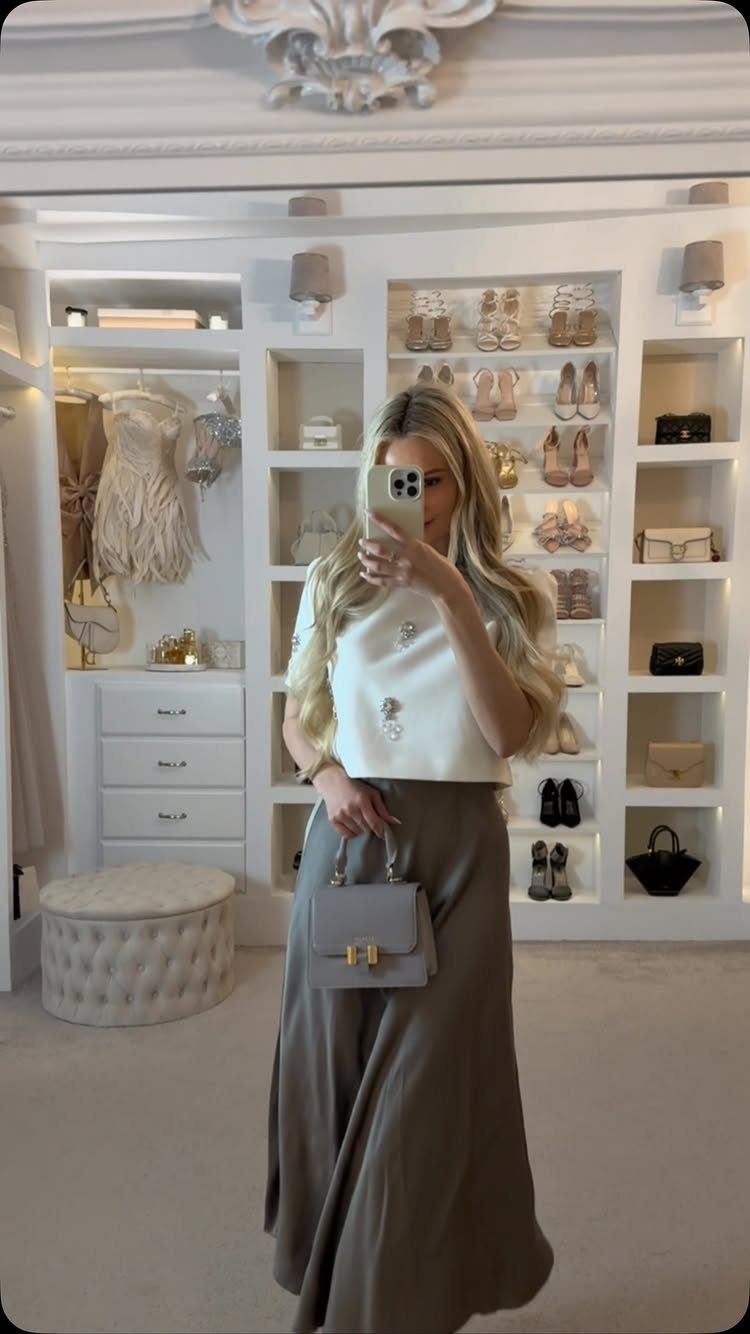
A tucked-in white tee and a grey maxi skirt is the fastest way to look dressed without feeling dressed up. The tee keeps it grounded; the skirt adds the movement that makes people ask where you got it.
I reach for this when the day splits between errands and something slightly nicer, or when I want one layer I can add or lose as the temperature shifts. Cotton or linen on top, something with a little flow below.
Tuck it fully or do a half-tuck at the front if the skirt sits high.
Ballet flats finish it clean; sandals work once the day warms enough to feel it on your arms. The skirt length matters more than the print: too short and it reads sundress, too long and you trip.
Mid-ankle is the useful zone.
12. Tunic Top with Wide Trousers
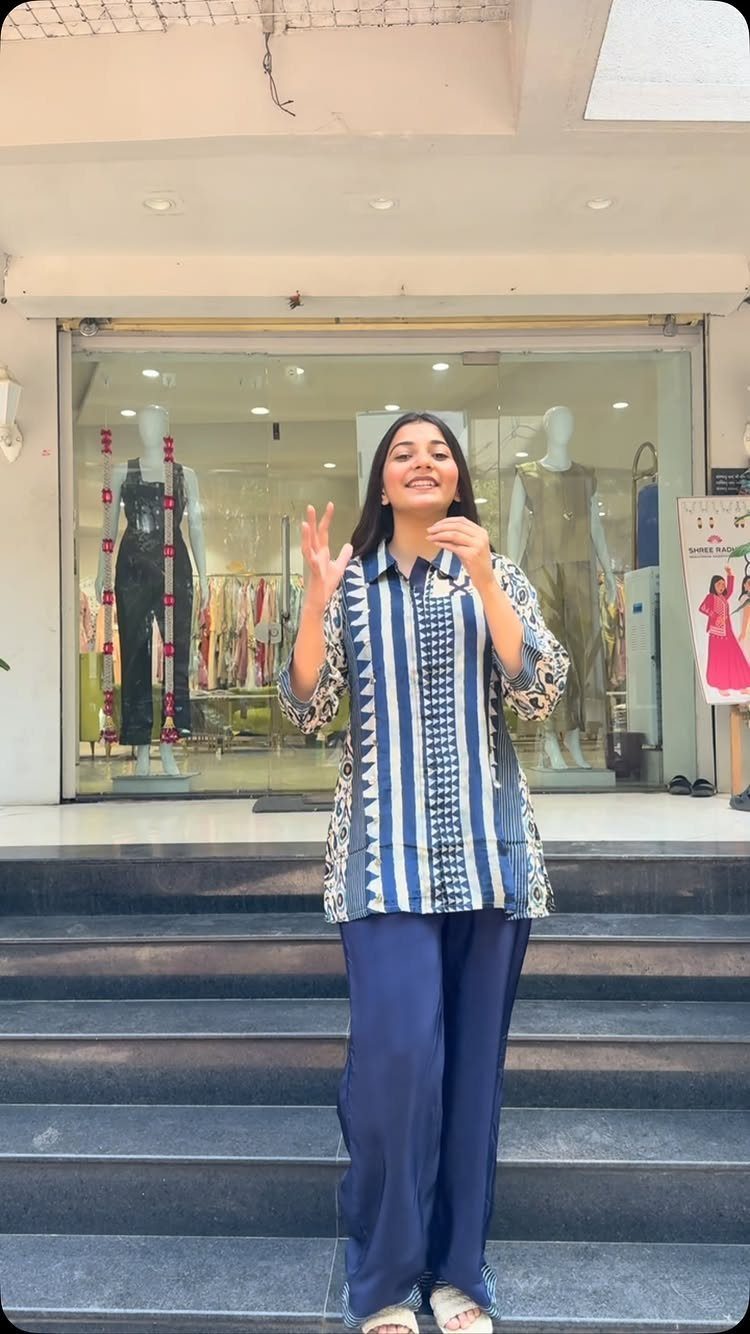
Wide trousers with a tunic long enough to cover the hip line solve the morning when nothing else feels right. The tunic does the visual work; the trousers give you the structure of an outfit without the cling.
This pairing runs best in breathable cotton or linen, especially once humidity climbs past what a blazer could handle.
The tunic should hit mid-thigh or lower; anything shorter and you lose the proportion that makes this look intentional rather than like you forgot a belt.
I like it for travel days, long flights, or any schedule where I might sit for hours then stand up needing to look presentable. The print on top carries the outfit; solid trousers underneath keep it from getting loud.
Loafers or clean sneakers finish it.
Importance of Getting Dressed
Getting dressed is the first way you show up for the day. Knowing what you’ll wear before you stand in front of your closet means your clothes work for you, not against you.
Three things drive the morning decision. Weather doesn’t negotiate; it decides whether you’re in a tee or a turtleneck, sneakers or boots.
Your schedule comes next. What works for a Zoom call in your kitchen won’t cut it for a presentation that could land the account.
Overcoming Wardrobe Paralysis
Choice overload is the real problem, not indecisiveness. A closet packed with unstructured options makes standing in front of it feel hard.
A closet that only holds today’s options cuts decision time way down. Fewer choices equal faster decisions.
A three-piece formula, like top plus bottom plus third piece, gives you a finite set of combinations that already work. Too many choices freeze you; a set structure keeps you moving.
Personal Style Development
Personal style develops when you stop chasing runway trends and start judging pieces by your own body shape and the occasions you actually face.
The women I write for already own more than they wear; the shift is toward quality over quantity and outfits built from pieces that already work together.
Knowing your style makes the morning faster because fewer items qualify. A coherent palette means most tops relate to most bottoms without effort.
The enjoyment comes from wearing what fits and functions, not from the hunt.
Weather Considerations
Most morning outfit regrets trace back to the thermometer, not the mirror.
Dark trousers or jeans hide water; closed-toe leather shoes or boots work, not suede. Rain turns elaborate outfits into disheveled ones fast; simpler holds up better.
Hot days call for breathable fabrics: linen, cotton, jersey. Light colors reflect heat.
One layer only.
Genuine cold needs at least three layers: something tight against skin, something warm in the middle, something that blocks wind on top. A scarf traps heat without adding jacket bulk.
Monday’s forecast predicts warm temperatures of 20°C in London and parts of the UK; however, some light showers are expected, so structured closed-toe footwear is recommended. These bright red ballet flats from Alohas will liven up simple neutral outfits.
Frequently Asked Questions
What’s the best outfit to wear today?
The outfit that earns its place is the one built for the hardest thing on your schedule, not the stretch of hours you spend at home. A client meeting at 2 PM matters more than desk time at 9 AM.
A reliable three-part move: solid bottoms, a blazer that holds its shape, and one piece that feels like you chose it on purpose.
What should I wear today based on the weather?
Temperature sets the baseline; wind and rain are the edits. Below 35°F, I reach for a heavy coat, a thermal base layer, a sweater in the middle, and wool at the neck and hands.
Between 50–55°F, a light jacket over long sleeves still beats a tee alone. At 55–60°F, short sleeves work under a layer you can remove if it warms up.
What should I wear when I can’t decide?
Apply two hard constraints: the occasion and the forecast. One pair of pants that works for both plans, a top in a color that plays nice, then add or subtract layers for whatever the thermometer says.
Having a formula ready cuts morning hesitation more than browsing a closet ever will.