These ten ideas range from a single vintage ring to a full essential wardrobe, and the right one depends on whether your closet problem is morning indecision or pieces that look plain instead of intentional.
1. Choose Neutrals
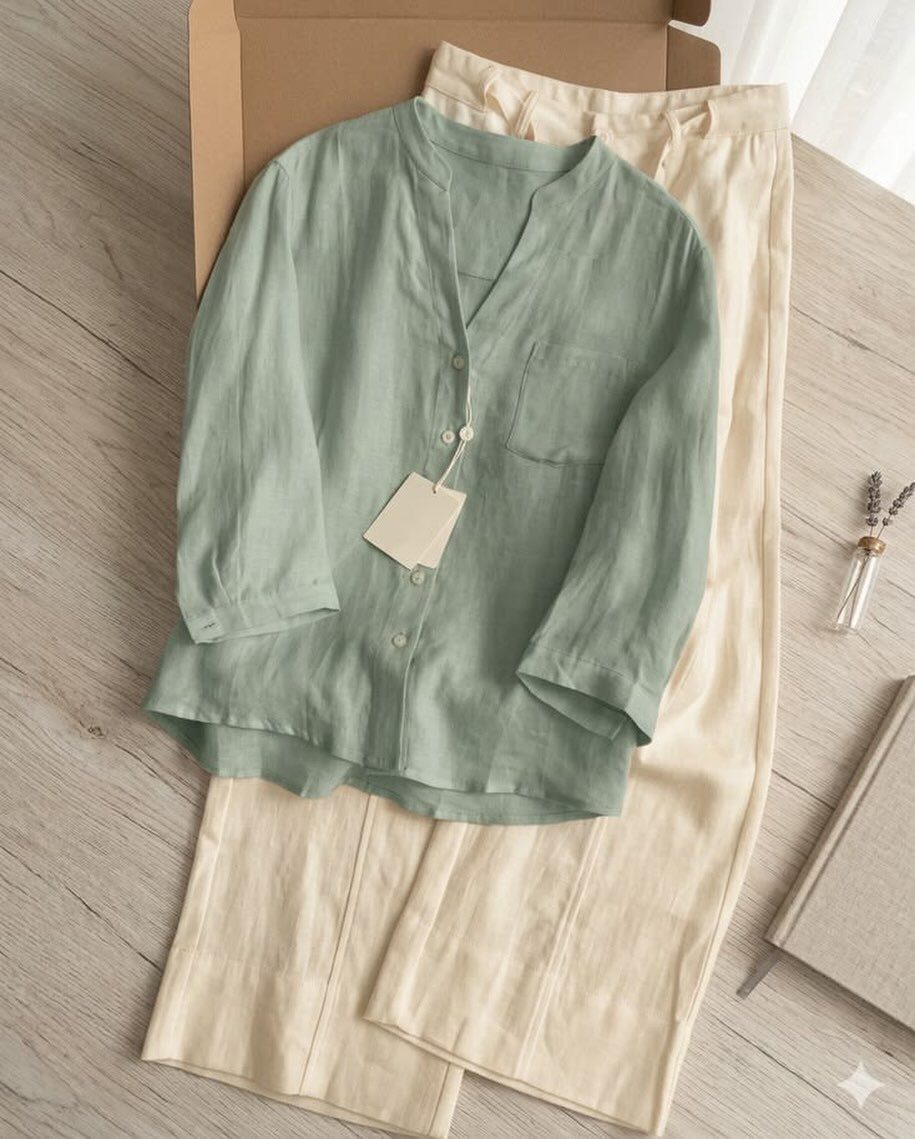
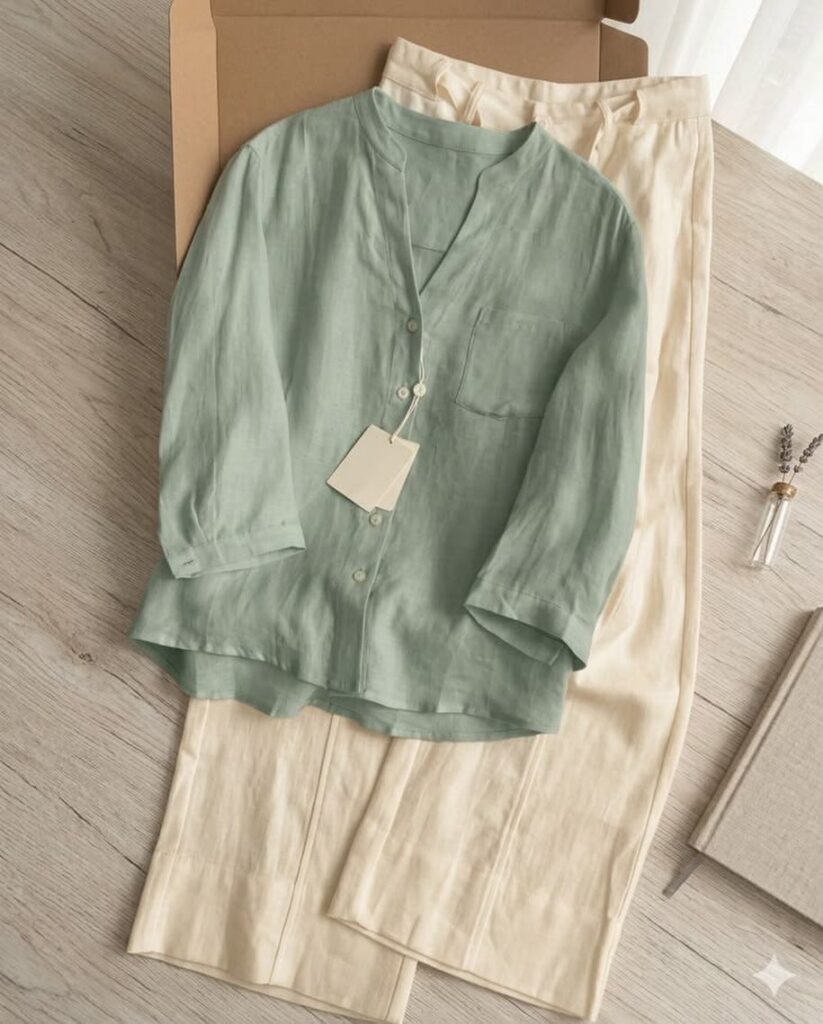
A neutral palette turns four or five colors into an entire wardrobe. Sage and cream linen already looks pulled together without any effort.
Black, navy, gray, and beige are the usual starting points, though your version of neutral might run cooler, like blush pink and soft gray-blue, or warmer, like oatmeal and French blue.
A color analysis can narrow this down to shades that actually flatter your complexion rather than drain it.
You get dressed faster when every piece already agrees with the rest. Every top matches every bottom; no more morning standoffs with your closet.
I would start with a small handful of colors, adding a stripe or print only if it reads as a solid from across the room.
2. Avoid Over-accessorizing
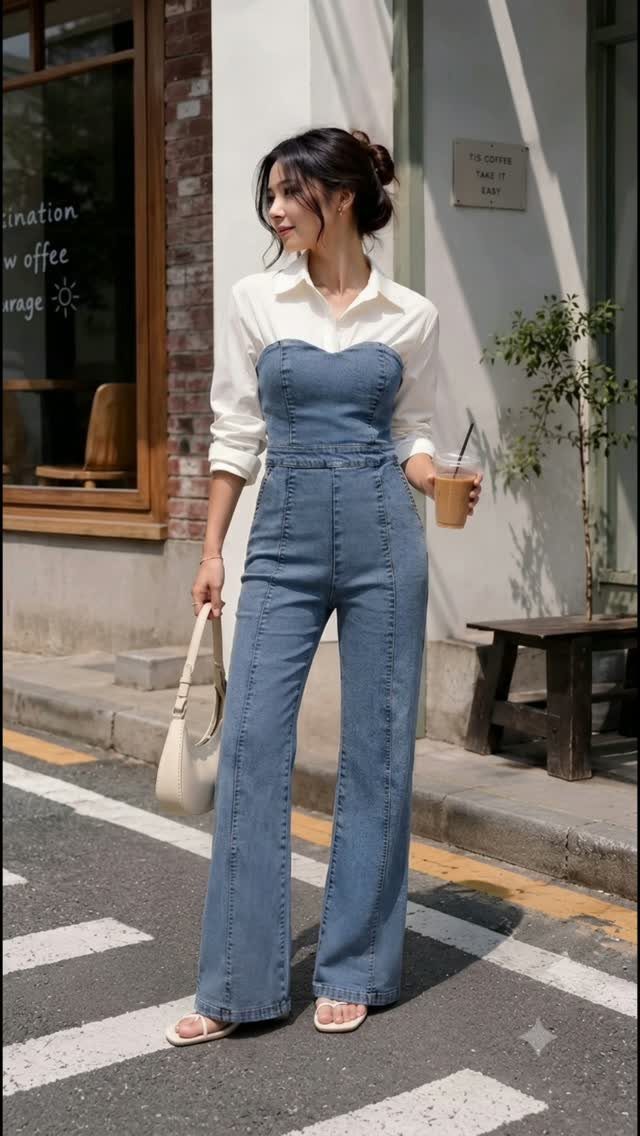
One good piece of jewelry beats several competing for attention. A denim jumpsuit and white shirt carry just a small bag; nothing else is fighting to be noticed.
A vintage ring or a single chain can ground a look without turning it busy. The same goes for bags: clean lines, no hardware shouting.
Baseball caps and simple totes work if the shape stays sleek and the pattern stays absent.
If you are not a jewelry person, skip it entirely. The outfit is the point, and a minimal wardrobe already does the heavy lifting.
I would add one textured element, a woven bag or matte metal, and stop there.
3. Comfort Without Sacrificing Style
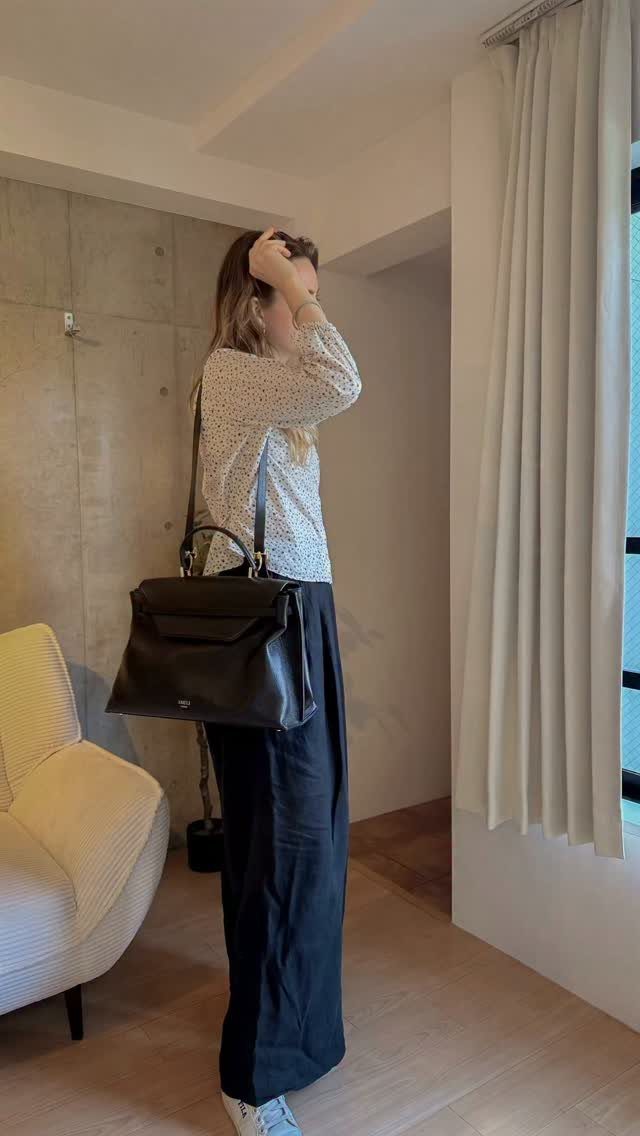
Comfort here is not oversized sweats. It is a trouser with enough room to stride, a natural fiber that breathes, a shoe you can actually walk in.
The 1960s Japanese designers who shaped this movement, Yohji Yamamoto and Rei Kawakubo, built their reputations on exactly this, clean lines that function first.
Check the waistband sit and the shoe weight before you buy. A heavy sole throws off the proportion of a fluid pant.
I would pick this combination for anyone whose days split between desk and errand with no time to change.
4. Minimalist Aesthetic
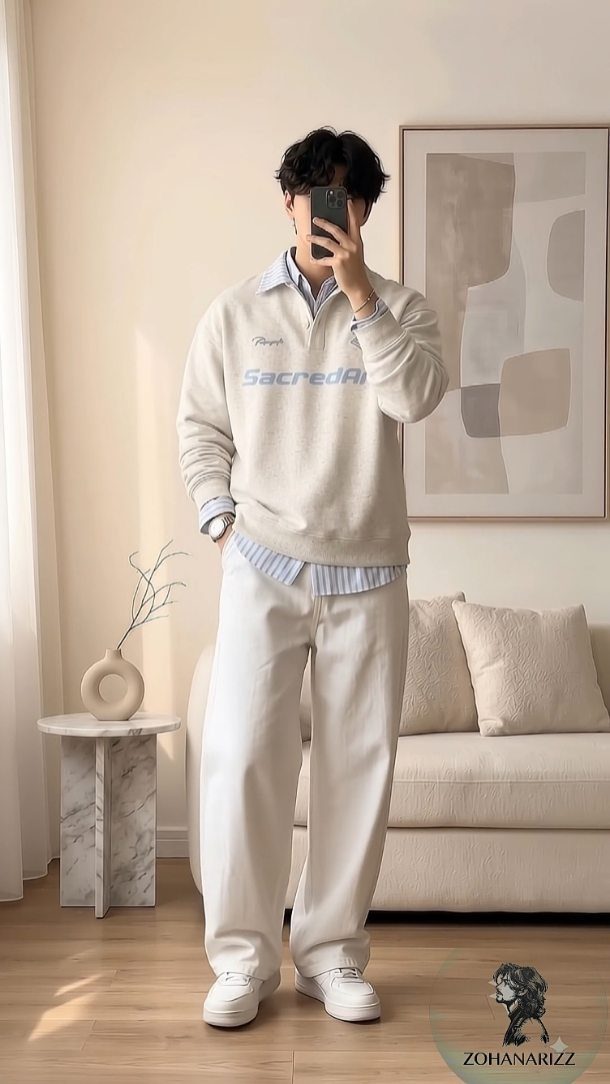
A quarter-zip layered over a striped shirt, all in cream, white, and pale blue, reads as intention, not absence.
Clean lines and neutral colors do the work, but the fabric quality is what holds up in person. A sweatshirt with some structure to the collar, trousers that fall straight without pooling, these details separate minimal from merely plain.
Function matters as much as look. The zip gives temperature control; the layers let you adapt.
I would suggest checking the shoulder seam placement and the trouser break, these two points make the difference between considered and careless.
5. Minimalist Shirts

The chest logo is tiny, an inch or less, which keeps the shirt from reading as branded merchandise. That scale is the detail to watch for.
Organic cotton gives the hand feel that makes a basic worth wearing, and a precise shoulder seam, neither dropped nor padded, lets it tuck smoothly or stand alone.
I would buy two identical shirts and rotate them. One in use, one in wash, no morning decisions.
Check that the neckline holds its shape after washing; a stretched collar ruins the effect faster than any stain.
6. Invest in Essentials
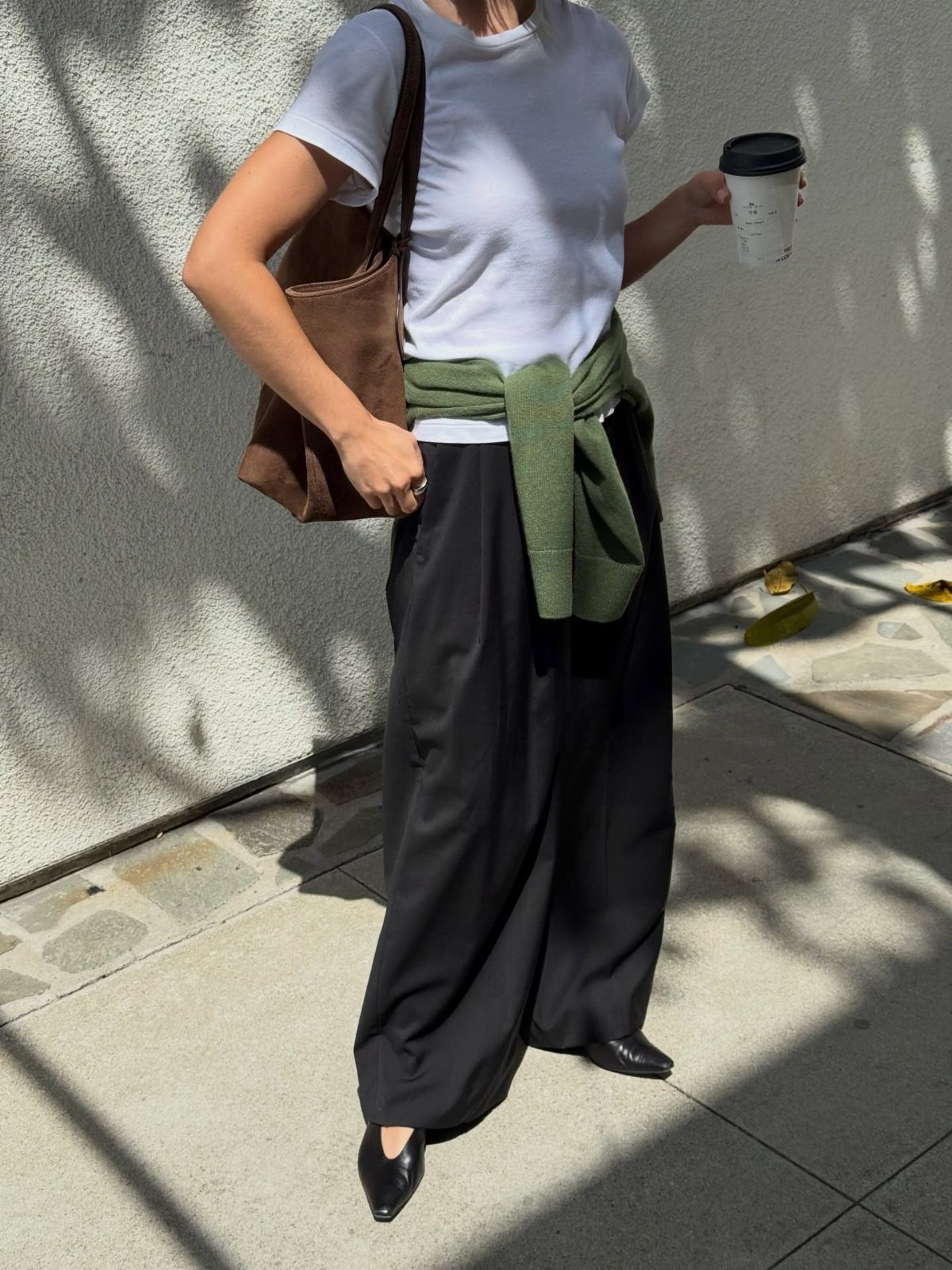
A white t-shirt, black wide-leg trousers, and a sweater tied at the waist are three pieces that each work with almost anything else you own.
The essential list changes by body and climate, but the logic stays fixed. A crisp white button-down, a navy cashmere sweater, classic black trousers, these are the shapes that outlast trends.
What shifts is the proportion: the trouser width, the sweater weight, the shirt length.
Buy the best fabric you can justify, then wear it hard. A cashmere sweater pilling after a couple of years is not a failure; a polyester one looking tired before long is.
I would start with the trousers, since fit is hardest to fake and most noticed.
7. Classic Trench Coat Layering
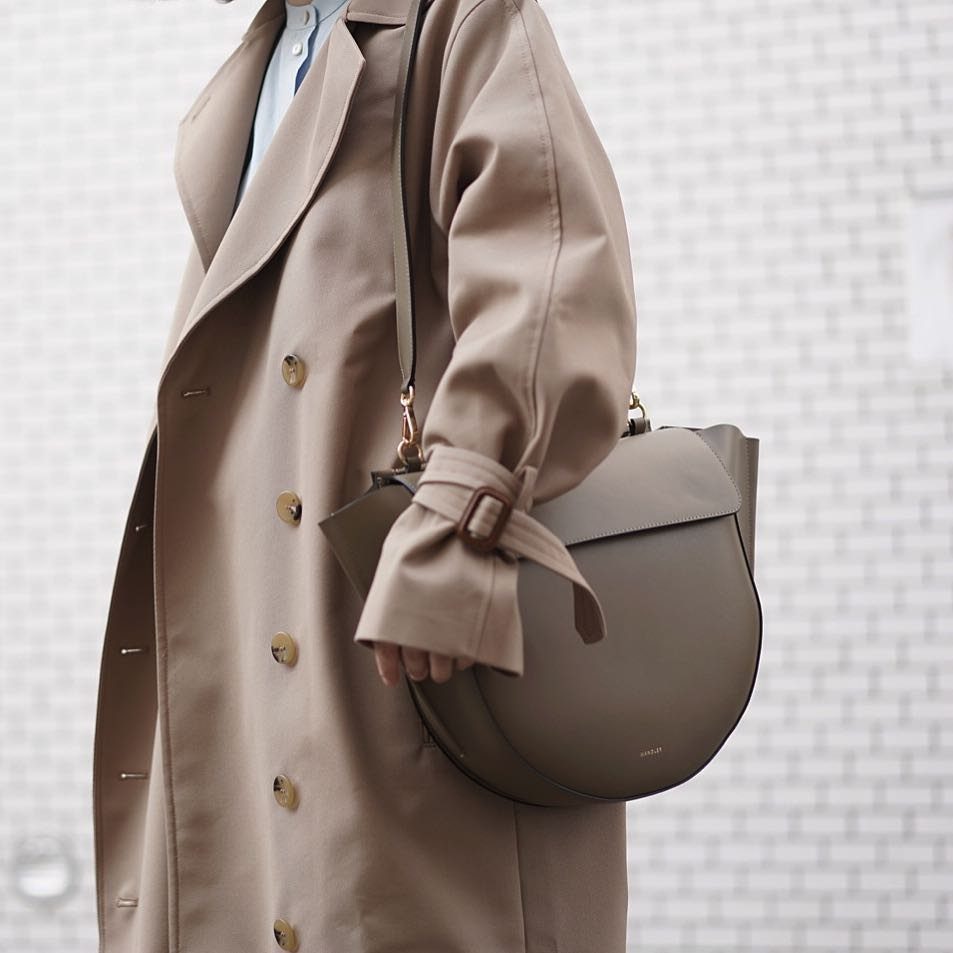
A trench coat turns the simplest shirt-and-jeans combination into something that reads intentional.
The double-breasted cut in beige or camel sits over everything without fighting for attention; the belt lets you wear it cinched or hanging open depending on whether you need shape or coverage that day.
Oak & Fort makes theirs in Morocco with organic and recycled materials, priced around $150. The oversized fit works over a blazer for work or a sweatshirt for Saturday.
Leather accessories in taupe or black keep the palette quiet.
This layer suits anyone who commutes, travels, or just wants one piece that elevates whatever is underneath. Cotton gabardine asks for brushing and occasional reproofing if you want it to keep its structure.
8. Turtleneck and Satin Skirt
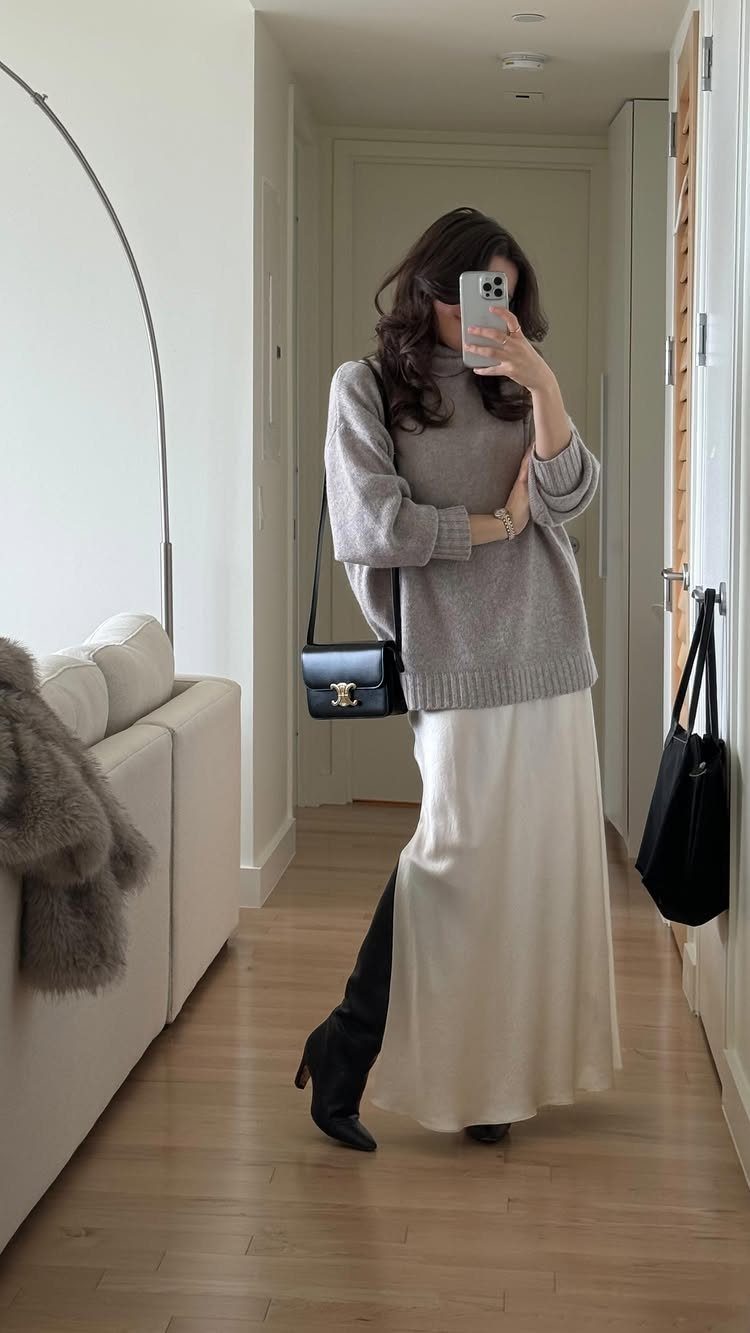
The contrast between a thick knit and a fluid skirt keeps this pairing from looking like loungewear.
A grey turtleneck in wool or cashmere grounds the outfit; the satin or silk skirt brings movement and catches light differently as you walk.
Length matters more than color here. A maxi skirt that hits at the ankle needs boots with some heel to keep the line from dragging; a midi length works with flats.
The sweater should be loose enough to half-tuck without bunching, or worn fully untucked if the skirt sits at your natural waist.
I’d skip jewelry entirely and let the textures do the work.
9. All-White Monochromatic Look
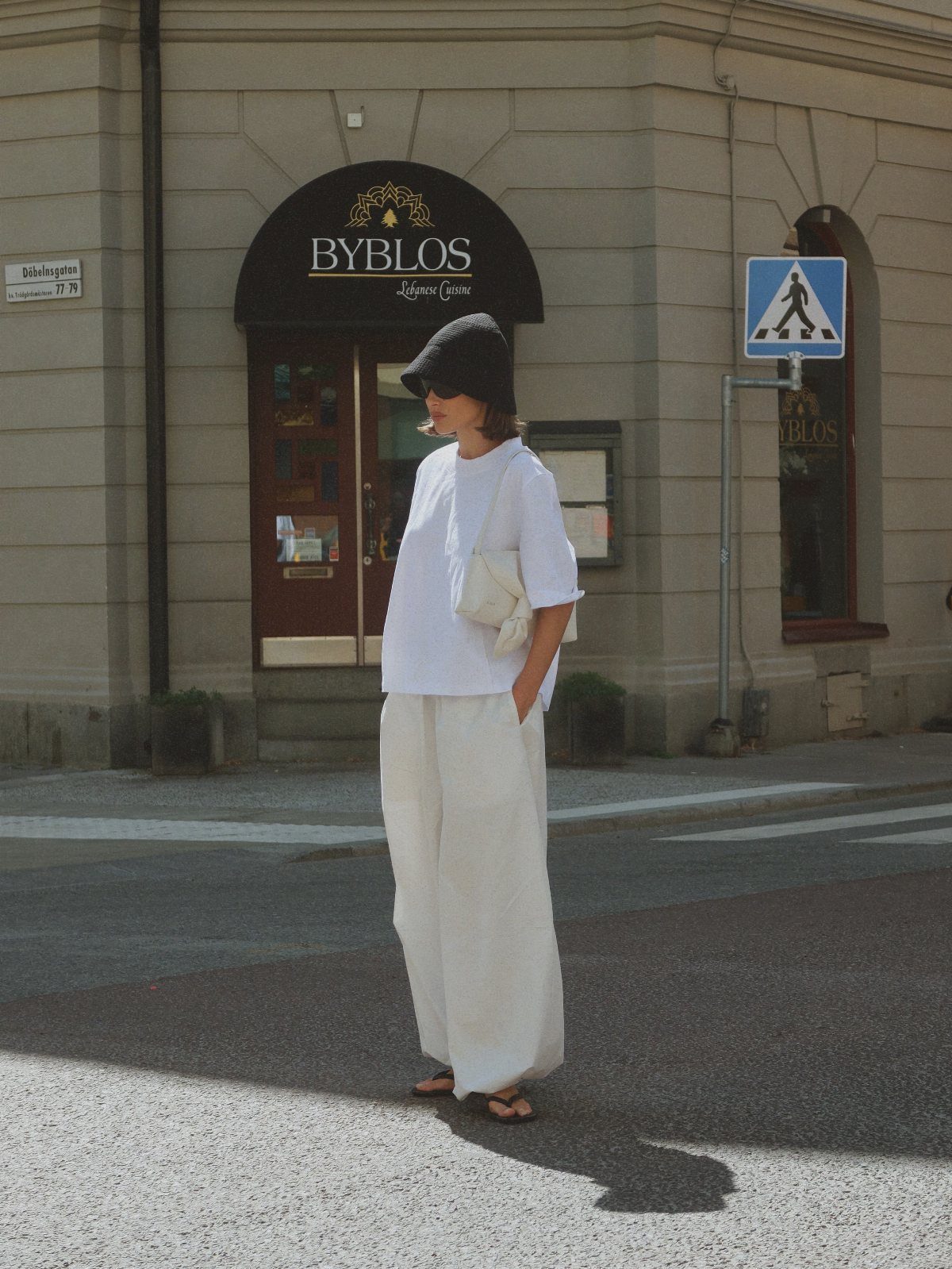
Wearing white head to toe only reads as minimal if the fabrics differ enough to separate the pieces.
A cotton crewneck t-shirt against wide-leg trousers in linen or a heavier weave creates shadow and dimension; identical materials flatten into a uniform.
The cut of the trousers carries this look. High-waisted and wide-leg balances a relaxed top; anything cropped or skinny reads clinical.
A black beret or bucket hat adds a graphic element without breaking the monochrome, and a small white bag keeps the line continuous.
Check the opacity of your white pieces under direct light before you leave the house. This is not a look that tolerates visible underwear lines or pocket outlines.
It suits someone who owns a steamer and uses it.
10. Casual Crewneck and Jeans
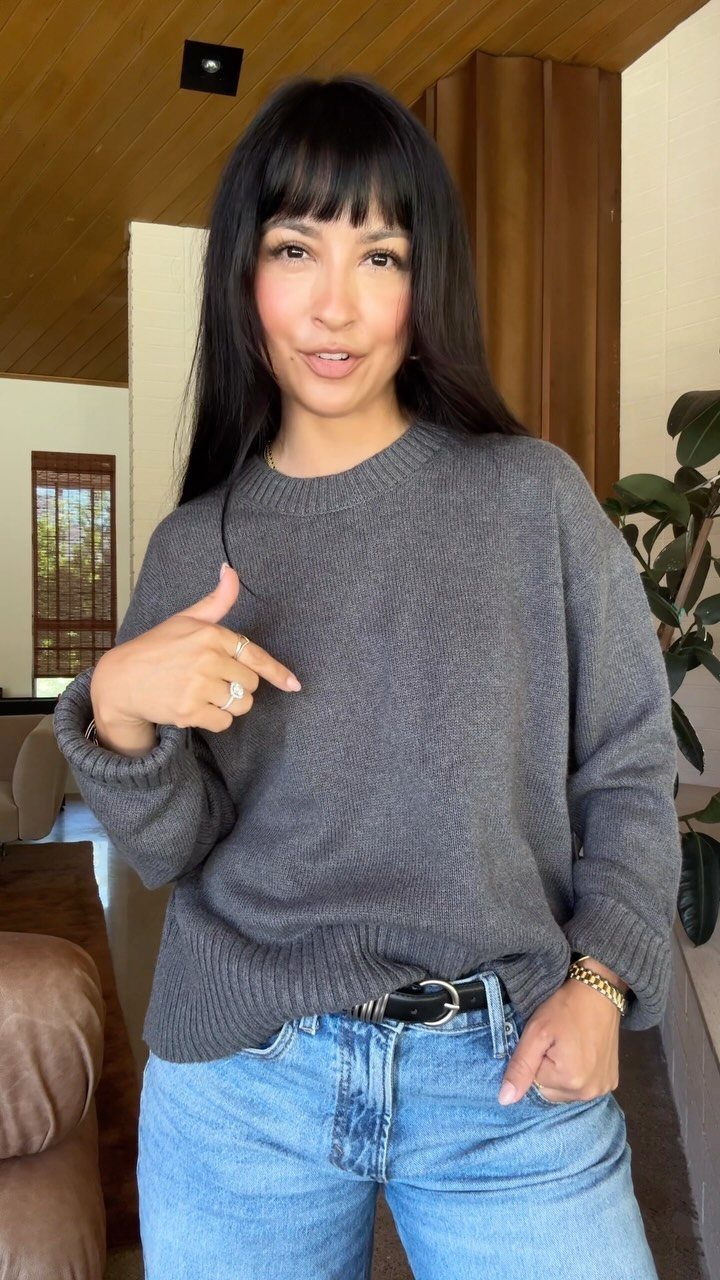
A grey crewneck sweater in a ribbed or textured knit gives more visual interest than flat jersey, which matters when the outfit is only two pieces.
Light-wash denim keeps the tone soft and daytime; dark denim would push this toward evening.
The tuck is the decision point here. A full tuck with a belt defines the waist and works for shorter torsos; a half-tuck or untucked front is more relaxed and better for long waists.
The sweater should hit at mid-hip or slightly below; anything longer overwhelms the jeans.
This is the outfit to reach for when time is short and there is no plan. Add loafers or white sneakers depending on the floor you will be walking.
No accessory is necessary, though a thin gold chain is enough if the neckline feels bare.
11. Oversized Button-Down and Trousers
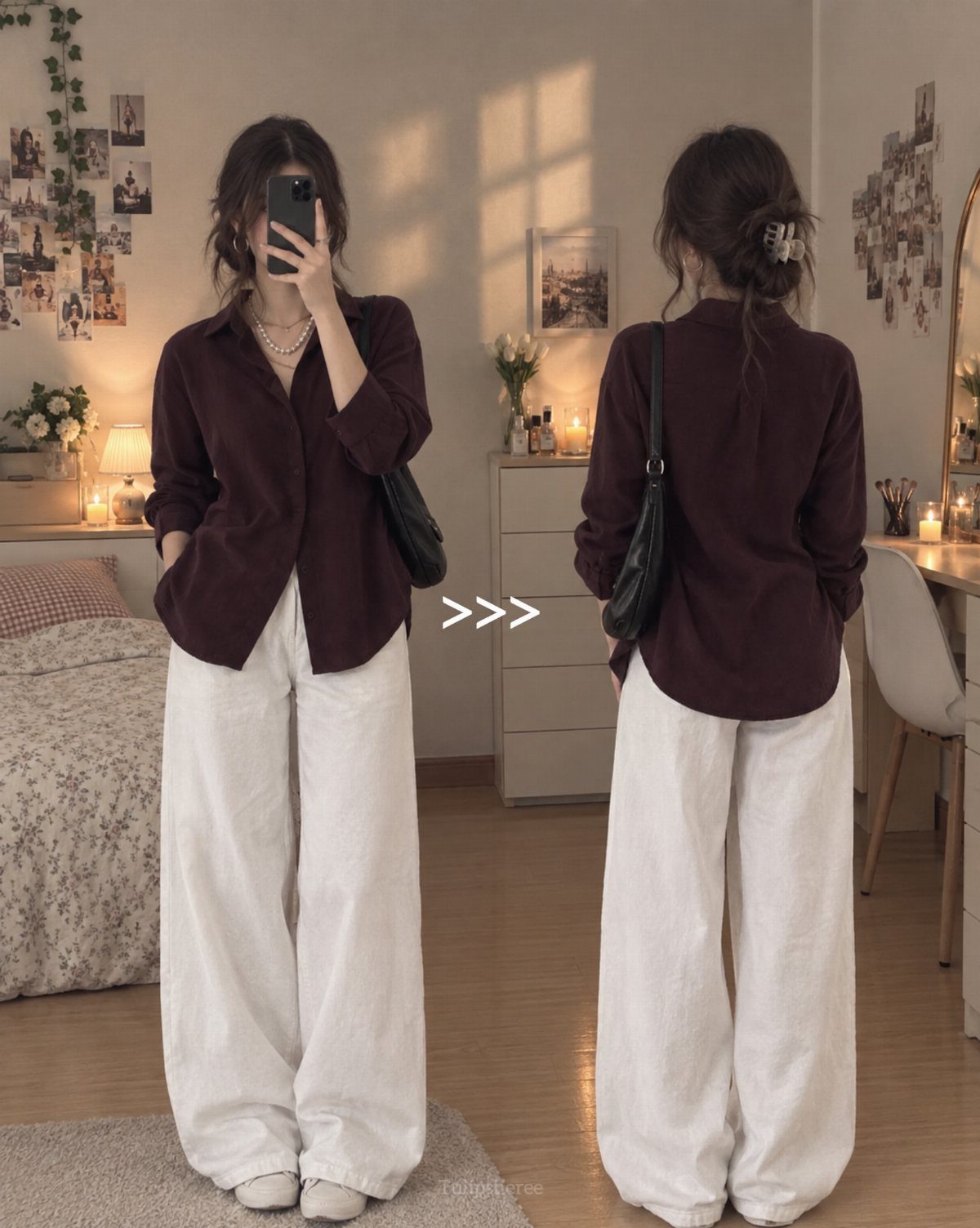
An oversized button-down in a deep color like maroon or navy does more work than white when you want presence without pattern.
The volume needs balance: wide-leg trousers in white or cream keep the silhouette from feeling heavy, and the contrast reads as deliberate rather than borrowed.
The shirt should be long enough to cover your seat if you want to wear it untucked, or hit at mid-hip for a half-tuck that stays put.
Sleeves rolled to the forearm keep the look from becoming corporate; white sneakers ground it in casual territory.
Jenni Kayne calls the crisp white button-down an essential, but I’d argue the colored oversized version is more forgiving and more versatile for this reader. It suits broad shoulders and flatters narrower hips by adding width above.
This cut wrinkles at the elbows and seat, so ironing is part of the deal.
12. Oversized Tunic Silhouette
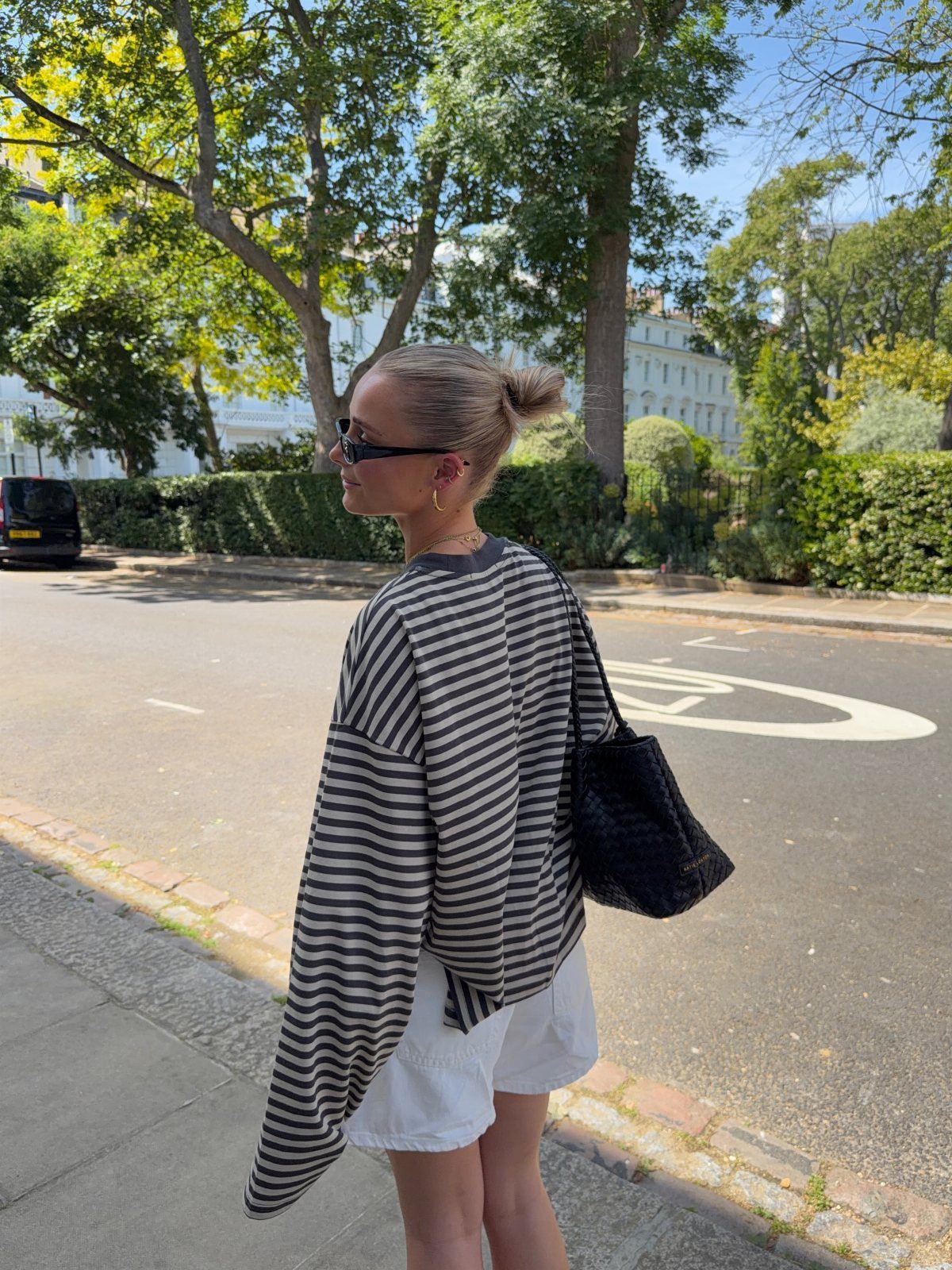
A tunic that covers your hips lets you wear shorts without the self-consciousness of exposed thigh. The striped version in black and white reads graphic and French; solid colors in linen or cotton read more coastal.
Either way, the proportion is the point: long over short, loose over fitted.
White shorts underneath should be slim enough to disappear under the volume; baggy shorts create a shapeless column. A woven leather or straw bag adds texture that references vacation without requiring a destination.
Reformation’s approach to this silhouette uses eco-friendly fabrics with structured drape, priced $80 to $250 for tops. Their Mason shorts are cut slim through the leg, which is the shape you want here.
This outfit suits hot days in cities where you will sit in cafes and walk on pavement; the tunic protects your shoulders from sun and your seat from public chairs.
13. Layered Sweater and Wide-Leg Pants
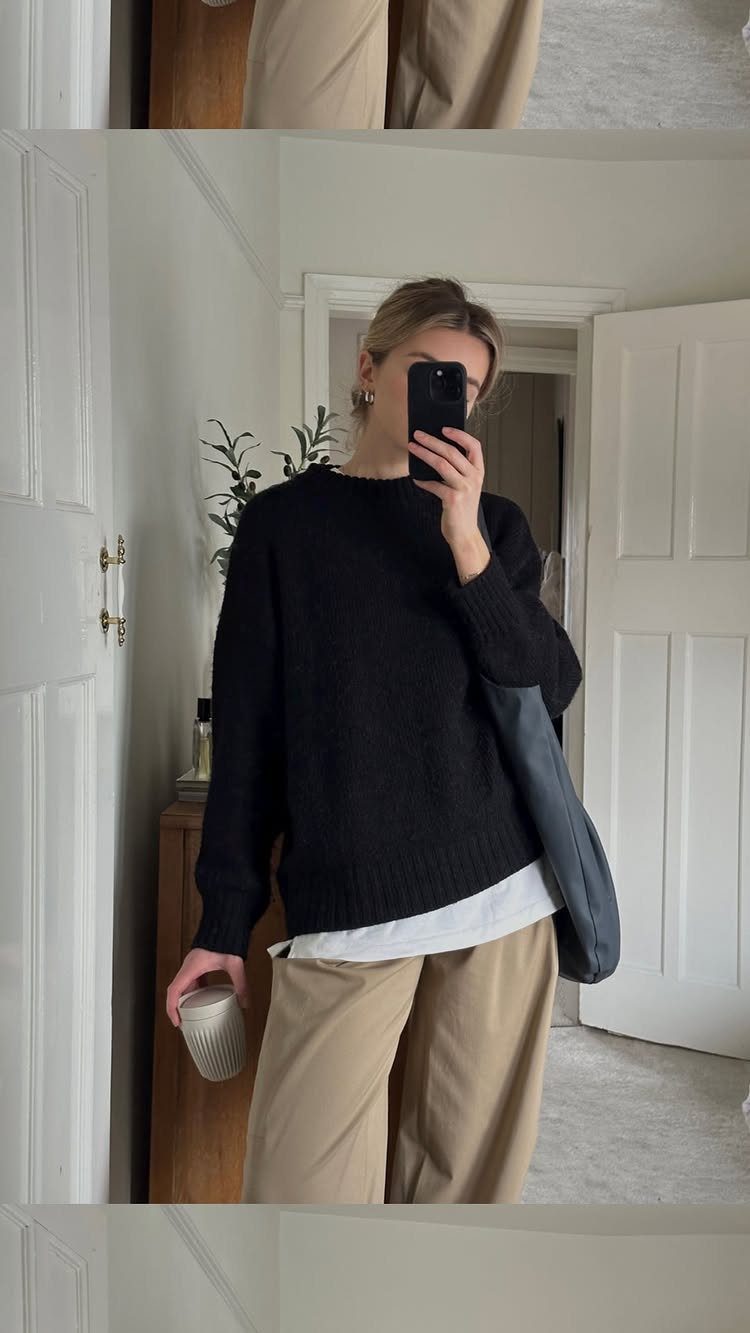
A black crewneck sweater layered over a crisp white t-shirt with tan wide-leg trousers gives you the structure of tailoring without the stiffness.
The white collar and hem peeking out at the neck and waistline do the styling work for you; no jewelry needed.
The trousers here are pleated, which adds movement and keeps the silhouette from looking too heavy on top. I’d look for a sweater in a fine gauge knit rather than chunky, so the layering stays flat and intentional.
This pairing suits anyone whose office leans casual or who wants one outfit that works for coffee through dinner. Warmth is the catch with this combo; on truly cold days, you’ll need a coat that fits over the bulk.
14. Short-Sleeve Button-Down and Trousers
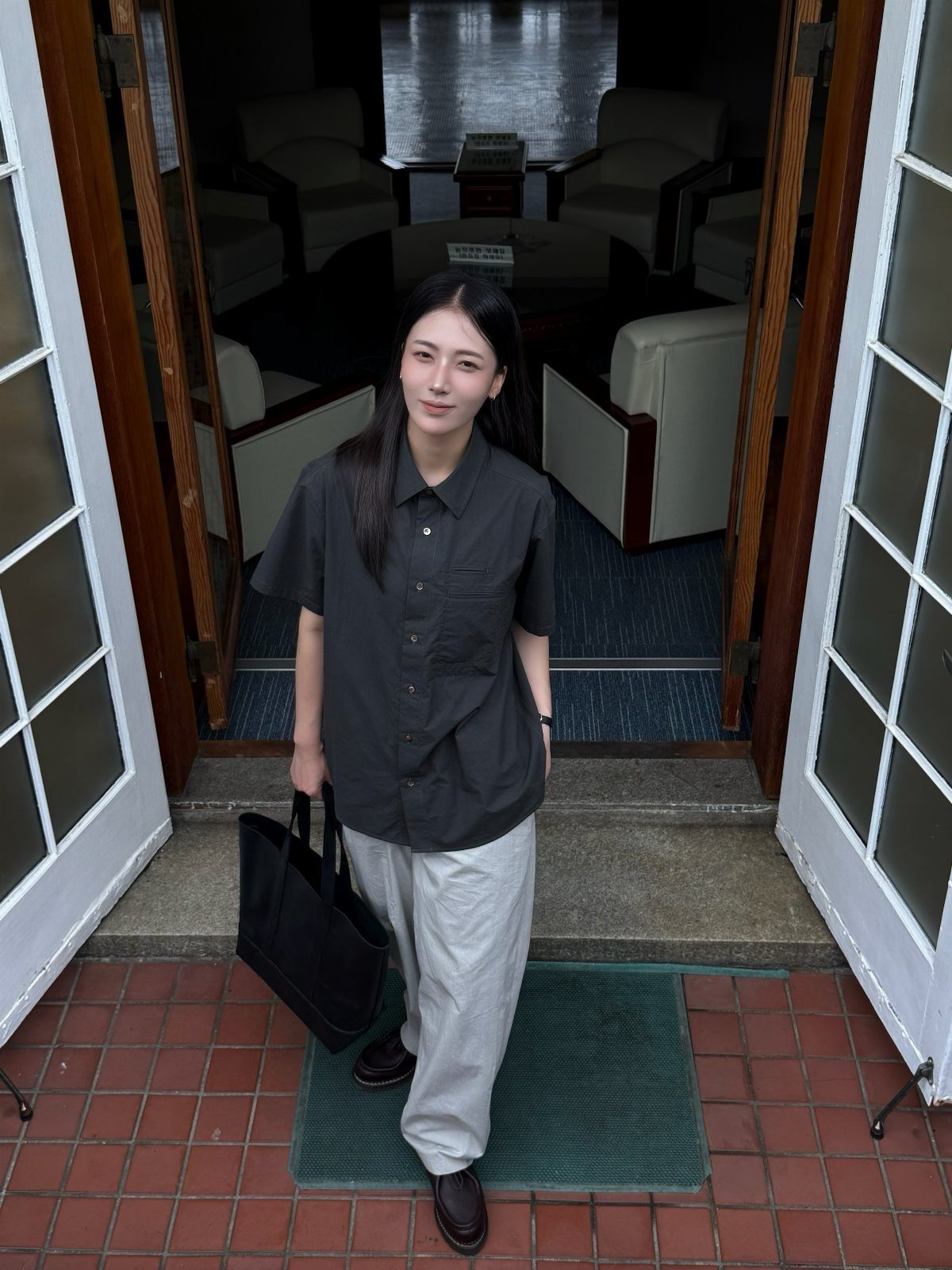
Short sleeves on a button-down change the whole temperament of the shirt. A dark grey cotton poplin in that cut reads relaxed rather than corporate, especially when the trousers match in tone rather than contrast.
Light grey trousers with dark grey up top create a single vertical line that lengthens without trying. The black tote and loafers ground it; swap in white sneakers and the same outfit shifts to weekend.
I’d check the shoulder seam sits right at the edge of your shoulder. Too wide and the short sleeve flares; too narrow and it pinches.
This is the shirt to buy in person if you can, or order two sizes and return one.
15. White Tee and Flowing Trousers
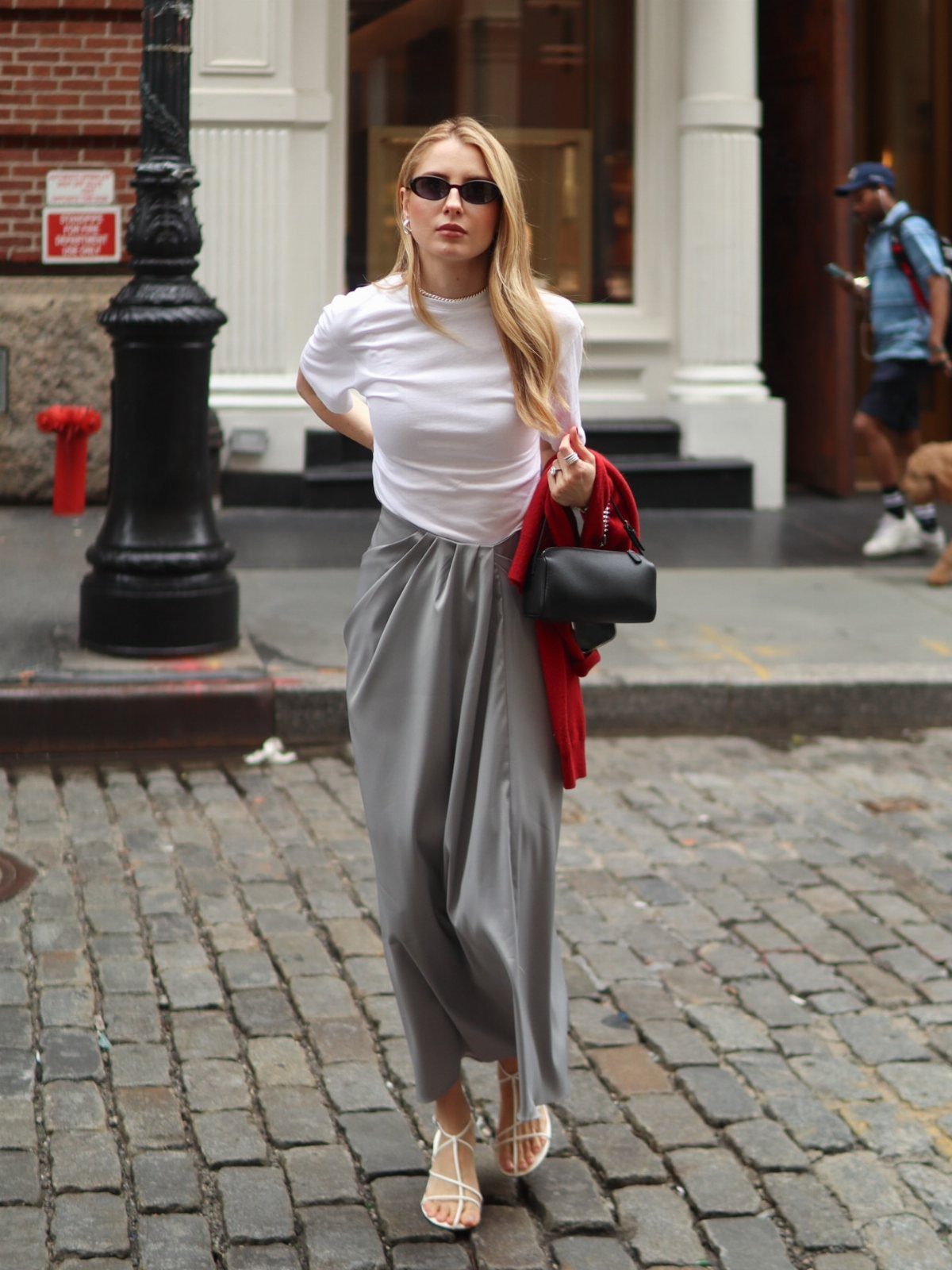
A white t-shirt tucked into flowing grey trousers is the kind of outfit that looks like you planned it in no time, which is exactly the point.
The trousers do the heavy lifting; their drape and movement turn a basic tee into something intentional.
The waistband matters more here than in fitted styles. A flat front or soft elastic back keeps the tuck from bunching, since the fabric’s volume will highlight any bulk at the midsection.
I’d test this sitting down before you keep them.
This works best in late spring through early fall, when you want coverage without weight. The red sweater carried here is smart; tied at the waist or thrown over shoulders, it adds color without clutter.
16. Button-Down Layered Over T-Shirt
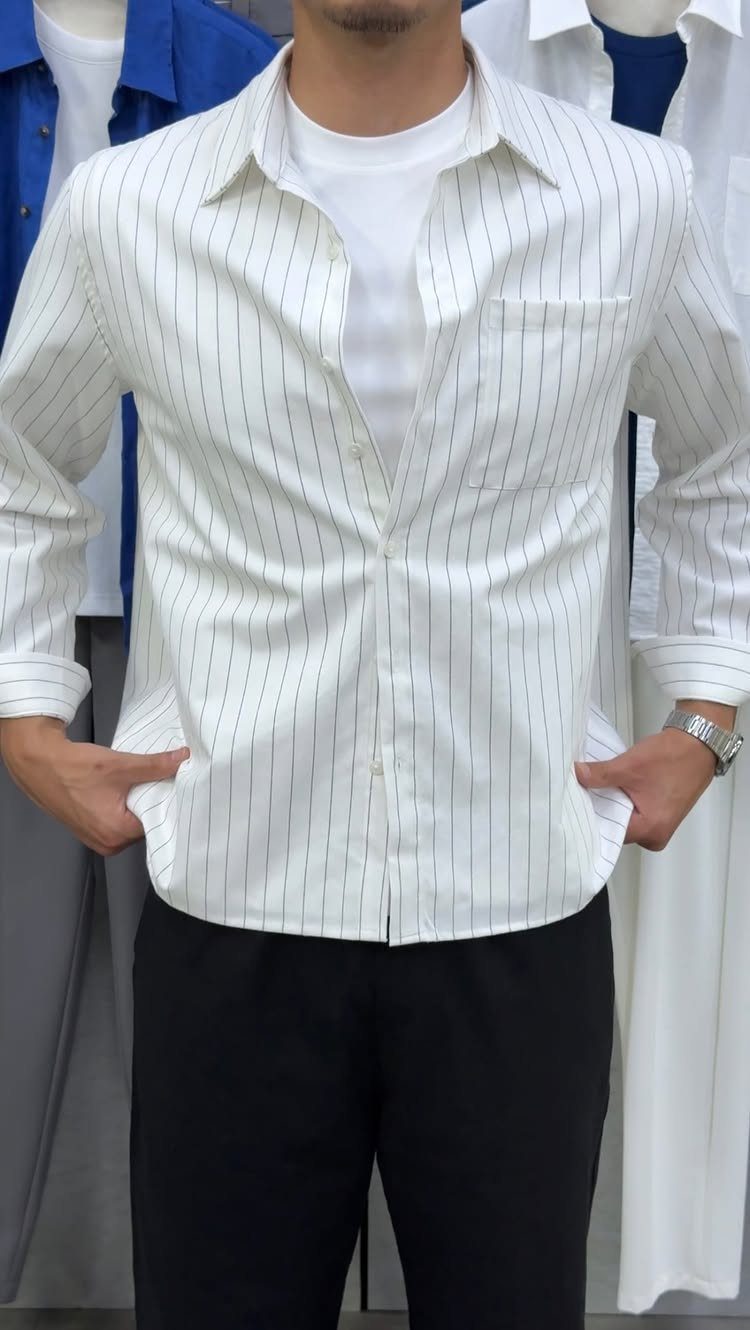
Layering a button-down over a t-shirt used to read sloppy to me until I saw it done with matching whites and a striped shirt left fully open.
The vertical stripes act like a long vest, drawing the eye up and down rather than across.
The t-shirt underneath should be slim and smooth; any pocket or graphic breaks the clean line. Black trousers below keep the palette to two colors even with the stripe pattern.
This is my go-to for days when temperature swings between mild and warm. The shirt comes off, goes back on, never looks like a mistake.
I’d pick a stripe scale that matches your frame: narrower for petite, wider for tall.
17. Utility Vest Layered Outfit
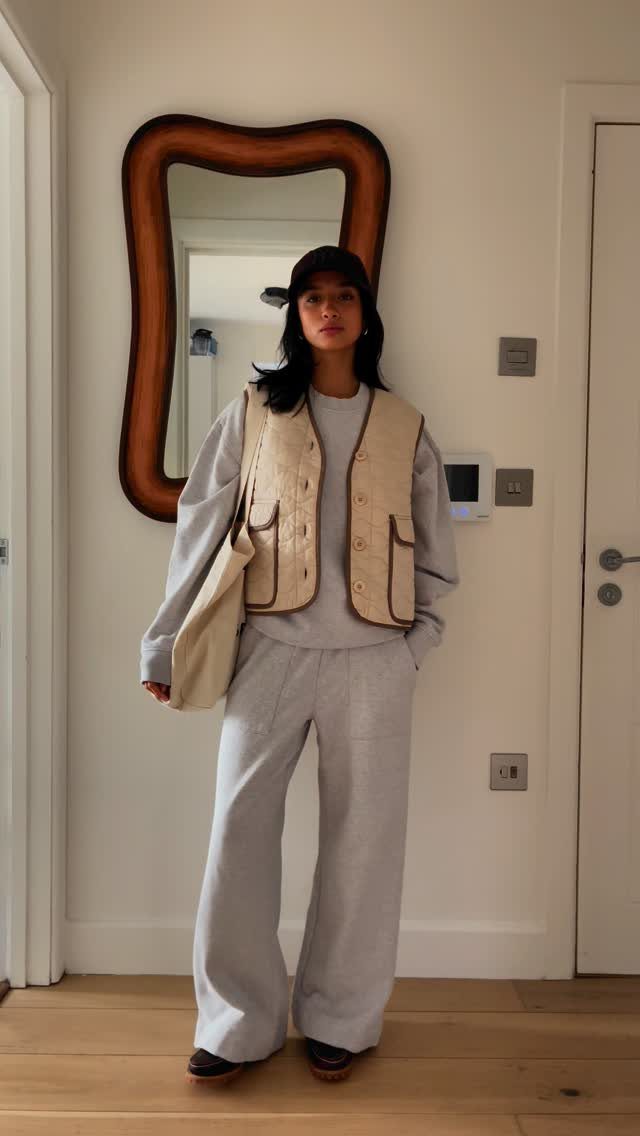
A quilted utility vest over a matching sweatshirt set is loungewear that can leave the house.
The vest adds structure and pockets to something that would otherwise read strictly sofa-bound; the tonal beige and grey keep it from looking like you grabbed random layers.
The wide-leg trousers here are key. A fitted jogger would make this too gym-adjacent; the fuller cut elevates the whole thing to intentional.
The black cap and shoes then do the work of saying "I meant this."
I’d reserve this for errands, travel days, or any Saturday when you need to look presentable for a short stretch but comfortable all day. It trades away formality entirely; don’t force this into a dinner reservation.
18. Button-Down Shirt and Neutral Trousers
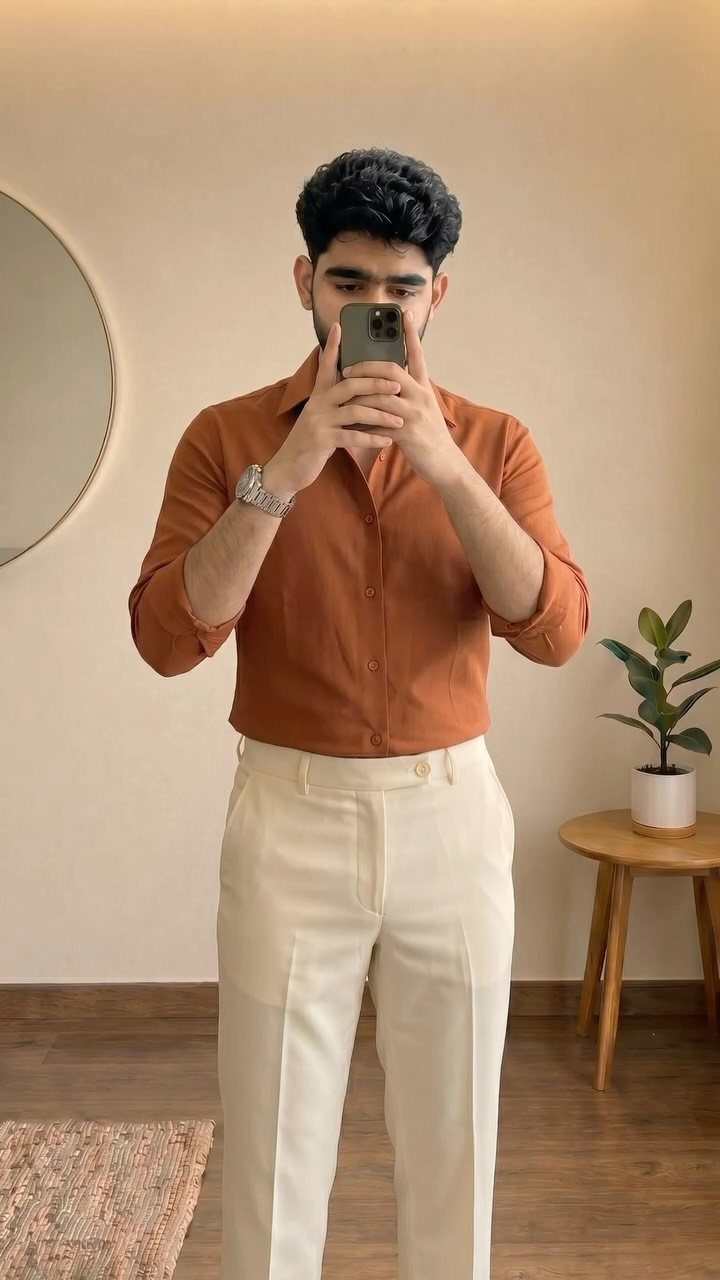
A burnt orange button-down with cream trousers is proof that minimal doesn’t mean hiding. The color is doing something; the simple cut keeps it from shouting.
Tucking the shirt in and adding a belt would push this toward business; leaving it untucked with sleeves rolled keeps it in creative territory.
The trousers need to be tailored enough that the color contrast feels crisp, not accidental. I’d check the rise; mid-rise anchors a tucked shirt, low-rise can look off-balance with this much color on top.
This suits someone whose minimalism includes one bold choice per outfit, not zero. If your whole closet is navy and grey, this is the shirt to buy first.
If you already own color, the cream trousers are the more useful addition.
19. White T-Shirt and Jeans
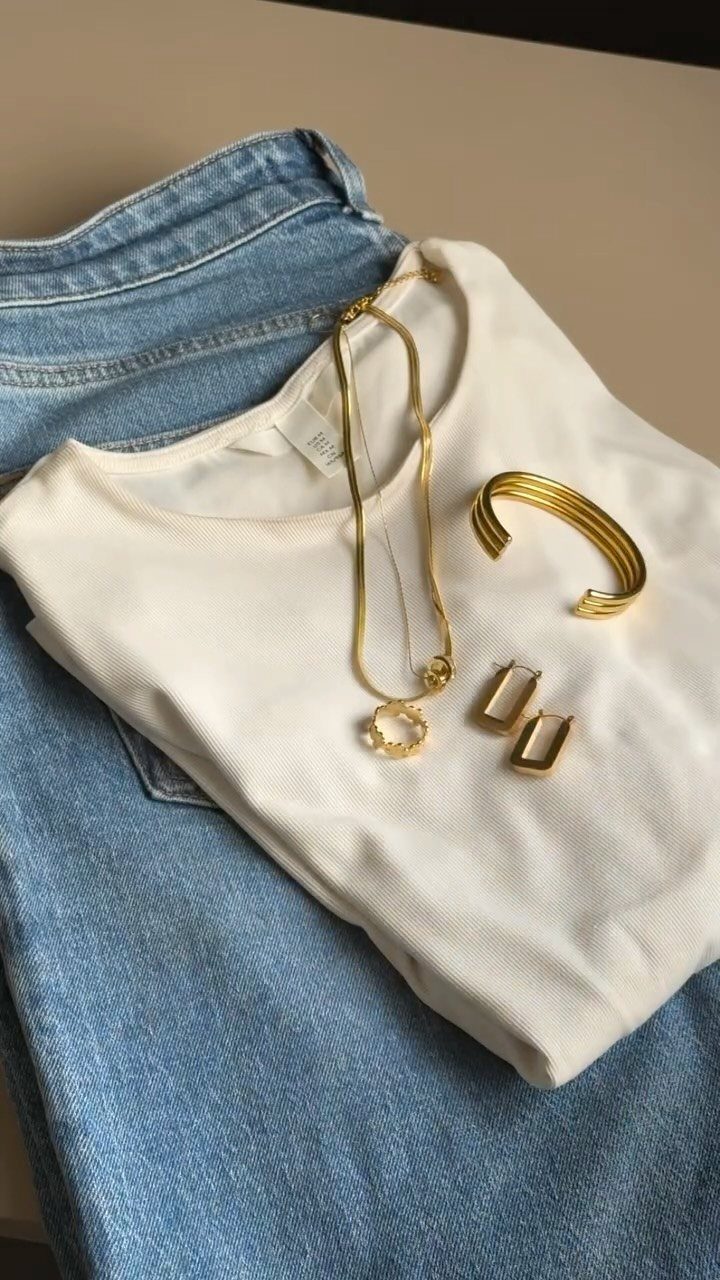
A white tee and blue jeans is the outfit you already own that looks intentional instead of leftover. Gold jewelry lifts a white tee and jeans from Saturday errand to dinner-ready fast.
Fit matters more than fabric price here. A crewneck that hits at mid-hip and jeans with a clean hem, no distressing, read as deliberate.
I keep the wash dark or true medium; acid wash or heavy fading tips toward costume.
For jewelry, a thin chain and small hoops do the work without competing. One strong piece of jewelry usually wins over two competing ones; skip the second bracelet if your wrists are small.
This pairing suits anyone building from a too-full closet toward fewer, harder-working items. It trades runway interest for reliability, which is exactly the point.
20. Cardigan and Denim Jeans Flat Lay
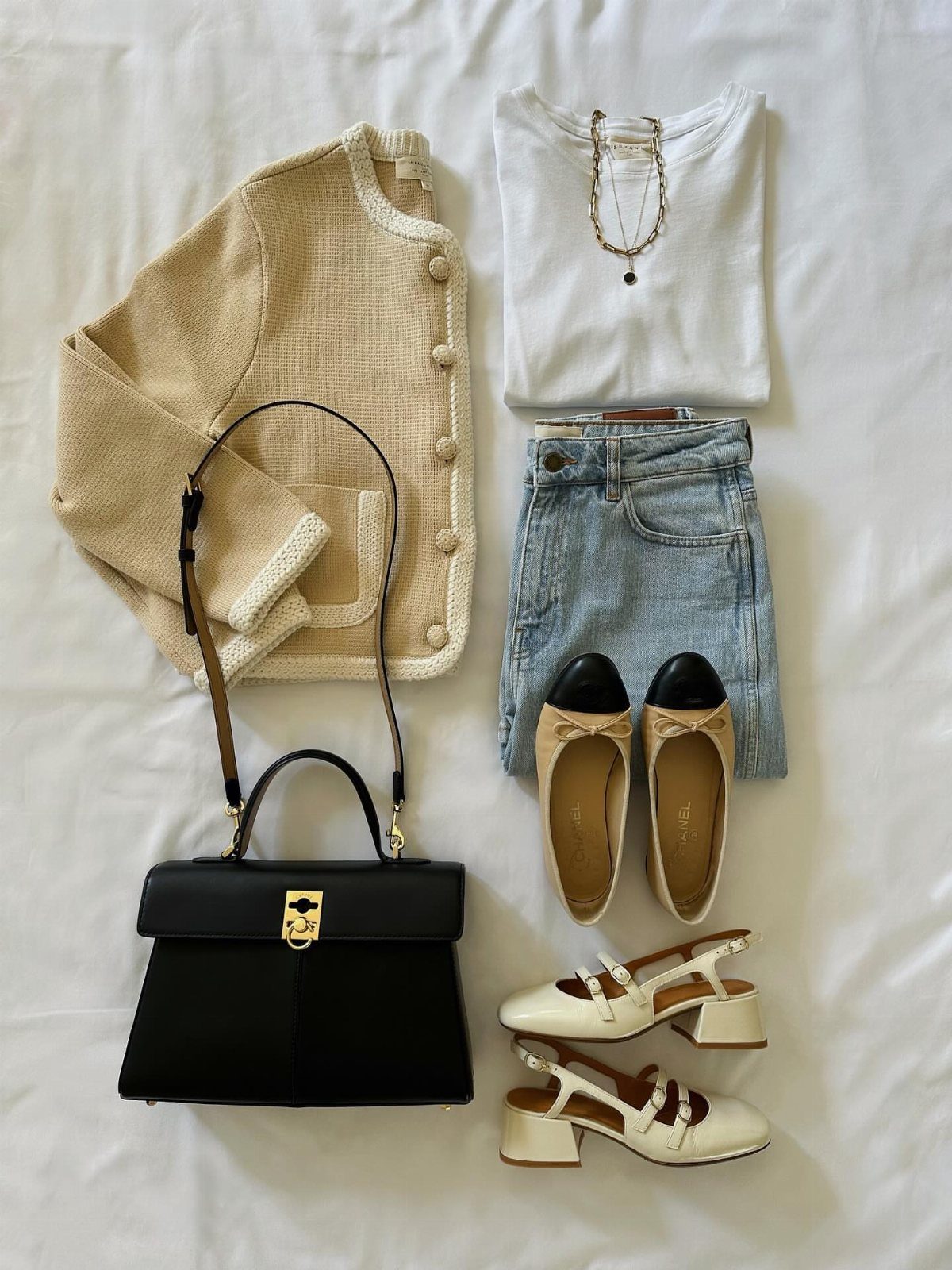
Texture replaces color when you are building a minimal wardrobe. That beige cardigan has a visible knit; against the plain white tee, it carries the whole outfit without needing a third hue.
A capsule build starts here: one textured layer, one base, one bottom. The real decision is between flats and slingbacks, not between more colors.
The flats read casual office; the slingbacks, evening or a sharper day. I’d keep both on hand if your week splits between those worlds, but the flats first if budget forces one choice.
The black handbag anchors it. Any neutral bag works, though structured leather holds up better than slouchy styles against soft knits.
This combination favors rectangle and hourglass shapes, where the cardigan’s length hits at hip without overwhelming. Petite frames: check the sleeve and body length before buying, since oversized here can mean swallowed.
Minimalist Fashion Philosophy
The idea was to strip away excess, and clothing followed the same path. Function came first, a piece had to work in multiple settings and pair with almost anything else you owned.
The cut and fabric quality mattered as much as the look. A garment’s lifespan was part of the design, not an afterthought.
This approach still saves time in the morning and builds confidence because nothing in the closet fights anything else.
Sustainability entered later as a natural fit. Quality over quantity stops being a sacrifice once you notice how much less energy you spend getting dressed.
Sustainable Fashion Practices
A minimalist brand builds pieces meant to become staples, not one-season experiments. The materials avoid cheap synthetics that tear or pill quickly.
Color stays restrained so mixing remains easy, though some brands do use color. A piece earns its place when it pairs with half your closet and still looks right after a hundred wears.
Ethical production and lower-waste manufacturing show up often in this space because the mindset aligns with making less but making it better.
I would check fiber content labels carefully, organic cotton and linen signal intent, while a high synthetic percentage suggests the opposite.
Personal Style Development
The aesthetic of minimalism, clean lines and quiet colors, is only half the story. The mindset runs deeper: dressing as a recognizable signature rather than chasing each new direction.
This distinction matters because you can wear bright color or a bold shoe and still think minimally.
The test is whether the piece feels like you, something you would reach for a hundred times, not whether it matches a mood board of beige.
Refining your own version takes time. Start with what you already wear most, then remove what does not share its spirit.
I would rather own five shirts that all feel right than fifteen where only three do.
As famed minimalist artist Donald Judd was known to say, minimalism is the “simple expression of a complex thought” and about “the whole” being more interesting than its individual parts.
— Vogue
Fashion Trends Vs. Timelessness
Minimalist clothing stands against the cycle of buying cheap, wearing briefly, and discarding. Shapes that read as current now and still will in five years are what to hunt for.
Fabric that holds its color and shape through regular washing is the only way that timeline works.
A cohesive palette helps, but the deeper principle is intentionality. Each piece should earn its place by working with others you already own.
Applied to clothing, it protects your budget and reduces decision fatigue. I would rather spend more once on trousers that hold their shape than replace a stretched-out pair every season.
Frequently Asked Questions
What does minimal clothing mean?
Minimal clothing means building a wardrobe around timeless, functional pieces that mix easily and last. The focus falls on clean lines, quality fabric, and a cohesive color palette rather than chasing trends.
A tight palette of neutrals that suit your skin tone means any shirt you grab already works with any pants in the drawer.
What is the 3-3-3 rule for clothes?
The 3-3-3 rule suggests narrowing your wardrobe to three tops, three bottoms, and three shoes.
A stripe or small print can sneak in if it scans as a solid from a few feet away, but three colors is plenty to build around.
Every piece should agree with the rest so you get dressed faster without morning standoffs with your closet.