
The labels below run from resin hair pins to investment-grade ready-to-wear, so the deciding factor is which gap in your closet needs filling: a single event piece, a daily workhorse, or the accessory that shifts what you already own.
Silvia Tcherassi hit Milan and Paris runways by 2003 with hand-appliquéd leather tees that still shape how Colombian design reads on an international floor.
1. Silvia Tcherassi
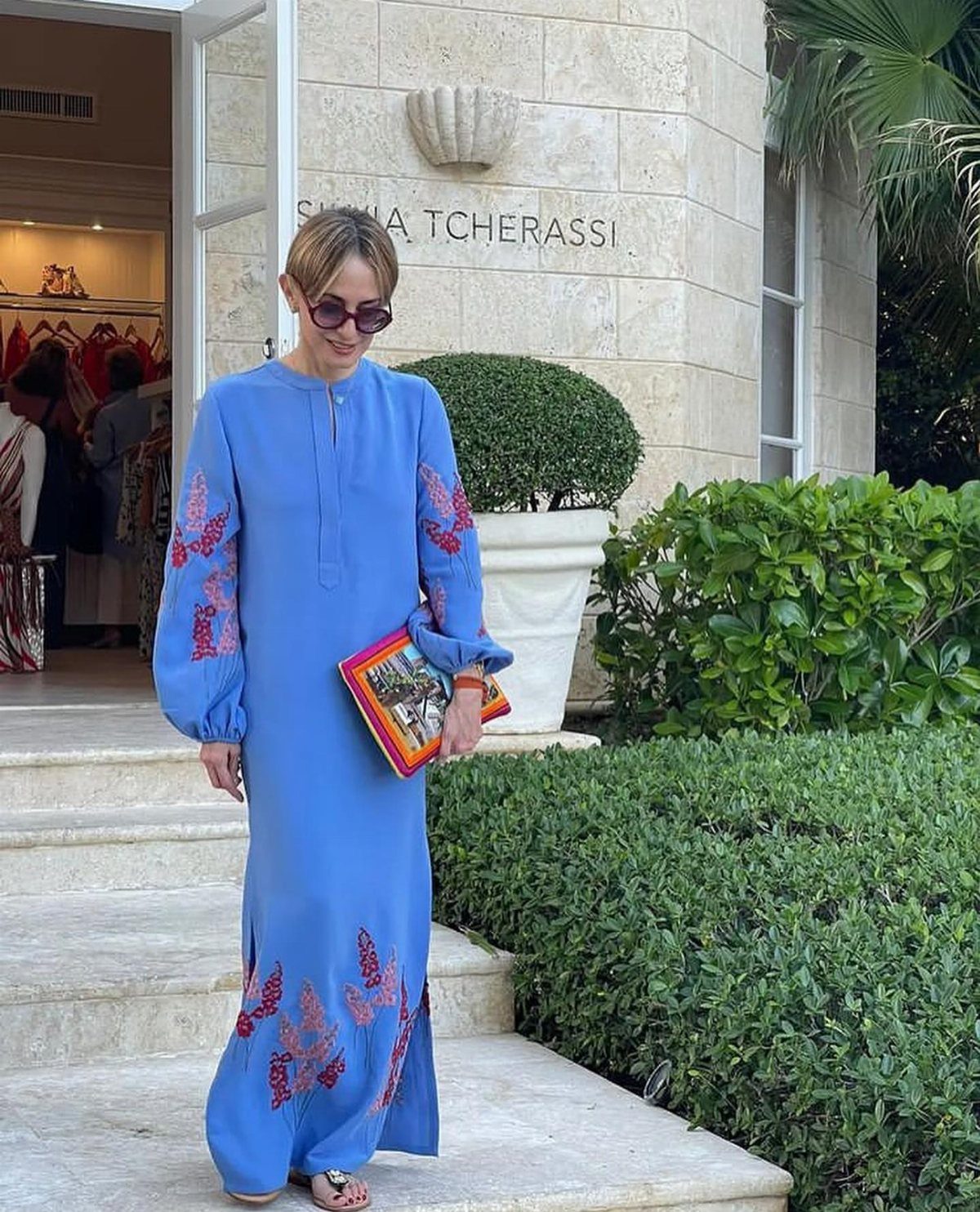
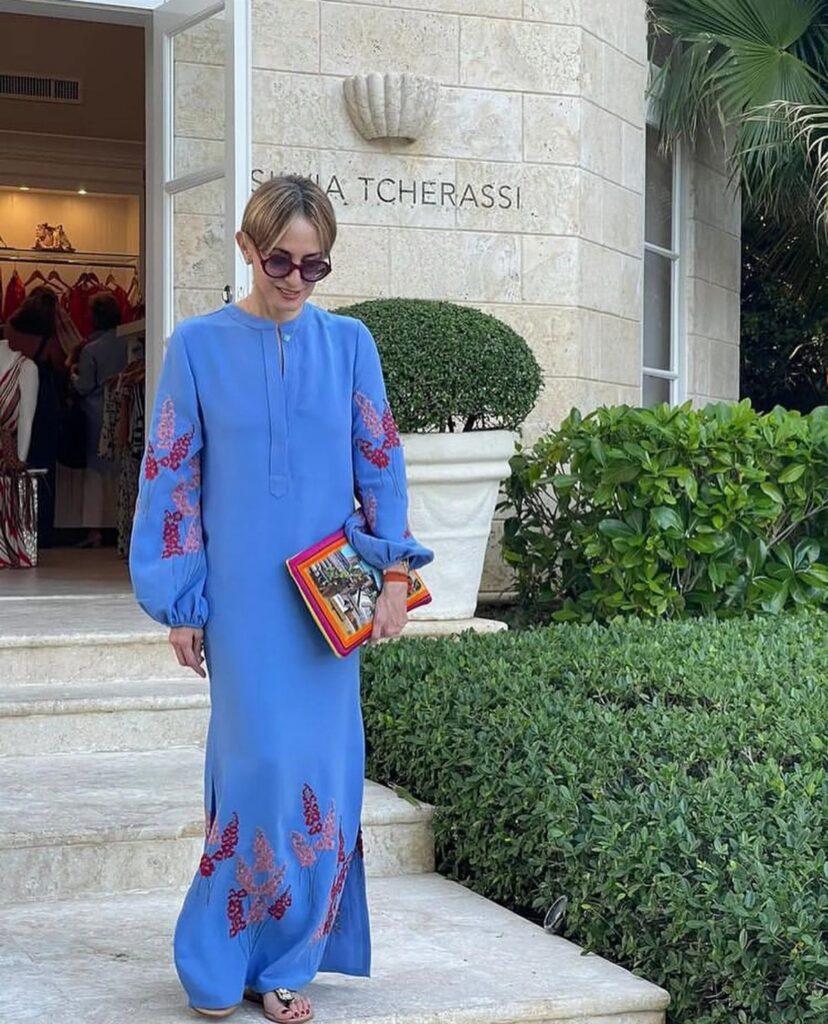
Silvia Tcherassi built her name by moving interior design instincts into clothing, starting with hand-appliquéd leather tees in 1987 and landing on Milan and Paris runways by 2003.
Her pieces mix sculptural volume with Caribbean color, and the result reads as resort wear that still works for city dinners.
A Tcherassi dress or blouse tends to carry the outfit, so I pair it with simple sandals and small gold earrings rather than competing prints.
The brand runs prêt-à-porter, bridal, and accessories, though the ready-to-wear line is where most shoppers start. Sizing sits standard for European luxury; I size down one if between sizes, as the cut favors a close waist.
This is for the reader who wants one striking piece per season rather than a closet overhaul. The price lands firmly in the investment range, and resale value holds well.
2. Amelia Toro
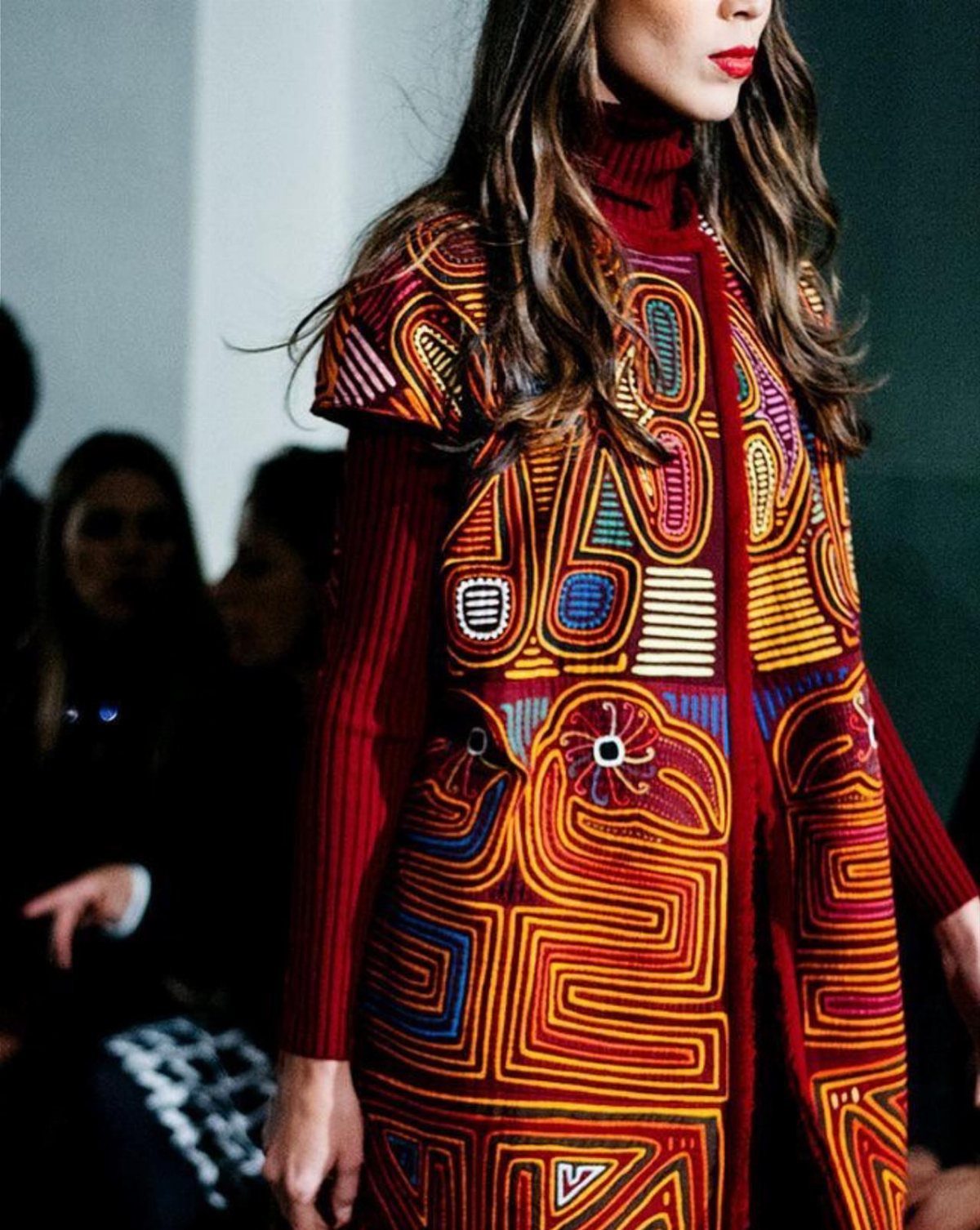
Amelia Toro studied at RISD and Parsons, then spent twenty years proving that minimalist silhouettes and indigenous textile craft belong in the same garment.
Her collections use Wayúu weaving and other ancestral techniques, but the shapes stay clean enough for a New York office.
The ethical structure matters here: artisans are employed directly, not referenced as aesthetic inspiration. That raises production costs, but the pieces last and the provenance is documented.
Distribution reaches seventeen countries, so availability depends on location; her own site ships to the US, though lead times run longer than fast fashion.
I would pick Toro for the reader building a quiet, high-quality wardrobe who also cares about supply chain transparency. The palette stays restrained, so this is not the choice for someone wanting tropical color.
For that, look at Zajar or Tcherassi instead.
3. Hernán Zajar
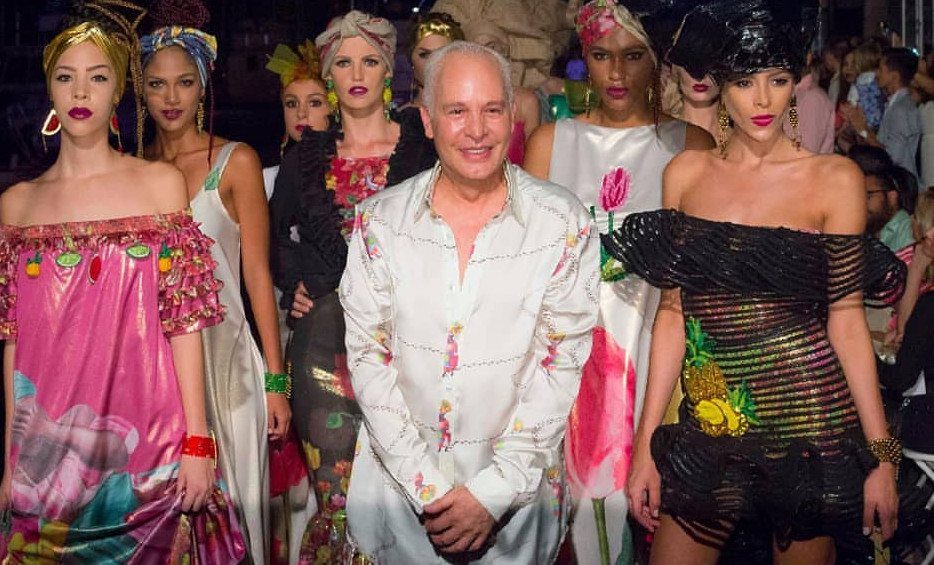
Hernán Zajar came to fashion through a side door, running a restaurant in Mompox where the fashion shows gradually eclipsed the food.
His hometown’s colonial architecture, filigree work, and Caribbean color palette now define collections shown at Colombiamoda and Cali Exposhow.
The crochet, macramé, and architectural prints read festive, and celebrity placement on Jennifer Lopez and Claudia Schiffer confirms the red-carpet potential.
I find the pieces work best when the event already carries some drama; a Zajar dress at a plain dinner party can feel like the wearer tried too hard.
Sizing and construction vary by piece because of the handwork involved. Order early if you need tailoring, and expect to pay artisan-level prices.
The brand suits the reader who attends destination weddings, gala-adjacent events, or any occasion where "too much" is the right amount.
4. Mercedes Salazar
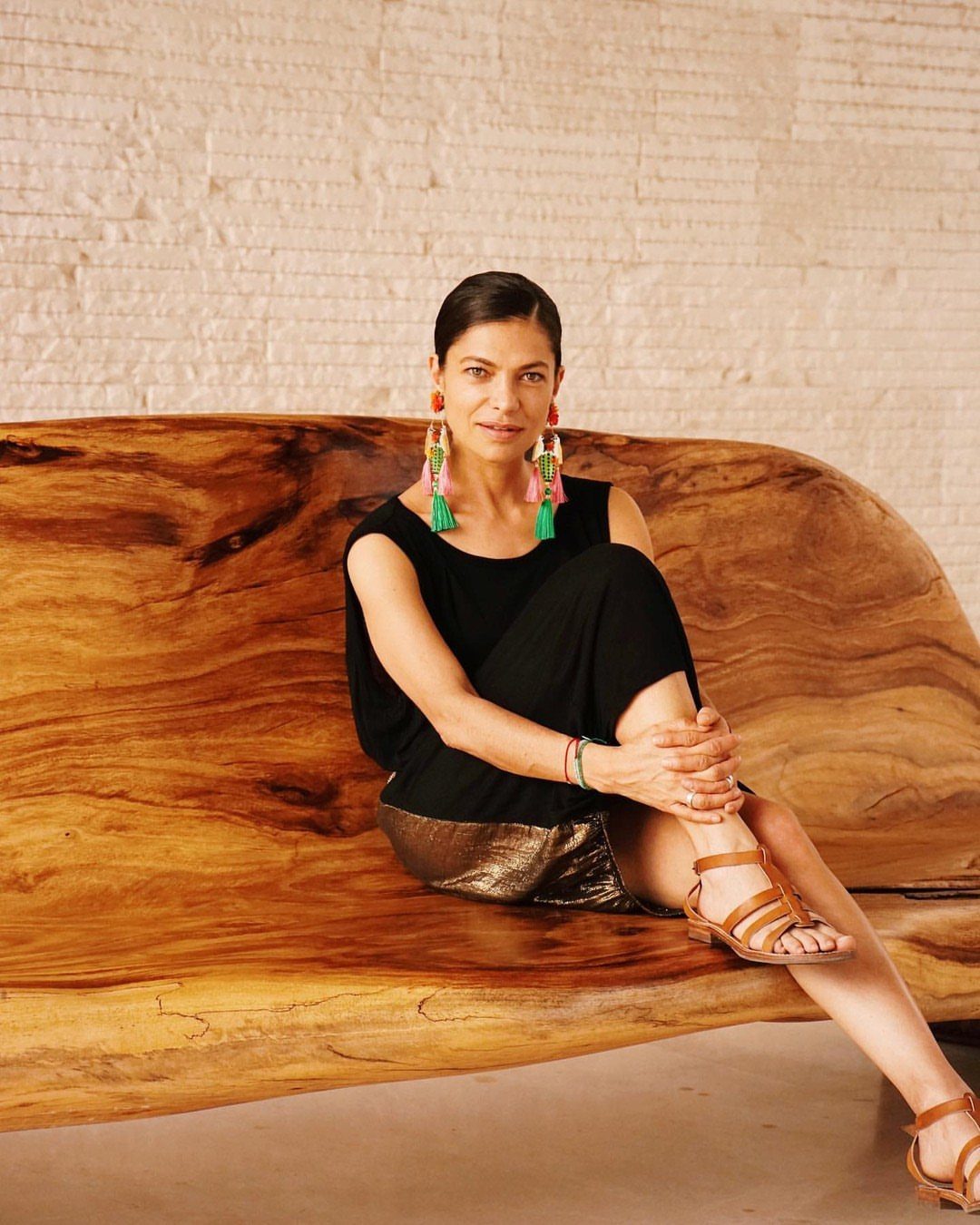
Mercedes Salazar solved a specific problem: how to add Colombian color to an outfit without replacing the whole closet. Her Bogotá workshop turns out tassel earrings, resin hair pins, and sculptural pieces that function as wearable art.
The brand built its reputation by becoming the accessory choice for Colombian clothing houses including Johanna Ortiz and Silvia Tcherassi. The price sits in that middle-to-premium band where the quality matches what you hand over.
A single pair of Salazar earrings can shift a black dress or white blouse into event territory.
I would start with the tassel or statement earring shapes if you wear your hair up or short; the scale needs visibility. For daily wear, the hair pins and smaller resin pieces read less theatrical.
Check her direct site for US shipping, as stockists vary by season.
5. De Castro
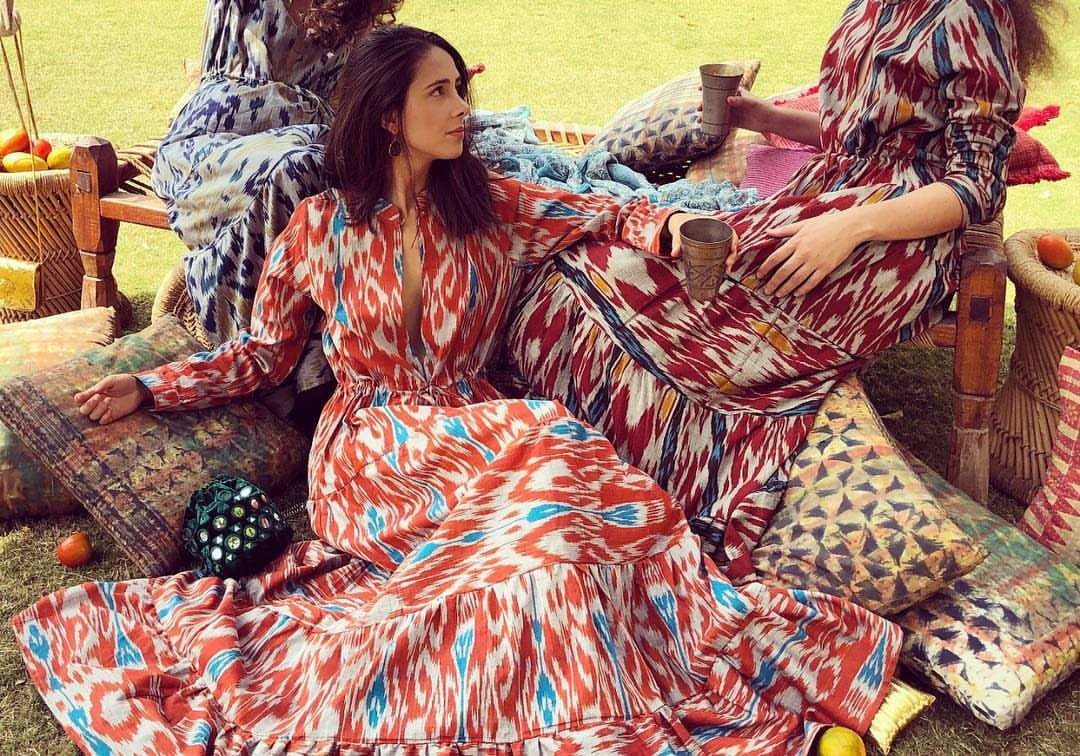
Virginia Borrero founded De Castro to merge Colombian craft with Indian ikat weaving, producing maxi dresses and flowing separates in vivid, large-scale patterns.
The brand runs on small-batch production with sustainable sourcing, which means inventory turns over quickly and restocks are not guaranteed.
The ikat technique gives the patterns a soft, feathered edge rather than crisp digital print, and the fabric tends to be lightweight cotton or silk blends suited to heat.
I find the dresses need a heel or substantial sandal; the length and volume can overwhelm a flat shoe.
Sizing runs generous, so size down if between sizes or prefer a closer fit. De Castro suits the reader who wants vacation photography pieces with actual cultural grounding rather than generic resort print.
Cultural Influences
Tropical prints, ruffles taken from pollera skirts, and color pulled from jungle and coastline repeat across decades-old leather houses in Bogotá and newer swimwear labels alike.
The sustainability thread is equally direct. Designers work with indigenous artisans to preserve ancestral techniques, using eco-leathers and handwoven textiles that redefine luxury without the usual marketing language.
Esteban Cortázar and Anciela both operate in this space, though they sit outside the main list. The result is clothing where the provenance is part of the product, not an afterthought.
Empowerment Through Fashion
Several Colombian houses make female employment central to their operation, not peripheral. Her Escuela Johanna Ortiz trains vulnerable local populations in couture-level sewing; more than 350 people have moved into economic independence through the program.
Hernán Zajar works with female and local artisans in a similar structure, bringing their work to global markets rather than treating craft as decorative reference. The economic effect is concrete: direct employment with documented provenance, not royalty-based "inspiration."
I would weigh this factor heavily if supply chain transparency matters to your purchasing. The garment’s backstory is verifiable, not claimed.
Global Presence
Digital platforms carry the same reach; the brands are no longer dependent on physical showroom placement.
The positioning is specific. These designers do not follow international trends; they reshape them with a recognizable identity and sustainable sourcing that matches what shoppers want now.
The result is placement in luxury markets where "Latin American" is no longer a novelty category but a genuine reference point.
I would check direct brand sites for US shipping rather than assuming availability through domestic retailers. Stockists vary by season, and lead times from the houses themselves run longer than fast fashion but are reliable.
Frequently Asked Questions
What is a famous Colombian clothing brand?
Silvia Tcherassi and Johanna Ortiz rank among the most recognized internationally.
Silvia Tcherassi broke ground as the first Latin American designer to show at both Milan and Paris fashion weeks, and Johanna Ortiz has since built the bigger celebrity archive; her pieces have turned up on Michelle Obama, Beyoncé, Shakira and Meghan Markle.
For mass-market chains inside Colombia, Studio F and Arturo Calle dominate retail.
Who are the top 5 fashion designers?
Silvia Tcherassi, Johanna Ortiz, Hernán Zajar, Haider Ackermann, and Amelia Toro make up the most cited group. Tcherassi and Ortiz lead on global runway presence and celebrity placement.
Zajar built his name through Colombiamoda and Cali Exposhow with Caribbean-influenced occasion wear. Ackermann, though Belgian-born, carries Colombian roots in his work.
Toro stands out for pairing minimalist silhouettes with indigenous Wayúu weaving and documented artisan employment.