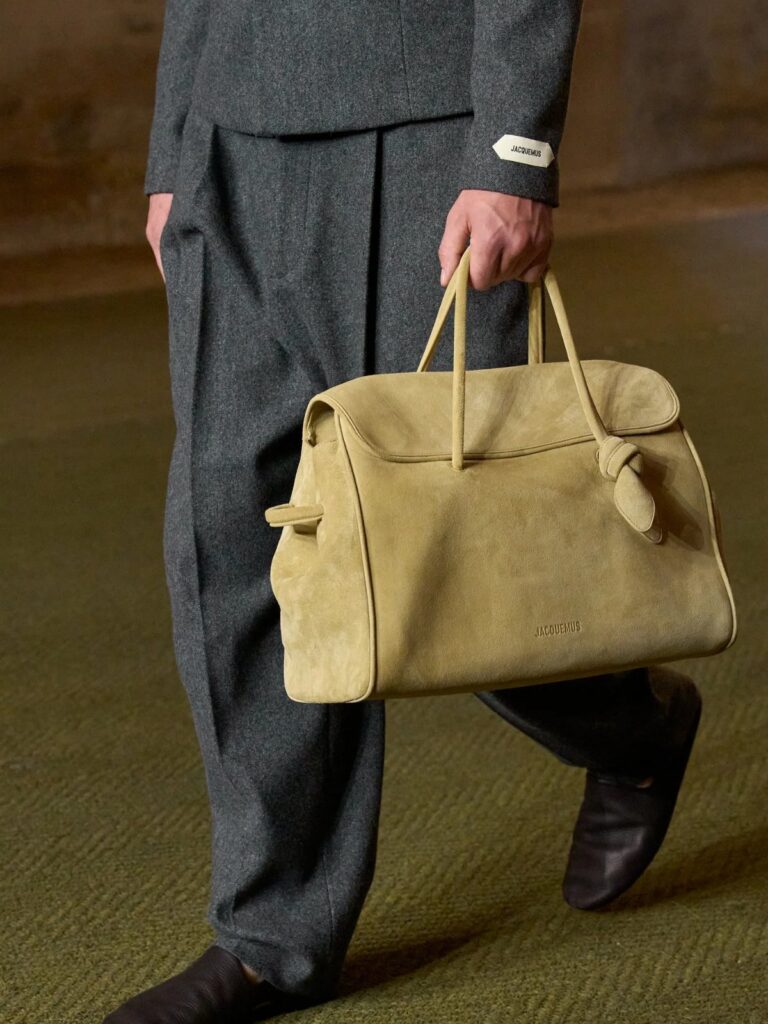
French fashion design runs from Coco Chanel’s little black dress to a Jacquemus micro-bag, and the deciding factor is how much you want the piece to speak for you.
A Jacquemus cropped blazer stays quiet enough for daily wear; a Thierry Mugler structured jacket announces itself across the room.
The red sole on a Christian Louboutin pump started as a grab for an assistant’s nail polish, a detail that now signals immediate recognition from red carpet shots alone.
1. Coco Chanel
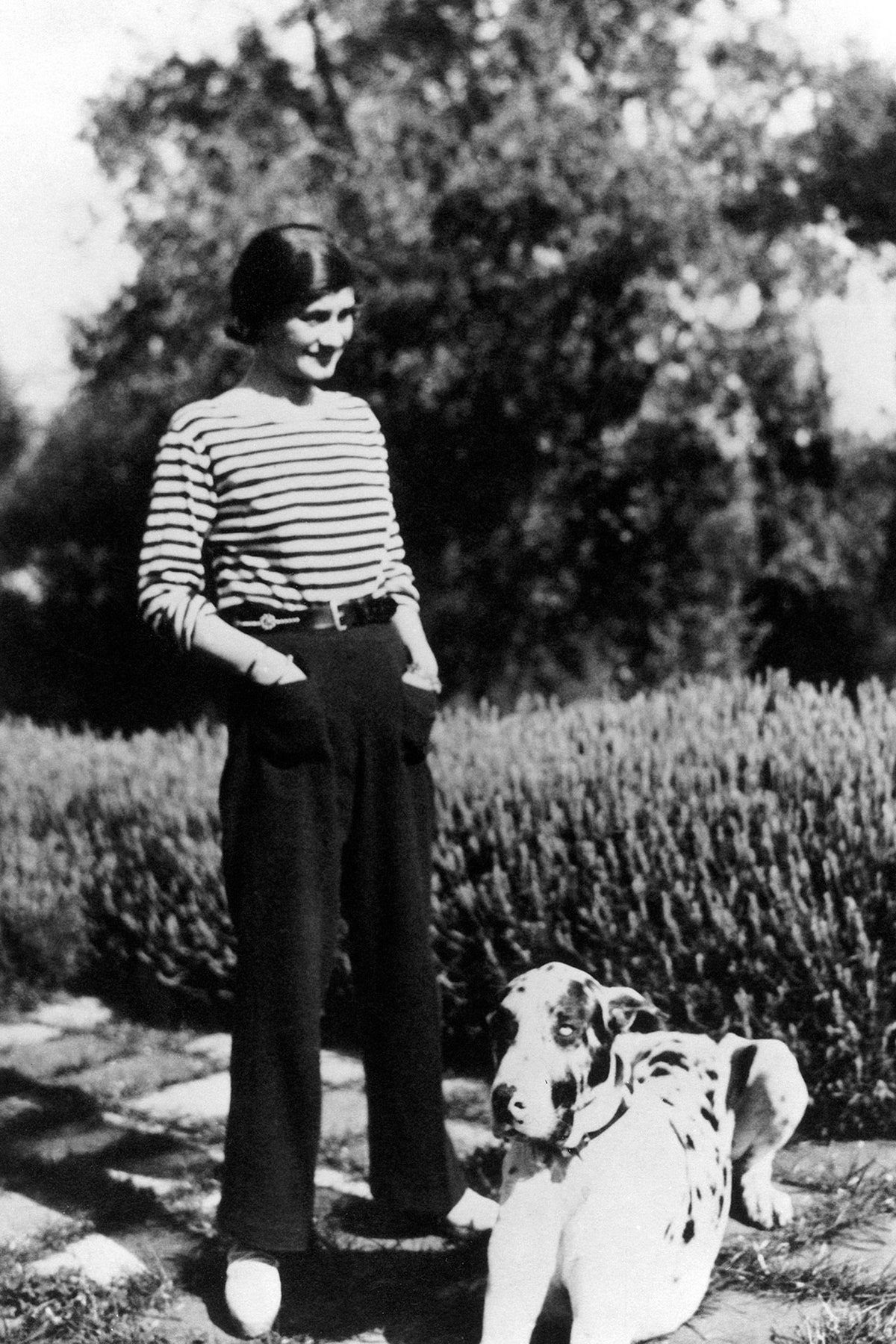
Gabrielle Chanel took menswear fabrics and cuts and handed them to women as everyday options, a move that still shapes how a striped shirt and dark trousers work together.
The little black dress, the Chanel suit, and Chanel No. 5 came out of that same instinct, what she called luxury that feels like freedom.
For a reader building a wardrobe that works across occasions, this is the template. A fitted jacket in tweed, a clean-lined dress in black, a signature scent you stay with for years.
The investment is steep; a vintage piece or a well-kept secondhand bag gets you the silhouette without the markup.
2. Jean-Paul Gaultier
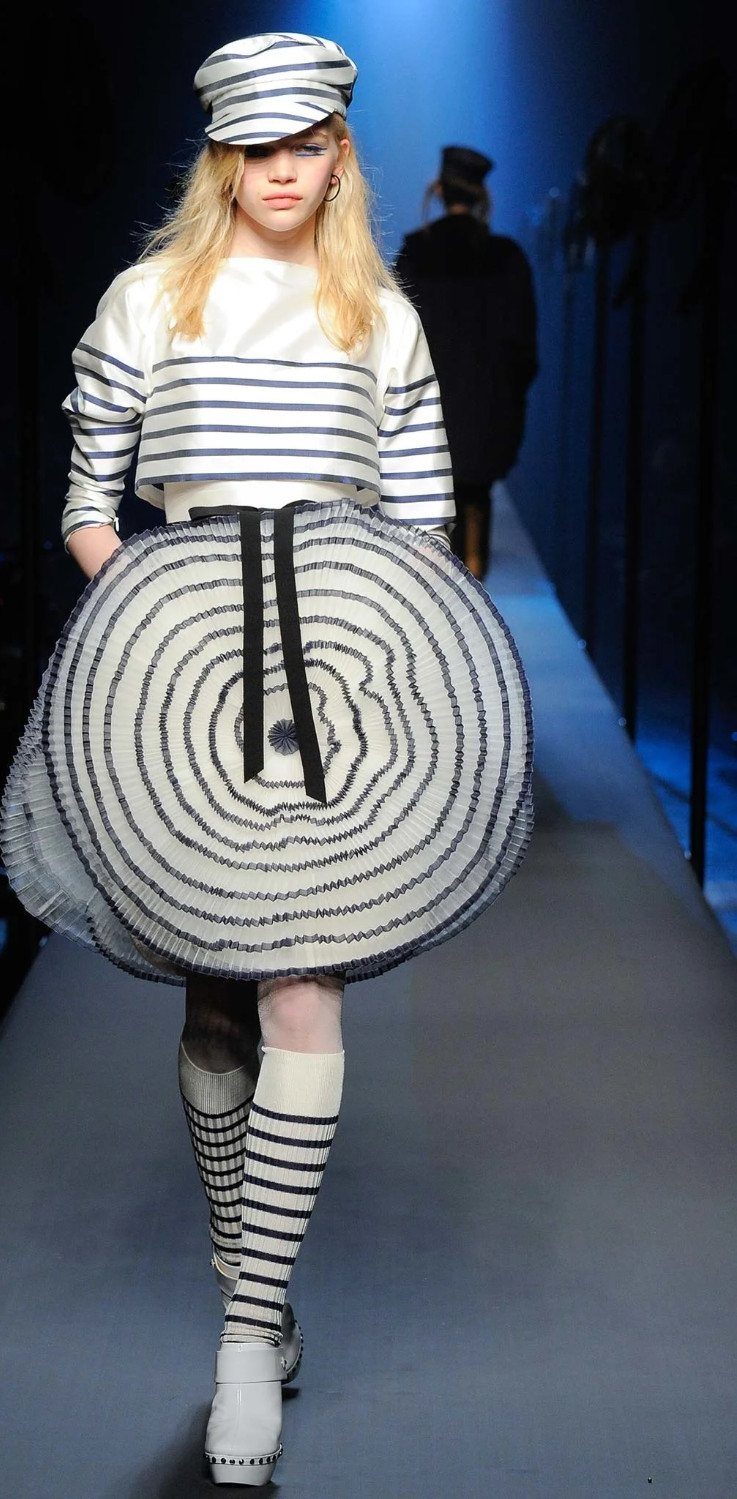
A sailor stripe runs through this whole look, from cap to socks, and that repetition is the point. Jean-Paul Gaultier built his 1976 debut collection on exactly this kind of uniform reference, pushed until it turned strange.
The cone bra he built for Madonna came from the same impulse, taking an undergarment and making it outerwear and armor at once.
He never trained formally; he sent sketches to designers as a teenager and landed at Pierre Cardin at 18. The punk and gender-blur elements that read as provocative were, for him, just logical next steps.
For a reader who wants one piece that carries an outfit, a striped knit or a sharply cut blazer in navy and white does the work without the full runway commitment.
The risk is costume; the win is choosing one Gaultier move and letting everything else stay quiet.
3. Pierre Balmain
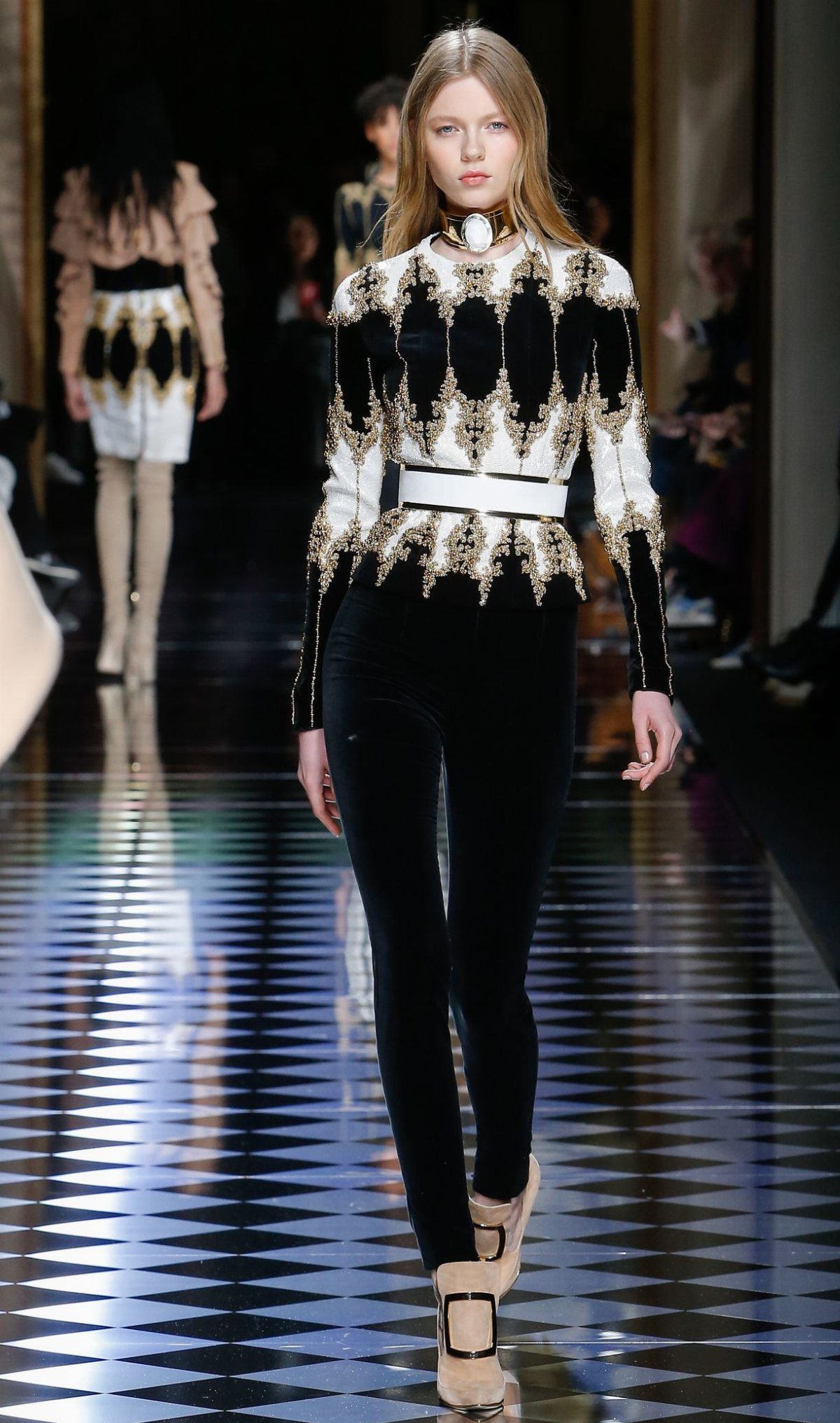
A defined silhouette sitting at the waist with a wide belt is what Balmain built his house on, and it still reads as power and polish.
After training in architecture and working under Lucien Lelong alongside Christian Dior, Pierre Balmain opened on Rue François 1er with evening wear that emphasized structure and impeccable finishing.
The peplum flare and ornate detailing here are signature moves, though a reader working with a smaller budget might look to the tailoring rather than the embellishment. A sharply fitted jacket, a high waist, clean trousers.
The current house under Olivier Rousteing runs tighter and shorter, but the core offer is the same: clothes that read as expensive from across a room.
Balmain pieces demand posture and heels; comfort is not what they are built for. For day-to-day, I’d take the tailoring language and leave the full evening drama.
4. Louis Vuitton
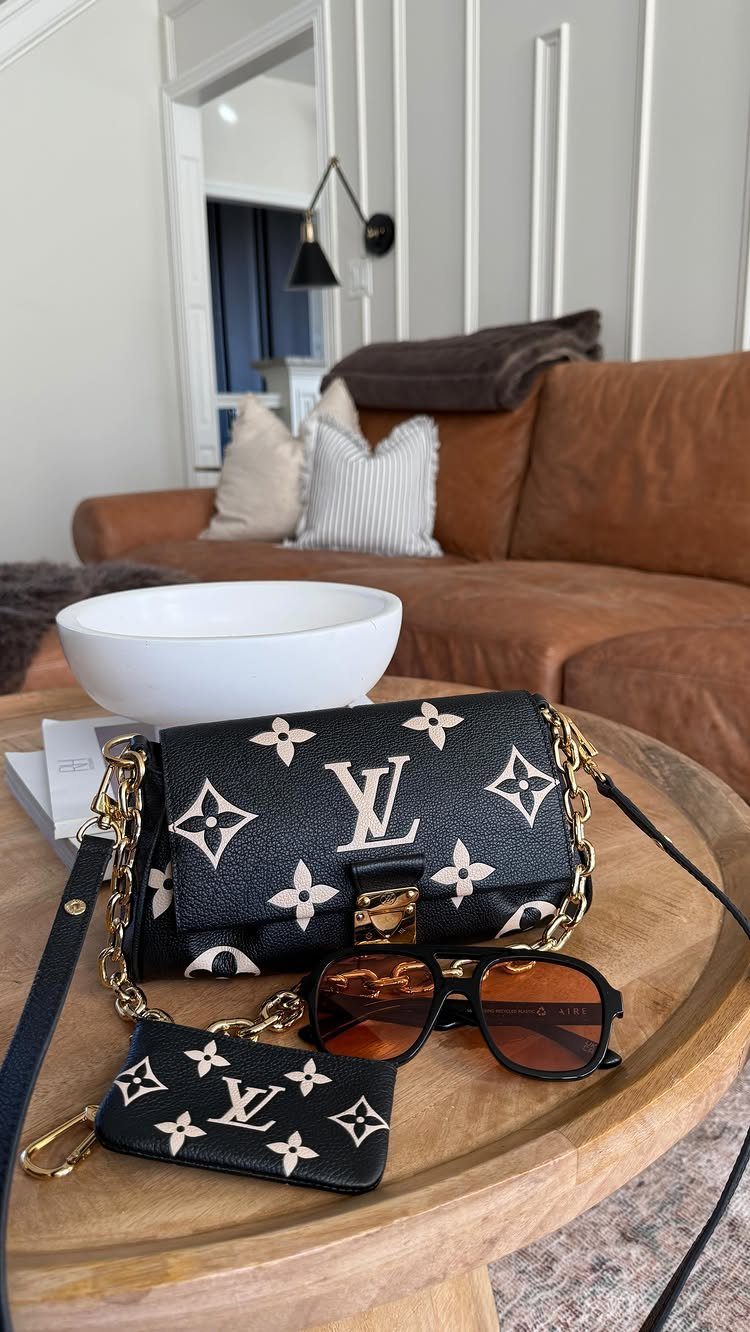
The monogram on this bag and pouch was designed to foil counterfeiters after the trunk business grew from its Paris opening.
The interlocking LV and four-leaf pattern started as practical branding; it became the most recognizable leather goods marking in the world.
A reader investing here should understand what the brand actually sells: construction that outlasts trends, plus resale value that holds better than nearly any competitor. The canvas is lightweight and hard-wearing; the leather trim darkens and softens with age.
Nicolas Ghesquière’s ready-to-wear has added directional fashion credibility, but the core purchase remains a bag you carry until it softens and darkens with age.
The cost is serious, and the monogram announces itself. For quieter presence, the Epi leather line carries no logo at all.
5. Thierry Mugler
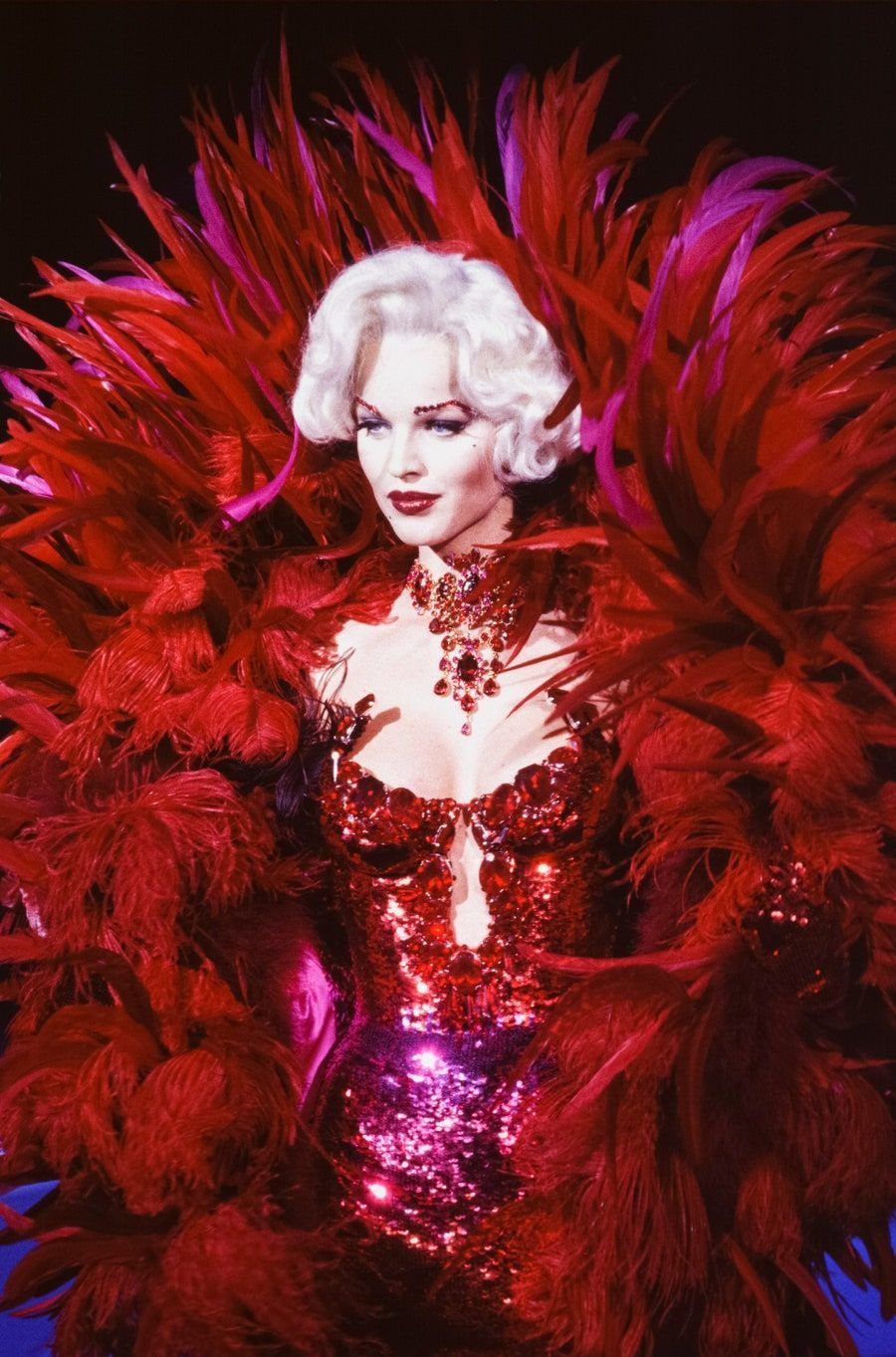
Red sequins and a feather collar that frames the face like a halo show exactly why Mugler’s work reads as costume and high fashion simultaneously.
He launched Café de Paris and later opened his first boutique at Place des Victoires, building a vocabulary of cinched waists, metallic hardware, and sculptural shoulders that defined power dressing at its peak.
His menswear debut came the same year as that boutique, and his stage costumes for David Bowie in 1979 spread his theatrical reach. The ready-to-wear that followed was expensive, austere, and dramatic, strong color without busy pattern.
For a reader drawn to this energy, one piece suffices. A sharply cut blazer, a corset belt, a single sculptural accessory.
The full look requires an occasion; the single element upgrades jeans and a black top into something deliberate.
6. Christian Louboutin
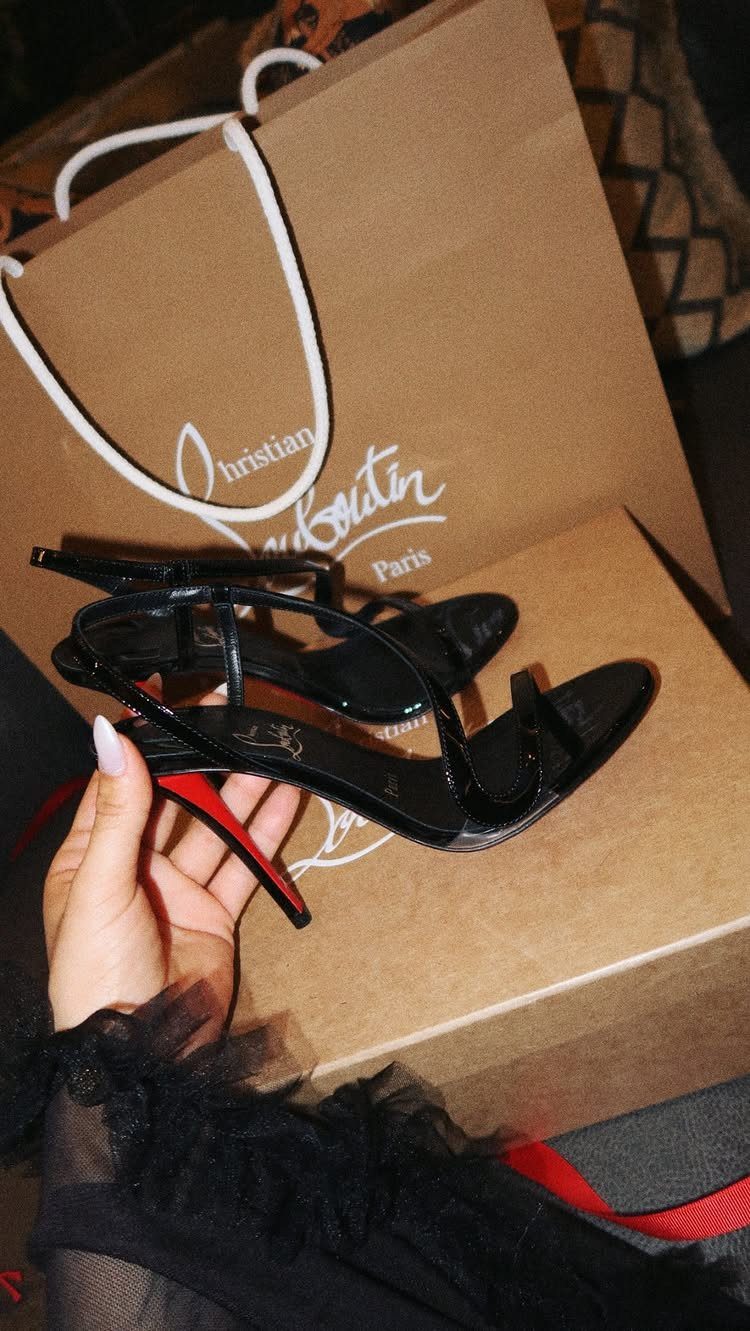
The red sole visible on this sandal started as an accident. Christian Louboutin grabbed an assistant’s red nail polish and painted a prototype sole to balance a black shoe, a moment born from instinct rather than planning.
The color stuck, and a major Neiman Marcus order turned it into a signature recognized from red carpet shots alone.
His training ran through Charles Jourdan, Maud Frizon, and Yves Saint Laurent before his own shop near Place des Victoires drew celebrity traffic with free coffee and exclusivity.
The stiletto architecture, learned partly from Roger Vivier’s influence, keeps the heel slim and the weight forward.
A reader buying here pays for craft and recognition both. The 4-inch and up heights dominate the line; lower options exist but feel like afterthoughts.
For maximum wear per dollar, a black patent pump in a moderate heel height works across occasions and photographs the same way the tallest stiletto does.
7. Hermès
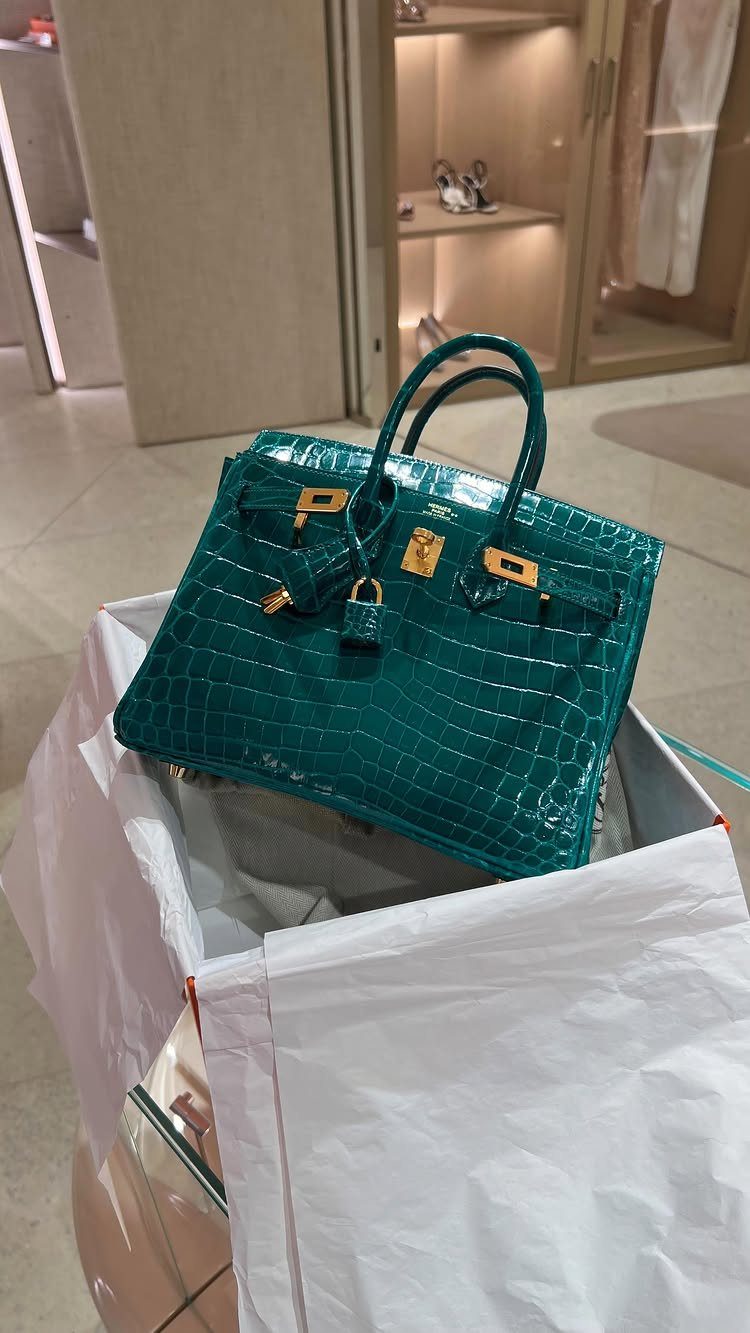
A harness workshop opened on the Grands Boulevards in 1837 and still sets the standard for leather goods nearly two centuries later.
Thierry Hermès built his name on saddles and bridles for European noblemen; by the 1930s, the house had produced the Sac à dépêches, later renamed the Kelly bag after Grace Kelly used hers to shield her pregnancy from photographers.
The Birkin and Kelly bags remain the most visible entry points, though their price and waitlists put them out of reach for most buyers.
Silk scarves offer a more accessible path into the house, with hand-rolled edges and prints that reference equestrian gear, botanical drawings, or architectural maps.
A 90-centimeter carré works tied at the neck, wrapped around a bag handle, or folded into a headband.
For someone building a wardrobe of pieces that outlast trends, a single Hermès scarf in a neutral palette earns its cost per wear.
The leather goods reward patience and a relationship with a particular boutique; the scarves reward only a good eye for color.
8. Jacquemus
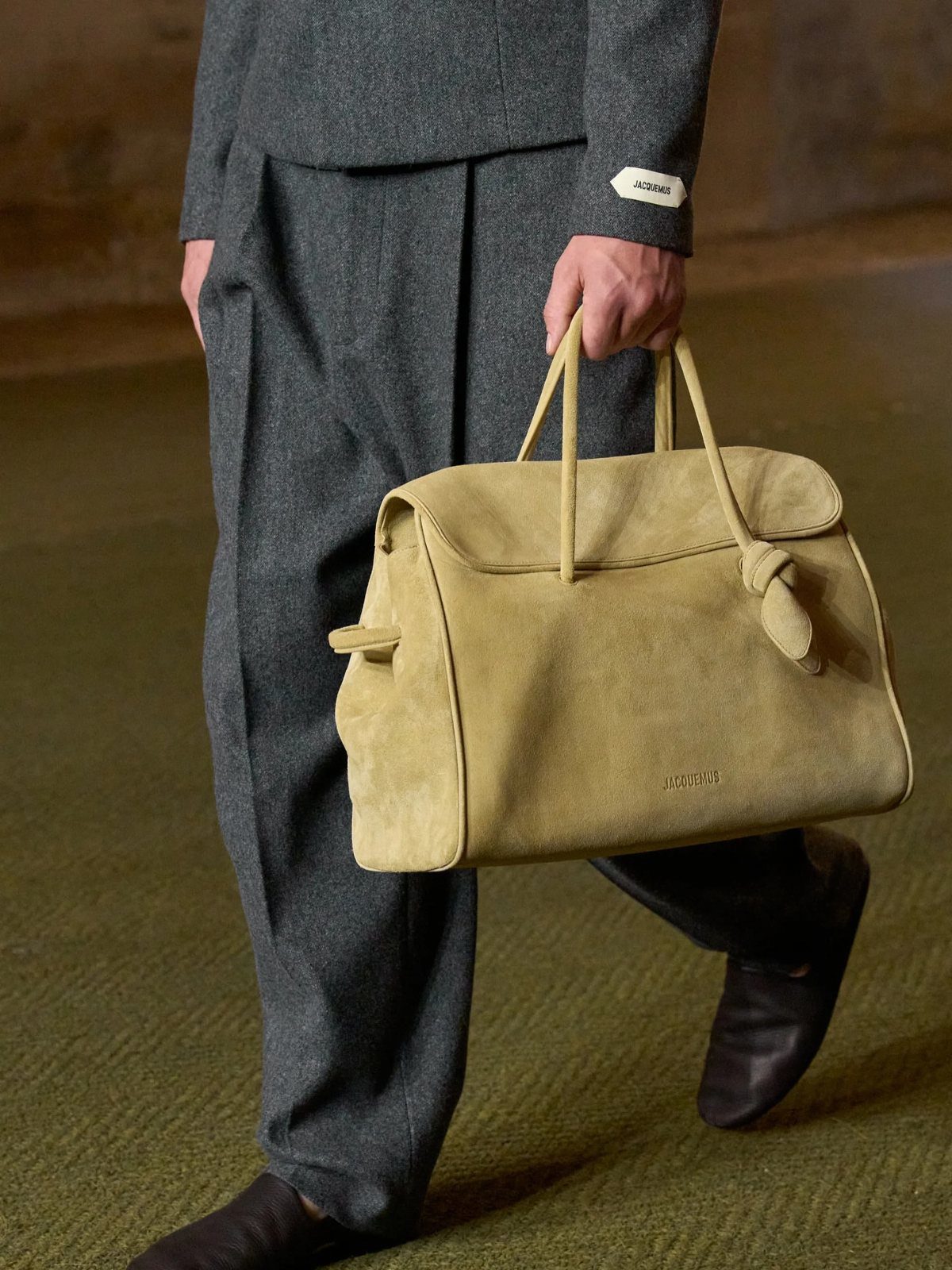
Simon Porte Jacquemus named his label after his mother and built a brand identity around the light and open spaces of rural Provence.
Sun-bleached wheat fields and coastal roads appear in campaign imagery; the clothes themselves balance that atmospheric narrative with shapes that photograph dramatically and wear more simply than runway staging suggests.
Le Chiquito bags have cycled through miniature and oversized iterations, but the sharply cut blazers and relaxed linen pieces hold more practical value.
A cropped blazer in a muted tone works with trousers you already own; an open-knit dress layers over a swimsuit or under a coat depending on the season.
The straw hats and sculptural footwear read as vacation purchases, though the tailoring travels better.
Sizing runs small by American standards, so order up if you are between sizes. The brand suits someone who wants French fashion without the solemnity of heritage houses; the construction does not always justify the price.
I would put budget toward the blazers and linen, and borrow the drama through accessories.
9. Courrèges
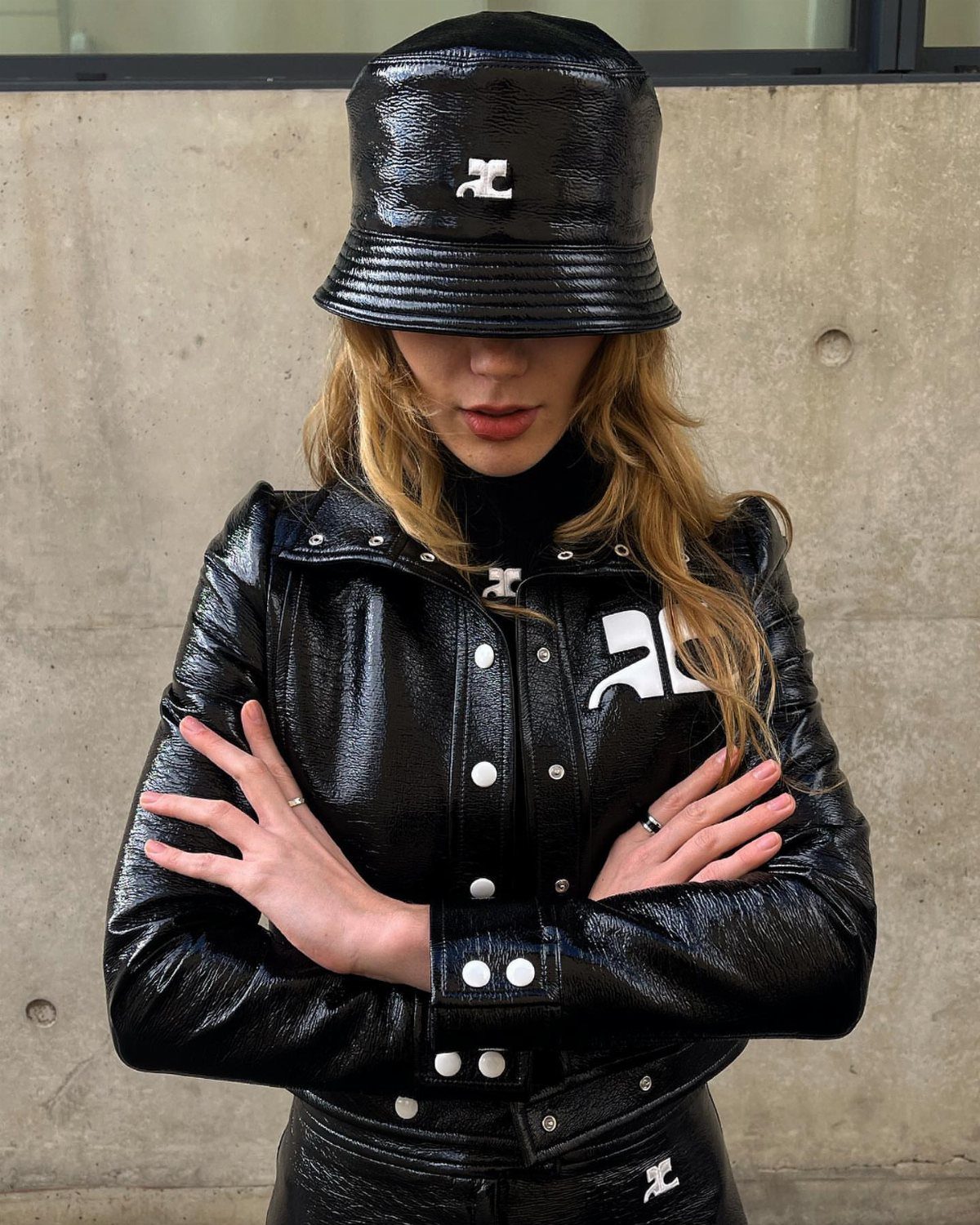
André and Coqueline Courrèges opened their house in 1961 and helped define the 1960s as fashion’s Space Age moment: short hemlines, white vinyl, boots, and geometry that looked built rather than sewn.
The original codes were optimistic and clean; under Nicolas Di Felice, the house has sharpened them toward something more suited to contemporary nightlife.
The vinyl jackets and fitted ribbed tops connect most directly to the archival identity.
A Courrèges jacket in black patent leather or glossy vinyl reads as recognizably French luxury without the quietness of Lemaire or the obvious branding of Jacquemus.
Circular cut-outs and asymmetric closures add provocation to minimal silhouettes; the effect is concealment from the front, exposure as you move.
This is French luxury for someone who wants to be noticed rather than assumed wealthy. The 1960s pieces trade comfort for statement; the revived house keeps some of that rigor.
I would size carefully on the fitted pieces and consider the vinyl as evening or event dressing rather than daily wear.
10. Lemaire
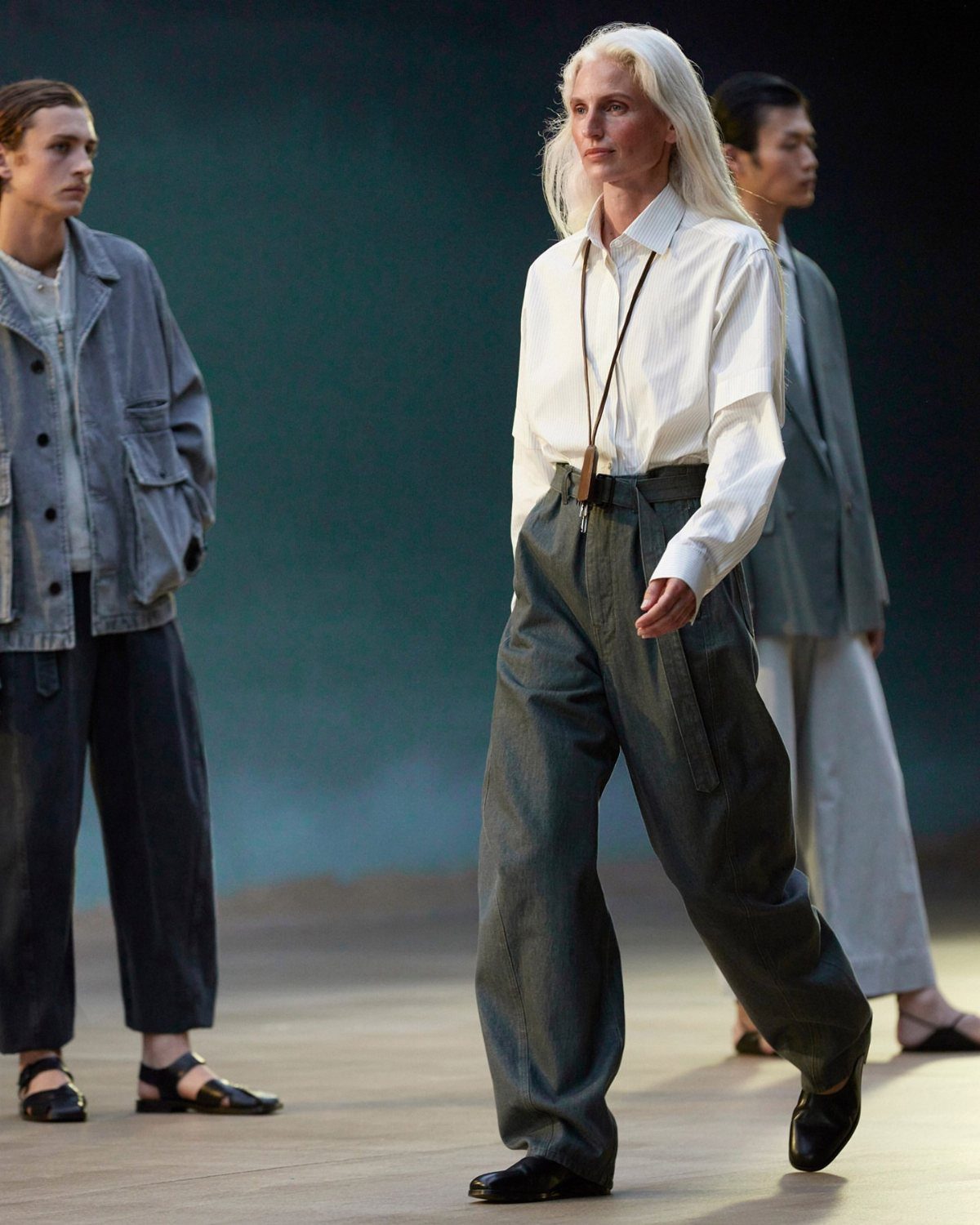
Christophe Lemaire founded his house in 1991; Sarah-Linh Tran joined later and the two have built a label around proportion, texture, and movement rather than logos or seasonal novelty. Colors run to tobacco, clay, charcoal, cream, and muted green.
The Croissant bag has become the most recognizable accessory, a soft crescent shape in leather that molds to the body.
Outerwear and relaxed tailoring remain the stronger investment; a Lemaire coat in a neutral tone earns its cost through repeated wear without visual fatigue.
Construction relies on subtle detail rather than obvious distinction, so the pieces reward someone who looks closely and wears slowly.
This suits the reader shifting from quantity to quality, building a wardrobe across years rather than seasons. Sizing is generous and forgiving; nothing here announces itself immediately.
I would start with trousers or a coat, add the bag if the silhouette appeals, and trust that the distinction becomes visible with time.
French Fashion History
Paris became the center of dressmaking in the 1600s, and the system built then still shapes how luxury operates.
By the time Chanel, Dior, and Hermès opened, the city already had guilds, fabric suppliers, and clients trained to expect hand-finished construction.
The haute couture label still requires made-to-measure collections shown on live models, a standard that keeps that level of craft visible even when most buyers never order a custom piece.
What matters for someone building a wardrobe now is that this history created infrastructure. Tanneries, ateliers, and pattern archives survive because the houses support them.
Fashion Weeks in Paris
Paris holds the women’s and men’s ready-to-wear shows that structure the industry calendar worldwide. Buyers and editors travel in for ready-to-wear in February/March and September/October; couture shows run in January and July.
The density of French houses, from Jacquemus to Hermès, means a single week can cover both emerging direction and established archive references.
Release scheduling is the practical effect for anyone watching from outside the industry. Collections shown in September hit retail by February; what reads as trend forecasting is often advance notice of what will be available to buy.
The French houses use this visibility to set the year’s color stories and proportions, which then filter to contemporary and mass labels.
Attendance is invitation-only, but photography and video coverage have made the shows public events. The street style outside carries as much influence as the runway inside.
Influence on Global Fashion
French fashion’s global reach rests on a combination that few other markets match: technical training, centralized production, and houses with enough history to treat their own archives as source material rather than museum pieces.
Courrèges updates 1960s geometry for current nightlife; Chanel reissues jacket patterns from decades past with fabric changes that keep them wearable.
The ecosystem also helps.
For someone building a wardrobe, the transferable skill is attention to proportion and material over logo. The French approach treats a pair of trousers or a coat as seriously as an evening piece, and invests construction accordingly.
Lemaire’s neutral palette or a single Hermès scarf operate on this principle: visible quality without immediate brand recognition.
Frequently Asked Questions
Who are five famous French fashion designers?
Coco Chanel, Christian Dior, Jean-Paul Gaultier, Yves Saint Laurent, and Hubert de Givenchy rank among the most influential. Chanel built modern womenswear from menswear cuts and invented the little black dress as everyday dress code.
Dior’s 1947 New Look redefined postwar silhouette with cinched waist and full skirt. Each of these names shaped how clothes signal status, freedom, or rebellion rather than merely covering the body.
Who are the top 10 fashion designers?
The most historically significant French designers include Coco Chanel, Christian Dior, Yves Saint Laurent, Hubert de Givenchy, Jean-Paul Gaultier, Pierre Balmain, Louis Vuitton, Thierry Mugler, André Courrèges, and Christophe Lemaire.
Rankings vary by whether one measures commercial reach, technical innovation, or cultural influence. Chanel and Dior changed how women dressed daily; Gaultier and Mugler treated clothing as provocation and armor.
Lemaire represents a quieter contemporary path, building distinction through proportion and material rather than logo.