Italian luxury fashion runs from Dolce & Gabbana’s baroque excess to Bottega Veneta’s quiet weave, with stops at Ferragamo’s architecture and Fendi’s fur-and-leather hybrids.
The right house depends on what your frame actually needs: Versace’s corseted drama, Fendi’s structured bags with compartments that actually close, or the half-tuck sprezzatura that looks accidental because the linen cost enough to crumple beautifully.
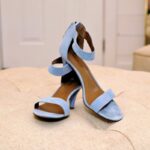
The Vara bow flat Salvatore Ferragamo designed still comes in mesh for women who walk concrete.
1. Dolce & Gabbana
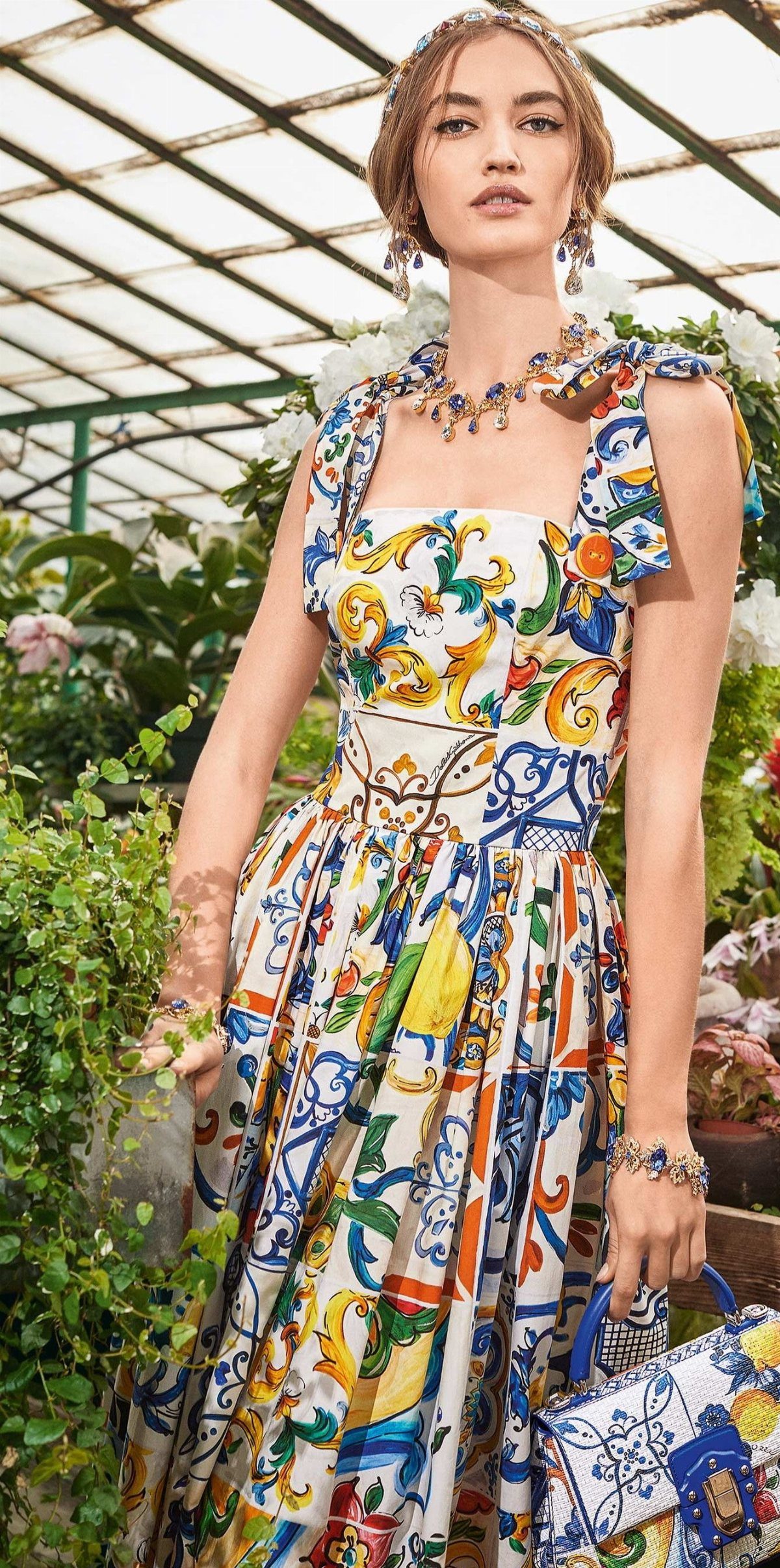
Dolce & Gabbana turns Sicilian tradition into clothing that performs. The majolica prints, the corsetry, the gold-tone hardware; these are techniques the house developed since 1985, not borrowed references.
A sundress in that ceramic pattern works for a woman who wants one piece to carry an entire evening.
I would pick the Sicily bag in a smaller size for daily use, since the structured silhouette reads formal at full scale. The Alta Moda line, launched in 2012, offers couture construction if off-the-rack fit never quite works for your frame.
For women between sizes, the adjustable corsetry matters more than the print.
2. Ferragamo
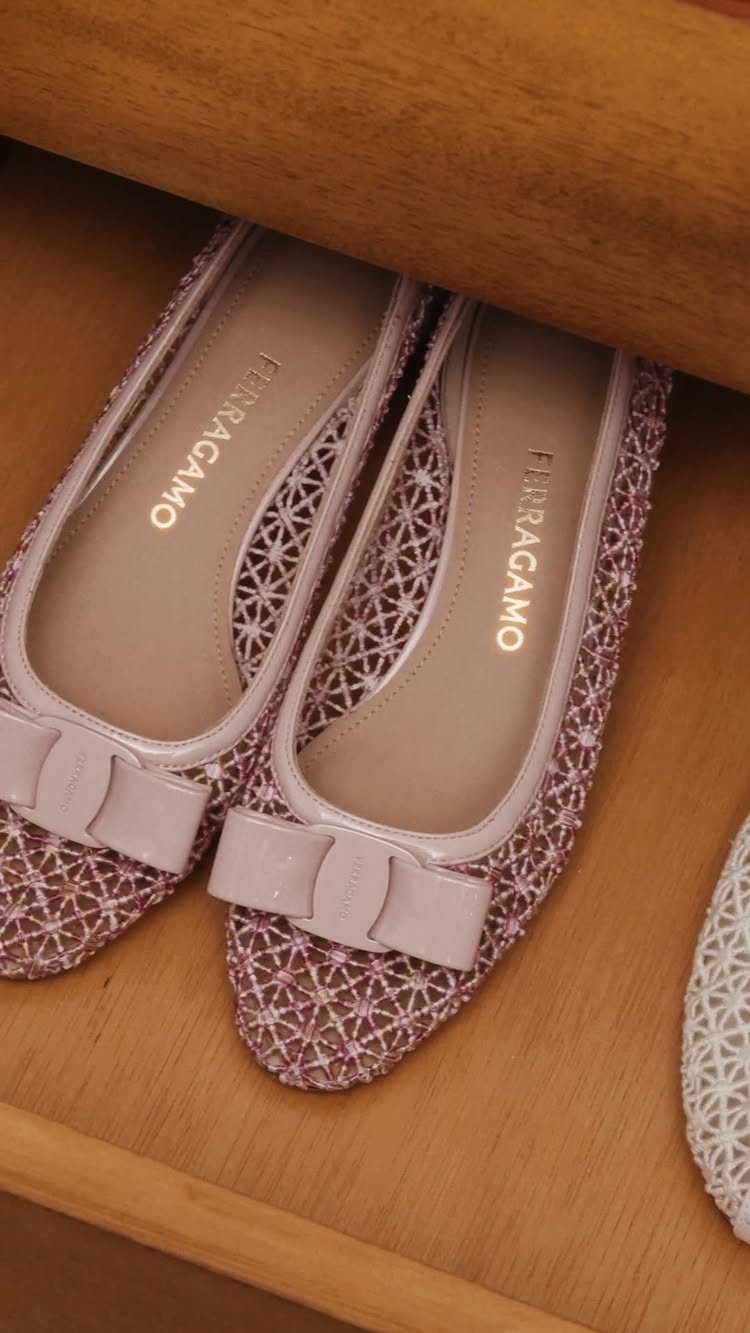
Salvatore Ferragamo made his sister’s communion shoes from white leather as a child, then spent years fitting Hollywood feet before returning to Florence to open his house.
That biography explains why the Vara bow flat still feels like a character piece rather than a basic. The grosgrain bow and Gancini buckle read as costume on narrow feet, proportional on wider ones.
I find the mesh ballet versions more versatile than the patent leather for women who walk concrete. Since Maximilian Davis took over, the ready-to-wear has tightened; the shoes remain the house’s reliable entry point.
3. Milan as Fashion Capital
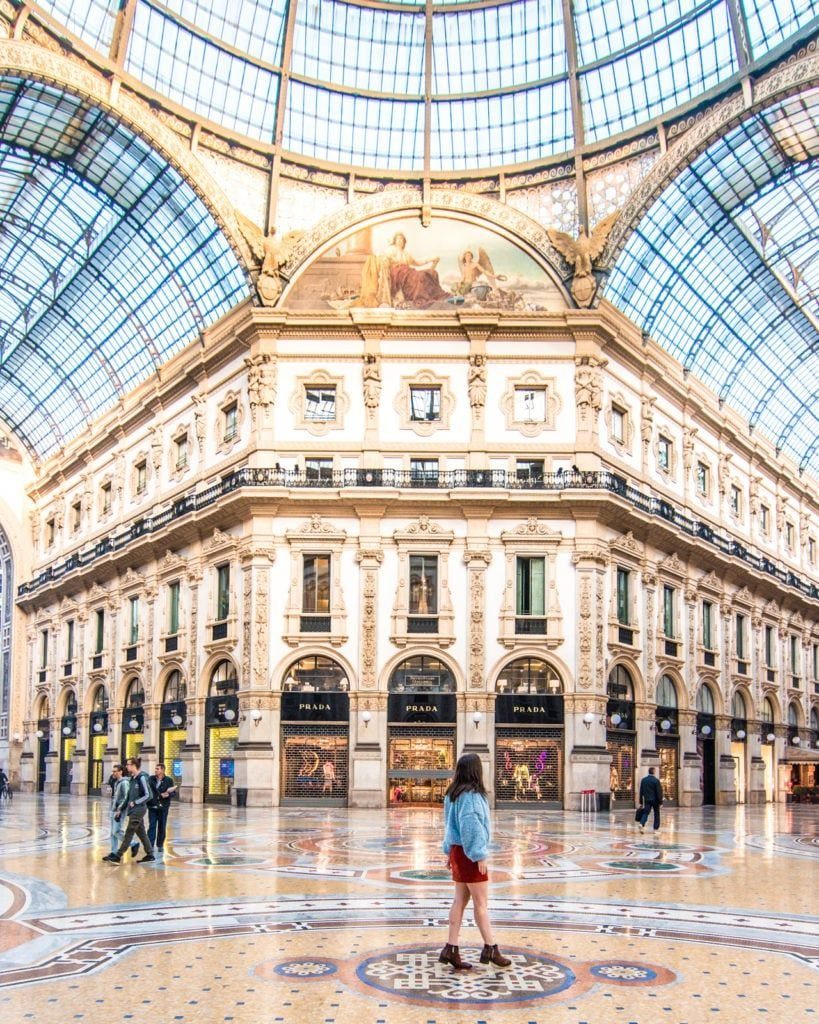
Milan earned its status through prêt-à-porter, not haute couture. Giorgio Armani built his empire here by softening the male suit silhouette; Prada established its intellectual, almost anti-luxury vocabulary in the same streets.
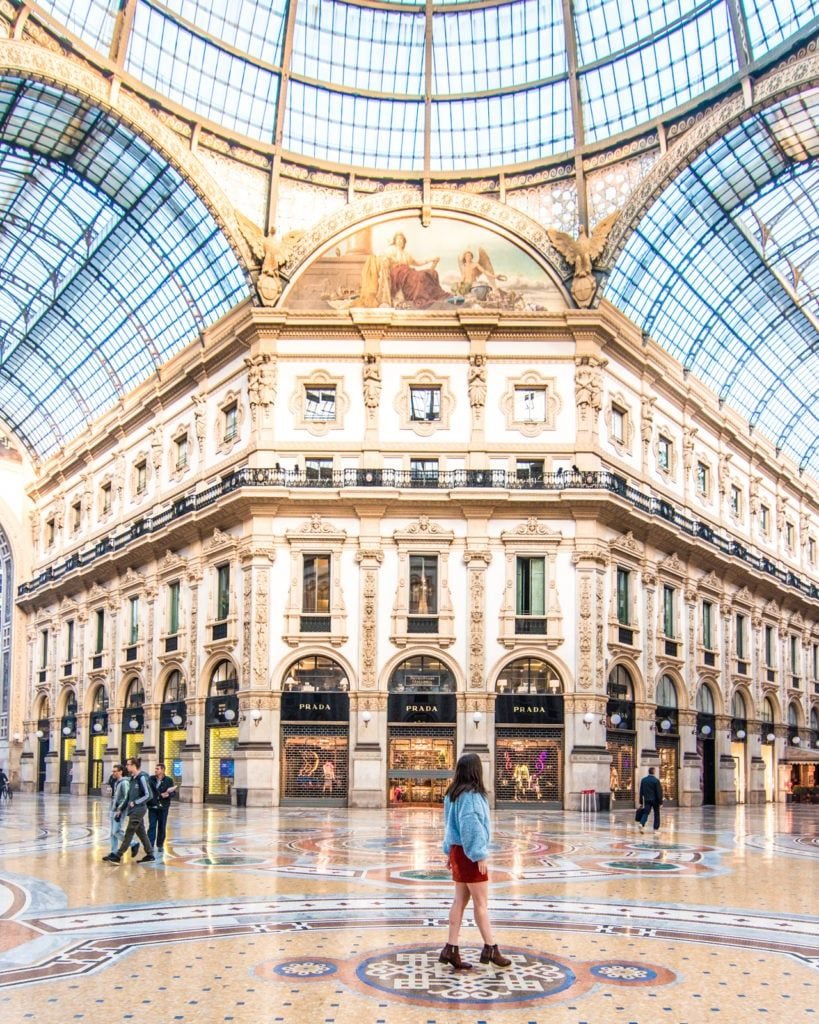
The Quadrilatero della moda, bounded by Via Montenapoleone and Via della Spiga, functions as a walkable showroom where you can compare Italian houses against international flagships in a single afternoon.
For a woman planning a buying trip, I would schedule around the fashion weeks in February and September, but arrive a week after.
The crowds thin, the fall collections hit floor, and the Galleria Vittorio Emanuele II still offers the same light through its glass dome without the press crush.
4. Luxury Sportswear
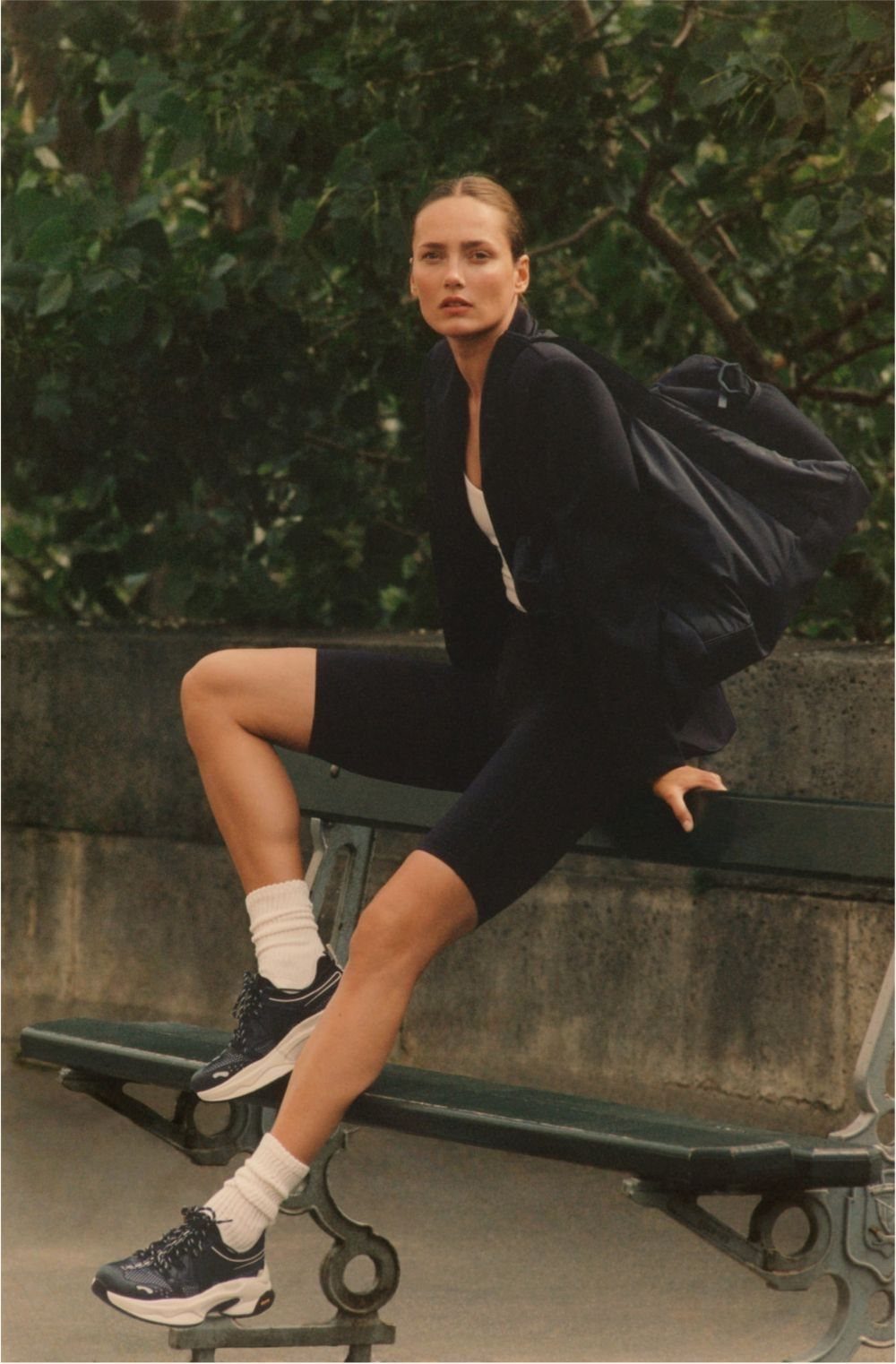
Luxury sportswear works when the technical piece costs more than the tailored one. A blazer over cycling shorts with chunky sneakers signals that the shorts were deliberate, not gym-bound.
Gucci and Prada both produce lines in this territory, though the construction differs: Gucci tends toward logo density, Prada toward nylon innovation.
I would invest in the sneakers and the bag, go mid-range on the shorts, since the silhouette changes seasonally.
The look suits women with defined calves and narrow hips; on wider frames, the shorts length becomes critical, ending exactly where the thigh begins to narrow.
5. Fendi
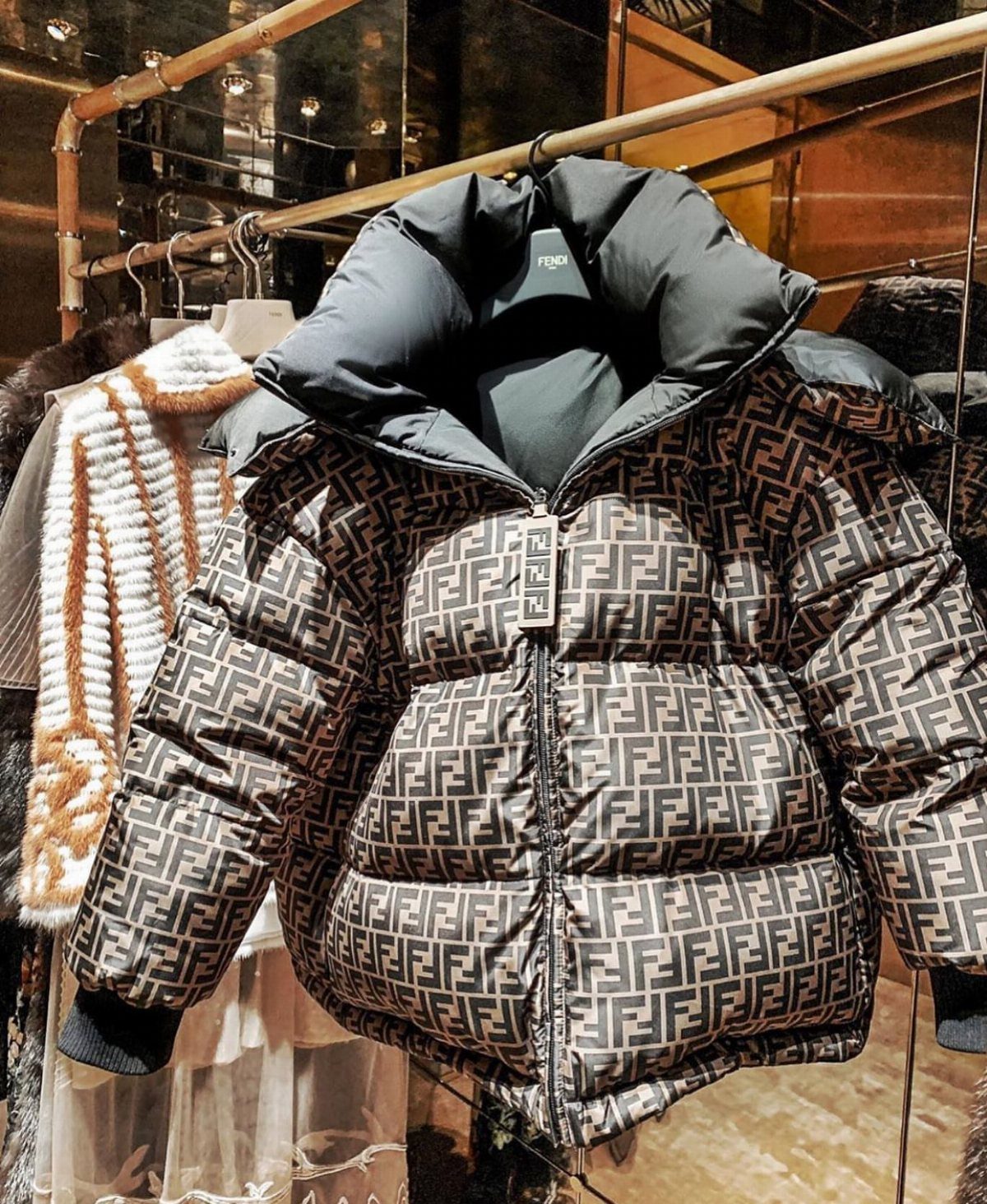
Adele and Edoardo Fendi opened their Roman fur atelier nearly a century ago, and the house still earns its reputation on material mastery rather than trend.
The Baguette, made famous by Sex and the City, works cross-body for smaller frames; the Peekaboo’s structured compartments suit anyone who carries actual documents.
I prefer the newer Fendi Way hobo for travel, since the open top means nothing to unzip.
For women considering a first Fendi piece, the monogram puffer visible here offers more wear per dollar than a seasonal bag; the pattern reads identically in Tokyo or Texas, and the construction holds through dry cleaning.
6. Versace
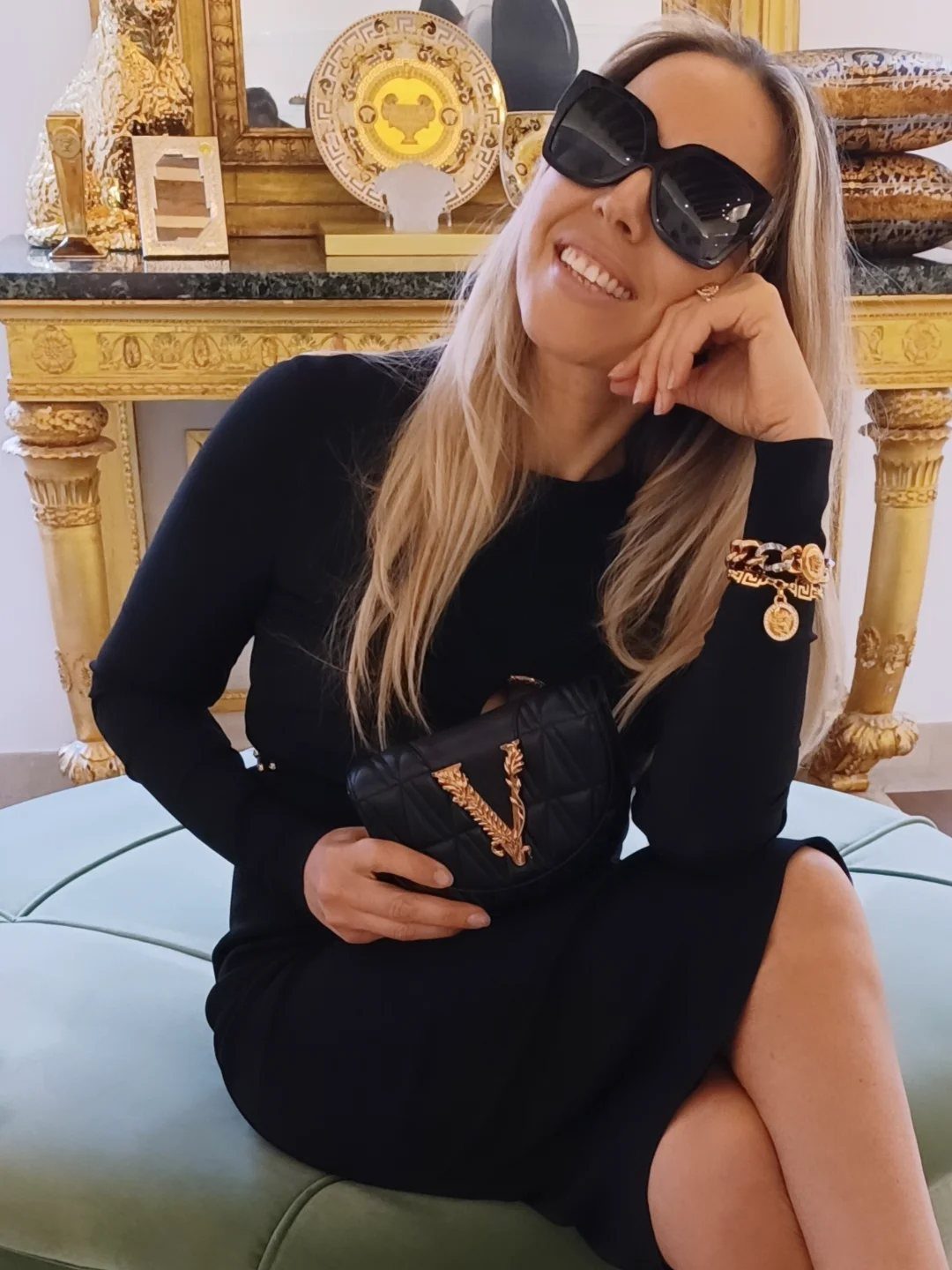
Gianni Versace founded his house in 1978 and dressed Elizabeth Hurley in safety pins before most designers risked such direct hardware.
The Medusa emblem, the baroque prints, the jungle-green silk chiffon that Jennifer Lopez wore to the 2000 Grammys; these are not archive references but living vocabulary that Donatella Versace continues to deploy.
A quilted black bag with gold V hardware functions as a day-to-evening piece for women whose dress code permits obvious logos. I would reserve the baroque prints for evening or vacation, never for a first meeting.
For women who find the house’s history too loud, the Atelier Versace line offers the same construction in quieter fabrics.
7. Bottega Veneta
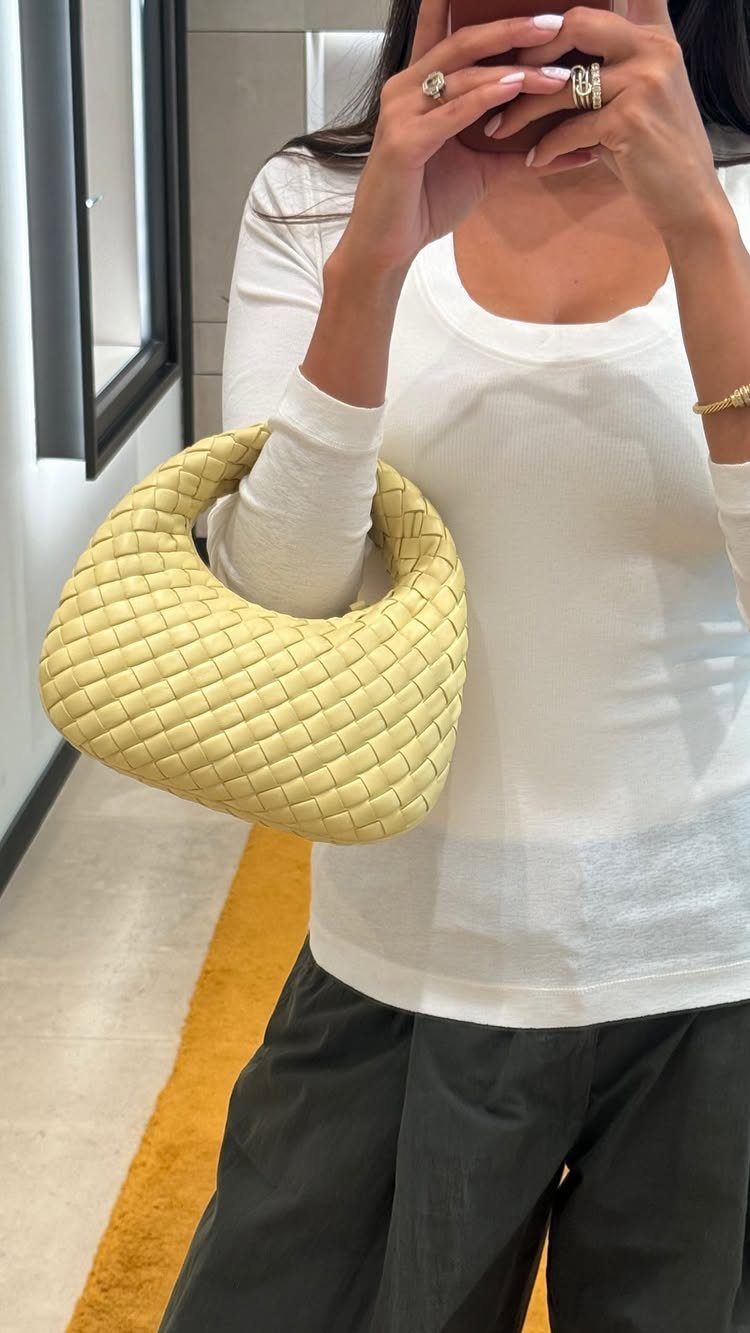
Bottega Veneta built its name on leather strips woven by hand into the Intrecciato pattern, a technique that reads as texture rather than logo.
The Jodie bag carries that same pale yellow weave oversized and soft, slung over the arm rather than gripped by the handle. That looseness is the point: the bag shapes itself to how you move.
For a reader buying one luxury piece, this is the brand that spends money where only you feel it. French seams and bound edges inside clothing, no hardware screaming for attention outside.
Recognition is the cost; someone who needs status read from across a room will get more signal elsewhere.
8. Sprezzatura
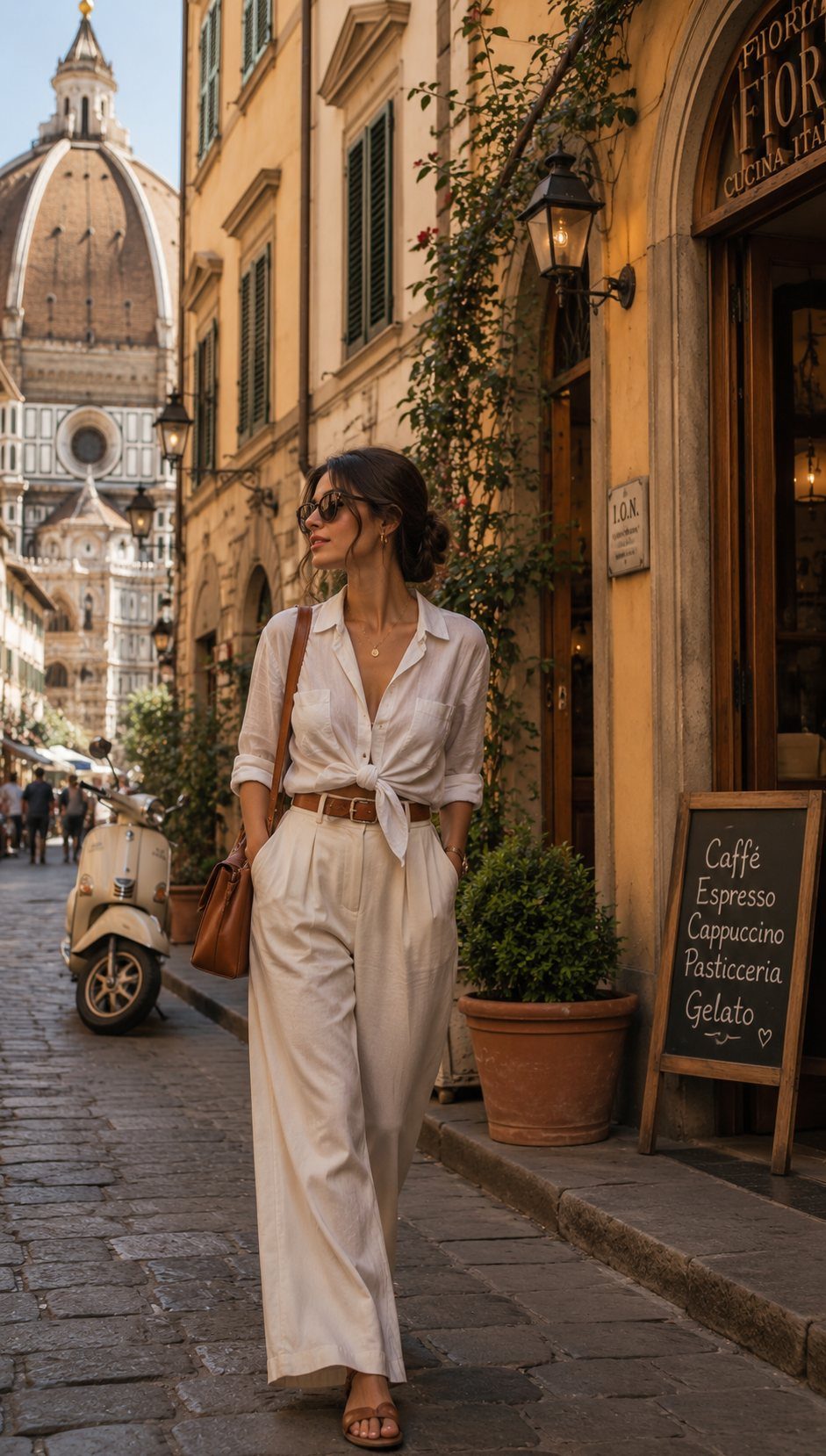
Sprezzatura is the Italian answer to looking like you tried without looking like you tried. Nothing matches too carefully; the trousers are cream, not white, and the sunglasses stay on though she is in shade.
The move is controlled accident: a half-tuck, a pushed-up sleeve, a scarf knotted loose rather than looped tight. It asks for quality fabrics that crumple well, linen and soft cotton that look better with wear.
Someone who plans every outfit Monday through Sunday will find this exhausting at first. One gesture, a tie at the waist or a jacket over the shoulders, reads as ease rather than effort.
Fashion History in Italy
Italian fashion geography matters more than most buyers realize. Florence built its name on leather and Renaissance craft; Gucci and Ferragamo both started there, and Pitti Uomo still sets menswear trends each season.
Rome carries the alta moda tradition, Valentino and Fendi both rooted in its tailoring houses. Naples produces the lighter, less formal bespoke suits that define sprezzatura.
The Biella region at the foot of the Alps supplies the wool: Ermenegildo Zegna and Loro Piana both headquartered there. For a woman sourcing fabric or commissioning pieces, knowing which city specializes in what saves time and misdirection.
A Florence leather workshop does not cut Milan patterns; a Neapolitan tailor’s ease comes from local technique, not transferable style.
Global Influence of Italian Fashion
The "Made in Italy" label now covers several overlapping truths. Italian manufacturing remains central to global luxury supply chains, with specialized producers supplying both domestic and international brands across textiles, footwear, leather goods, and accessories.
Yet ownership no longer matches origin. Gucci, Bottega Veneta, and Brioni fall under Kering; Fendi, Bulgari, and Loro Piana under LVMH.
Strategic decisions run from Paris, even when production stays local. For a buyer judging authenticity, this distinction matters.
The craftsmanship may remain Italian while the brand narrative does not. Prada buying Versace is an attempt to build Italian scale against French conglomerate resources, but for now most iconic houses operate under foreign control.
Fashion is also an important component of Italy’s wider high-value consumer-goods exports. A 2025 study by the Confindustria Research Centre estimated that Italian exports of so-called “Bello e Ben Fatto” products, a category including fashion, food, furniture and jewellery, exceeded €170 billion.
Iconic Italian Fashion Items
Certain Italian pieces function as shorthand across markets. The Gucci horsebit buckle, drawn from equestrian hardware, reads identically in Dallas or Dubai.
I would prioritize these over seasonal prints for a first significant purchase; the pattern holds value as the house cycles creative directors. For accessories, the same logic applies: a woven leather bag outlasts hardware that dates itself by season.
The consumer who wants recognition from across a room gets more signal from logo density, but the woven pieces reward closer inspection.
Challenges Facing Italian Fashion
The "Made in Italy" label itself requires scrutiny. Current law often permits the mark if only final assembly occurs in Italy, even when components originate elsewhere.
For a buyer seeking authentic craft, this gap between label and labor matters. Components produced cheaply abroad and finished domestically carry the same stamp as fully Italian-made goods.
The distinction does not appear on the tag.
I would ask directly about manufacturing origin when investing in a piece marketed on heritage, particularly from houses now under foreign ownership where global marketing and financial strategy may override local production decisions.
The soul of a brand and its legal nationality have separated; the buyer’s due diligence is the only bridge remaining.
Frequently Asked Questions
What are the top luxury brands in Italy?
The houses that define Italian luxury include Gucci, Prada, Dolce & Gabbana, Versace, Fendi, Bottega Veneta, Giorgio Armani, Ferragamo, Brunello Cucinelli, Moncler, Tod’s and Zegna.
Several of these, including Gucci and Bottega Veneta, now sit under French conglomerate Kering, while Fendi belongs to LVMH; others like Armani, Dolce & Gabbana and Ferragamo remain independent.
Prada buying Versace in 2025 is a move to stack Italian houses against the big French conglomerates.
How to look less American in Italy?
Sprezzatura is the move: controlled accident rather than matched perfection. Small shifts do the work: a half-tuck, sleeves pushed up, a scarf left loose, trousers in cream instead of optic white.
Mapping every outfit by day of week wears thin fast; a single gesture, a jacket slung over shoulders or a sweater tied at the waist, signals ease instead of calculation.