These spring summer outfits run from an $85 pair of Levi’s to a scalloped co-ord set that doubles as separates, and the right one depends on whether your morning starts with toddlers, trains, or a dress code you haven’t been told yet.
Coffee drips vanish against a ruffled midi in small repeats; wide-leg trousers only lengthen legs when the waist sits genuinely high.
1. Wear-With-Everything Midi
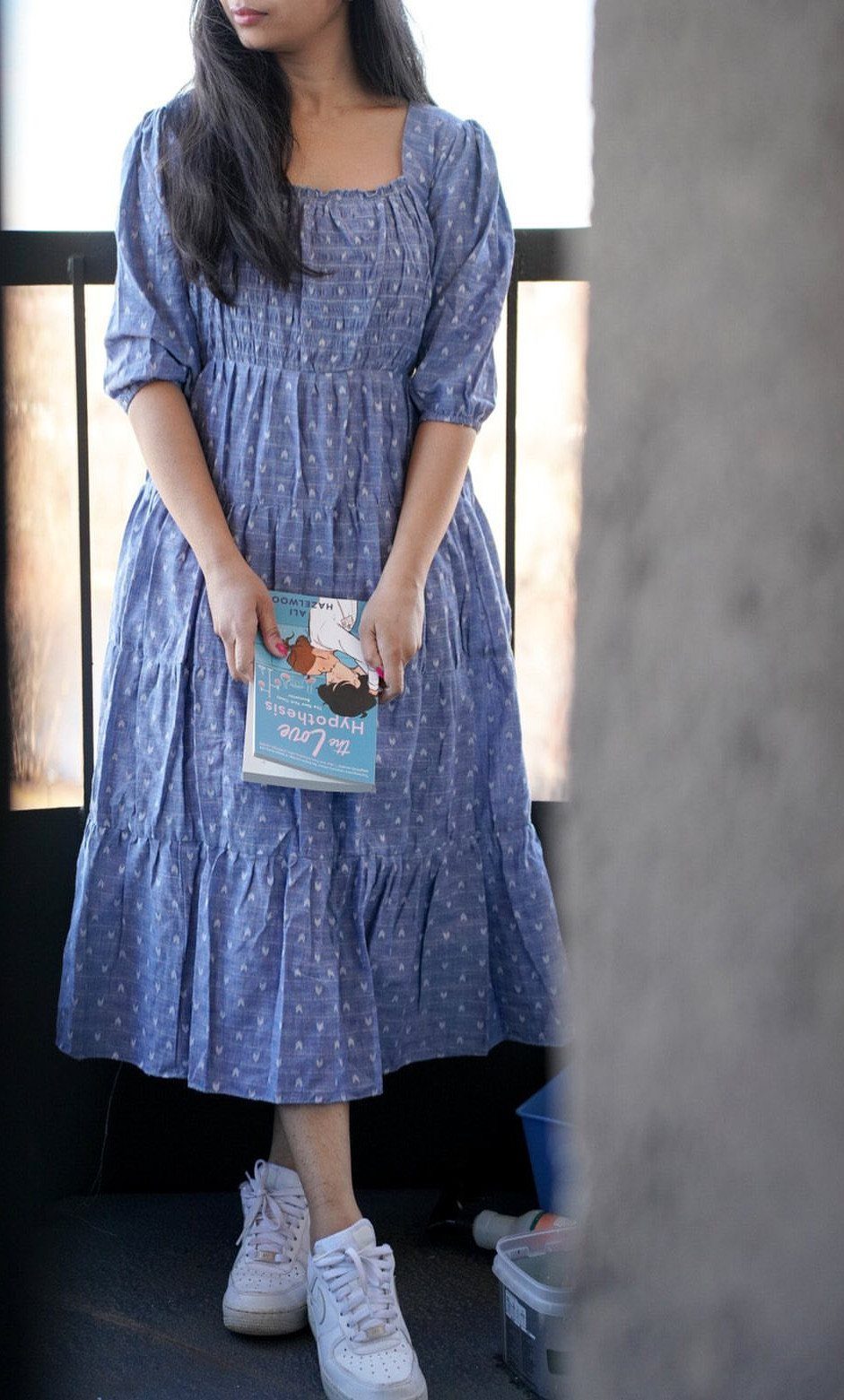
A ruffled midi dress does the work of three outfits without changing clothes. A tiered skirt and puff sleeves read casual with sneakers, but the length and fabric take a heel and earring swap straight to dinner.
The pattern matters more than the cut here. Small repeats or checks hide coffee drips and travel creases better than solids, which is worth considering if your spring involves trains or toddlers.
I’d pick cotton over linen for this shape; the weight holds the tiers out instead of collapsing by noon.
Size the sleeve opening, not the waist. Too tight at the shoulder and the whole dress reads junior.
2. Chic Jeans
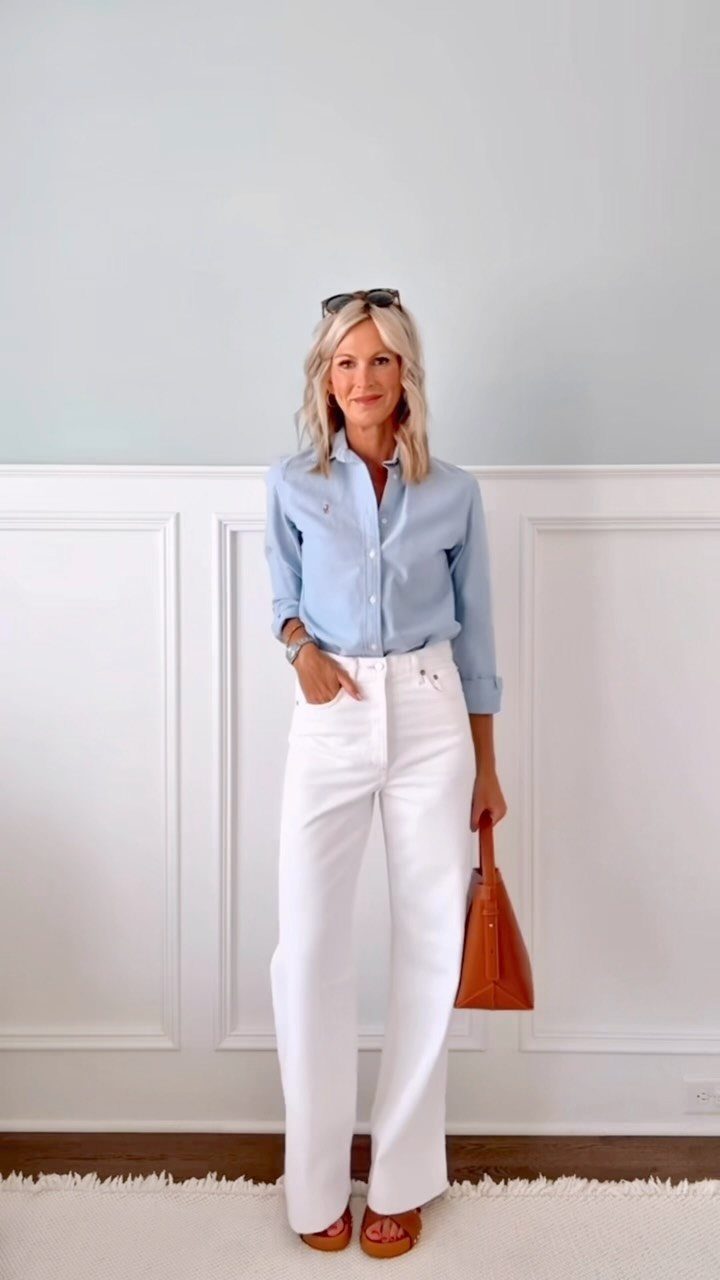
White denim wide-leg jeans solve the seasonal problem of looking dressed while still being, fundamentally, jeans. A high waist and full leg balance a tucked shirt without the tucked-shirt anxiety; the volume does the styling work.
Cinch-waist cuts from Levi’s run around $85 and hold their shape through a day of sitting. The shirt tuck matters: full, not half, and belted so the waistband has a job.
Without the belt, the eye stops at the fabric bunch and the legs look shorter.
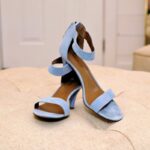
Platform sandals add height without the instability of a heel on cobblestones or subway grates. I’d keep the bag structured; slouchy plus wide-leg starts to look like you left the house in pajamas.
3. Lace Slip Skirt
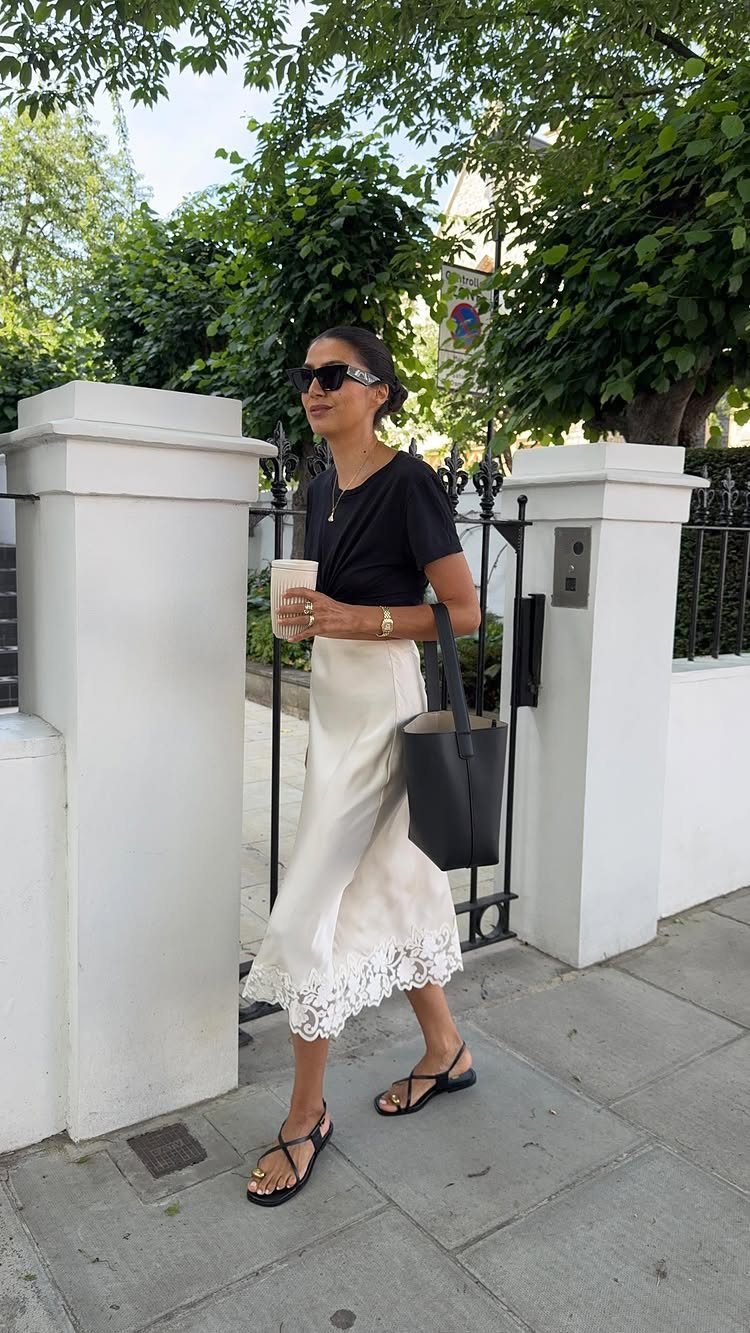
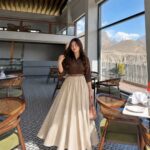
A lace-trimmed slip skirt turns a black tee into an outfit that looks considered. The satin catches light differently than cotton, so even a monochrome palette reads intentional, not lazy.
Hem detail does more work than color would on a lace slip skirt. White lace against white satin creates texture without introducing a second shade to coordinate, which matters on mornings when matching feels impossible.
Construction points are worth checking at any price: the lace should be attached flat, not gathered, or it adds bulk at the thigh.
Wear it with a cropped top, not a long one. The waistband sits at the natural waist and a shirt that covers it kills the proportion entirely.
4. Relaxed Pants
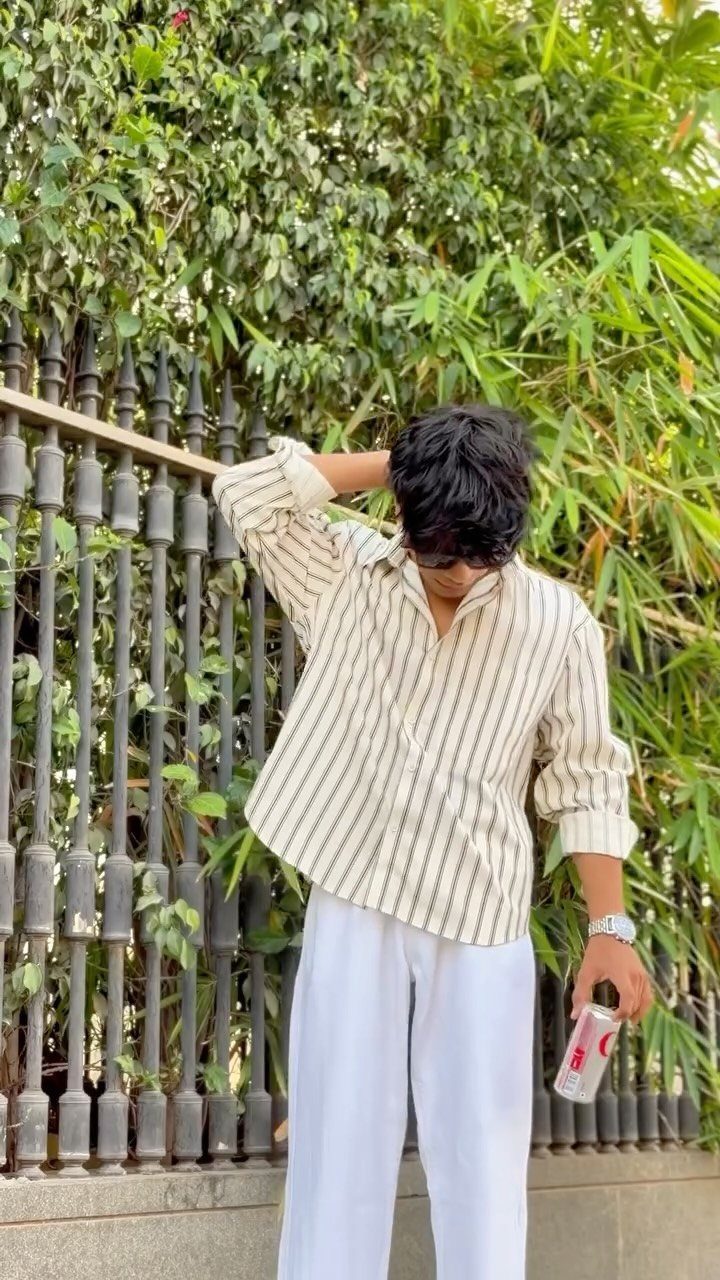
Relaxed trousers live or die by the rise. Too low and the crotch bags out within an hour; too high and the relaxed cut looks like a costume from a period film.
A natural waist anchors the wide leg and lets a stripe read deliberate rather than pajama-adjacent.
Fabric weight changes everything here. A cotton poplin holds the crease and the shape through humidity; a linen blend will soften and widen by afternoon, which is fine if you planned for it and disaster if you didn’t.
Check the pocket placement before buying. Side-seam pockets on a wide leg add volume at the hip; a welt or no pocket keeps the line cleaner.
I’d wear these with a half-tuck or a cropped knit, never a full untucked shirt. The proportions need the waist defined or the whole silhouette floats.
5. Silky Blouse
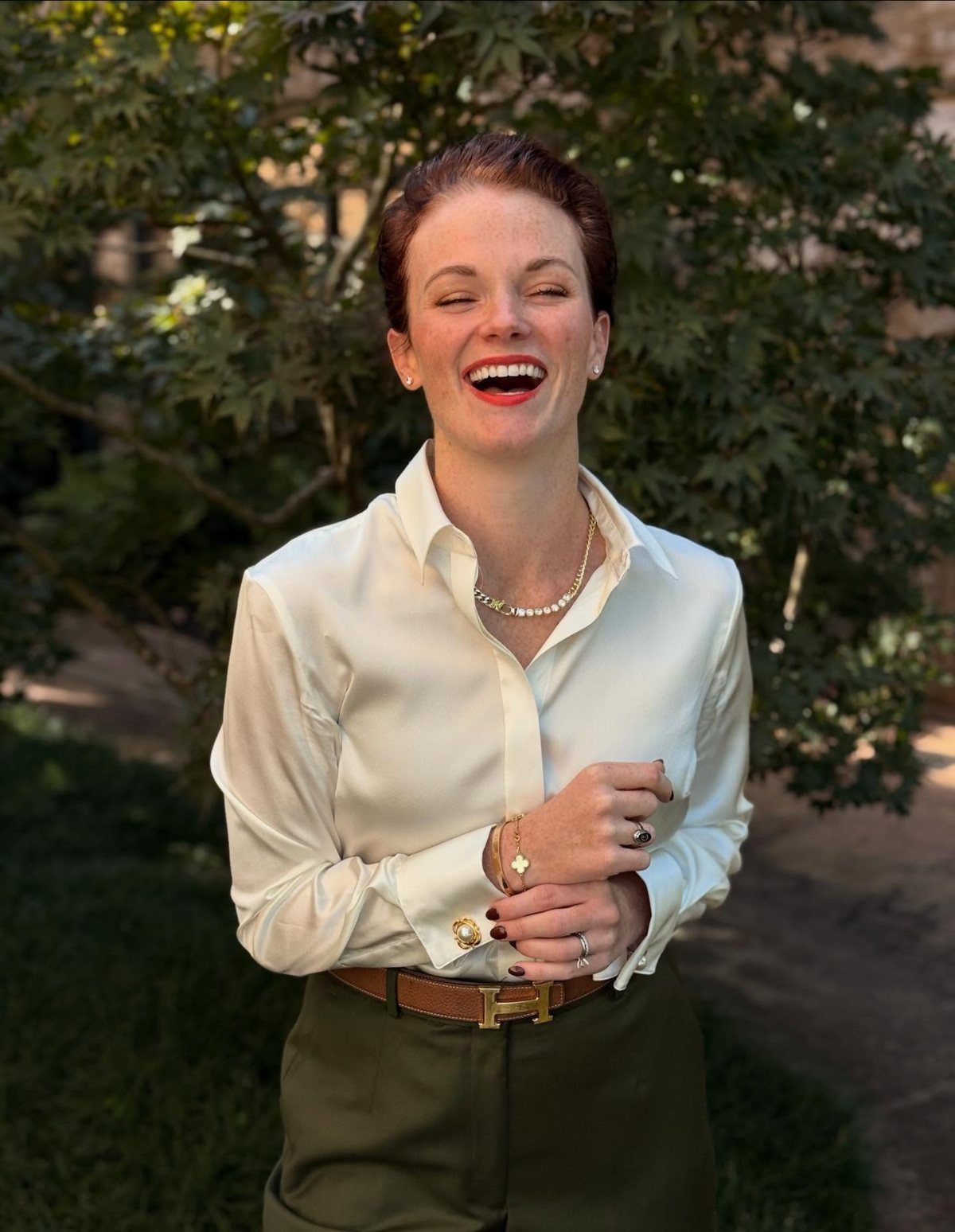
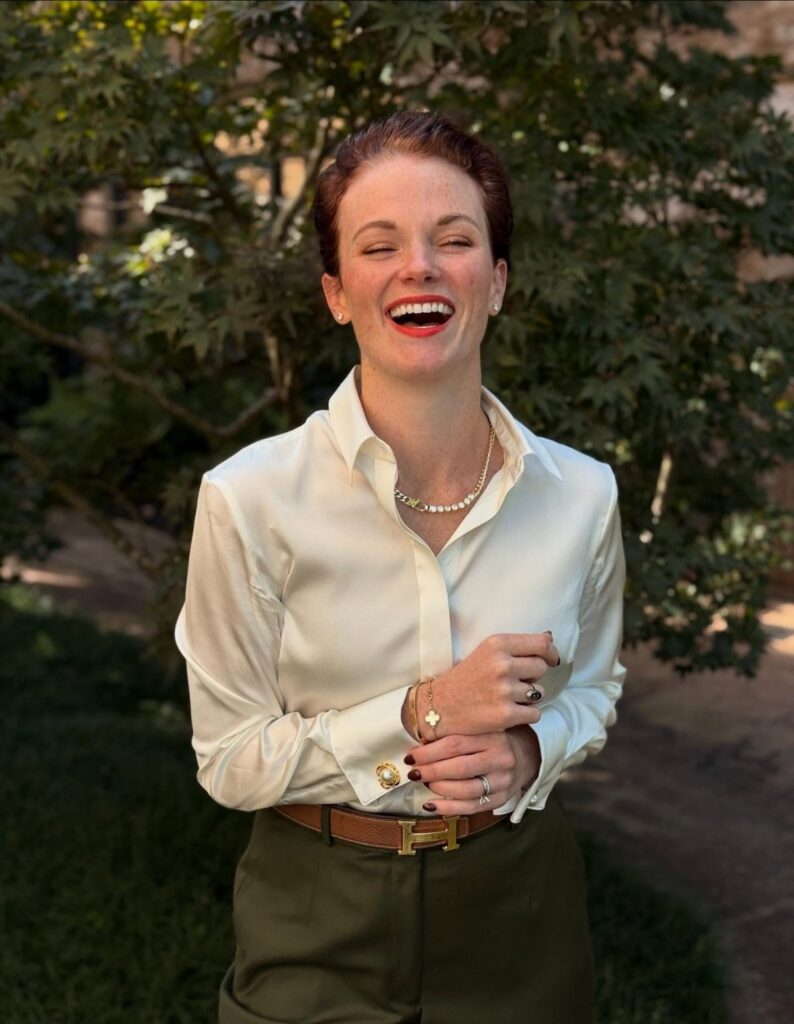
A silky blouse is the piece that justifies ironing. A cream silky blouse tucks into olive trousers with a brown belt, and the combination works because the textures contrast: fluid against structured, warm against cool.
The drape is what you’re paying for.
A polyester imitation will shine at the wrong angles and cling to any hint of moisture; real silk or a high-quality sand-wash satin falls away from the body and slides under layers without bunching. Check the shoulder seam.
A dropped shoulder on a silky fabric reads lingerie; a set sleeve keeps it office-appropriate.
This is the layer to put under a spring sweater that turns out too warm by noon.
Unbuttoned over a tank, it becomes a jacket; buttoned to the neck with the sleeves pushed, it’s formal enough for a dinner where you don’t know the code.
6. Matching Co-ord Set
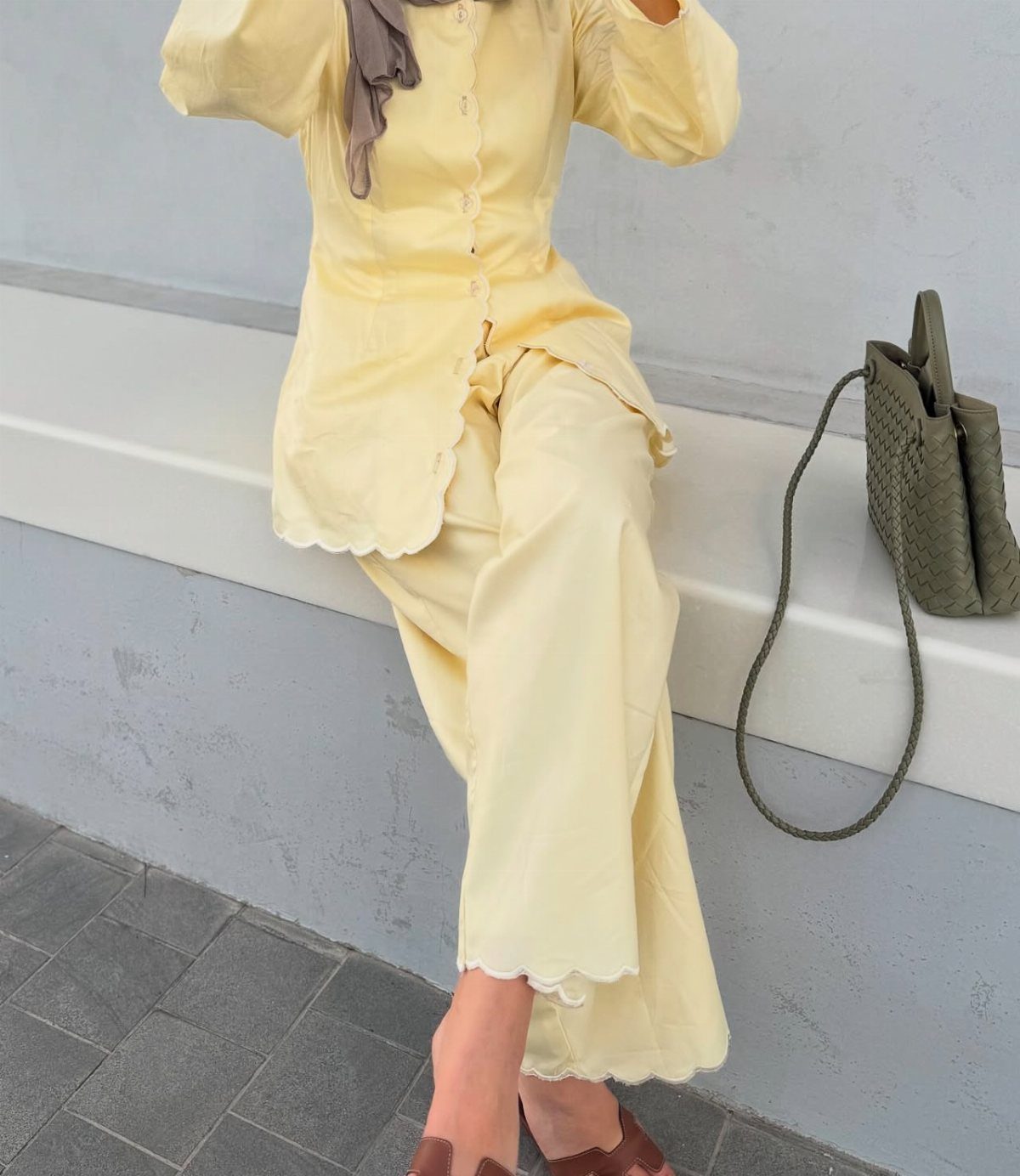
A matching co-ord set removes the early-morning decision of what goes with what. A pale yellow shirt and trousers that share a scalloped edge and a fabric weight read as a dress that happens to separate.
Worn together, the look is polished without effort. Split apart, the shirt works with denim and the trousers with a white tank, which doubles the cost-per-wear if both halves fit your existing wardrobe.
Check the closure on the shirt; buttons rather than a half-placket let you adjust the neckline for the occasion.
The color is doing significant work here. Pale yellow demands a certain skin tone or a willingness to add makeup; I’d try the set in navy or olive first if yellow washes me out.
Simple sandals are the right call with a co-ord set. Anything ornate competes with the scalloping.
7. Faux Leather Jacket
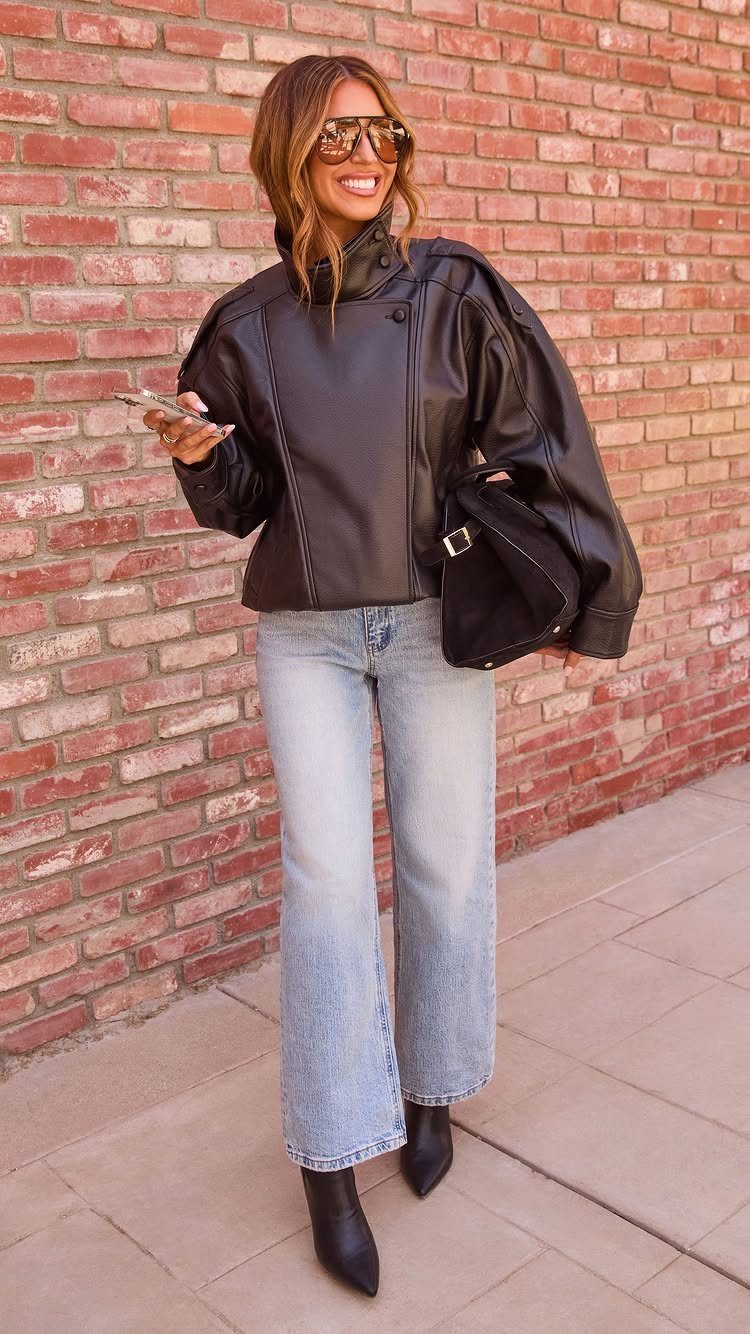
A faux leather jacket handles the spring temperature swing without the bulk of winter wool.
A black faux leather jacket layers cleanly over a light dress or grounds wide-leg jeans and pointed boots into something sharper than standard denim would manage.
Pale yellow works the same way if your wardrobe runs to neutrals and you want the jacket to do the lifting. The streamlined cut and contrasting buttons keep it from reading costume; cream loafers underneath finish the line.
I’d steer toward black if you already own colored shoes, and toward yellow only if your bag collection is mostly black or tan. The material reads dressier than denim, so this trades some weekend ease for weekday polish.
Skip it if you need real rain protection; this is for dry days that only look cold.
8. Wide-Leg Trousers
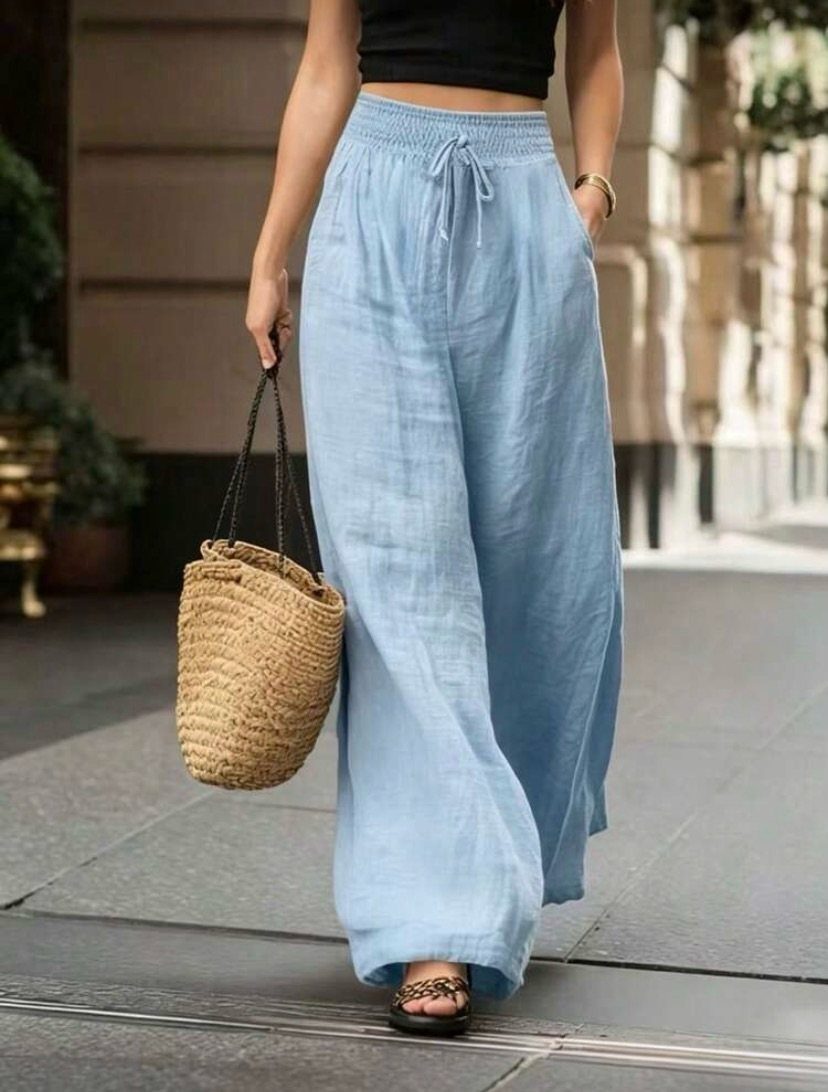
Wide-leg trousers solve the spring problem of wanting to look dressed without committing to fitted anything. A drawstring pair sits high at the waist and falls straight from the hip, which lengthens the leg without requiring heels.
Linen or a linen blend gives the right weight; too heavy and they swing like work pants, too light and they cling.
Light blue works with black, white, or tan up top, and a straw bag confirms these are weekend-appropriate, not office-only.
Check the rise in a mirror from the side. A true high waist that hits at your natural waistline, not below it, is what creates the silhouette; anything lower and the legs look short instead of long.
Pair with a cropped top or a tucked-in shirt; half-tucking a longer one breaks the line.
9. Statement Accessories
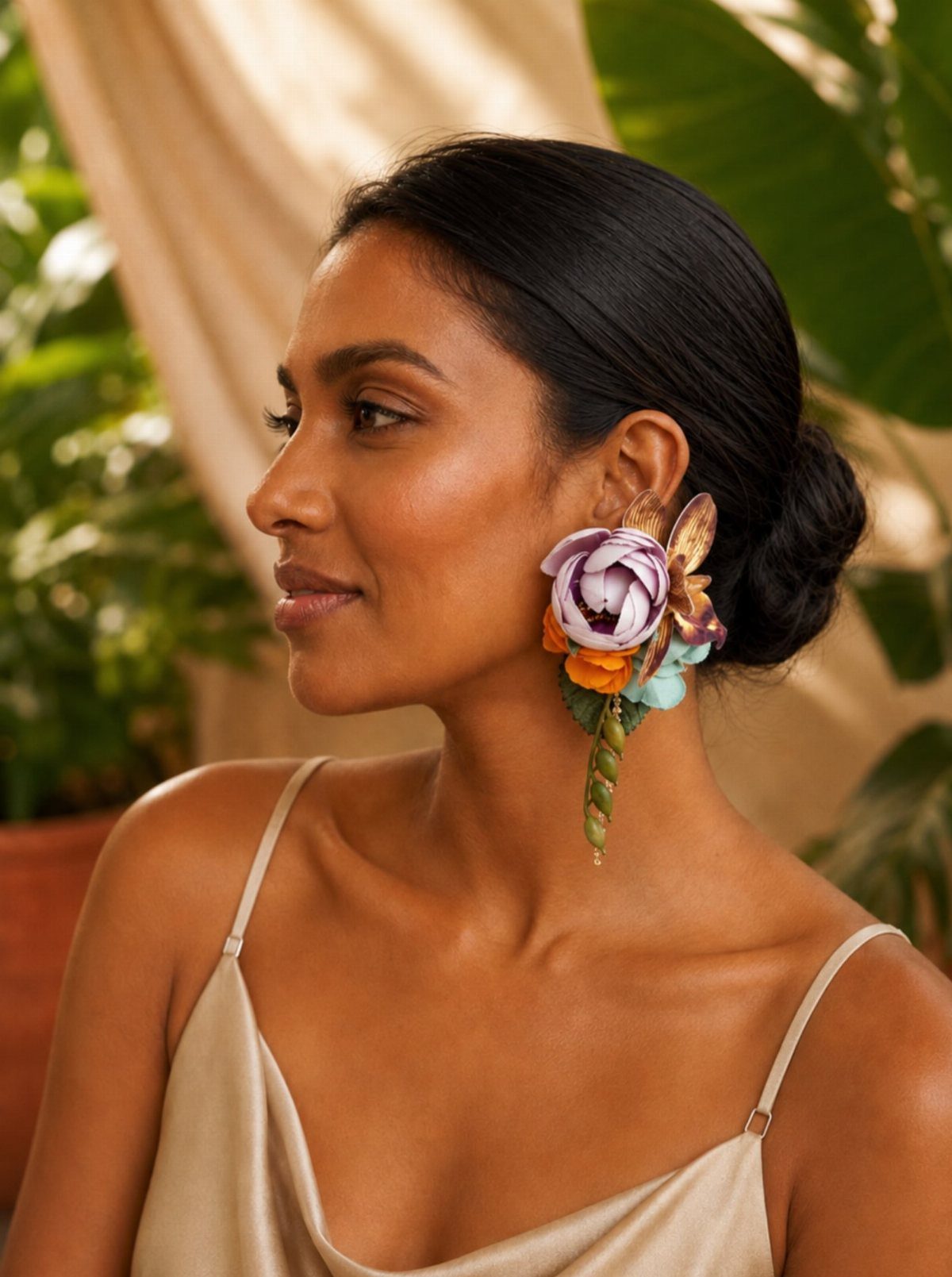
One oversized earring or a sharp pair of sunglasses does more to shift an outfit than swapping the whole base layer.
A floral piece built from fabric and beads turns a simple camisole into something intentional without adding heat or weight.
Cat-eye frames work the same trick for faces that pull round or square; the upward angle adds structure where the cheek is soft.
The risk is costume: if the earring hits your shoulder or the frames touch your eyebrow, scale down by half.
I’d add one statement piece at a time, not two. One statement earring does the work of a necklace, a bracelet, and a second earring.
For daily wear, choose the accessory that matches where you’re actually going: earrings for indoor light, sunglasses for outdoor hours, a sculptural bag if you’ll be seated and the bag stays in view.
10. Oversized Sweatshirt
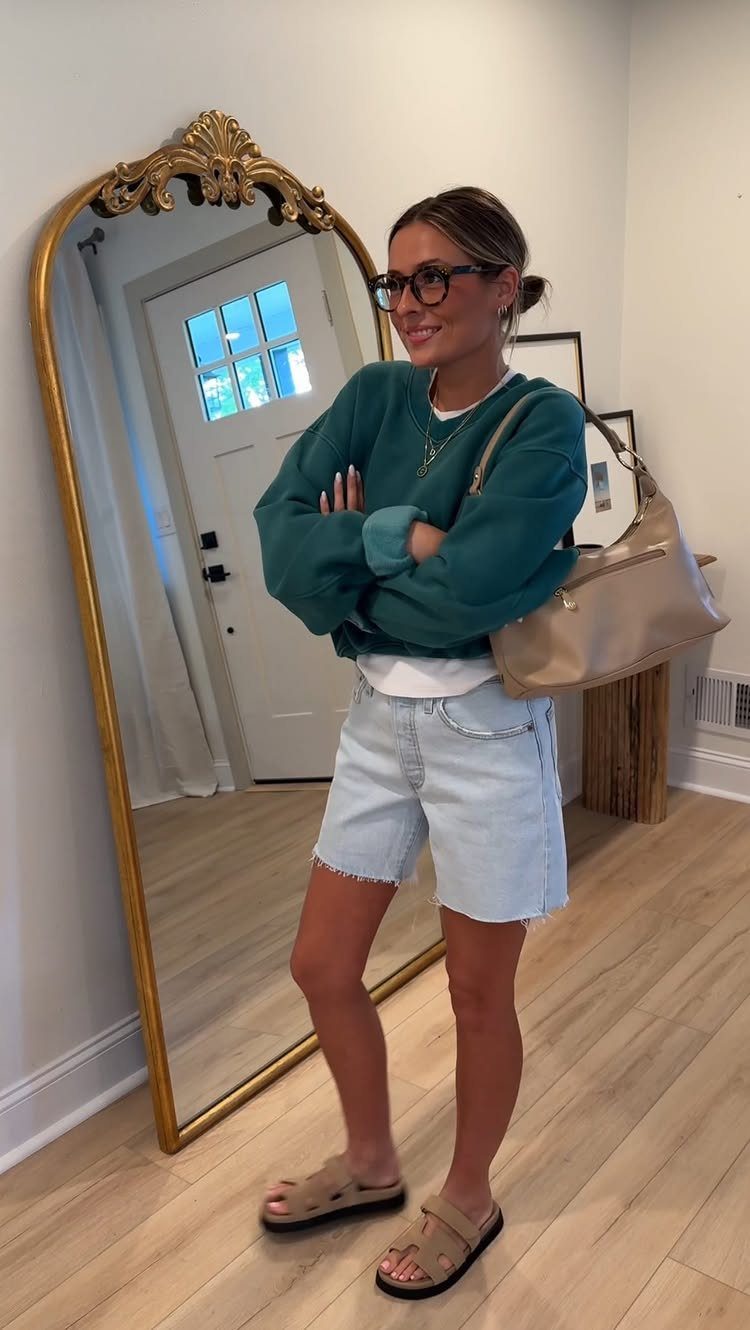
An oversized sweatshirt in a boxy cut reads deliberate rather than borrowed-from-the-gym when the hem hits mid-hip and the sleeves stack at the wrist.
A green sweatshirt sized up to medium gives that dropped-shoulder effect, worn with cutoffs and slides for the kind of Saturday that involves no actual sweating.
Six colors in rotation suggests the fabric holds up to repeated washing, which matters more than the first wear for a piece this casual.
The maker sizes up for the fit; if you want the same, order one size above your usual rather than hoping the cut runs large.
This trades sharpness for comfort. It works for errands, casual coffee, travel days.
I’d skip it for any occasion where a collar is expected, and I’d add a slim pant or fitted short underneath; wide on wide reads sloppy unless you’re very tall.
Layering for Spring Weather
A cotton trench in khaki bridges the same gap with more coverage if the day looks wet. Toteme built their spring show around this kind of transitional piece, pairing soft knits and breezy poplins underneath.
Luckily, the spring collections have started to trickle in (with even more to come as New York Fashion Week kicks off this Wednesday), and the looks seen both on and off the runway are proving especially ripe for the picking.
— Vogue
Comfort Meets Style
Relaxed fits only work when the fabric earns its place.
A narrow pant or fitted short underneath keeps the line clean.
Color Trends for Spring
Icy blue works as a true neutral for spring. A light blue co-ord with embroidery detail on the shirt and shorts refreshes a wardrobe without shouting.
I’d try it in a co-ord only if the color lifts me; otherwise, navy or olive is the safer first purchase. The scalloped hem and heavier knit still register as one intentional piece, just with less chance of clashing.
Frequently Asked Questions
What is the fashion for spring summer?
Spring and summer fashion centers on pieces that handle temperature swings without full outfit changes. Layering still matters: a faux leather jacket over a light dress, a silky blouse under a sweater that comes off by noon.
The emphasis is on comfortable cuts with structure, like wide-leg trousers with a defined waist or a ruffled midi that works with sneakers or heels depending on the occasion.
Fresh colors show up in matching co-ord sets and pale accessories, but navy, olive, and cream carry more of the actual wardrobe weight.
What is the perfect outfit for spring?
Closest to perfect is a ruffled midi dress in a small repeat or check pattern; the same dress shifts from day to evening with only a shoe and earring swap.
Sneakers turn the tiered skirt and puff sleeves into a casual look, while a heel and the same length and fabric head straight to dinner.