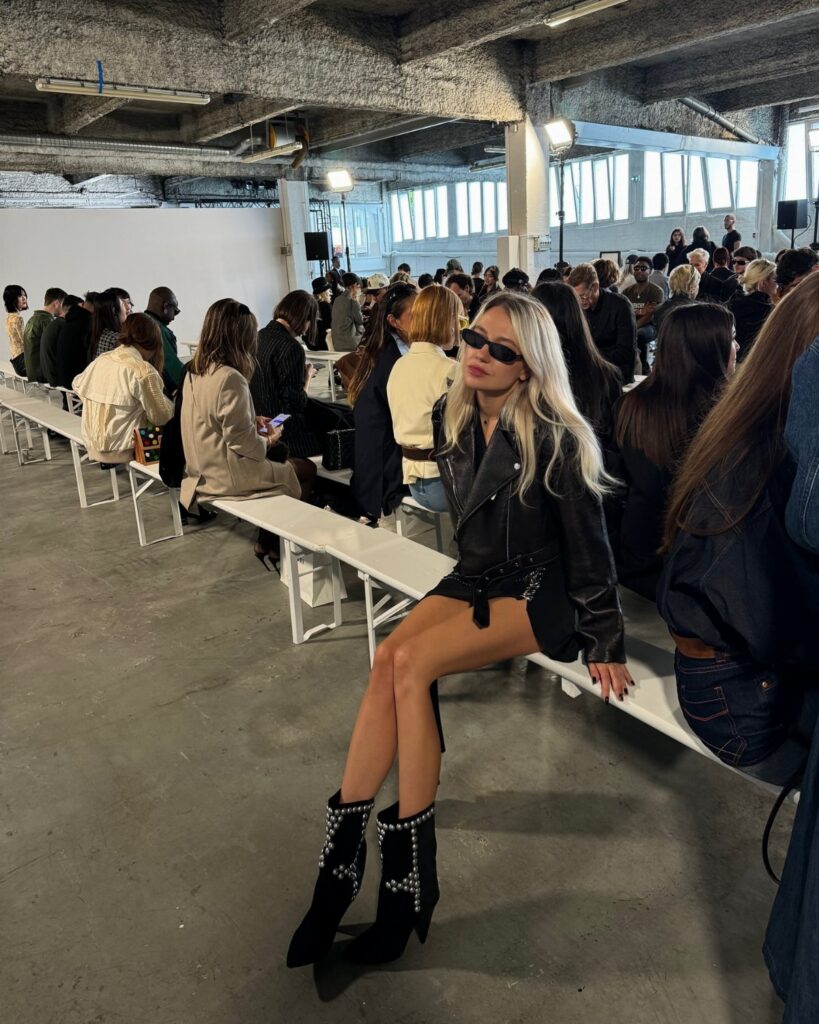
These fashion week outfit ideas run from a single belted blazer you already own to a statement handbag that stops traffic, and the right choice depends on whether your Monday morning wants the camera to find you or to let you watch in peace.
1. Cinched Waists & Structured Shoulders
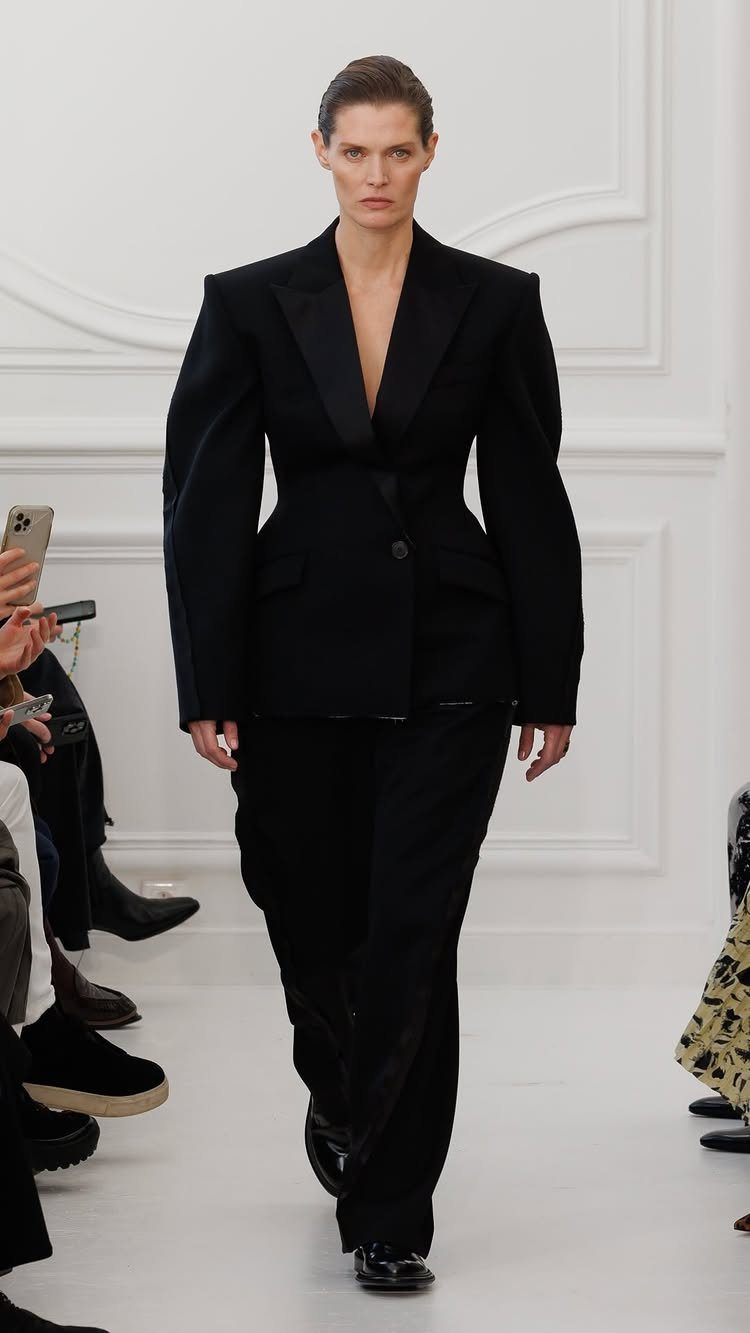
Saint Laurent and Balmain both sent out jackets with nipped waists and strong shoulders, and that silhouette is what translates off the runway. A belted blazer over straight-leg jeans gives the same shape without the styling team.
A nipped-in middle against peaked shoulders gives an hourglass effect without requiring one. The Balmain version runs curved sleeves and wide-leg trousers, so the silhouette stays architectural head to toe.
For anyone building from pieces already owned, a single strong-shouldered blazer with a belt or built-in tailoring does the work. The risk is volume that swallows a smaller frame; under 5’4", I’d check shoulder width against your own before buying.
This shape photographs well in crowds, which matters when half the week is spent standing in lines outdoors.
2. Leather
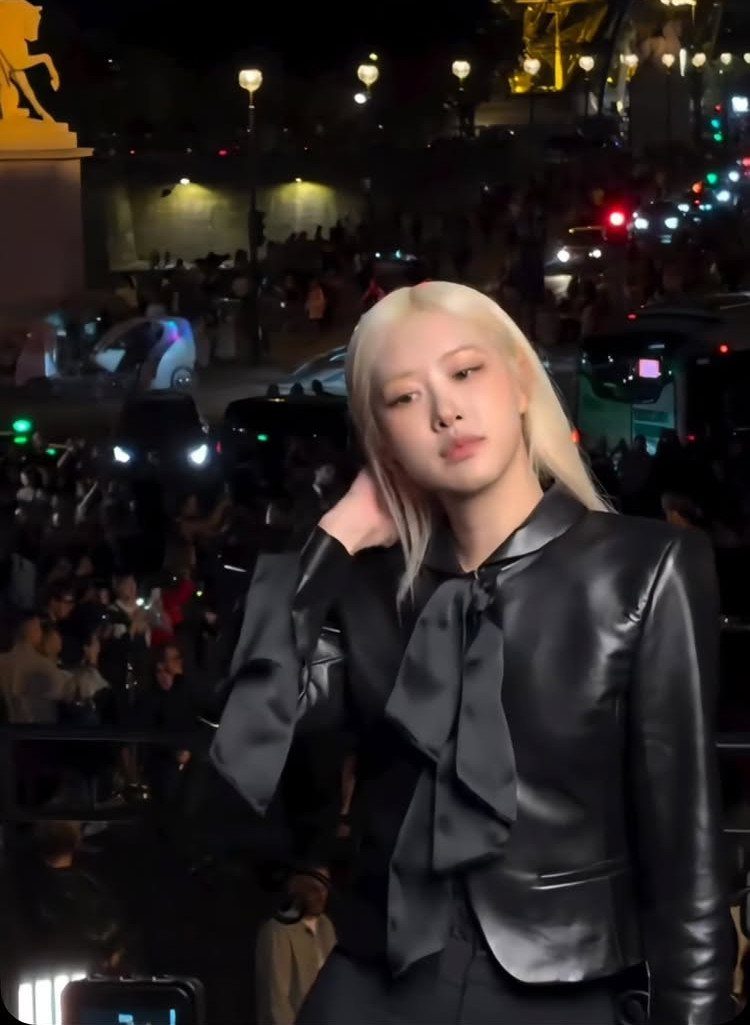
Bottega Veneta and Hermès both pushed leather beyond the motorcycle jacket this season, and the street version that caught my eye pairs patent with something soft.
The satin bow on a structured black jacket keeps the material from reading too aggressive for daytime shows.
The choice depends on finish. Patent catches light and camera flashes; matte or suede reads easier at indoor venues with harsh overhead lighting.
For all-day wear across multiple venues, I’d pick a cropped cut over a long coat. The weight adds up.
One creator paired hers with black skinny trousers, a simple anchor that lets the jacket carry the look.
3. Power Suits
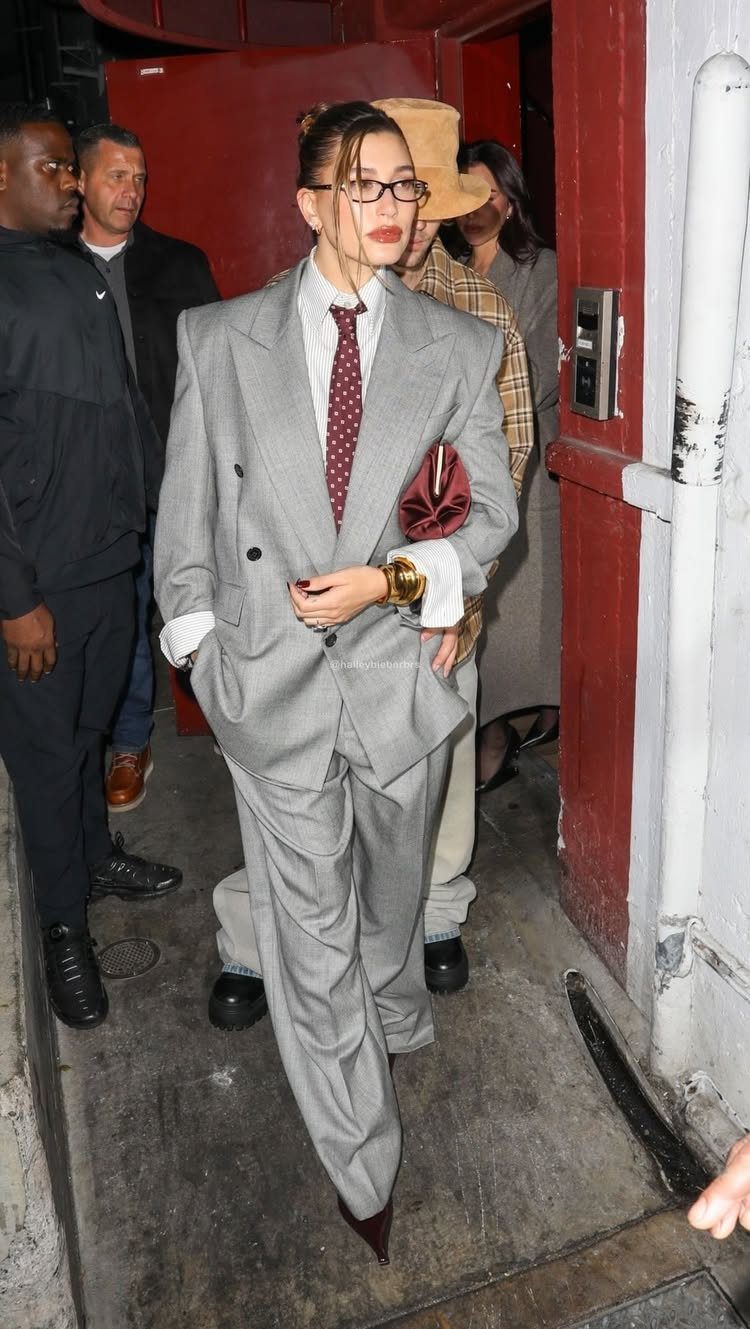
Hailey Bieber’s oversized gray double-breaster with tie and glasses is the template: menswear proportions, womenswear fit. The heel-or-sneaker choice changes the whole register.
Simple heels keep it event-appropriate; clean white sneakers make a full day of standing and walking survivable.
The suit itself needs structure in the shoulder even when the cut is loose elsewhere. Without that frame, the silhouette collapses into pajamas.
For anyone who owns one good suit already, this is the lowest-addition entry on the list. The pieces are there; the styling is the move.
4. All-black or All-white Outfits
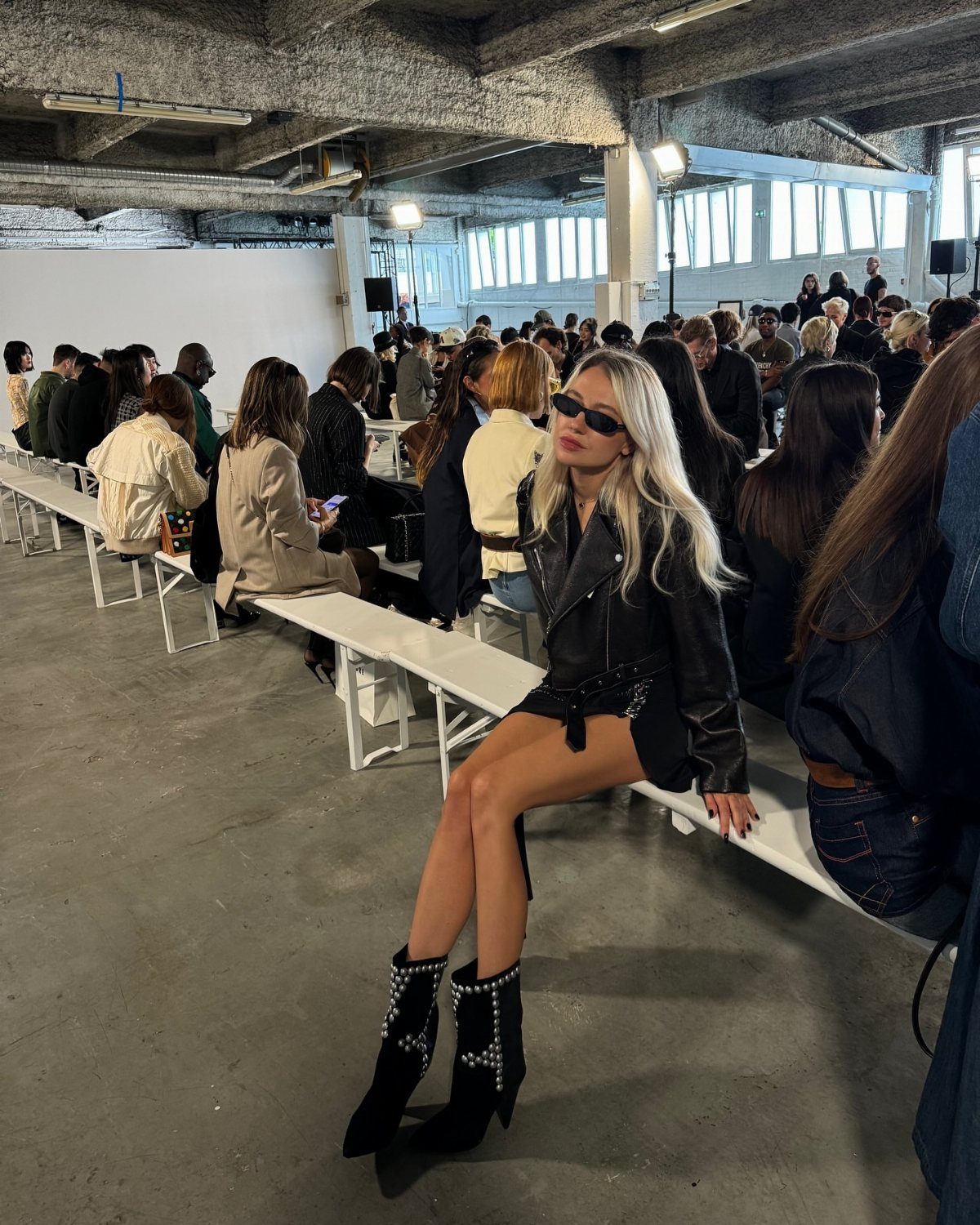
Monochrome reads expensive even when it isn’t, which makes it useful for fashion week where the crowd is dressed to impress. All-black forgives venue dirt, spilled drinks, and the dust that collects in industrial show spaces.
All-white stands out in that same crowd, but demands a level of attention some would rather not give.
Anne Hathaway’s recent all-white moment used a single-breasted blazer and matching trousers, and the mixable fabrics, silk, cotton, linen, let you build the look across seasons.
For a safe middle, I’d add one pop: a necklace, a bag, a shoe in a second color. The olive-is-black approach works too.
The point is intentionality, not austerity.
5. Statement Outerwear
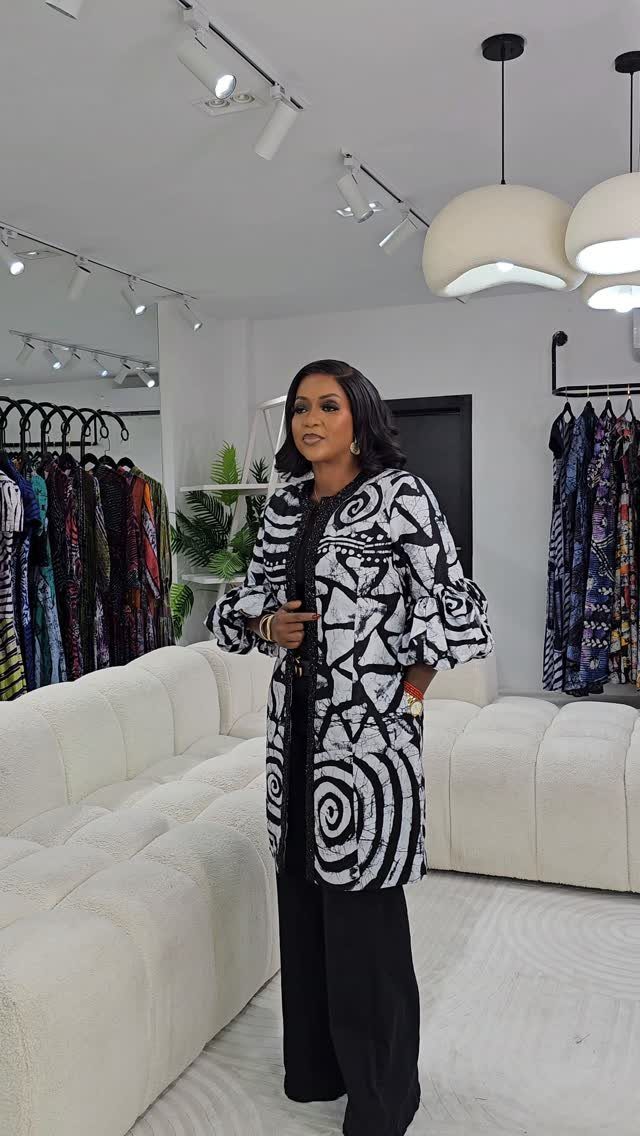
A coat with a large swirling graphic print turns the outer layer into the outfit, which solves the problem of what to wear when you’ll be removing and re-adding a jacket all day.
The risk is costume. I’d limit the print to one piece and keep trousers or a skirt in a solid that picks up the coat’s ground color.
Volume in the coat works; volume everywhere does not. For anyone whose existing wardrobe runs neutral, this is the single purchase that pulls together multiple outfits without touching the rest of the closet.
A coat or jacket that carries the whole look lets you keep everything underneath simple and still feel dressed.
6. Casual Chic
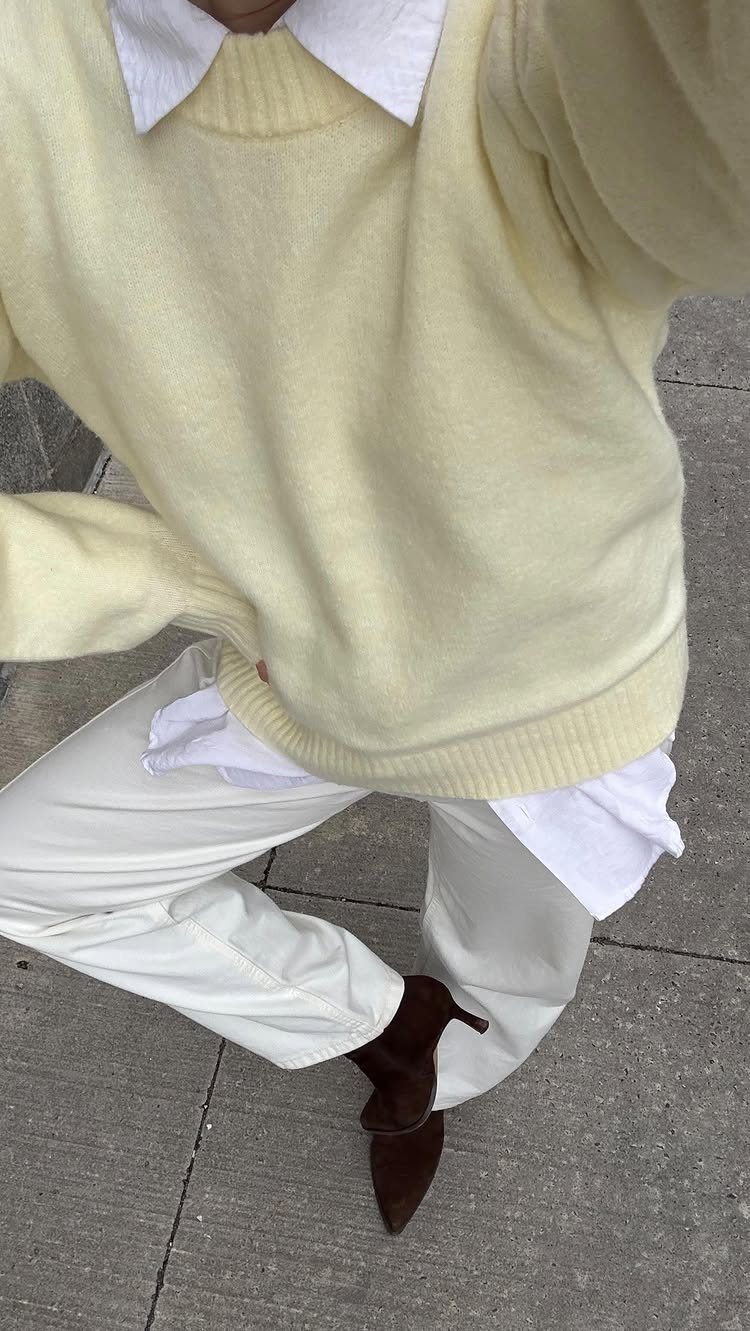
The formula is a relaxed base with a precise shoe: think soft knit over a collared shirt and trousers, finished with pointed-toe kitten heels that sharpen the whole thing. The heel height matters more than the color.
Kitten height keeps you mobile through a day of cobblestone streets and venue stairs; anything taller and you’re choosing between the look and your arches.
The unexpected mix that makes this read fashion rather than office is the leather-on-leather variation one street-style example used: pleated leather skirt, suede elsewhere, coin necklace against the edge.
For anyone whose closet runs to knits and denim, I’d add one structured accessory, a bag with sharp corners or a belt with a heavy buckle, to keep the look from drifting too casual for front-row seating.
7. Matching Sets
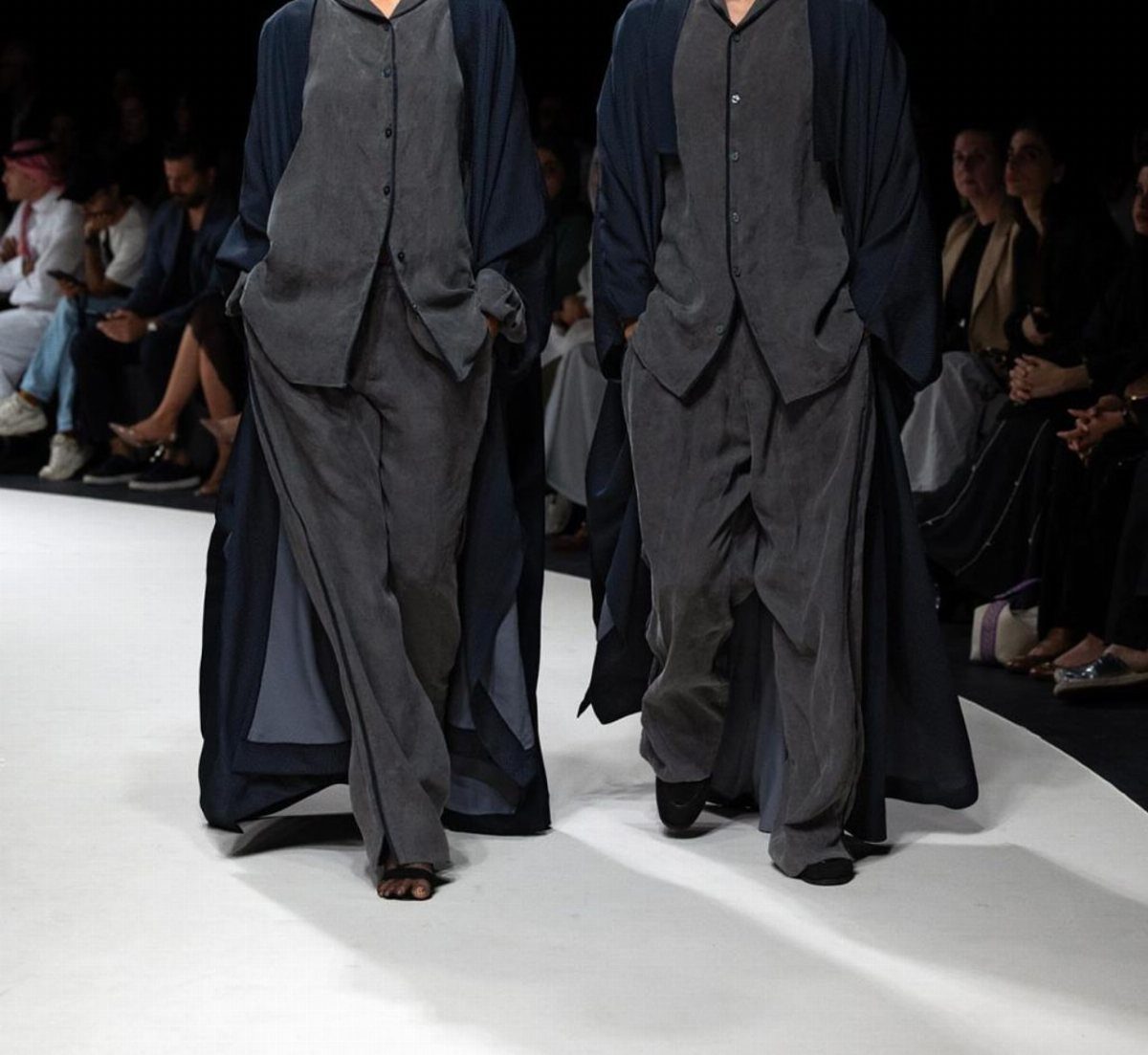
A matching set does the styling work for you before you leave the hotel.
A matching set does the styling work for you: the shirt and trousers already speak the same language, so you look pulled together without having to think through every layer.
Suede on suede works for fall shows; denim on denim carries its own nickname for a reason. Looking deliberate takes no extra effort in the morning when the pieces were designed to sit together.
Check that the fabric weight matches the season and the cut flatters your frame. A loose top needs a structured bottom, or the reverse, to avoid looking like loungewear.
8. Experiment with Textiles
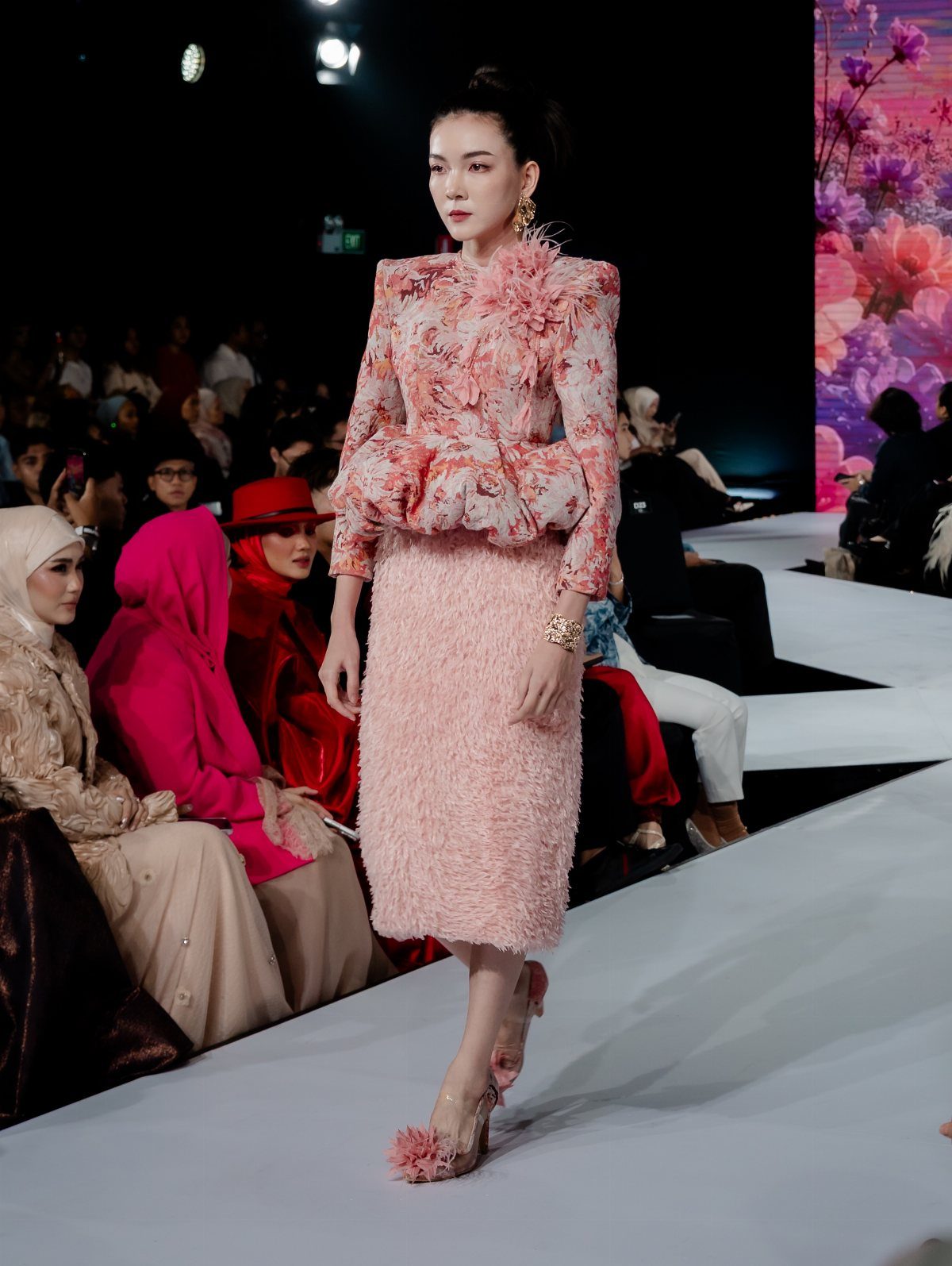
Silk against leather against knit: the clash is the point.
Texture mixing works when each piece keeps its own character: a crisp peplum against a nubby skirt, or soft feathers above a dense weave, so the eye reads them as separate moves rather than one muddy note.
Metallics and embellishments belong in this same conversation.
Start with two textures you already own. Add a third only if the first two share a color family or a weight.
Too many competing finishes and the eye has nowhere to rest.
A single-texture outfit reads as safe. Two reads as considered.
Three reads as Fashion Week.
9. Proportion Play
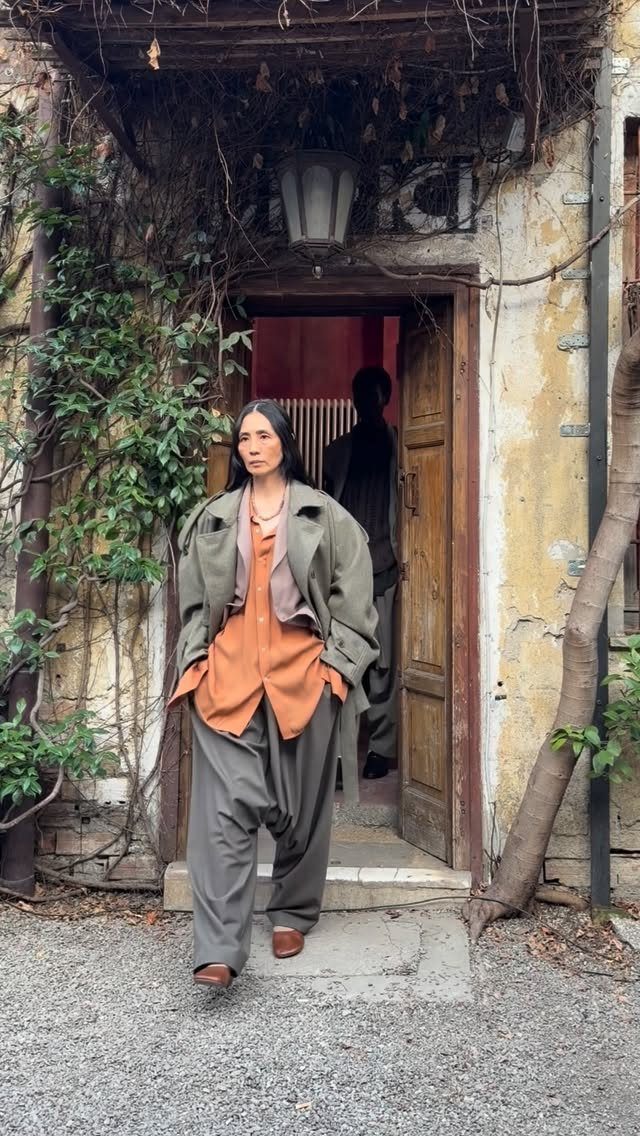
Volume everywhere, structure nowhere: the old rules called it wrong, and now it is the move.
Volume stacked on volume needs a through-line: one color family, or one repeated fabric, so the silhouette reads as a choice rather than a pile.
Loose over loose only holds up when every seam and hem lands exactly where it was cut to land.
Wide pants and an oversized top need fabric with body; cotton canvas or heavy silk keeps the shape architectural instead of letting it pool and blur.
Your height changes the math. Petite frames need one voluminous piece and one fitted anchor, or the silhouette swallows you.
Taller frames can double up.
10. Standout Handbags
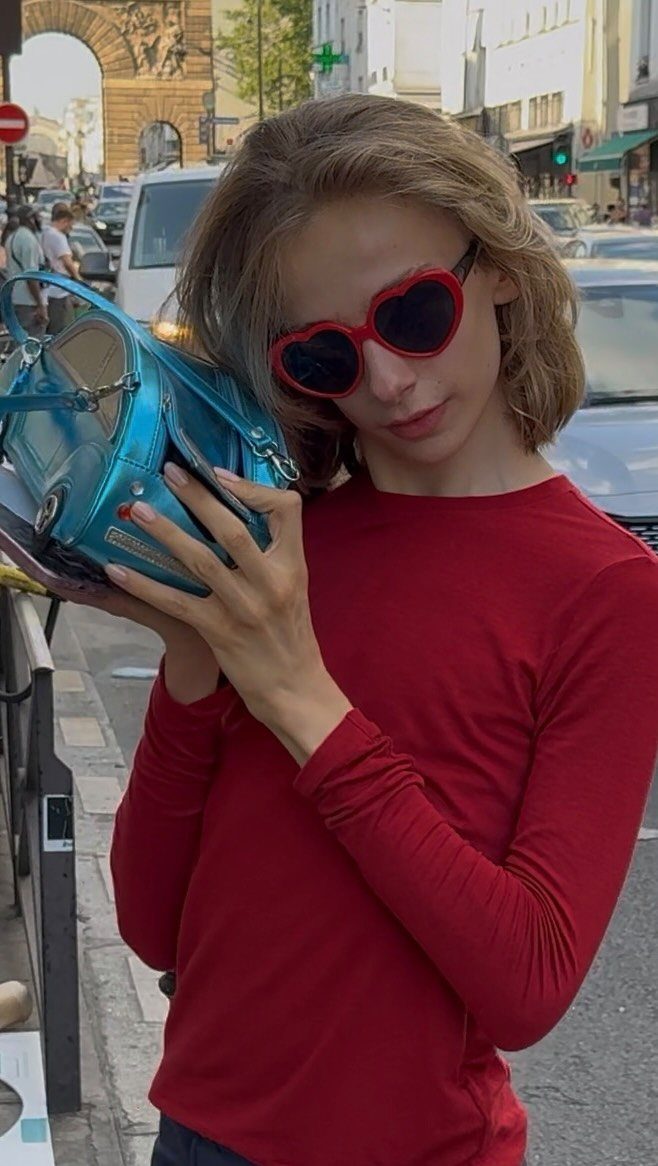
The outfit can be simple when the bag does the talking. Metallic turquoise in the shape of a car, bright blue textured leather held close to the face: these are conversation pieces that earn their place in street style roundups.
A statement handbag buys you permission to wear a plain red shirt and still get photographed.
The cost lands where luxury houses price their launches and relaunches. If that is not in the budget, vintage shops and emerging designers carry sculptural shapes without the four-figure entry fee.
A bag that looks hunted down, not picked up at checkout, carries the outfit.
11. Wear Bold Colors
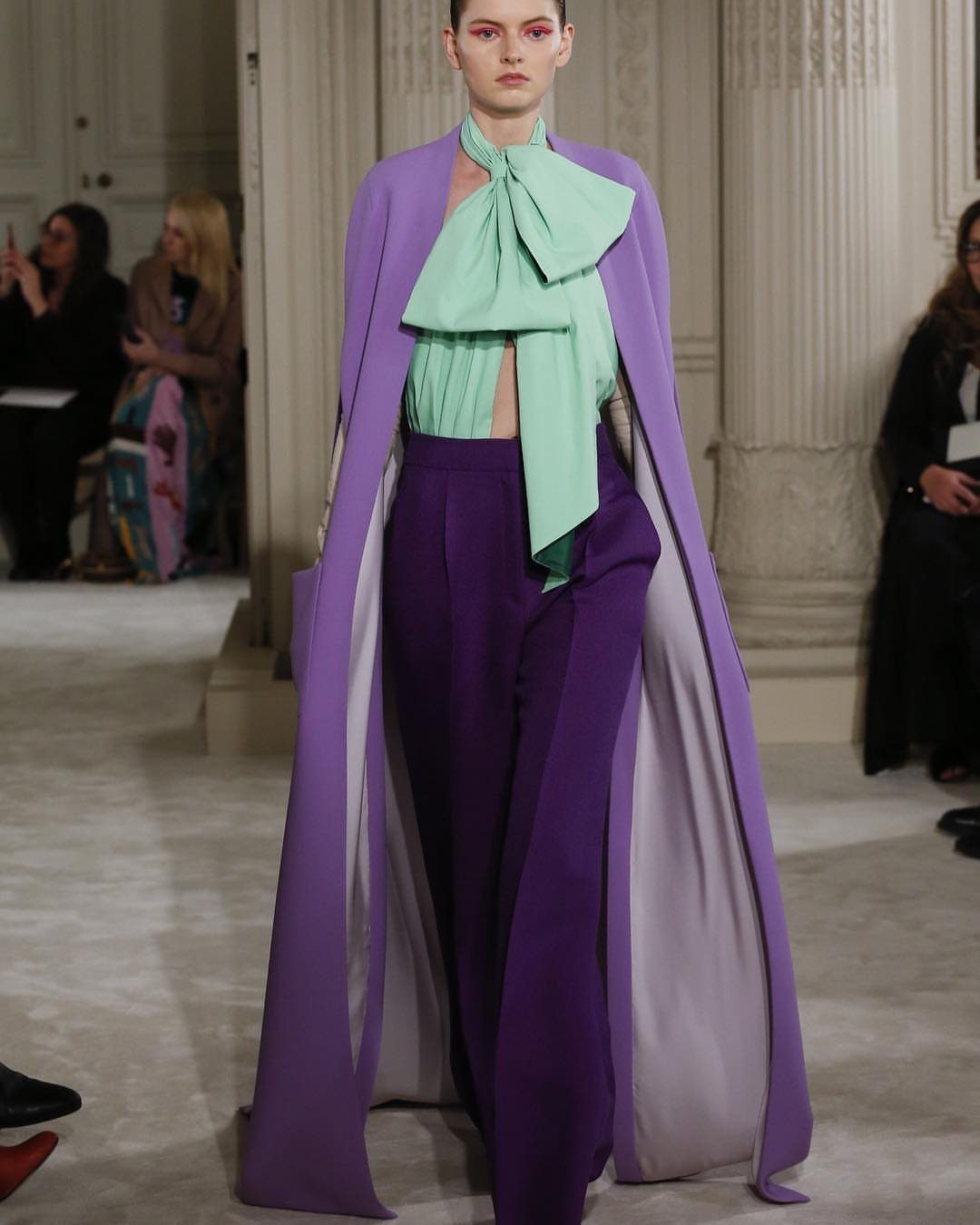
Three colors that should fight can harmonize when they share the same saturation: mint, purple, lavender all speaking at the same volume so none shouts the others down.
This is what stops a photographer mid-stride: color worn with the confidence of a uniform. In a sea of black and beige, a single saturated hue reads as confidence; a deliberate combination of them reads as authority.
Choose one bold piece as your anchor and build outward. Two brights need a shared undertone, warm with warm or cool with cool, or they fight.
Three brights need one neutral ground, even if that neutral is just a lot of skin.
The camera finds you first. Whether that is the goal depends on how your Monday morning feels about being the center of attention.
Dress for Comfort
Shoes make or break the day. My first season, I wore boots that looked right but had zero support; by the third venue, I was limping.
Now I pack two pairs: the statement option for short walks and photographed moments, and the pair I can actually stand in from first show to last party.
A small bag or clutch keeps hands free for tickets and phones. Crossbody straps save you from setting it down on venue floors.
Restrictive outfits sound fine at 9 AM and punish by 2 PM. Anything that digs, pinches, or needs constant adjustment goes back on the rack.
The week runs long; plan for walking between venues, standing in lines, and stairs that elevators cannot handle.
Plan Outfits Ahead
Check your tickets before packing. General admission and VIP seating sit at different temperatures, different angles, different dress codes.
The venue matters: industrial spaces run cold, tents run hot, and February in New York has its own rules.
Weather shifts across the week, not just the day. A coat that works for morning shows may be too much for an overheated afterparty.
I lay out each look with the event, the venue, and the forecast in a single note.
Spring and summer seasons can still turn chilly or wet. A statement coat over lighter layers handles both.
For fall and winter, the opposite problem: venues overheat, so what works outside suffocates inside.
Express Individuality
The photographers shoot what stops them. That is rarely the safe choice.
Bold patterns, unexpected color combinations, mixed high fashion with streetwear: these are what earn a second look in a crowd dressed in the same ten trends. Accessories carry the message when the base stays simple.
A sculptural bag, a heavy necklace, a shoe with its own architecture: one piece can shift the whole register.
Age and style category do not limit what works. The only mistake is dressing like you are trying to be someone else.
The camera spots the difference between worn confidence and borrowed costume, so the only real mistake is dressing like someone you are not.
Layering Is Key
Sheer over structured, long over short, soft over hard: layering lets you rebuild runway proportions from pieces already owned.
A jacket draped at the shoulders reads as styling choice, not outerwear; the same jacket worn normally is a different look entirely.
Mixed textures in layers keep each piece distinct. A crisp shirt under a soft knit, a leather piece over silk: each layer adds its own texture and gives you something to peel off when the venue overheats.
Proportion shifts with each addition, so check the full silhouette in a mirror before leaving.
Temperature control is the practical side. Venues swing from overheated to underheated without warning; layers you can add or remove keep you in the right register.
A base layer, a mid piece with presence, and a top layer that can be worn or carried: this is the minimum kit for a day of moving between spaces.
Frequently Asked Questions
What do I wear to fashion week?
A belted blazer over straight-leg jeans gives a strong-shouldered, nipped-waist silhouette that photographs well in crowds.
For all-day comfort across multiple venues, I’d pair a cropped leather jacket with black skinny trousers, or wear an oversized power suit with clean white sneakers instead of heels.
The outfit needs to handle standing in lines outdoors, cobblestone streets, and venue stairs without falling apart by the third show.
What are the trendy outfits for fashion week 2026?
Bold color combinations worn with uniform saturation, like mint with purple and lavender, are what stops photographers mid-stride. Volume stacked on volume is the move now, though petite frames need one fitted anchor piece so the silhouette doesn’t swallow them.
What color makes you look expensive?
All-black or all-white reads expensive even when it isn’t. For a middle path, I’d add one deliberate pop, a necklace, bag, or shoe in a second color, or work within the olive-is-black approach.
What reads expensive is choosing on purpose, not stripping everything away.