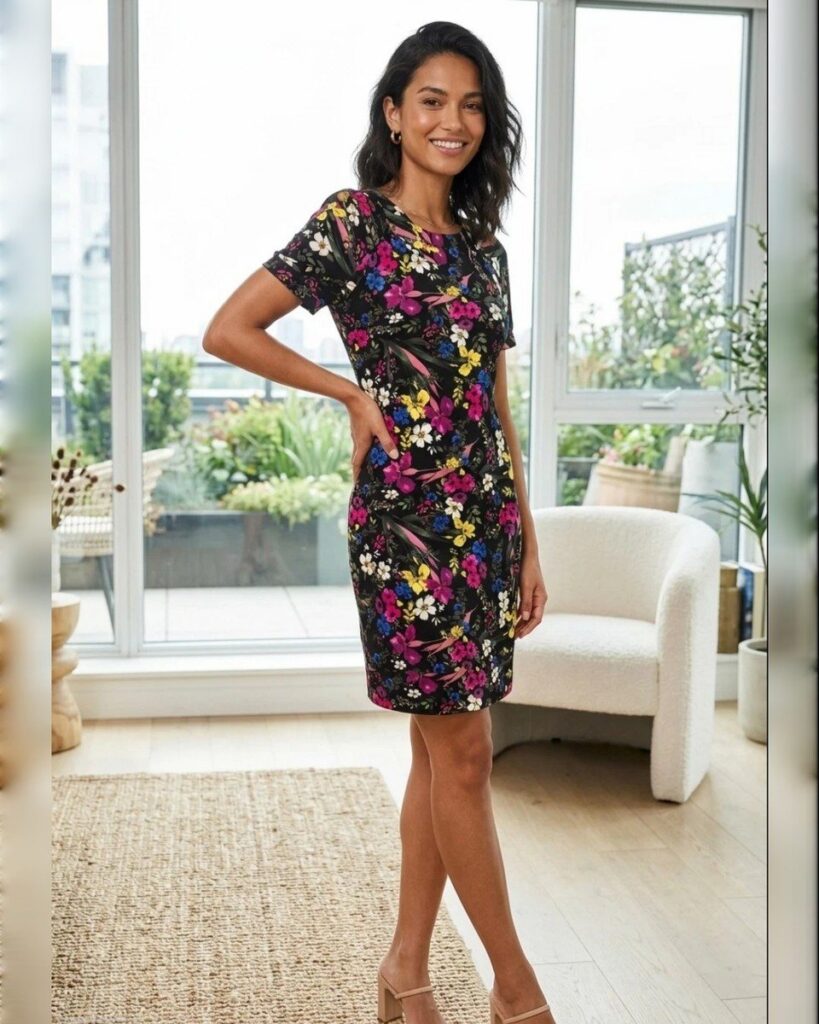
These 7 spring work outfits run from a J.Crew Factory button-down to a full Sezane-style suit, and the one that belongs in your closet depends on whether your office runs formal, creative, or somewhere the HVAC still has not been fixed.
The common thread is fabric weight: unlined cotton blazers that fold over a chair back, crepe skirts that refuse to wrinkle by noon, and gabardine trenches built for spring wind rather than London rain.
1. Lightweight Blazers
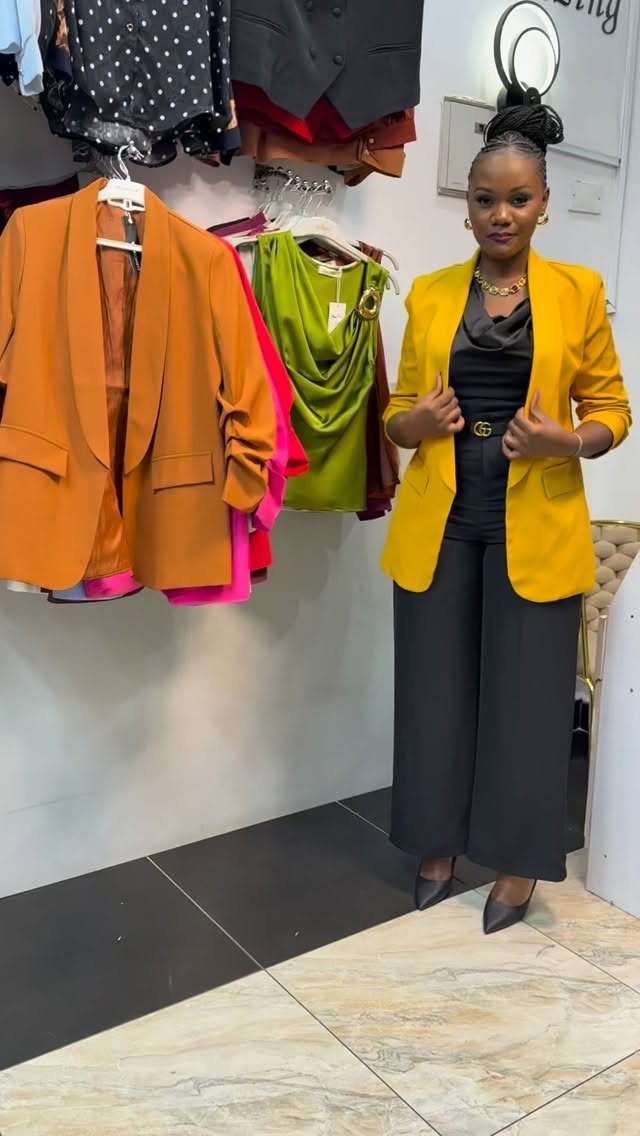
A boxy yellow blazer thrown over black trousers handles spring mornings that start cool and end warm without a wardrobe change.
The weight matters more than the color: look for unlined cotton or a linen blend that folds small enough to sling over a chair back by noon.
I wear mine with a thin T-shirt and trainers for the commute, then swap to kitten heels if the afternoon holds client meetings. Matching trousers make it a suit; dark jeans keep it casual Friday.
Either way, it earns its rack space from March through May.
Warmer months are perfect for experimenting with light neutrals, like cream and beige. Combine the two for a polished semi-monochromatic look, and add in some tailoring to elevate your spring work outfit to quiet luxury heights.
2. Midi Dresses
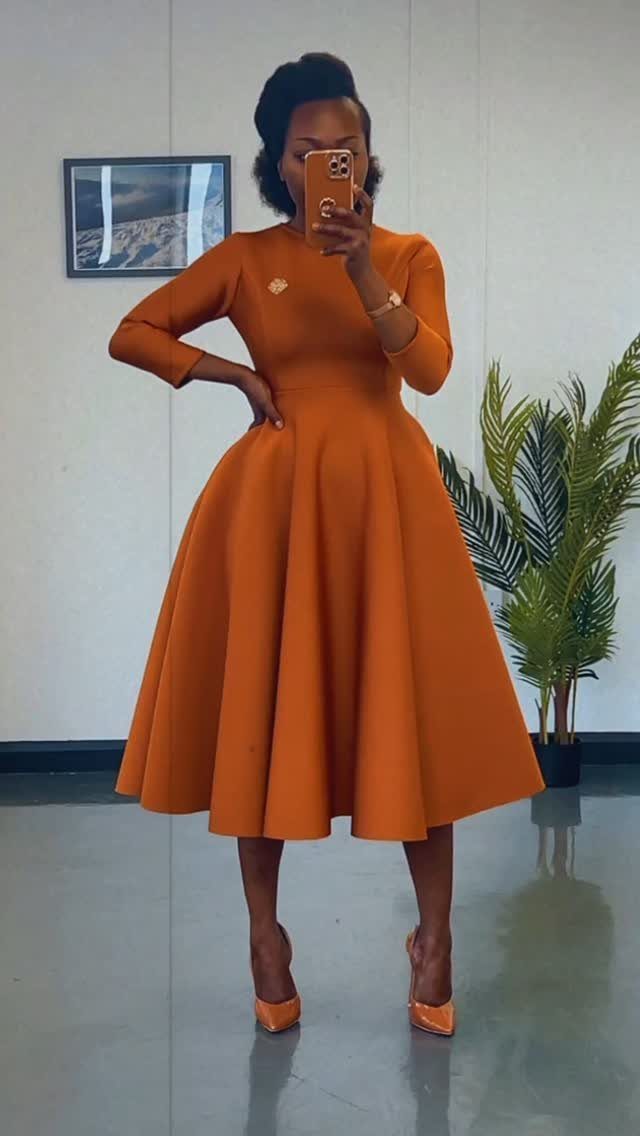
The burnt-orange dress in the mirror selfie hits at mid-calf, which is the length that reads professional without trying. Long sleeves balance the flared skirt so the overall shape stays structured, not costume.
Solid colors or very subtle patterns layer best. A-line cuts move when you walk; pleated versions hold a crease through three meetings.
Tuck a thin knit over the shoulders for offices that run cold, or wear it bare-armed if your building finally fixed the HVAC.
The pointed-toe heels finish it, but block heels or sleek flats work the same formula for commutes that involve subway stairs.
3. Floral Prints
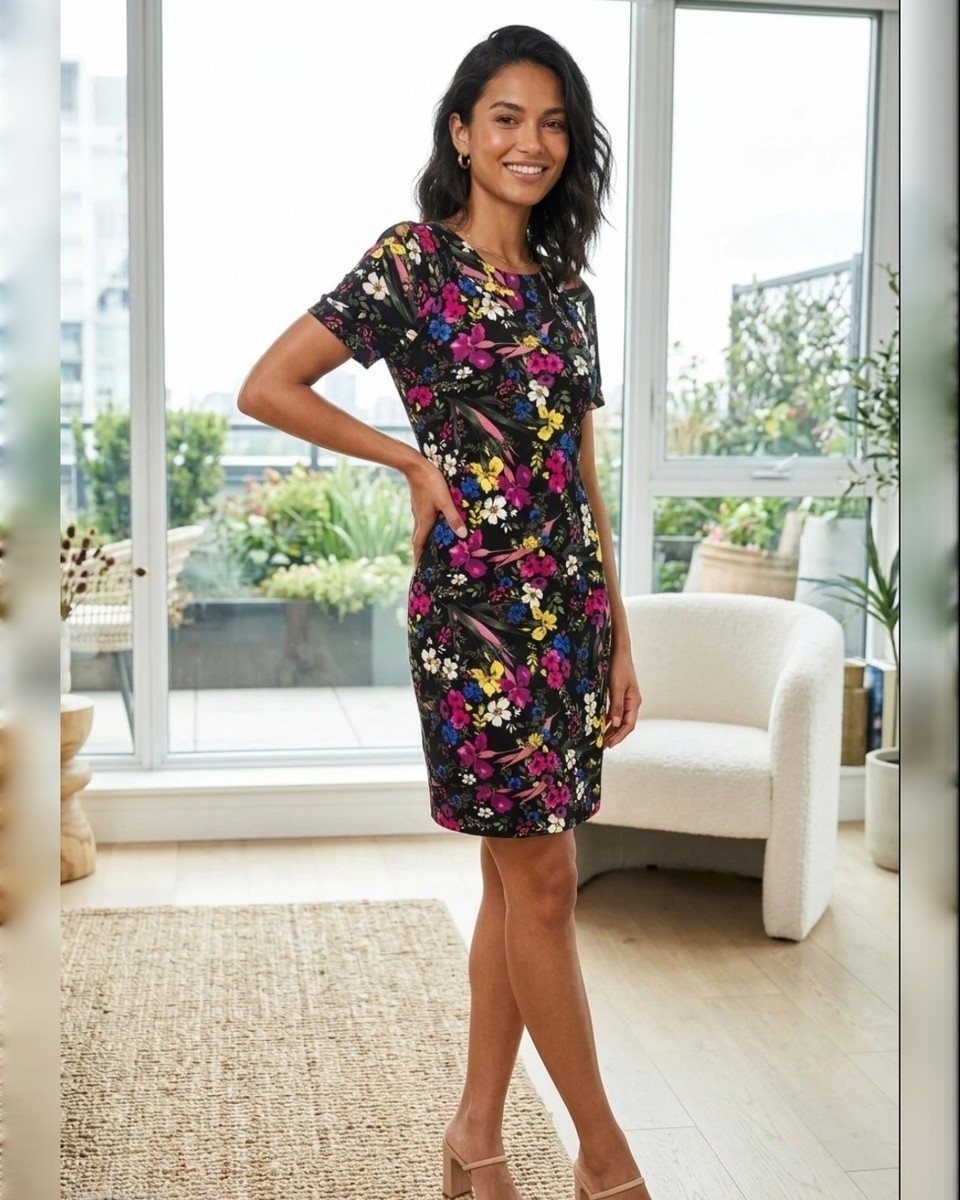
Florals for spring are not the joke The Devil Wears Prada made them; the question is scale, not presence. A black dress with a dense, small print reads as texture from across a conference table.
That is the version that works.
Larger blooms need quieter backgrounds and less competing jewelry. A floral blouse under a solid blazer is lower commitment than a full dress and easier to repeat without comment.
Check the density: if you can identify the flower species from across the room, the print is too loud for most offices. Neutral tailoring underneath or over it pulls the look back to business.
4. Trench Coats
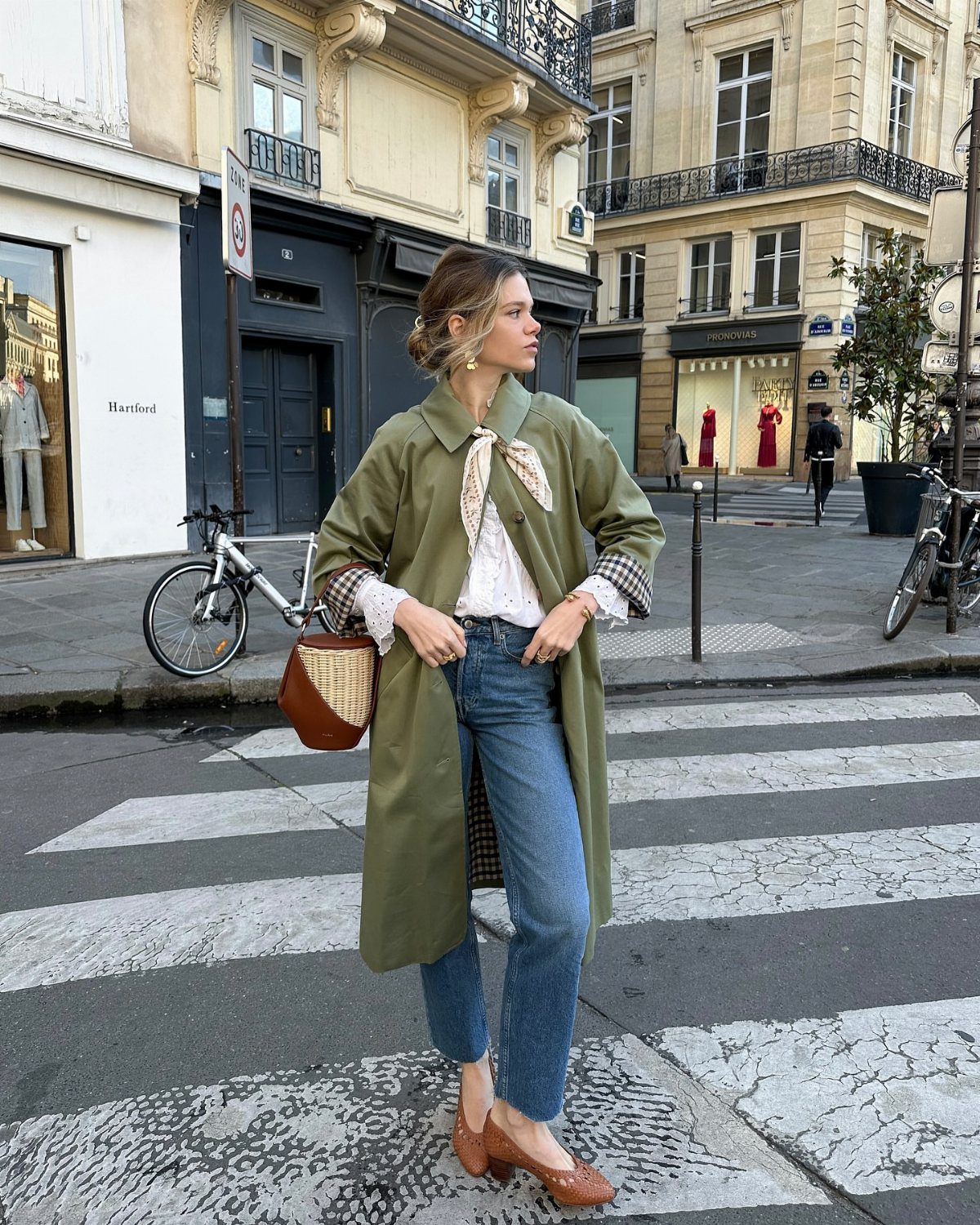
Belted at the waist, it gives shape to whatever is underneath; left open, it becomes a long line that lengthens a petite frame.
Cotton gabardine or a similar lightweight weave is what you want, not the waxed cotton built for London rain. Neutral colors carry across navy, black, beige, and gray wardrobes without a second thought.
The collar popped reads intentional; the collar flat reads like you forgot to check the mirror.
I button mine to the neck when the wind kicks up, tie the belt at the back when I need my hands free for coffee and a phone.
5. Wide Leg Pants
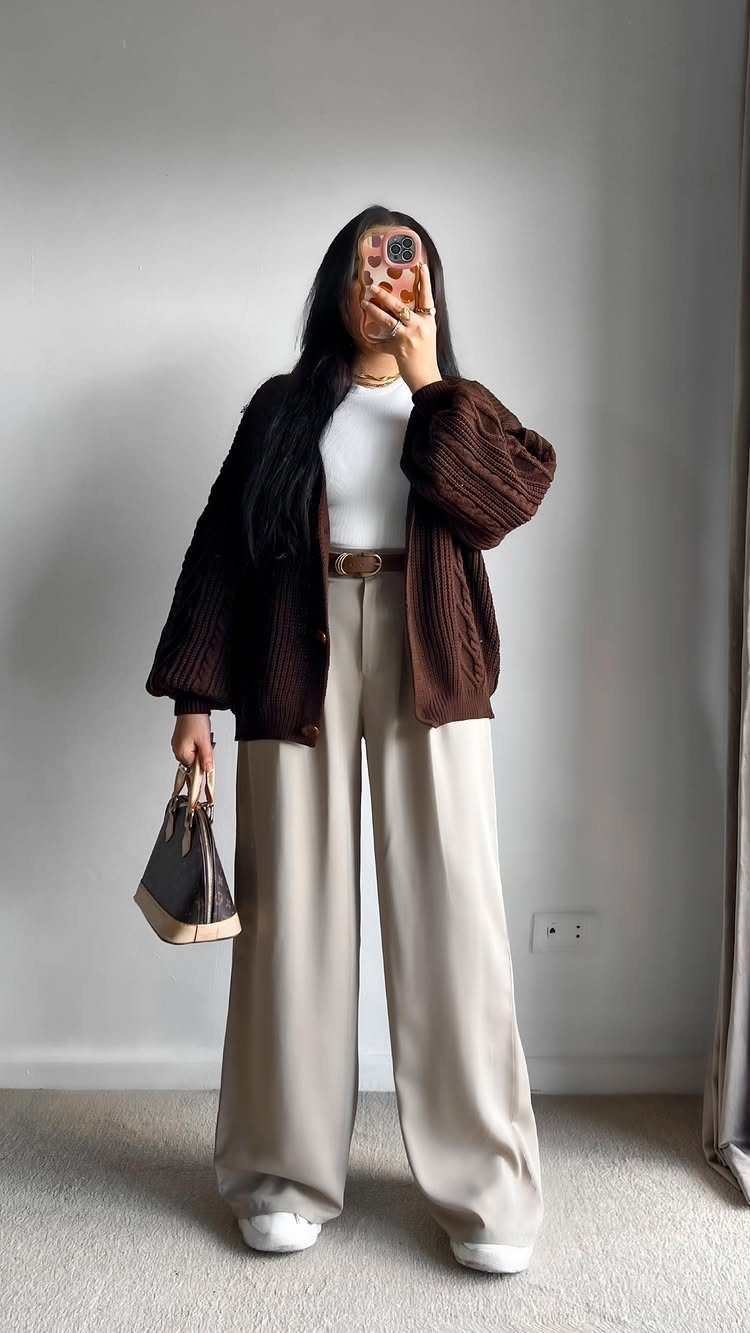
Beige wide-legs with a white fitted top and a cropped cardigan give the silhouette that made these pants worth the return to office fashion: volume below, structure above. Balance means the volume on top stays close to the body.
The waistband should sit at your natural waist, not hip-slung, or the proportions collapse. I size down one in most brands; the cut is generous by design and a belt can only save so much.
Neutral colors repeat across three tops without looking like a uniform. Fitted knits, thin turtlenecks, or a tucked-in shell all work; anything bulky on top turns the shape into a tent.
Petite readers should check inseam length before ordering, or budget for hemming.
6. White + Navy
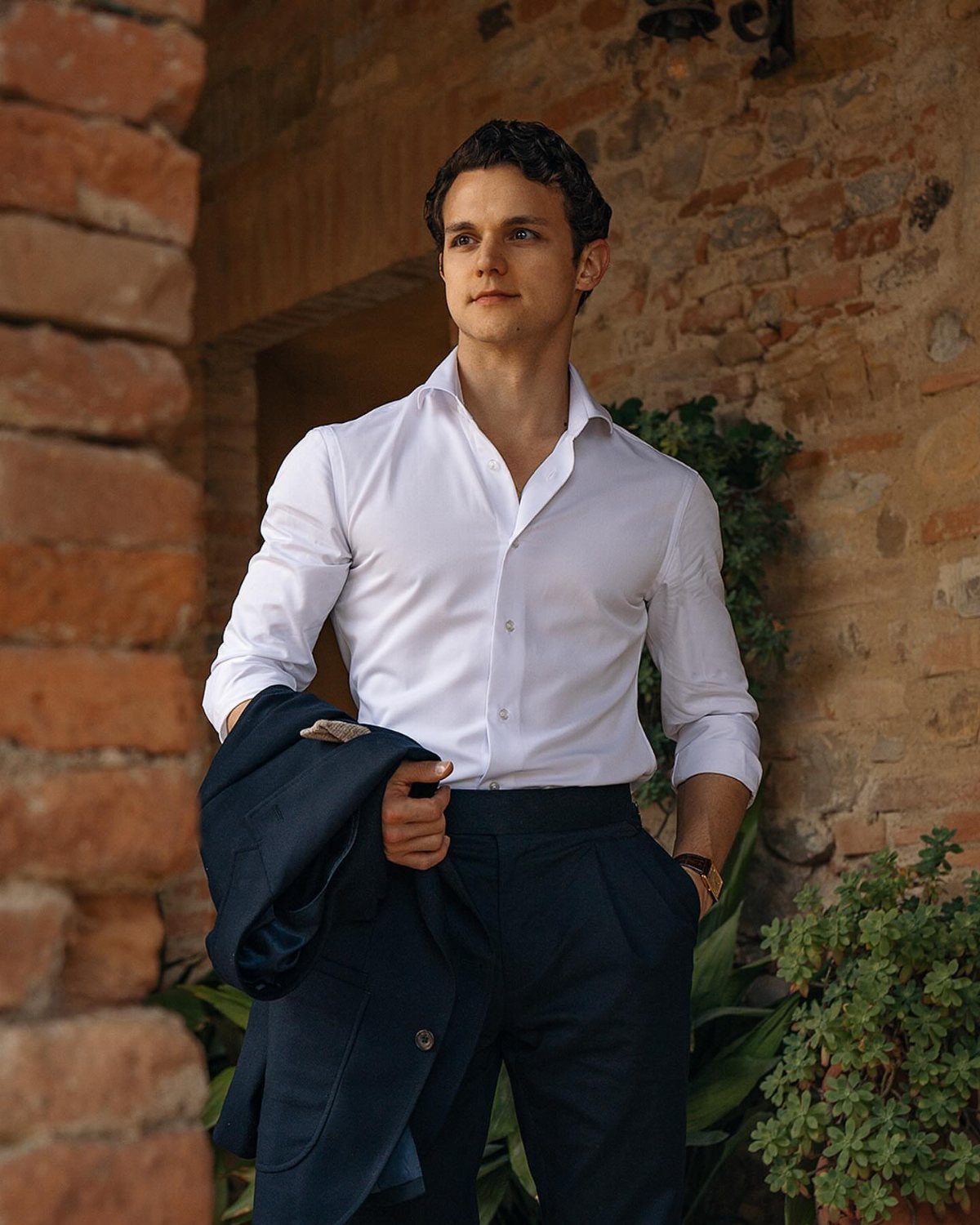
White and navy is the combination that signals spring in a law firm or a hospital or any place where bright color reads as vacation, not work.
A crisp button-down with navy trousers is the base. Add the navy blazer for external meetings, lose it for desk days.
The J.Crew Factory version fits like their pricier Parke but costs less, if you are building this pairing from scratch. White jeans substitute in creative offices; check the same opacity rule and keep the wash dark enough for Monday.
7. Pencil Skirts
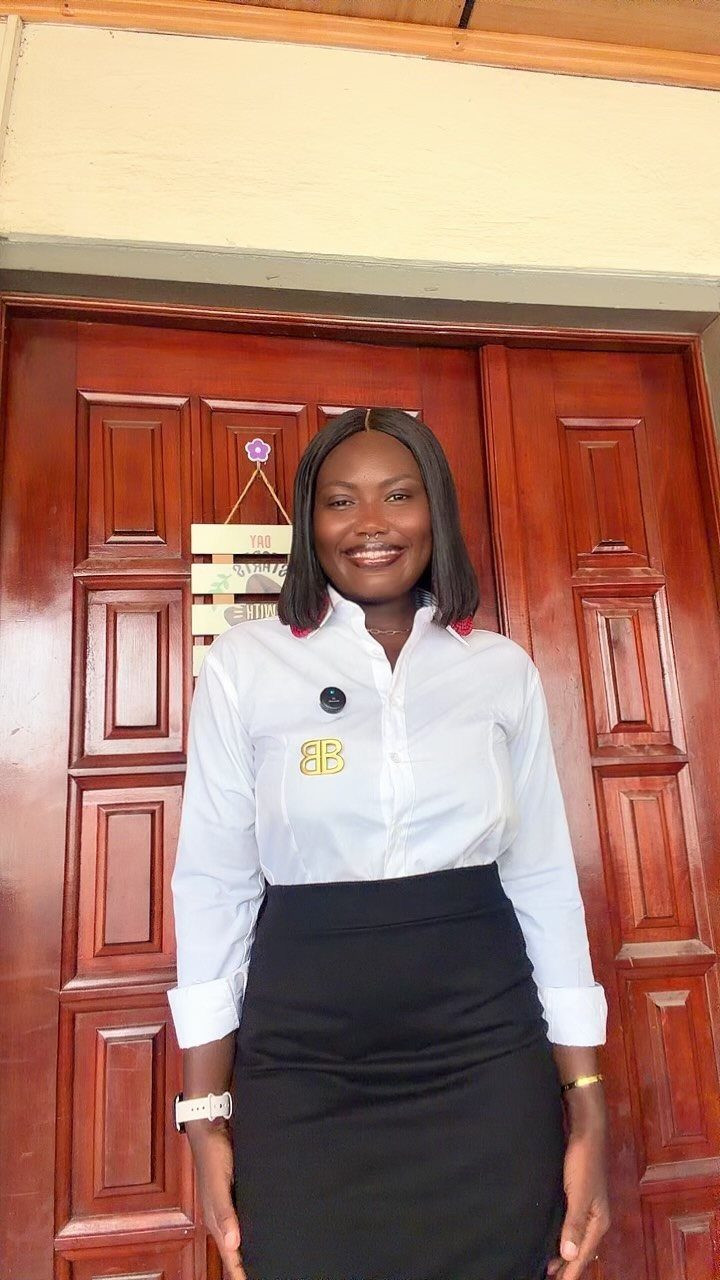
A black pencil skirt with a crisp white button-down still reads boardroom-ready, but the stiffness that used to come with it has softened.
Keeping the waist high and the shirt slightly relaxed stops the whole thing from looking like a uniform.
The real win is fabric weight. A lined crepe or ponte holds its shape through a full day without turning into a wrinkle map by midafternoon.
Pair it with anything fitted through the shoulders, a tucked shell, or a thin knit. If your office runs casual, swap the shirt for a logo tee and add loafers.
Best for hourglass or rectangle shapes where you want to define a waist without volume. Petite women should check the hem hits at or just below the knee; anything longer shortens the leg line.
One warning: sitting comfort depends on the slit placement. Test that in a fitting room, not on a Monday morning.
Layering for Spring Weather
A cardigan slung over the shoulders handles the temperature swing better than wearing it, because the sweater comes off without the full stop of finding a hanger.
Alpaca cardigans from J.Crew Factory or the Madewell Slouchy Straight Pant keep the sweater in view and the whole look together.
The Uniqlo Mini T-Shirt under either one is thin enough that the layer on top reads as deliberate bulk, not accident.
Printed scarves do the same job with less fabric if your office runs warm; tie, don’t drape, or the scarf becomes a bib by 11 a.m.
I rotate the same three layering pieces weekly. The cost per wear drops fast when each one has to work across five outfits, and the morning decision shrinks to which direction the temperature is heading.
Affordable Workwear Options
One blazer, two pairs of trousers, three tops that all button or tuck: that is six outfits without repeating a full combination, and the math holds through May.
Versatility beats novelty for affordable spring workwear. A printed scarf or a different shoe changes the register without changing the clothes.
The affordable pieces that last are the ones that feel boring in the cart and indispensable by June.
I buy the workhorse first, the variation second. The tote that holds a laptop and the pumps that do not blister come before the statement earring, every time.
Comfort Vs. Professionalism
Tropical wool breathes and resists wrinkles, which is why it has become the fabric people mention when they travel for work.
Cotton, linen, and linen blends handle the same temperature swings for less.
Crepe and satin mix in where the outfit needs structure against the relaxed pieces; a crepe shell under a cotton blazer gives the polished half, the cotton gives the comfortable half.
The balance is literal. A structured blazer with a relaxed pant, or a fitted top with wide-legs, keeps the silhouette intentional.
Two relaxed pieces and the look is pajamas; two structured and the day is a costume. I check the mirror for which side won before I leave.
Transitional Pieces
A cinched blazer in a longline shape works with kick-flare trousers for the office and a slinky skirt for after-hours without a change in between. The same blazer, two bottoms, one day.
Pinstripes on a navy shirt carry the same logic; subtle enough for a 9 a.m. meeting, sharp enough for 6 p.m. drinks.
The Aritzia Generation Blazer and The Effortless Pant as a set are the hardest-working version of this.
The Cuyana System Zipper Tote fits a laptop and looks intentional at a bar; the strap length is the detail that matters more than the leather grade.
I look for the piece that has two settings, not one. A blouse with some direction tucked into high-waisted deep indigo jeans, structured tote in hand, reads understated enough for either stop.
The test is whether you would sit down in it for a drink without touching your collar or your hem.
Frequently Asked Questions
What is the 3-3-3 rule for clothes?
The 3-3-3 rule means three tops, three bottoms, and three pairs of shoes. It is a capsule wardrobe shortcut that gives you twenty-seven combinations from nine pieces.
For spring work, I would pick a lightweight blazer, a midi dress, and a crisp button-down as three of those tops, then build from there.
What are some classy outfits I can wear this spring?
A boxy blazer over black trousers with a thin T-shirt handles temperature swings and still reads professional.
A midi dress in a solid color or very subtle pattern, hitting at mid-calf with long sleeves, works for offices that run either cold or finally fixed their HVAC.
What are the trendy looks for spring 2026?
Pastel colors, floral prints, and tailored pieces are showing up across spring collections. Lightweight tailoring in unlined cotton or linen blends is the piece that carries across all of it.